This guide walks you through using your LG air conditioner remote control like a pro in 2026. From basic setup to advanced features like smart scheduling and energy-saving modes, you’ll master every function with ease.
Key Takeaways
- Pairing your remote: Always ensure your LG remote is properly synced with your AC unit for reliable operation.
- Understanding mode buttons: Learn the difference between Cool, Heat, Fan, Dry, and Auto modes to match your comfort needs.
- Using Turbo and Sleep modes: Turbo cools or heats faster, while Sleep mode adjusts temperature gradually for restful nights.
- Smart features in 2026 models: Newer LG remotes support Wi-Fi, voice control, and app integration for remote access.
- Energy-saving tips: Use Timer, Eco Mode, and fan speed settings to reduce power consumption without sacrificing comfort.
- Troubleshooting basics: If your remote isn’t working, check batteries, signal range, and interference before calling support.
- Maintenance matters: Clean your remote regularly and replace batteries annually to ensure long-term performance.
How to Use LG Remote Control for Air Conditioner in 2026
Welcome to your complete guide on using the LG remote control for your air conditioner in 2026! Whether you’ve just installed a brand-new LG Dual Inverter or you’re upgrading from an older model, mastering your remote is the first step to enjoying efficient, comfortable cooling and heating all year round.
In this guide, we’ll walk you through everything—from basic setup and button functions to advanced smart features and troubleshooting tips. By the end, you’ll feel confident using every feature your LG remote has to offer, including energy-saving modes, scheduling, and even voice control via compatible smart home systems.
Let’s dive in and make your home climate control as smooth and smart as possible.
Understanding Your LG Remote Control
Before you start pressing buttons, it’s important to understand what your LG remote control can do. In 2026, LG has refined its remote designs to be more intuitive, energy-efficient, and connected than ever.
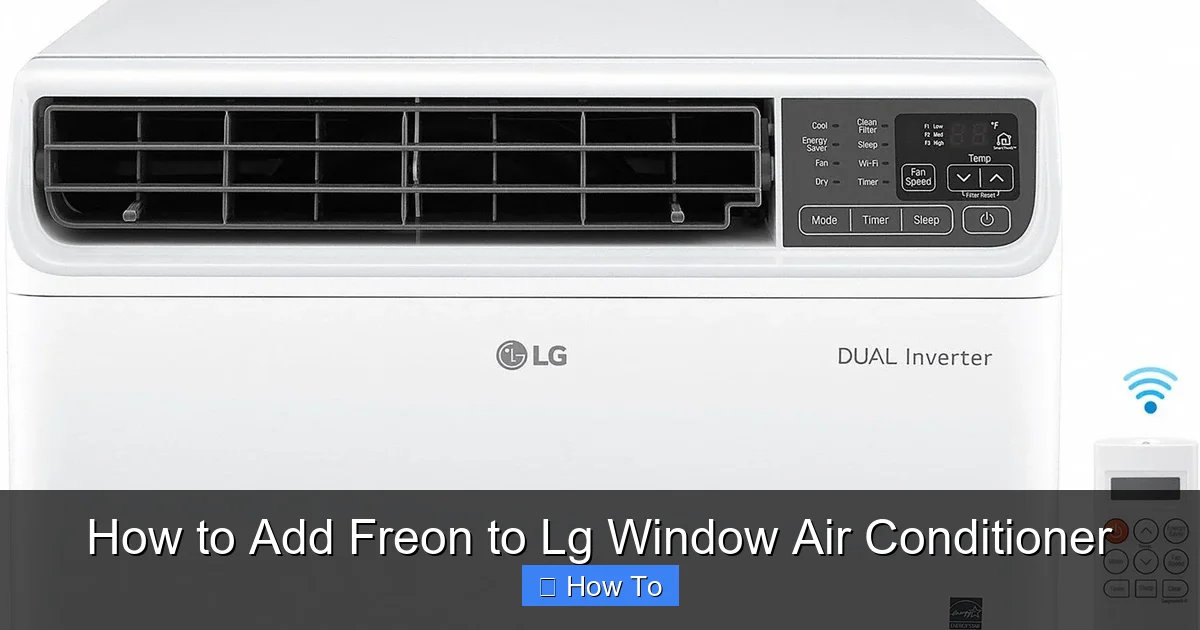
Most LG air conditioner remotes feature a clear, backlit LCD screen that displays the current temperature, mode, fan speed, and timer settings. The layout is user-friendly, with large, labeled buttons for easy navigation—even in low light.
Here’s a quick overview of the key components you’ll find on most 2026 LG AC remotes:
- Power Button: Turns the AC on or off.
- Mode Button: Cycles through Cool, Heat, Fan, Dry, and Auto modes.
- Temperature Up/Down: Adjusts the desired room temperature.
- Fan Speed Button: Controls airflow intensity (Low, Medium, High, Auto).
- Turbo Button: Activates rapid cooling or heating.
- Sleep Button: Gradually adjusts temperature over time for better sleep.
- Timer Button: Sets on/off schedules.
- Eco Button: Activates energy-saving mode.
- Wi-Fi/Smart Button (on select models): Connects to the LG ThinQ app for remote control via smartphone.
Some newer models also include a “Quiet” mode button for ultra-low noise operation and a “Clean” button to activate the AC’s self-cleaning function—great for maintaining air quality.
Step 1: Inserting and Checking Batteries
The first step to using your LG remote is making sure it has power. Most LG remotes use two AAA batteries, though some compact models may use AA or even rechargeable lithium packs.
How to Insert Batteries
- Locate the battery compartment on the back of the remote. It’s usually held in place by a small sliding cover.
- Slide the cover open gently. If it’s tight, use a flat tool like a coin or butter knife to help.
- Insert two AAA batteries, making sure the positive (+) and negative (-) ends match the markings inside the compartment.
- Slide the cover back into place until it clicks.
Testing the Remote
Once the batteries are in, press the Power button. You should see the LCD screen light up. If nothing happens, double-check the battery orientation and ensure the contacts are clean.
Pro Tip: Use high-quality alkaline batteries for longer life. Avoid mixing old and new batteries, as this can reduce performance and cause leaks.
Step 2: Pairing the Remote with Your AC Unit
In most cases, LG remotes come pre-paired with the AC unit. But if you’ve replaced the remote or moved the unit, you may need to sync them manually.
Automatic Pairing (Most Common)
- Turn on the AC unit using the manual power button (usually located on the side or front of the indoor unit).
- Point the remote at the AC unit (within 20 feet).
- Press and hold the Power button for 3–5 seconds.
- The AC should beep or flash its indicator light, confirming the connection.
Manual Pairing (If Automatic Fails)
If the remote doesn’t respond, try this:
- Turn off the AC and unplug it for 30 seconds.
- Plug it back in and wait for the unit to power up.
- On the remote, press and hold the Mode and Fan Speed buttons simultaneously for 5 seconds.
- The remote screen should display “PAIR” or flash. Point it at the AC and press Power.
- The AC should respond with a beep or light flash.
Note: Some 2026 LG models support Bluetooth pairing via the LG ThinQ app. Download the app, follow the on-screen instructions, and pair your remote through your smartphone.
Step 3: Using Basic Functions
Now that your remote is working, let’s explore the core functions.
Turning the AC On and Off
Press the Power button once to turn the AC on. The display will show the current room temperature and default mode (usually Cool). Press it again to turn it off.
Selecting Operation Modes
Press the Mode button repeatedly to cycle through the available modes:
- Cool: Lowers room temperature. Ideal for hot days.
- Heat: Raises temperature. Perfect for chilly mornings or winter.
- Fan: Circulates air without cooling or heating. Great for ventilation.
- Dry: Reduces humidity by removing moisture from the air. Useful in humid climates.
- Auto: The AC automatically selects Cool or Heat based on the room temperature and your set point.
Adjusting Temperature
Use the Up and Down arrow buttons to set your desired temperature. Most LG ACs allow settings between 16°C (61°F) and 30°C (86°F). The display will update in real time.
Tip: For energy efficiency, set your AC to 24–26°C (75–78°F) in summer and 20–22°C (68–72°F) in winter. Every degree higher in summer (or lower in winter) can save up to 10% on energy bills.
Controlling Fan Speed
Press the Fan Speed button to choose between Low, Medium, High, or Auto. In Auto mode, the AC adjusts fan speed based on how far the room temperature is from your set point.
- Low: Quiet operation, gentle airflow.
- Medium: Balanced noise and cooling.
- High: Maximum cooling power, slightly louder.
- Auto: Smart adjustment for efficiency.
Step 4: Using Advanced Features
LG’s 2026 remotes come packed with smart features to enhance comfort and save energy.
Turbo Mode
Need to cool or heat a room quickly? Press the Turbo button. This activates maximum compressor and fan speed for rapid temperature adjustment. The Turbo icon will appear on the screen.
Example: After coming home on a hot afternoon, press Turbo to cool your living room from 32°C to 24°C in under 15 minutes.
Note: Turbo mode uses more energy, so use it sparingly. Turn it off once the desired temperature is reached.
Sleep Mode
Sleep mode gradually adjusts the temperature over time to match your body’s natural sleep cycle. Press the Sleep button, and the AC will slowly increase the temperature (in Cool mode) or decrease it (in Heat mode) by 1–2°C over 1–2 hours.
This prevents overcooling and helps you sleep more comfortably—without waking up shivering or sweating.
Timer Function
The Timer button lets you schedule when your AC turns on or off. This is perfect for saving energy and waking up to a comfortable room.
Setting a Timer
- Press the Timer button. The display will show “ON” or “OFF” timer options.
- Use the Up/Down buttons to set the delay (e.g., 1 hour, 3 hours).
- Press Timer again to confirm.
- The AC will automatically turn on or off at the scheduled time.
Example: Set a 7-hour off timer before bed so the AC shuts down at 2 a.m., saving energy while you sleep.
Eco Mode
Press the Eco button to activate energy-saving operation. In Eco mode, the AC limits compressor power and adjusts fan speed to reduce electricity use—often by 20–30%.
The display will show an “Eco” or leaf icon when active. This mode is ideal for mild weather or when you want to keep costs down.
Quiet Mode
Available on select 2026 models, Quiet mode minimizes fan and compressor noise for ultra-peaceful operation—perfect for bedrooms or study areas.
Press the Quiet button (or hold Fan Speed for 3 seconds) to activate. The fan will run at the lowest speed, and the compressor will cycle less frequently.
Step 5: Using Smart Features (2026 Models)
If your LG AC supports Wi-Fi and the LG ThinQ app, your remote becomes even more powerful.
Connecting to Wi-Fi
- Download the LG ThinQ app on your smartphone (iOS or Android).
- Create an account or log in.
- Tap “Add Product” and select your AC model.
- Follow the on-screen instructions to connect your AC to your home Wi-Fi network.
- Once connected, your remote can sync with the app for remote control.
Using Voice Control
With Wi-Fi enabled, you can control your AC using voice assistants like Google Assistant or Amazon Alexa.
Example commands:
- “Hey Google, set the living room AC to 24 degrees.”
- “Alexa, turn on the bedroom air conditioner.”
- “Hey Google, activate Sleep mode on the LG AC.”
Remote Access via App
Even when you’re away from home, you can:
- Turn the AC on before arriving.
- Adjust temperature and modes.
- Check energy usage reports.
- Receive maintenance alerts.
This is especially useful in 2026, where smart homes are the norm and energy efficiency is a top priority.
Step 6: Maintenance and Care for Your Remote
To keep your LG remote working smoothly, follow these simple maintenance tips.
Cleaning the Remote
- Wipe the surface with a soft, dry cloth.
- For sticky buttons, use a cotton swab lightly dampened with isopropyl alcohol.
- Never spray liquid directly on the remote.
- Remove batteries if storing the remote for long periods.
Replacing Batteries
Replace batteries once a year or when the display dims or buttons become unresponsive. Always use the same type and brand for best performance.
Storing the Remote
Keep the remote in a dry, cool place away from direct sunlight. Use the built-in wall mount or a remote holder to prevent loss.
Troubleshooting Common Issues
Even the best remotes can have issues. Here’s how to fix the most common problems.
Remote Not Responding
- Check battery level and replace if low.
- Ensure the remote is pointed at the AC’s sensor (usually on the front panel).
- Move closer—maximum range is about 20 feet.
- Remove any obstructions or bright lights that may interfere with the infrared signal.
AC Doesn’t Turn On
- Verify the AC is plugged in and the circuit breaker hasn’t tripped.
- Check if the remote is paired correctly.
- Try using the manual power button on the AC unit.
Buttons Feel Sticky or Unresponsive
- Clean the buttons with a dry cloth.
- Remove debris with compressed air.
- If damage is severe, consider replacing the remote through LG support.
Wi-Fi or App Connection Issues
- Restart your router and AC unit.
- Reinstall the LG ThinQ app.
- Ensure your phone and AC are on the same Wi-Fi network.
- Contact LG customer support if problems persist.
Energy-Saving Tips for 2026
With rising energy costs and environmental concerns, using your LG AC efficiently is more important than ever.
- Use Timer and Sleep modes: Avoid running the AC all night or all day.
- Set moderate temperatures: Avoid extreme cooling or heating.
- Close curtains and blinds: Reduce heat gain from sunlight.
- Seal windows and doors: Prevent cool air from escaping.
- Clean filters monthly: Dirty filters reduce efficiency by up to 15%.
- Use Eco and Quiet modes: Save energy without sacrificing comfort.
Conclusion
Using your LG remote control for your air conditioner in 2026 is easier and smarter than ever. From basic temperature control to advanced smart features, your remote puts complete climate control at your fingertips.
By following this guide, you’ve learned how to pair your remote, use all the essential modes, activate energy-saving features, and troubleshoot common issues. With regular maintenance and smart usage, your LG AC will keep you comfortable for years to come.
Remember: a well-used remote means a more efficient, longer-lasting air conditioner. So go ahead—press that Turbo button, set a timer, or ask Alexa to cool your room. Your perfect climate is just a button press away.