Installing an LG 10000 BTU air conditioner is easier than you think—if you follow the right steps. This guide walks you through every phase, from prep to power-up, ensuring a safe and efficient setup in 2026.
Key Takeaways
Choose the right window: Ensure your window is sturdy, fits the unit, and allows proper airflow and drainage.
Gather essential tools: You’ll need a drill, level, tape measure, screwdriver, and safety gear like gloves and goggles.
Follow safety first: Always unplug the unit before handling and avoid electrical work in wet conditions.
Seal gaps properly: Use foam panels and weather stripping to prevent air leaks and improve efficiency.
Test before finalizing: Run the AC briefly after installation to check for vibrations, noise, or leaks.
Maintain regularly: Clean filters monthly and inspect seals seasonally to keep performance optimal.
Know when to call a pro: If electrical wiring or structural modifications are needed, consult a licensed technician.
Introduction: Why Installing Your LG 10000 BTU Air Conditioner Matters
As summer temperatures rise in 2026, staying cool at home is more important than ever. The LG 10000 BTU window air conditioner is a popular choice for medium to large rooms—offering powerful cooling, energy efficiency, and smart features like Wi-Fi connectivity and voice control. But even the best AC unit won’t perform well if it’s not installed correctly. A poor installation can lead to air leaks, reduced efficiency, water damage, or even safety hazards. For more on this, see our guide on how to choose the right air conditioner for.
In this guide, you’ll learn how to install your LG 10000 BTU air conditioner safely and effectively. Whether you’re a DIY enthusiast or tackling your first home cooling project, we’ll walk you through every step—from choosing the right location to testing the final setup. By the end, you’ll have a cool, comfortable space and the confidence that your AC is working at peak performance.
Electrical Requirements and Safety
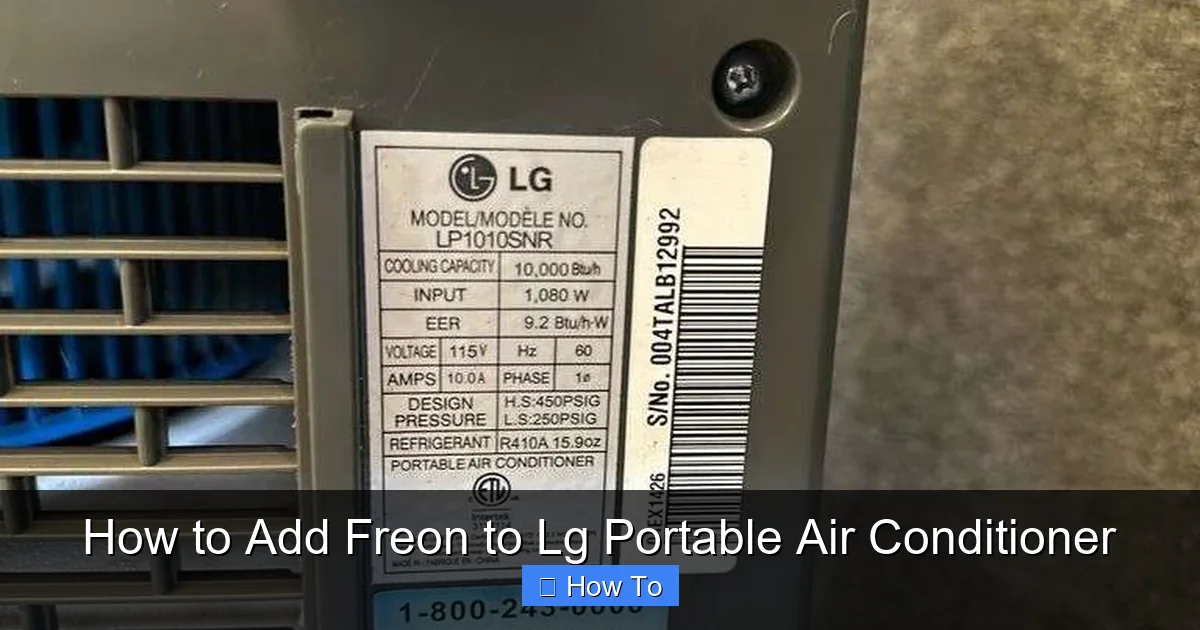
Before lifting the unit, verify that your electrical circuit can handle the load. Most LG 10000 BTU models draw 9–11 amps at 120 V, so a dedicated 15‑amp branch circuit is ideal. If the outlet shares a circuit with other high‑draw appliances, nuisance tripping may occur. Check the nameplate for the exact amperage and confirm the receptacle is grounded (three‑prong). For homes with older wiring, consult an electrician about upgrading the circuit or installing a GFCI‑protected outlet—especially if the unit will be near moisture. The U.S. Department of Energy recommends confirming circuit capacity before any major appliance installation energy.gov. A common mistake is using a standard power strip; these can overheat and void the warranty. Instead, plug directly into a dedicated outlet or use a heavy‑duty, UL‑listed extension cord rated for 15 amps as a temporary measure only.
Step 1: Choose the Right Location
Before you unbox your LG 10000 BTU unit, pick the best window for installation. Not all windows are created equal, and placement affects both cooling power and safety.

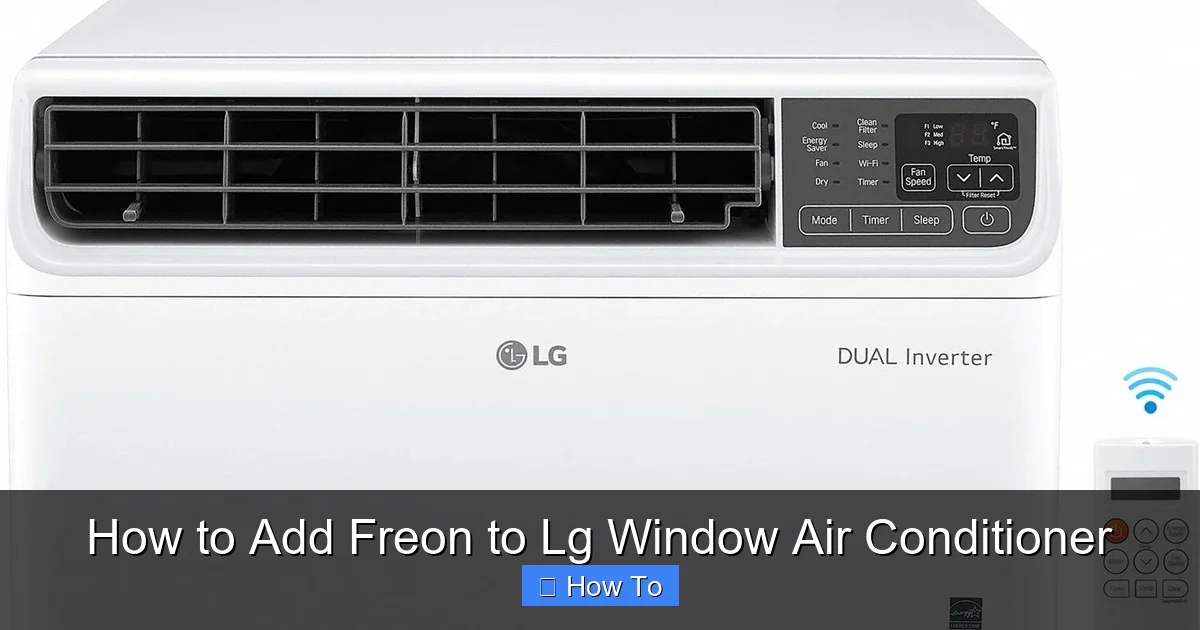
LG 10000 BTU unit positioned in window with side panels extended.
Visual guide about Installing Lg 10000 Btu Air Conditioner
Image source: images-na.ssl-images-amazon.com
Check Window Type and Size
Most LG 10000 BTU models are designed for double-hung or sliding windows. Measure the window opening carefully—both width and height. The unit typically requires a minimum opening of 23–24 inches wide and 14–16 inches tall, but always check your specific model’s manual. If your window is too small or the frame is weak, you may need a support bracket or consider a different location.
Ensure Structural Support
The window sill must be strong enough to hold the AC’s weight—usually around 70–80 pounds. Avoid installing over carpet, rugs, or uneven surfaces. If the sill is wood, make sure it’s not rotting. For brick or concrete walls, use masonry anchors if drilling is required.
Consider Airflow and Access
Choose a window that allows at least 12–18 inches of clearance on each side for proper airflow. Avoid placing the unit near curtains, furniture, or heat sources like lamps or TVs. Also, ensure the window is easily accessible for future maintenance, like filter cleaning.
Step 2: Gather Your Tools and Materials
Having the right tools on hand saves time and prevents mistakes. Here’s what you’ll need for a standard LG 10000 BTU installation:
Measuring tape
Level
Drill with masonry bits (if needed)
Screwdriver (Phillips and flathead)
Adjustable wrench
Safety goggles and gloves
Foam insulation panels (usually included)
Weather stripping or foam tape
Support bracket (optional, for extra stability)
Extension cord (only if necessary and rated for AC use)
Pro Tip: Don’t use a regular extension cord. If you must extend power, use a heavy-duty, grounded cord rated for at least 15 amps. Better yet, plug directly into a dedicated outlet.
Experience note: In practice, a magnetic-tip screwdriver and a cordless drill with a clutch setting prevent stripped screws and over‑tightening. Keep a small vacuum or brush nearby to clear drill dust from the sill before setting the unit—debris can compromise the seal.
Step 3: Prepare the Window and Area
Preparation is key to a smooth installation. Take time to set up the space properly.
Clear the Window and Surroundings
Remove any curtains, blinds, or decorations. Clean the window frame and sill to ensure a tight seal. If you have old weather stripping, remove it to avoid gaps.
Install the Support Bracket (If Needed)
For added safety, especially on upper floors or weak sills, install an L-shaped support bracket beneath the window. Attach it securely to the wall using screws and wall anchors. Make sure it’s level and can support the full weight of the AC. Local codes may dictate bracket requirements; for example, New York City has specific rules outlined in our guide on bracket requirements for your area.
Test Fit the Unit
Before securing anything, place the LG 10000 BTU unit in the window to check the fit. Slide it in gently—don’t force it. The side panels should extend to cover the gaps. If they don’t, you may need to adjust the window or use additional insulation.
Step 4: Install the Air Conditioner
Now it’s time to mount the unit. Follow these steps carefully to ensure a secure and efficient installation.
Position the Unit in the Window
With a helper, lift the AC and place it centered in the window opening. The front of the unit should sit flush with the indoor wall. Tilt it slightly backward (about 5–10 degrees) so condensation drains outside.
Extend and Secure the Side Panels
Pull out the accordion-style side panels from both sides of the unit. Adjust them to fit snugly against the window frame. Use the included screws to secure the panels to the window sash. Don’t overtighten—this can warp the frame or damage the unit.
Seal the Gaps
Use the foam insulation panels (usually included) to fill any gaps between the side panels and the window. For extra sealing, apply weather stripping around the edges. This prevents hot air from entering and cool air from escaping—boosting efficiency by up to 20%.
Secure the Unit
Use the provided screws to attach the top of the AC to the window sash. If your model includes a security bracket, install it to prevent the unit from being pushed in from outside—especially important for ground-floor windows.
Pro tip: After securing, re‑check the level side‑to‑side and front‑to‑back. A unit that isn’t level can vibrate excessively and cause premature compressor wear. If the sill is uneven, shim with plastic washers (not wood, which can rot) to achieve a consistent tilt.
Step 5: Connect Power and Test the System
Once the unit is secure, it’s time to power it up and make sure everything works.
Plug In the Unit
Plug the LG 10000 BTU air conditioner into a dedicated 120V outlet. Avoid using power strips or multi-plug adapters. If the outlet is too far, use a heavy-duty extension cord rated for air conditioners—but only as a temporary solution.
Turn On and Test
Press the power button and set the temperature a few degrees below room temperature. Listen for unusual noises like rattling or grinding. Check for vibrations—if the unit shakes, it may not be level or secure. Also, feel around the edges for air leaks.
Check Drainage
Run the AC for 15–20 minutes and observe the back of the unit. You should see a small amount of water dripping outside—this is normal condensation. If water pools inside or leaks indoors, the tilt may be incorrect, or the drain hole could be blocked.
Set Up Wi-Fi and Voice Control
LG’s ThinQ app walks you through connecting the unit to your home network. Have your Wi‑Fi password ready and ensure the router is on a 2.4 GHz band (most smart appliances don’t support 5 GHz). Once paired, you can set schedules, monitor energy use, and integrate with Google Assistant or Alexa. If pairing fails, power‑cycle the unit (unplug for 30 seconds) and restart the app—this resolves most connectivity hiccups.
Troubleshooting Common Installation Issues
Even with careful installation, problems can arise. Here’s how to fix the most common issues:
Unit Won’t Turn On
Check the power cord and outlet. Use a lamp to test the outlet. If it works, the issue may be a tripped breaker or faulty plug. Never bypass safety features.
Air Leaks Around the Unit
Reapply weather stripping or foam tape. Make sure side panels are fully extended and screwed in. Gaps let hot air in and cool air out, reducing efficiency.
Excessive Vibration or Noise
Ensure the unit is level and all screws are tight. Place rubber pads under the AC if it sits on a hard surface. Check that nothing is touching the fan blades.
Water Leaking Indoors
Adjust the tilt so the unit slopes slightly backward. Clean the drain hole at the back. If the problem persists, the condensate pump (if equipped) may need servicing.
Poor Cooling Performance
Check the filter—clean or replace it if dirty. Ensure vents aren’t blocked. Also, verify the room size matches the AC’s capacity. A 10000 BTU unit cools up to 450–550 sq ft effectively.
Quick reset: If the unit behaves erratically after a power outage, unplug it for two minutes, then plug back in. This clears most temporary fault codes without a service call.
Energy Efficiency Tips for Your LG 10000 BTU AC
Beyond proper installation, daily habits affect operating cost. Set the thermostat to 78 °F (26 °C) when home and raise it 5–7 °F when away—each degree saves roughly 3 % on cooling costs. Use the “Energy Saver” or “Eco” mode, which cycles the fan with the compressor. Keep blinds closed during peak sun hours and avoid heat‑generating appliances (oven, dryer) during the hottest part of the day. For more detailed strategies, see our breakdown of optimal temperature settings. The EPA’s ENERGY STAR program also provides a room‑by‑room guide to maximizing window‑AC efficiency energystar.gov.
Maintenance Tips for Long-Term Performance
Proper installation is just the beginning. Regular maintenance keeps your LG 10000 BTU air conditioner running smoothly all summer long.
Clean the filter monthly: A dirty filter restricts airflow and reduces efficiency. Wash it with warm water and let it dry completely before reinstalling.
Inspect seals seasonally: Check foam panels and weather stripping for wear. Replace if cracked or compressed.
Clear debris from the exterior: Remove leaves, dirt, or snow from the back of the unit to maintain airflow.
Schedule professional service: Have a technician inspect the refrigerant levels and electrical components once every 2–3 years.
Deep‑clean tip: Once a year, gently vacuum the condenser coils (the finned radiator at the back) using a soft brush attachment. Bent fins can be straightened with a fin comb—this restores heat‑exchange efficiency and reduces compressor runtime. For a complete seasonal checklist, refer to our seasonal upkeep routine.
When to Hire a Professional Installer
While many homeowners successfully install a window AC, certain situations warrant a licensed HVAC technician:
- The only available circuit is shared or lacks a ground.
- The window frame requires structural reinforcement (e.g., rot repair, masonry anchors).
- You need a dedicated 20‑amp circuit run from the panel.
- Local building codes require a permit or inspection (common in multi‑family dwellings).
- The unit is being installed above the second floor where fall‑protection gear is mandatory.
A professional can also integrate the LG unit with a whole‑home smart‑hub, calibrate refrigerant charge, and provide a labor warranty. If any of these apply, the added cost pays off in safety and long‑term reliability. For a broader look at installation best practices across unit types, see our general installation best practices.
Frequently Asked Questions
What size room does a 10000 BTU air conditioner cool?
A 10000 BTU unit effectively cools 450–550 square feet with standard ceiling height. High ceilings, large windows, or heat‑generating equipment may require the next size up.
Can I install an LG 10000 BTU AC in a sliding window?
Yes. Most LG models include hardware for both double‑hung and horizontal sliding windows. Follow the same sealing and support steps; just orient the side panels vertically.
Do I need a dedicated circuit for a 10000 BTU window AC?
A dedicated 15‑amp circuit is strongly recommended. Sharing a circuit with other appliances often causes breaker trips and can void the manufacturer’s warranty.
How do I connect my LG AC to Wi‑Fi if the app won’t pair?
Ensure your phone is on the same 2.4 GHz network, power‑cycle the AC (unplug 30 seconds), then restart the ThinQ app. If it still fails, reset the unit’s network settings via the control panel (hold “Wi‑Fi” 5 seconds).
Why is water dripping inside the room instead of outside?
The unit likely isn’t tilted back enough (5–10°). Check the level, adjust the tilt, and clear the rear drain hole of any debris. Persistent indoor leaks may indicate a clogged condensate pan.
How often should I clean the filter on my LG 10000 BTU?
Monthly during heavy use. In dusty environments or homes with pets, check every two weeks. A clean filter maintains airflow and prevents coil freeze‑ups.
Conclusion: Enjoy Cool Comfort with Confidence
Installing your LG 10000 BTU air conditioner doesn’t have to be stressful. With the right preparation, tools, and attention to detail, you can complete the job safely and efficiently in under an hour. A well-installed unit not only cools your space effectively but also saves energy and lasts longer.
Remember: safety comes first. If you’re unsure about electrical work, structural support, or drilling into walls, don’t hesitate to call a professional. In 2026, many HVAC companies offer same-day installation services, often with smart-home integration support for LG’s Wi-Fi-enabled models.
Now that your AC is up and running, sit back, relax, and enjoy the cool breeze. You’ve earned it.