Adding Freon to your LG window air conditioner can restore cooling performance when refrigerant levels are low. This guide walks you through the process safely, including diagnosis, tools needed, and step-by-step instructions.
Key Takeaways
- Diagnose low refrigerant first: Weak cooling, ice buildup, or hissing sounds may indicate a leak or low Freon—don’t just recharge without checking.
- Use the correct refrigerant type: Most LG window units use R-410A or R-32; never mix refrigerants or use the wrong type.
- Safety is critical: Wear gloves and goggles, work in a ventilated area, and avoid open flames—refrigerant is flammable and harmful if inhaled.
- You’ll need specialized tools: A manifold gauge set, refrigerant canister, and possibly a vacuum pump are essential for a proper recharge.
- Recharging is a temporary fix if there’s a leak: Adding Freon won’t solve an underlying leak—repair it to prevent future loss and environmental harm.
- Consider professional help: If you’re unsure or the unit is under warranty, hiring an HVAC technician is safer and may be required.
- Dispose of old refrigerant properly: Never release refrigerant into the air—it’s illegal and harmful to the environment.
How to Add Freon to LG Window Air Conditioner
If your LG window air conditioner isn’t cooling like it used to, you might be wondering if it needs more Freon. While low refrigerant can cause poor performance, simply adding Freon isn’t always the right—or legal—solution. In this comprehensive guide, you’ll learn how to safely and correctly add Freon to your LG window AC unit, including how to diagnose the problem, gather the right tools, and perform the recharge step by step.
We’ll also cover important safety precautions, common mistakes to avoid, and when it’s best to call a professional. Whether you’re a DIY enthusiast or just trying to save on repair costs, this guide will help you make informed decisions about your air conditioner’s refrigerant levels.
Understanding Refrigerant and Why It Matters
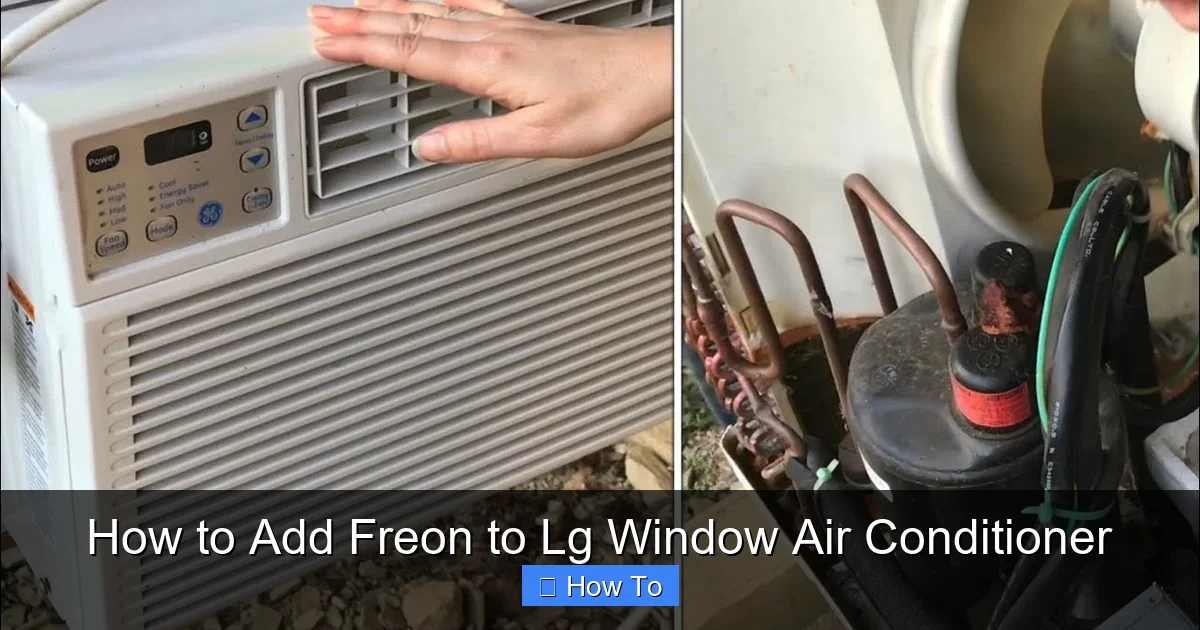
Visual guide about How to Add Freon to Lg Window Air Conditioner
Image source: i.ytimg.com
Before jumping into the recharge process, it’s important to understand what refrigerant does and why it’s so crucial to your air conditioner’s operation.
Refrigerant is the lifeblood of your AC system. It absorbs heat from indoor air and releases it outside, creating the cool air you feel blowing from the vents. In a properly functioning system, refrigerant circulates in a closed loop—it doesn’t get “used up” like gasoline. So if your LG window unit is low on refrigerant, it usually means there’s a leak somewhere.
Common signs of low refrigerant include:
– Weak or warm airflow
– Ice forming on the evaporator coils or refrigerant lines
– Hissing or bubbling sounds (indicating a leak)
– Higher-than-normal energy bills
– The AC runs constantly but doesn’t cool the room
It’s important to note that adding Freon without fixing a leak is only a temporary fix. The refrigerant will eventually escape again, and you’ll be back where you started—plus, releasing refrigerant into the atmosphere is illegal in most places due to environmental regulations.
Is Adding Freon the Right Solution?
Many people assume that if their AC isn’t cooling, it just needs more Freon. But that’s not always true. In fact, low refrigerant is often a symptom of a larger problem, not the root cause.
Here are some other issues that can mimic low Freon:
– Dirty air filters restricting airflow
– Clogged condenser coils
– Faulty thermostat
– Blower fan problems
– Electrical issues
Before you consider adding refrigerant, rule out these simpler fixes. Start by checking and replacing your air filter, cleaning the coils, and ensuring the thermostat is set correctly. If the problem persists, then low refrigerant might be the culprit.
Also, remember that window air conditioners are sealed systems. Unlike central AC units, they’re not designed for frequent servicing. If your LG window unit is more than 5–7 years old and has a refrigerant leak, it may be more cost-effective to replace it rather than repair it.
Tools and Materials You’ll Need
If you’ve confirmed that your LG window AC needs a refrigerant recharge, you’ll need the right tools to do the job safely and effectively. Here’s a list of what you’ll need:
Essential Tools
- Manifold gauge set: This allows you to measure pressure in the system and control the flow of refrigerant. Look for a set with high- and low-pressure gauges.
- Refrigerant canister: Make sure it contains the correct type of refrigerant for your LG unit (usually R-410A or R-32). Never use R-22 unless your unit specifically requires it—most newer LG models do not.
- Refrigerant hose kit: Connects the canister to the gauge set and the AC unit.
- Adjustable wrench or tubing wrench: For loosening and tightening service valves.
- Safety gear: Wear safety goggles and nitrile gloves to protect your eyes and skin from refrigerant exposure.
Optional but Helpful Tools
- Vacuum pump: Used to evacuate air and moisture from the system before recharging. This is especially important if the system has been opened or exposed to air.
- Leak detection kit: Helps locate refrigerant leaks using UV dye or electronic sensors.
- Digital thermometer: To measure air temperature at the intake and outlet, helping you assess cooling performance.
- Flashlight and mirror: For inspecting hard-to-see areas inside the unit.
Important Notes on Refrigerant
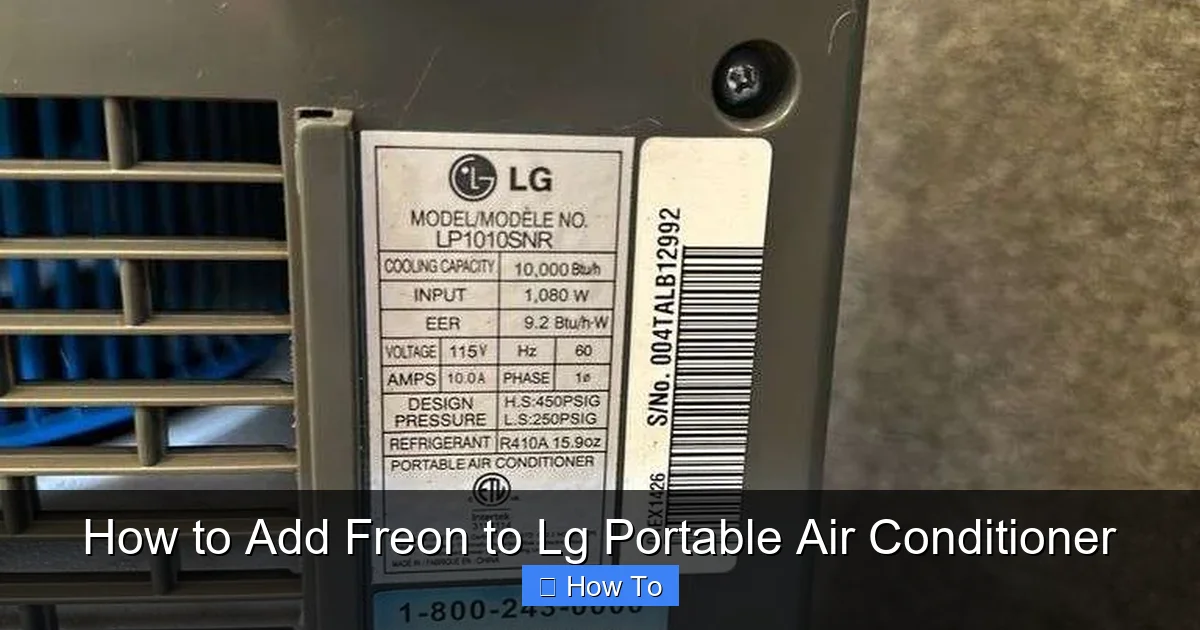
– Always check your LG window AC’s user manual or the manufacturer’s label (usually on the side or back of the unit) to confirm the correct refrigerant type.
– Never mix refrigerants. Using the wrong type can damage the compressor and void your warranty.
– Refrigerant canisters should be stored upright and in a cool, dry place. Do not expose them to high heat or direct sunlight.
Safety Precautions Before Starting
Working with refrigerant involves serious risks. It’s not just about getting the job done—it’s about doing it safely.
Personal Safety
– Always wear safety goggles and gloves. Refrigerant can cause frostbite on contact with skin and severe eye damage.
– Work in a well-ventilated area. Refrigerant vapors are heavier than air and can displace oxygen in enclosed spaces.
– Never smoke or use open flames near refrigerant. Some types are flammable, and all can produce toxic gases when exposed to fire.
Environmental and Legal Considerations
– It is illegal to vent refrigerant into the atmosphere in the U.S. and most other countries. Always recover and recycle refrigerant using proper equipment.
– Only certified technicians are legally allowed to handle certain refrigerants. While DIY recharging is possible for small window units, be aware of local regulations.
– If you’re not confident in your ability to handle refrigerant safely, hire a licensed HVAC technician.
Unit Safety
– Turn off and unplug the air conditioner before starting any work.
– Allow the unit to sit for at least 30 minutes before servicing to let pressure equalize.
– Never open the compressor or refrigerant lines unless you’re trained to do so. Tampering with sealed components can cause injury or damage.
Step-by-Step Guide: How to Add Freon to Your LG Window AC
Now that you’re prepared, let’s walk through the process of adding Freon to your LG window air conditioner. This method assumes you’ve confirmed low refrigerant and have the right tools.
Step 1: Turn Off and Unplug the Unit
Safety first. Make sure the air conditioner is completely powered down. Unplug it from the wall outlet and wait at least 30 minutes before proceeding. This allows any built-up pressure to stabilize and reduces the risk of injury.
Step 2: Locate the Service Valves
Most LG window units have two service ports: one on the suction line (low-pressure side) and one on the liquid line (high-pressure side). These are small brass fittings with threaded caps, usually located near the back or side of the unit.
The low-pressure port is typically larger and connected to the suction line going into the compressor. The high-pressure port is smaller and connected to the liquid line leaving the condenser.
Look for markings like “LP” (low pressure) or “HP” (high pressure), or consult your user manual if you’re unsure.
Step 3: Connect the Manifold Gauge Set
Attach the blue hose from your manifold gauge set to the low-pressure service port. The blue hose connects to the low-pressure gauge.
Attach the red hose to the high-pressure port (if you plan to monitor both sides), though for recharging, you’ll mainly use the low-pressure side.
The yellow hose connects to the refrigerant canister. Make sure all connections are tight but don’t over-tighten—brass fittings can strip easily.
Step 4: Check System Pressure
With the unit still off, open the valves on the manifold gauge set slightly and check the pressure readings.
For an LG window AC using R-410A, typical low-side pressure at room temperature (70–80°F) should be around 100–120 psi when the unit is off. If the pressure is significantly lower (e.g., below 70 psi), it confirms low refrigerant.
Note: These values can vary based on ambient temperature and model. Always refer to your unit’s specifications if available.
Step 5: Start the Air Conditioner
Plug the unit back in and turn it on to the cooling mode. Let it run for 5–10 minutes to stabilize.
While it’s running, monitor the low-pressure gauge. Normal operating pressure for R-410A should be around 110–130 psi, depending on conditions.
If the pressure is low and the unit is struggling to cool, it’s time to add refrigerant.
Step 6: Add Refrigerant Slowly
With the AC running, slowly open the valve on the refrigerant canister. You’ll hear a hissing sound as gas flows into the system.
Watch the low-pressure gauge closely. Add refrigerant in small increments—no more than 1–2 ounces at a time. Overcharging can damage the compressor and reduce efficiency.
As you add refrigerant, you should notice:
– The pressure rising gradually
– The airflow becoming cooler
– Ice melting from the coils (if present)
Stop adding refrigerant when the pressure reaches the normal range and the air from the vents feels noticeably cooler.
Step 7: Monitor and Adjust
Let the unit run for another 10–15 minutes and recheck the pressure and cooling performance. If the pressure drops again, there may be a leak.
Use a leak detection kit or soapy water to check for bubbles around connections, coils, and valves. Common leak spots include the service ports, coil fins, and weld joints.
If you find a leak, you’ll need to repair it before the recharge will last. Small leaks can sometimes be fixed with sealant, but larger ones may require professional repair or coil replacement.
Step 8: Close Valves and Disconnect
Once the system is properly charged, close the valve on the refrigerant canister. Then, close the manifold gauge valves.
Carefully disconnect the hoses from the service ports. Replace the caps on the service valves to prevent contamination and future leaks.
Step 9: Test the Unit
Let the air conditioner run for at least 30 minutes. Check that:
– The air is cool and consistent
– There’s no ice buildup
– The unit cycles on and off normally
– Energy usage seems reasonable
If everything looks good, you’ve successfully recharged your LG window AC.
Troubleshooting Common Issues
Even with careful work, problems can arise. Here’s how to handle some common issues:
Pressure Doesn’t Rise When Adding Refrigerant
This could mean:
– The canister is empty or not properly connected
– The service valve is clogged or damaged
– There’s a major leak preventing pressure buildup
Check connections, ensure the canister has refrigerant, and inspect for leaks.
Unit Still Not Cooling After Recharge
Possible causes:
– The refrigerant type is incorrect
– There’s still a significant leak
– The compressor is failing
– Airflow is restricted by dirty filters or coils
Double-check the refrigerant type, clean the unit thoroughly, and consider professional diagnosis.
Ice Builds Up After Recharge
This often happens if the system was overcharged or if there’s still a leak. Too much refrigerant can cause the evaporator coil to get too cold and freeze.
Reduce the charge slightly and monitor. If ice returns, check for airflow issues or a malfunctioning fan.
Hissing or Bubbling Sounds Persist
These sounds usually indicate an active leak. Use a leak detector or soapy water to locate the source. Small leaks may be repairable, but large ones often require professional help.
When to Call a Professional
While DIY recharging is possible, there are times when it’s better to call an HVAC technician:
– If you’re not comfortable working with refrigerant or electrical components
– If the unit is still under warranty (DIY work may void it)
– If you can’t locate or repair a leak
– If the compressor or other major components are damaged
– If you’re unsure about the correct refrigerant type or charging procedure
A licensed technician has the tools, training, and certification to handle refrigerant safely and legally. They can also perform a full system inspection and recommend long-term solutions.
Maintaining Your LG Window AC to Prevent Future Issues
Once your unit is recharged, take steps to keep it running efficiently:
– Replace the air filter every 1–2 months during peak use
– Clean the condenser and evaporator coils annually
– Keep the area around the unit clear of debris
– Check for leaks periodically, especially after moving the unit
– Schedule professional maintenance every 2–3 years
Regular care can extend the life of your air conditioner and reduce the risk of refrigerant loss.
Conclusion
Adding Freon to your LG window air conditioner can restore cooling performance when refrigerant levels are low. However, it’s not a fix-all solution—low refrigerant usually indicates a leak that needs attention. By following this guide, you can safely diagnose the issue, gather the right tools, and perform a recharge with confidence.
Remember to prioritize safety, use the correct refrigerant, and consider professional help when needed. With proper care and maintenance, your LG window AC can keep you cool for many summers to come.