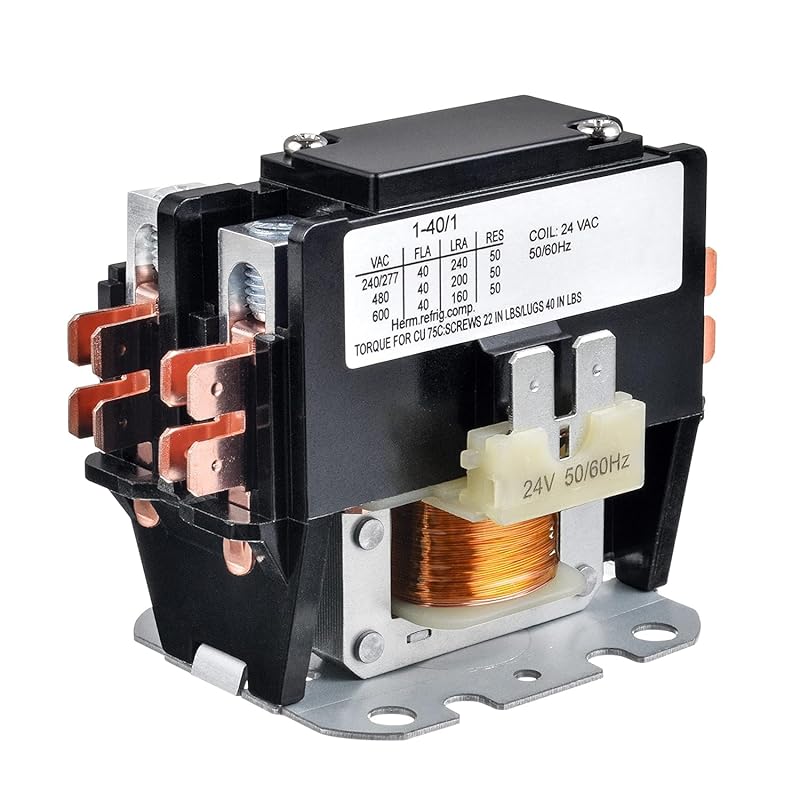
Carrier air conditioner fault codes are your window into what’s wrong with your system. These diagnostic signals help pinpoint problems ranging from simple filter changes to complex electrical faults. Understanding these codes can save you time, money, and frustration during HVAC troubleshooting.
While some carrier air conditioner fault codes indicate minor issues like dirty filters or low refrigerant, others signal serious mechanical failures requiring immediate attention. This comprehensive guide will walk you through the most common error codes, their meanings, and step-by-step solutions to get your cooling system back up and running efficiently.
Key Takeaways
- Fault codes are diagnostic tools: Carrier AC units display specific error codes that indicate various system malfunctions, helping technicians quickly identify the root cause.
- Common codes have clear patterns: Codes starting with ‘E’ typically indicate sensor or control board issues, while numbers often relate to compressor or refrigerant problems.
- Regular maintenance prevents errors: Changing filters, cleaning coils, and scheduling annual service can prevent many fault code triggers.
- Professional diagnosis is crucial: Some codes require specialized equipment and knowledge to interpret correctly, especially for complex electrical issues.
- Reset procedures vary by model: Different Carrier models require different reset methods – always consult your manual before attempting to clear codes.
- Weather affects code frequency: Extreme temperatures or high humidity can trigger temporary codes that resolve once conditions normalize.
- Documentation helps with repairs: Keeping records of error codes and resolutions creates valuable reference material for future service calls.
Quick Answers to Common Questions
What do carrier air conditioner fault codes mean?
Carrier fault codes are diagnostic signals that indicate specific issues within your HVAC system. These codes help technicians quickly identify problems ranging from simple filter changes to complex mechanical failures, allowing for targeted troubleshooting and efficient repairs.
How do I read my carrier ac fault codes?
Most Carrier units display fault codes through LED patterns on the indoor blower motor or control panel. The codes typically appear as blinking lights in specific sequences or alphanumeric combinations. Always consult your owner’s manual for the exact interpretation method for your specific model.
Can I fix carrier fault codes myself?
Many simple fault codes related to filters, airflow, or basic connections can be addressed through DIY maintenance. However, codes involving electrical systems, refrigerant handling, or complex mechanical issues should be handled by certified HVAC professionals to ensure safety and proper resolution.
Why does my carrier ac keep showing fault codes?
Recurring fault codes often indicate underlying issues that weren’t fully resolved during initial repairs, poor maintenance habits, or environmental factors affecting system performance. Regular professional servicing and addressing root causes can prevent repeated code activation.
How long do carrier fault codes stay active?
Most fault codes remain active until the underlying issue is resolved and the system is manually reset. Some newer models automatically clear codes once problems are fixed, while others require manual intervention. Always follow manufacturer guidelines for reset procedures specific to your model.
📑 Table of Contents
- Understanding Carrier Air Conditioner Fault Codes: Your Complete Guide to Diagnostics
- How Carrier Fault Codes Work
- Most Common Carrier Air Conditioner Fault Codes
- Troubleshooting Your Carrier AC Fault Code
- Preventing Future Fault Codes
- Advanced Diagnostic Techniques
- Conclusion: Empowering Yourself with Knowledge
Understanding Carrier Air Conditioner Fault Codes: Your Complete Guide to Diagnostics
When your Carrier air conditioning unit starts acting up, one of the first things you’ll notice is that familiar blinking light on the indoor or outdoor unit. That blinking pattern isn’t random—it’s actually your AC speaking in code, telling you exactly what’s wrong inside your system. These carrier air conditioner fault codes serve as your HVAC system’s way of communicating its health status, providing valuable insights into potential problems ranging from minor inconveniences to serious mechanical failures.
Modern Carrier systems are incredibly sophisticated, incorporating advanced sensors and computer controls that monitor everything from temperature differentials to airflow rates. When something goes awry, these intelligent systems generate specific fault codes that technicians use to diagnose issues efficiently. While some codes indicate simple problems like dirty filters or blocked vents, others point to more complex concerns involving the compressor, refrigerant levels, or electrical components. Understanding what these codes mean can empower homeowners to take appropriate action, potentially avoiding unnecessary service calls or expensive repairs.
This comprehensive guide will demystify Carrier’s fault code system, walking you through the most common error messages, their meanings, and practical solutions. Whether you’re dealing with a blinking light in your living room or trying to interpret what your outdoor unit is trying to tell you, this information will help you make informed decisions about your HVAC system’s maintenance and repairs.
How Carrier Fault Codes Work
Visual guide about Carrier Air Conditioner Fault Codes
Image source: i.pinimg.com
The Technology Behind Error Detection
Carrier’s fault code system relies on a network of sensors strategically placed throughout your HVAC system. These include temperature sensors, pressure transducers, airflow detectors, and various switches that monitor critical functions. When a parameter falls outside its normal operating range—such as the evaporator coil getting too cold or the high-pressure switch activating—the system’s microprocessor records the event and assigns it a specific code.
The system categorizes faults based on severity, with some codes indicating immediate safety concerns (like overheating) and others representing performance issues (like reduced efficiency). Most Carrier units display these codes through LED patterns on the indoor blower motor or control panel, though newer models may show them on remote displays or mobile apps.
Code Structure and Interpretation
Carrier fault codes typically follow a consistent format that includes both letters and numbers. The first character usually indicates the general category of problem, such as:
– E for sensor or electronic issues
– H for high pressure problems
– L for low pressure concerns
– P for power or electrical faults
– F for fan or airflow problems
The subsequent numbers provide specific details about the exact nature of the issue. For example, “E1” might indicate a temperature sensor failure, while “H3” could point to excessive head pressure in the compressor. Understanding this coding structure makes it easier to identify whether your problem relates to sensing, electrical, mechanical, or environmental factors.
Display Methods Across Models
Different Carrier models display fault codes in various ways. Older units typically use simple LED blinks on the indoor blower motor housing, while modern systems may feature digital readouts on the control panel or wireless displays. Some commercial units use alphanumeric sequences displayed directly on the thermostat interface. Always refer to your specific model’s manual to understand how codes appear on your particular system.
Most Common Carrier Air Conditioner Fault Codes
Visual guide about Carrier Air Conditioner Fault Codes
Image source: i0.ui-123.com
E01-E09: Sensor and Electronic Issues
These codes generally indicate problems with sensors or electronic components. The E01 code specifically refers to outdoor temperature sensor failure, which can cause inaccurate readings and improper cycling. To fix this, check the sensor connections and replace if necessary. E02 typically indicates indoor temperature sensor problems, often resolved by cleaning the sensor or checking wiring connections.
E03 relates to discharge line temperature sensor issues, commonly occurring after refrigerant leaks or compressor problems. E04 suggests suction line temperature sensor faults, while E05 points to evaporator temperature sensor problems. These codes often require professional diagnosis since they involve precise temperature measurements and may indicate more serious underlying issues.
F01-F09: Fan and Airflow Problems
Fan-related codes frequently appear when there are issues with air movement through your system. F01 indicates indoor blower motor failure, possibly due to worn bearings or electrical problems. Check motor connections and consider replacement if the motor is old or showing signs of wear.
F02 relates to outdoor fan motor issues, often caused by capacitor failure or motor bearing problems. F03 suggests variable speed drive problems, which may require professional servicing. F04 points to airflow sensor malfunctions, while F05 indicates improper airflow across the condenser coil. These codes often stem from simple causes like dirty air filters or blocked vents but can also indicate more serious mechanical failures.
H01-H09: High Pressure Concerns
High pressure codes warn about potentially dangerous operating conditions that could damage your compressor. H01 typically indicates excessive head pressure, often caused by dirty condenser coils, restricted airflow, or insufficient refrigerant charge. Cleaning the outdoor unit and ensuring proper airflow usually resolves this issue.
H02 suggests high pressure switch activation, which may require checking refrigerant levels or cleaning the condenser. H03 relates to high pressure transducer problems, while H04 indicates compressor discharge temperature concerns. These codes often require professional intervention since they involve critical safety systems and may indicate serious mechanical issues.
L01-L09: Low Pressure and Refrigerant Issues
Low pressure codes typically point to refrigerant-related problems or airflow restrictions. L01 indicates low suction pressure, often caused by refrigerant undercharge or airflow issues. L02 suggests low discharge pressure, which may point to compressor problems or refrigerant leaks.
L03 relates to low pressure switch activation, while L04 indicates low pressure transducer malfunctions. L05 points to evaporator flooding, which can cause ice buildup on coils. These codes often require professional diagnosis since they involve refrigerant handling and may indicate serious leaks or mechanical failures that could damage your system if left unaddressed.
Troubleshooting Your Carrier AC Fault Code
Initial Assessment Steps
Before diving into complex diagnostics, start with basic checks that might resolve the issue. First, verify that your thermostat is set to the correct mode and temperature. Then check your air filter—a clogged filter can trigger multiple codes by restricting airflow. Inspect visible wiring connections for damage or loose connections, particularly at the outdoor unit.
Ensure adequate clearance around outdoor units and check that return air vents aren’t blocked. Simple environmental factors like extreme outdoor temperatures or high humidity can sometimes trigger temporary fault codes that resolve once conditions normalize.
Step-by-Step Diagnostic Process
Begin by identifying the specific fault code displayed on your unit. Note down both the code number and any accompanying indicators (blinking patterns, beeps, etc.). Consult your owner’s manual for the exact meaning of the code, as interpretations can vary slightly between models.
Next, perform basic visual inspections focusing on the areas most likely related to the reported code. For sensor-related codes, check sensor locations and connections. For fan issues, inspect motor operation and blade condition. Document any findings and determine if the problem appears to be recent or developing gradually.
When to Call a Professional
While many fault codes can be addressed through basic troubleshooting, certain situations warrant professional assistance. Contact an HVAC technician immediately if you encounter codes related to electrical safety, refrigerant handling, or if the problem persists after basic troubleshooting. Signs that professional help is needed include unusual noises, burning smells, refrigerant leaks, or any situation where you feel uncomfortable performing the required work.
Professional technicians have specialized tools for reading detailed diagnostic information, testing electrical circuits, measuring refrigerant pressures, and performing repairs safely and effectively. They can also verify that your system operates within manufacturer specifications and address any underlying issues that might cause future problems.
Preventing Future Fault Codes
Regular Maintenance Schedule
Consistent maintenance is the best defense against fault code activation. Change air filters every 1-3 months depending on usage and environmental conditions. Clean condenser coils annually, removing debris and checking for damage. Inspect ductwork for leaks or blockages, and ensure all electrical connections are secure and free of corrosion.
Schedule professional maintenance twice yearly—preferably in spring before cooling season and again in fall before heating season. During these visits, technicians will perform comprehensive inspections, test system performance, and address any developing issues before they trigger fault codes.
Environmental Considerations
Your HVAC system’s environment significantly impacts its reliability. Ensure outdoor units receive adequate clearance and aren’t exposed to direct sunlight or heat sources. Keep landscaping trimmed away from units, and consider installing shade structures during extreme heat periods. In areas with high pollen or dust levels, increase filter change frequency and consider upgrading to higher-efficiency filters.
Extreme weather events can stress your system beyond normal operating parameters. During heatwaves, ensure adequate ventilation around outdoor units, and consider supplemental cooling strategies for your home to reduce AC workload.
Monitoring System Performance
Keep track of your system’s performance between service visits. Note any changes in cooling capacity, unusual sounds, or cycling patterns. Many modern Carrier systems connect to smart thermostats that provide real-time performance data and alerts. Monitoring these metrics can help identify developing issues before they trigger fault codes.
Consider keeping a maintenance log documenting filter changes, cleaning activities, and any observed issues. This record can help technicians quickly identify patterns and recommend preventive measures tailored to your specific system and environment.
Advanced Diagnostic Techniques
Using Manufacturer Resources
Carrier provides extensive diagnostic resources for their systems, including technical bulletins, service guides, and online support forums. Their website offers searchable databases of fault codes with detailed explanations and recommended procedures. Many local dealers also maintain access to proprietary diagnostic tools and software that can provide more detailed information than standard fault codes alone.
Consider joining Carrier’s dealer network if you frequently experience complex issues—they gain access to additional diagnostic capabilities and technical support not available to individual homeowners.
Mobile App Integration
Modern Carrier systems increasingly integrate with mobile applications that provide enhanced diagnostic capabilities. These apps can display real-time performance data, historical trends, and predictive alerts that go beyond basic fault codes. Some models allow remote diagnostics, enabling technicians to assess system status without physical presence.
When selecting new equipment, consider models with advanced monitoring capabilities that can provide early warnings of developing issues. The investment in smarter technology often pays dividends through improved reliability and reduced emergency service needs.
Third-Party Diagnostic Tools
Professional HVAC technicians use specialized diagnostic equipment that can provide much more detailed information than standard fault codes. These tools can measure electrical parameters, refrigerant pressures, and thermal characteristics that reveal problems not apparent through basic code interpretation.
If you frequently encounter complex issues, investing in professional-grade diagnostic equipment may be worthwhile. However, most homeowners will find that combining regular maintenance with professional service visits provides sufficient diagnostic capability for typical system issues.
Conclusion: Empowering Yourself with Knowledge
Understanding carrier air conditioner fault codes puts valuable diagnostic information at your fingertips, transforming what might seem like mysterious system behavior into actionable insights. While these codes can sometimes indicate serious issues requiring professional attention, many problems are straightforward to resolve with proper knowledge and basic tools.
The key is approaching fault codes as communication rather than criticism—your HVAC system is simply telling you what it needs. By combining this knowledge with regular maintenance and timely professional service, you can keep your Carrier system running efficiently and reliably for years to come.
Remember that while fault codes provide excellent diagnostic guidance, they represent snapshots of your system’s condition rather than comprehensive assessments. When in doubt, consult qualified professionals who can perform thorough evaluations and address underlying issues that might not be immediately apparent from code interpretation alone.
Frequently Asked Questions
===
What should I do when my carrier ac shows a fault code?
First, consult your owner’s manual to understand the specific code meaning. Perform basic checks like filter inspection and airflow verification. If the problem persists or involves complex systems, contact a qualified HVAC technician for professional diagnosis and repair.
Can weather affect carrier fault code activation?
Yes, extreme temperatures, high humidity, or severe weather can trigger temporary fault codes as your system works harder to maintain comfort. These codes often resolve once conditions normalize, but persistent issues may require professional assessment.
How often should I service my carrier ac to prevent fault codes?
Professional maintenance should occur twice yearly—once before cooling season and once before heating season. Additionally, change air filters every 1-3 months and clean condenser coils annually to maintain optimal system performance and prevent common fault triggers.
Are all carrier fault codes serious?
No, fault codes range from minor issues like dirty filters to serious mechanical problems. Simple codes often relate to airflow restrictions or sensor calibration, while complex codes may indicate compressor or electrical failures requiring immediate attention.
Can i reset my carrier ac fault codes myself?
Yes, many Carrier models allow manual reset procedures, typically involving power cycling or specific button sequences. However, always consult your owner’s manual for the correct method for your model, as improper resets can mask underlying issues or create safety concerns.
Why won’t my carrier ac clear fault codes after fixing the problem?
This could indicate the underlying issue wasn’t fully resolved, there’s a persistent problem, or the system requires manual reset. Sometimes multiple resets are needed, or there may be related issues not yet identified. Professional diagnosis can help determine why codes persist.