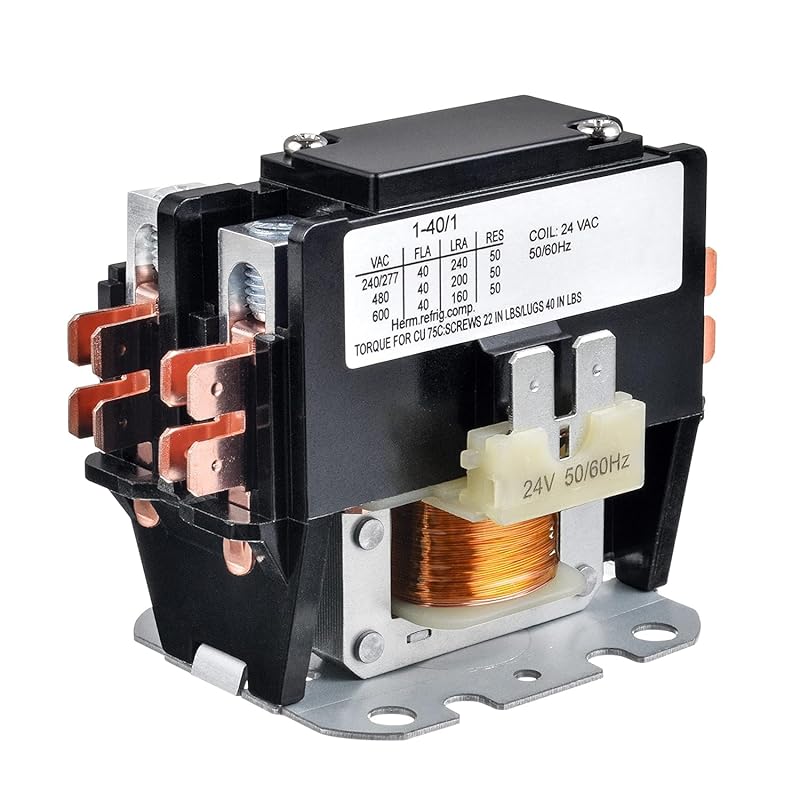
The Carrier air conditioner contactor is a vital electrical component that controls power flow to your AC’s compressor and fan motor. When it fails, your system may not turn on or will cycle improperly. Understanding its function, signs of failure, and maintenance can save you time, money, and discomfort during hot weather.
If you’ve ever wondered why your Carrier air conditioner suddenly stopped working on a sweltering summer afternoon, the culprit might be smaller than you think—and hidden deep inside your outdoor unit. Meet the Carrier air conditioner contactor: a small but mighty electrical switch that plays a starring role in keeping your home cool. While it may not get the same attention as the compressor or evaporator coil, this unassuming component is essential to your AC’s operation. Without a properly functioning contactor, your system simply can’t deliver the cold air you rely on. For more on this, see our guide on how to choose the right air conditioner for.
Think of the contactor as the gatekeeper between your thermostat and the heavy-duty parts of your air conditioner. When you set your thermostat to “cool,” it sends a low-voltage signal to the contactor, which then flips a switch to send high-voltage power to the compressor and condenser fan motor. It’s a bit like a remote-controlled power outlet—only instead of plugging in a lamp, you’re powering a machine that moves thousands of watts of electricity. Because it’s constantly opening and closing, the contactor endures a lot of stress over time. Dust, heat, voltage fluctuations, and simple wear can cause it to fail, leaving you with a system that hums but doesn’t cool—or worse, one that won’t turn on at all.
Key Takeaways
Controls Power Flow: The contactor acts as a switch that sends electricity to the compressor and condenser fan when your thermostat calls for cooling.
Common Failure Signs: Humming noises, frequent cycling, or the AC not turning on often point to a faulty contactor.
Wear and Tear Over Time: Contactor points can burn, pit, or weld shut due to electrical arcing, especially in high-use climates.
DIY Inspection Possible: Homeowners can visually inspect the contactor for damage, but replacement should be done by a licensed technician for safety.
Regular Maintenance Helps: Annual HVAC tune-ups can catch contactor issues early and extend the life of your Carrier AC unit.
Use Genuine Parts: Replacing with a Carrier-approved contactor ensures compatibility and reliability.
Safety First: Always turn off power at the breaker before inspecting or handling electrical components.
📑 Table of Contents
- What Is a Carrier Air Conditioner Contactor?
- How the Contactor Works in Your Carrier AC System
- Signs of a Failing Carrier Air Conditioner Contactor
- Causes of Contactor Failure in Carrier AC Units
- How to Inspect and Replace a Carrier Air Conditioner Contactor
- Preventive Maintenance Tips for Your Carrier AC Contactor
- Why Choose a Genuine Carrier Contactor?
- Conclusion
What Is a Carrier Air Conditioner Contactor?
At its core, the Carrier air conditioner contactor is an electromechanical switch designed to handle the high electrical loads required by your AC system. It’s typically a small, rectangular or cylindrical component mounted inside the outdoor condenser unit, often near the compressor. The contactor consists of two main parts: the coil and the contacts. The coil creates a magnetic field when energized by a 24-volt signal from the thermostat. This magnetic force pulls down a metal arm (called the armature), which closes the contacts and allows high-voltage current (usually 240 volts) to flow to the compressor and fan motor. For more on this, see our guide on are air conditioner brackets required in nyc.
This process happens every time your thermostat calls for cooling. When the desired temperature is reached, the thermostat stops sending the signal, the coil de-energizes, and the contacts open—cutting power to the compressor and fan. It’s a cycle that repeats dozens or even hundreds of times per day during peak cooling season. Because of this constant switching, the contactor is one of the most hardworking parts of your air conditioner.
Carrier, a leading name in HVAC systems, designs its contactors to meet strict performance and safety standards. However, like all mechanical components, they have a finite lifespan. Most contactors last between 5 to 10 years, depending on usage, climate, and maintenance. In hot, humid regions where the AC runs almost continuously, the contactor may wear out faster. Regular inspections during annual maintenance can help catch signs of wear before they lead to a breakdown. For more on this, see our guide on air conditioner vs hvac.
How the Contactor Works in Your Carrier AC System
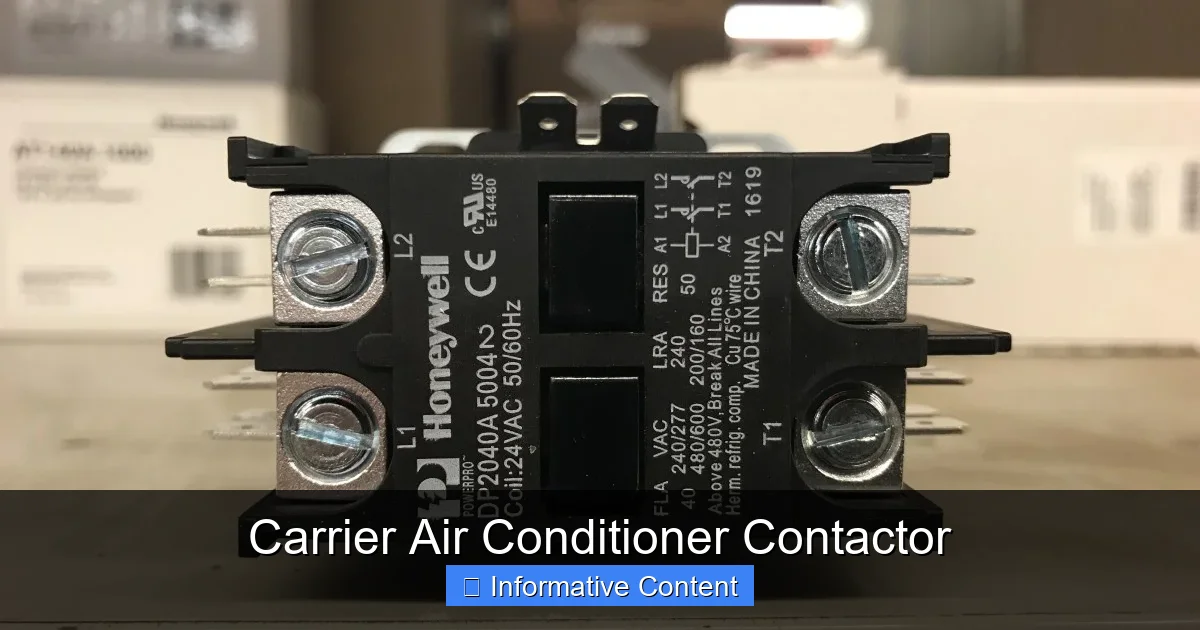
Carrier contactor mounted in the outdoor condenser unit
Visual guide about Carrier Air Conditioner Contactor
Image source: images.saymedia-content.com
To truly appreciate the role of the Carrier air conditioner contactor, it helps to understand the sequence of events when your AC kicks on. It all starts at the thermostat. When you lower the temperature setting, the thermostat detects the difference between the current room temperature and the desired setting. It then sends a low-voltage (24V) signal through the thermostat wires to the air handler or furnace, which relays it to the outdoor unit.
This signal travels to the contactor coil. When energized, the coil creates a magnetic field that pulls the contacts closed. This action completes the high-voltage circuit, allowing electricity to flow from your home’s electrical panel to the compressor and condenser fan motor. The compressor then begins pumping refrigerant through the system, and the fan starts spinning to dissipate heat from the condenser coils. For more on this, see our guide on air conditioner leak.
Once the thermostat senses that the room has reached the set temperature, it stops sending the 24V signal. The contactor coil loses power, the magnetic field collapses, and the contacts spring open. This cuts power to the compressor and fan, stopping the cooling cycle. The system remains idle until the next call for cooling.
This on-and-off cycle is normal and expected. However, if the contactor is worn or damaged, it may not open or close properly. For example, if the contacts become pitted or welded together due to arcing, the compressor and fan may stay on even after the thermostat is satisfied—leading to overcooling, higher energy bills, and potential system damage. Conversely, if the contacts fail to close, the AC won’t turn on at all, leaving you in the heat. For more on this, see our guide on air conditioner vs fan electricity usage.
For a deeper look at condenser‑related issues, see our condenser troubleshooting guide.
Signs of a Failing Carrier Air Conditioner Contactor
Recognizing the symptoms of a failing contactor can save you from a mid-summer meltdown. Because the contactor is hidden inside the outdoor unit, you can’t always see the problem—but your senses can help you detect it. Here are the most common signs that your Carrier air conditioner contactor may be on its last legs.
1. AC Won’t Turn On
One of the clearest signs of a bad contactor is when your air conditioner doesn’t start at all. You hear the thermostat click, but the outdoor unit remains silent. No fan spinning, no compressor hum—just silence. This often means the contactor isn’t receiving power or isn’t closing the contacts to allow electricity to flow. It could also be a tripped breaker or a blown fuse, so it’s important to rule those out first. But if the breaker is fine and the unit still won’t start, the contactor is a prime suspect.
2. Humming or Clicking Noises
If you hear a loud humming or buzzing sound from the outdoor unit, it could mean the contactor is partially engaging. The coil may be receiving power, but the contacts are worn or dirty, preventing a full connection. This can cause arcing, which produces the buzzing noise and can damage the contactor further. Repeated clicking sounds—especially rapid on-off cycles—may indicate the contactor is struggling to stay closed. This is often called “chattering” and can be caused by low voltage or a failing coil.
3. Frequent Cycling or Short Cycling
Short cycling happens when the AC turns on and off rapidly, often within minutes. This not only reduces efficiency but also puts extra strain on the compressor. A faulty contactor can cause this by intermittently losing connection. For example, if the contacts are pitted or corroded, they may close briefly and then open again due to arcing or overheating. This creates an unstable power supply, causing the system to cycle abnormally.
If you’re dealing with short‑cycling, our troubleshooting condenser issues article walks through the diagnostic steps.
4. Burn Marks or Melting
If you’re comfortable opening the outdoor unit (and have turned off the power at the breaker), you can visually inspect the contactor. Look for signs of burning, melting, or discoloration around the contacts or coil. These are clear indicators of electrical arcing or overheating. A burnt smell is another red flag. Never ignore these signs—they suggest the contactor is failing and could pose a fire hazard if left unaddressed.
5. Compressor or Fan Runs Continuously
In some cases, the contactor contacts can become welded shut due to repeated arcing. When this happens, the compressor and fan may continue running even after the thermostat is satisfied. You’ll notice the AC keeps cooling long after the desired temperature is reached, leading to overcooled rooms and higher energy bills. This is a serious issue that can damage the compressor over time and should be fixed immediately.
Causes of Contactor Failure in Carrier AC Units
Understanding why a Carrier air conditioner contactor fails can help you prevent future issues. While wear and tear is inevitable, several factors can accelerate the process.
Electrical Arcing
Every time the contactor opens or closes, a small electrical arc occurs between the contacts. Over time, this arcing can erode the contact surfaces, creating pits, grooves, or carbon buildup. This increases resistance and can prevent a solid connection. In severe cases, the contacts may fuse together, causing the compressor to run continuously.
Voltage Fluctuations
Power surges, brownouts, or inconsistent voltage from your electrical supply can stress the contactor coil. If the voltage is too low, the coil may not generate enough magnetic force to pull the contacts closed fully, leading to chattering. If the voltage is too high, it can overheat the coil and damage the insulation. Using a surge protector or voltage stabilizer can help protect your HVAC system. For detailed electrical safety requirements, refer to the National Electrical Code.
Dust and Debris
The outdoor unit is exposed to the elements, and dust, dirt, and debris can accumulate inside the contactor housing. This can interfere with the movement of the armature or insulate the contacts, reducing conductivity. Regular cleaning during maintenance can help keep the contactor clean and functioning properly.
Overheating
High ambient temperatures, poor ventilation around the outdoor unit, or a malfunctioning fan can cause the contactor to overheat. Heat accelerates the degradation of electrical components, including the coil and contacts. Ensuring proper airflow around the condenser and cleaning the coils can help prevent overheating.
Age and Usage
Like any mechanical part, the contactor has a limited lifespan. In regions with long cooling seasons, the contactor may cycle thousands of times per year. Over 5 to 10 years, this constant use takes its toll. Even with perfect conditions, the contactor will eventually wear out and need replacement.
How to Inspect and Replace a Carrier Air Conditioner Contactor
While replacing a contactor is best left to a licensed HVAC technician, homeowners can perform a basic inspection to identify obvious problems. This can help you communicate effectively with a technician and avoid unnecessary service calls.
Safety First
Before doing anything, turn off the power to your air conditioner at the main electrical panel. This is crucial—working on live electrical components can be deadly. Use a voltage tester to confirm the power is off before opening the outdoor unit.
Visual Inspection
Remove the access panel on the outdoor unit and locate the contactor. It’s usually a small black or gray box with two large terminals (for the high-voltage wires) and two smaller terminals (for the 24V control wires). Look for:
- Burn marks or melting
- Pitted or corroded contacts
- Loose or frayed wires
- A coil that appears cracked or burnt
If you see any of these issues, the contactor likely needs replacement.
Testing the Contactor
A multimeter can be used to test the contactor’s coil and contacts, but this requires electrical knowledge. The coil should show continuity (low resistance) when tested. The contacts should open and close when power is applied and removed. If you’re not comfortable with this, call a professional.
Replacement Process
Replacing a contactor involves:
- Turning off power at the breaker
- Taking photos of the wiring for reference
- Disconnecting the wires (label them if needed)
- Removing the old contactor
- Installing the new one with the same specifications
- Reconnecting the wires
- Restoring power and testing the system
Always use a contactor that matches your Carrier model’s specifications. Using the wrong part can damage your system or void your warranty.
Preventive Maintenance Tips for Your Carrier AC Contactor
An ounce of prevention is worth a pound of cure—especially when it comes to your air conditioner. Regular maintenance can extend the life of your contactor and keep your Carrier AC running smoothly.
Schedule Annual Tune-Ups
Have a licensed HVAC technician inspect your system once a year, preferably before the cooling season begins. They’ll check the contactor for signs of wear, clean the contacts, and test electrical connections. This is the best way to catch problems early. Our seasonal maintenance checklist covers what a thorough tune‑up should include.
Keep the Outdoor Unit Clean
Remove leaves, grass, and debris from around the condenser. Trim back vegetation to ensure at least two feet of clearance on all sides. This improves airflow and reduces the risk of overheating.
Check Electrical Connections
Loose or corroded wires can cause voltage drops and arcing. During maintenance, have the technician inspect all electrical connections and tighten or clean them as needed.
Install a Surge Protector
Power surges from lightning or grid fluctuations can damage the contactor. A whole-house surge protector can help safeguard your HVAC system and other electronics.
Monitor System Performance
Pay attention to how your AC is running. Unusual noises, frequent cycling, or reduced cooling could indicate a problem with the contactor or another component. Address issues promptly to avoid bigger repairs. The U.S. Department of Energy offers additional guidance on keeping your cooling system efficient.
Why Choose a Genuine Carrier Contactor?
When it’s time to replace your contactor, it’s tempting to go with a cheaper aftermarket part. But for Carrier systems, using a genuine Carrier air conditioner contactor is the best choice. These parts are designed specifically for your unit, ensuring proper fit, performance, and safety. They’re tested to meet Carrier’s rigorous standards and often come with a warranty.
Aftermarket contactors may look similar, but they can vary in quality. A poorly made contactor may fail prematurely, cause electrical issues, or even damage your compressor. In some cases, using non-OEM parts can void your system’s warranty. Investing in a genuine Carrier contactor gives you peace of mind and helps protect your investment.
You can purchase genuine Carrier parts through authorized dealers or HVAC supply stores. Be sure to provide your model and serial number to ensure compatibility. For installation best practices, review our AC installation guide.
Common Contactor Types Used in Carrier Units
Carrier equipment typically uses either a single‑pole or double‑pole contactor rated for 24 V control voltage and 240 V load voltage. Single‑pole models switch one leg of the 240 V circuit, while double‑pole versions interrupt both legs for added safety. Some newer high‑efficiency units employ a sealed, solid‑state contactor that eliminates mechanical wear altogether. Knowing which type your model requires prevents mismatched replacements and ensures reliable operation.
Step‑by‑Step Troubleshooting for Homeowners
If you suspect a contactor problem, follow these safe, non‑invasive checks before calling a pro:
- Verify the thermostat is set to “Cool” and the temperature is below room temperature.
- Confirm the outdoor disconnect and breaker are both ON.
- Listen for a click from the outdoor unit when the thermostat calls for cooling — a click with no fan spin often points to the contactor.
- With power OFF, remove the access panel and visually inspect for the burn marks, pitting, or melted insulation described earlier.
- If everything looks intact but the unit still won’t start, the issue may be a control board or capacitor; note the symptoms for the technician.
When to Call a Licensed HVAC Technician
While the visual checks above are safe for most homeowners, any work that involves opening the control panel, measuring live voltage, or replacing the contactor itself should be performed by a certified professional. Licensed technicians have the tools to test coil resistance, verify contact continuity under load, and ensure the new part matches the exact OEM specifications. Attempting high‑voltage repairs without proper training can void warranties and create serious safety hazards.
Estimated Replacement Cost Breakdown
| Item | Typical Cost Range (USD) |
|---|---|
| Genuine Carrier contactor (part only) | $45 – $85 |
| Labor (1–1.5 hrs) | $100 – $200 |
| Misc. supplies (wire nuts, tape, permit if required) | $10 – $30 |
| Total | $155 – $315 |
Prices vary by region and service company; always request a written estimate before authorizing work.
Warranty and OEM Part Verification
Carrier’s limited warranty generally requires that replacement components be genuine Carrier parts installed by an authorized dealer. Using an aftermarket contactor can void the remaining warranty on the compressor and other sealed‑system components. When ordering, provide the unit’s model and serial number (found on the data plate) to the supplier, and confirm the part number matches the service manual. Keep the receipt and installation invoice for any future warranty claims.
Schedule a professional inspection today to keep your Carrier AC running reliably.
Conclusion
The Carrier air conditioner contactor may be small, but its role in your cooling system is huge. It’s the silent switch that turns your AC on and off, day after day, summer after summer. When it works, you don’t notice it. When it fails, you definitely do. By understanding how it works, recognizing the signs of failure, and practicing regular maintenance, you can keep your Carrier AC running efficiently for years to come.
Don’t wait for a breakdown on the hottest day of the year. Schedule annual maintenance, keep your outdoor unit clean, and pay attention to how your system is performing. If you suspect a problem with your contactor, contact a licensed HVAC technician right away. With a little care and attention, your Carrier air conditioner—and its hardworking contactor—will keep you cool and comfortable season after season. For help choosing the right AC, see our guide on choosing the right AC.
Frequently Asked Questions
What does a Carrier air conditioner contactor do?
The contactor is an electrical switch that controls power to the compressor and condenser fan. It receives a signal from the thermostat and closes to allow electricity to flow, enabling the AC to cool your home.
How often should a contactor be replaced?
Most contactors last 5 to 10 years, depending on usage and climate. Regular maintenance can help identify wear before failure occurs.
Can I replace the contactor myself?
While homeowners can inspect the contactor, replacement should be done by a licensed technician due to the high-voltage electrical work involved.
Why is my AC humming but not cooling?
This is often a sign of a failing contactor. The coil may be energized, but the contacts aren’t closing properly, preventing the compressor from starting.
Will a bad contactor damage my compressor?
Yes, if the contactor welds shut or causes short cycling, it can overwork the compressor and lead to costly damage over time.
How much does it cost to replace a Carrier contactor?
Replacement typically costs between $150 and $300, including parts and labor, depending on your location and service provider.
What are the differences between single‑pole and double‑pole contactors?
A single‑pole contactor interrupts one leg of the 240 V circuit, while a double‑pole version breaks both legs, providing an extra safety margin. Carrier specifies which type each model requires.
Can a solid‑state contactor be used as a direct replacement for a mechanical one?
Only if the unit’s control board and wiring are designed for solid‑state devices. Most legacy Carrier units require the original electromechanical contactor; consult the service manual or a Carrier dealer before substituting.
How can I verify that a contactor is genuine Carrier?
Genuine parts carry a Carrier part number and holographic label. Purchase from an authorized Carrier distributor and cross‑reference the part number with your unit’s service documentation.