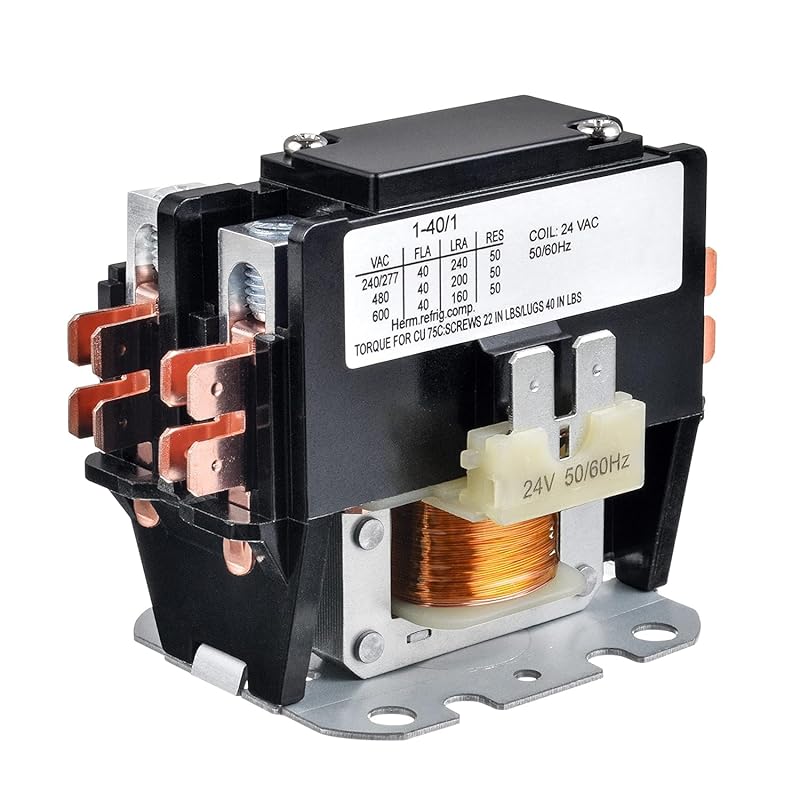
Carrier air conditioners are reliable, but like any appliance, they can face issues—especially when power problems like brownouts or blower motor failures occur. A blower fault often means weak airflow or no cooling, while a brownout (low voltage) can damage sensitive components over time. Understanding these common Carrier AC faults helps you troubleshoot faster and protect your system. This guide walks you through symptoms, causes, fixes, and prevention tips so you can keep your home comfortable and your unit running smoothly.
Have you ever walked into your living room on a hot summer afternoon only to find your Carrier air conditioner blowing warm air—or worse, nothing at all? It’s frustrating, right? You press the button, hear the compressor kick in, but the airflow feels like a gentle breeze instead of a cooling gust. Or maybe your lights dim when the AC turns on, and you start wondering if that’s why your unit isn’t working properly.
You’re not alone. Many homeowners experience similar hiccups with their Carrier air conditioning systems—especially when dealing with blower issues or brownouts (that annoying drop in voltage). These two problems might seem unrelated at first glance, but they’re actually closely connected through something called “power quality.” And when your Carrier AC struggles with either, your comfort, energy bills, and even your wallet could pay the price.
In this deep-dive guide, we’ll break down everything you need to know about Carrier air conditioner faults related to blower motors and brownouts. From recognizing early warning signs to fixing common mistakes (and avoiding dangerous ones), you’ll walk away with practical knowledge that can save you time, money, and stress. Let’s get started!
—
Key Takeaways
- Blower Motor Issues: Weak or no airflow is usually caused by a failing blower motor, clogged filters, or wiring problems—not the thermostat.
- Brownout Damage: Voltage drops during brownouts can overheat circuits, fry control boards, and shorten your AC’s lifespan.
- Prevention Matters: Installing a surge protector or voltage stabilizer helps shield your Carrier unit from power fluctuations.
- DIY Checks Help: Regularly cleaning filters and inspecting vents can catch 80% of blower-related performance drops.
- When to Call Pros: If your AC blows warm air or makes loud noises, it’s time for a licensed technician—don’t DIY electrical repairs.
- Safety First: Never bypass safety switches or overloads—they exist to protect your system and home.
Quick Answers to Common Questions
Can a brownout damage my Carrier AC permanently?
Yes, repeated brownouts can fry control boards, overheat motors, and shorten component life—even if the unit appears fine afterward.
Why is my Carrier AC blowing warm air?
This often points to a blower motor issue (weak airflow) or low refrigerant levels. Brownouts can also disrupt normal operation by straining electrical components.
How do I know if my blower motor is bad?
Look for weak airflow, loud grinding noises, or the fan not spinning at all. Test with a multimeter if you’re comfortable—otherwise, call a pro.
Should I replace my filter every month?
Not necessarily—every 30–90 days is typical. High-traffic homes, pets, or allergies may require more frequent changes.
Will a surge protector stop brownouts?
It helps stabilize voltage spikes, but won’t boost low voltage during brownouts. For that, use a voltage stabilizer with automatic regulation.
📑 Table of Contents
- What Is a Blower Motor Fault in Your Carrier Air Conditioner?
- How Brownouts Hurt Your Carrier Air Conditioner
- Linking Blower Faults and Brownouts: What Happens When They Combine?
- How to Diagnose and Fix Carrier AC Blower Issues
- Protecting Your Carrier AC from Brownouts: Prevention Tips
- When to Call a Professional vs. DIY Fixes
- Conclusion: Stay Cool, Stay Informed
What Is a Blower Motor Fault in Your Carrier Air Conditioner?
The blower motor is the heart of your HVAC system’s airflow. Located inside the furnace or air handler (depending on your setup), its job is simple: pull air across the evaporator coil, cool it, then push it back into your home. Without a working blower, your Carrier AC won’t deliver cold air—even if everything else runs perfectly.
But what exactly qualifies as a “blower fault”? Think of it as any issue that disrupts normal airflow. That includes:
– Weak or inconsistent air coming from vents
– Strange noises like grinding, buzzing, or rattling
– The unit turning on but not blowing air at all
– Intermittent operation—starting, stopping, or slowing down randomly
These symptoms aren’t always caused by the motor itself. Sometimes, it’s something simpler like a dirty filter or loose belt. But if left unchecked, a minor problem can escalate into a full-blown failure—leaving you sweltering in July heat.
—
Common Causes of Blower Motor Problems
Let’s dig into the usual suspects behind blower motor faults in Carrier units.
1. Clogged or Dirty Air Filters
This is the #1 cause of poor airflow. When your filter is packed with dust, pet dander, or pollen, it restricts air intake. Your blower motor has to work harder, which strains the motor and reduces efficiency. Over time, this extra load can burn out windings or trigger thermal overload protection.
**Quick Fix Tip:** Replace your filter every 30–90 days (more often if you have pets or allergies). Use a high-MERV-rated filter for better air quality without restricting flow.
2. Worn-Out Blower Motor Bearings
Like any machine, blower motors wear out. Metal bearings inside the motor gradually degrade due to friction. When they go bad, you’ll hear a loud squeal or grind—especially when the fan first starts spinning. Eventually, the motor may seize completely.
**Signs to Watch For:**
– Loud noise during startup
– Vibration felt through the ductwork
– Motor feels hot to the touch after short run times
3. Electrical Issues: Loose Wiring or Capacitor Failure
Your blower motor relies on clean power and proper connections. Loose wires or a failing capacitor (which helps start the motor) can cause intermittent operation or complete shutdown. A weak capacitor also makes the motor struggle to reach full speed.
**Safety Note:** Never try replacing capacitors yourself unless you’re certified. They store lethal voltages even when unplugged.
4. Incorrect Fan Speed Settings or Thermostat Glitches
Sometimes, the problem isn’t mechanical—it’s digital. If your thermostat is set too low or has a software glitch, it might send wrong signals to the blower relay. Or, if you’ve changed fan speed settings manually, the motor might be stuck in “low” mode.
**Check This First:** Verify your thermostat settings. Reset it if needed, and make sure the fan switch is in “Auto” mode (not “On”).
—
How Brownouts Hurt Your Carrier Air Conditioner

Visual guide about Carrier Air Conditioner Faults Blower and Brownout
Image source: image.9game.cn
Now let’s talk about brownouts—a term you’ve probably heard but may not fully understand.
A **brownout** occurs when the electrical grid delivers less than standard voltage (usually below 110 volts in the U.S.). Unlike a total blackout, your lights still turn on—but they flicker dimmer. Appliances may run slower, sound strained, or shut off unexpectedly.
For your Carrier AC, brownouts are sneaky enemies. Why? Because modern HVAC systems use sensitive electronic components like control boards, variable-speed drives, and motor controllers. When voltage drops, these parts draw more current to compensate—leading to overheating, premature failure, and even permanent damage.
—
The Hidden Dangers of Low Voltage on HVAC Systems
Here’s how brownouts quietly sabotage your Carrier AC:
1. Overheating Control Boards
Your air handler’s control board manages everything from fan speeds to defrost cycles. Under low voltage, it works overtime to maintain function. This generates excess heat, warping circuit traces or frying integrated chips.
**Real-World Example:** A homeowner noticed their Carrier unit would shut off after 15 minutes of running. After testing, they found brownouts were dropping voltage to 98V during peak usage hours. Replacing the control board fixed it—but only after two others failed first.
2. Reduced Motor Efficiency
Blower motors aren’t designed to run on reduced voltage. When power drops, torque decreases, causing the motor to stall or spin sluggishly. This creates backpressure in ducts, reducing cooling capacity and increasing strain.
**Fun Fact:** Most motors are rated for ±10% of nameplate voltage. Dropping below 110V consistently risks catastrophic failure.
3. Tripped Breakers and Frequent Cycling
Low voltage forces your AC to pull more amps to do the same work. This trips circuit breakers or causes overload relays to activate repeatedly—leading to frequent on/off cycling. Each restart stresses components and cuts short their life.
—
Linking Blower Faults and Brownouts: What Happens When They Combine?
Here’s the kicker: blower motor problems and brownouts often feed off each other.
Imagine this scenario:
– A brownout hits during a heatwave.
– Your Carrier AC kicks on, but the blower motor struggles due to low voltage.
– The motor overheats, triggering thermal protection.
– The system shuts down mid-cycle.
– When power returns, the motor won’t restart because the control board remembers the fault.
Or worse: repeated brownouts fry the blower capacitor, which then prevents proper startup—even when voltage is normal again.
This cycle explains why some people report “new” blower motors failing within months. The root cause wasn’t wear—it was undiagnosed power instability.
—
How to Diagnose and Fix Carrier AC Blower Issues
Ready to roll up your sleeves? Here’s how to tackle common blower problems safely.
Step 1: Check the Basics First
Before blaming the motor, rule out simple causes:
– **Filter:** Remove and inspect. If dirty, replace it.
– **Thermostat:** Ensure it’s set correctly and the fan mode is “Auto.”
– **Circuit Breaker:** Flip it off/on. Look for tripped breakers labeled “HVAC” or “Furnace.”
Step 2: Inspect the Blower Assembly
Locate your blower compartment (usually behind a metal panel on the furnace side). Look for:
– **Debris:** Leaves, dirt, or spider webs blocking the fan wheel.
– **Wear:** Cracks in the fan blades or bent shafts.
– **Loose Parts:** Screws or bolts shaking loose.
**Pro Tip:** Turn off power at the breaker before touching anything internal.
Step 3: Test the Motor and Capacitor
If the above checks don’t help, it’s time to test:
– **Multimeter Test:** Check resistance across motor terminals. Infinite reading = dead winding.
– **Capacitor Swap:** Compare readings with a known-good capacitor using an LCR meter.
**Warning:** Only attempt this if you’re comfortable with basic electronics and safety protocols.
Step 4: Replace Faulty Components
Common replacements include:
– Blower motor ($150–$400)
– Capacitor ($20–$50)
– Control board ($200–$600)
Always buy OEM (Original Equipment Manufacturer) parts for Carrier systems—they’re engineered specifically for your model.
—
Protecting Your Carrier AC from Brownouts: Prevention Tips
The best cure? Prevention. Here’s how to shield your Carrier unit from voltage drops.
Install a Whole-Home Surge Protector or Voltage Stabilizer
These devices monitor incoming electricity and regulate voltage before it reaches your HVAC system. Look for models with:
– Automatic voltage regulation (AVR)
– Response time under 10 milliseconds
– Coverage for entire homes (not just outlets)
**Top Picks:** APC Line-R, Eaton SurgeX, or Siemens SVS.
Upgrade Your Electrical Panel if Needed
Older homes often have undersized panels struggling during peak demand. Consult an electrician to assess whether adding a subpanel or upgrading service improves stability.
Use Dedicated Circuits for Major Appliances
Never share HVAC circuits with refrigerators, microwaves, or sump pumps. Dedicated lines reduce interference and prevent brownouts.
Monitor Power Quality with Smart Plugs or Monitors
Devices like Sense Energy Monitor or Emporia Vue track real-time voltage. Alerts notify you instantly when brownouts occur—so you can take action fast.
—
When to Call a Professional vs. DIY Fixes
Know your limits! While many blower issues are fixable at home, some require licensed expertise.
Call a Technician If You Notice Any Of These:
– Burning smell near the unit
– Smoke or sparks from wires
– Complete loss of power after brownout
– Multiple component failures in short time
HVAC techs have tools to diagnose complex issues like phase imbalances, ground faults, or failing transformers.
**Why Hire Pros?**
Licensed contractors carry insurance, follow local codes, and offer warranties. Plus, they can install protective devices like stabilizers during routine maintenance.
—
Conclusion: Stay Cool, Stay Informed
Your Carrier air conditioner is a smart investment in comfort—but it needs care to last. Whether you’re battling weak airflow from a failing blower motor or dodging the hidden dangers of brownouts, understanding these common faults empowers you to act quickly and wisely.
Remember: regular maintenance (filter changes, annual inspections) catches 90% of issues before they become emergencies. And when power quality is shaky, a simple surge protector can mean the difference between a working AC and a replacement bill.
By combining DIY vigilance with professional support when needed, you’ll keep your home cool, your energy costs down, and your Carrier running strong for years to come.
Stay cool—and stay informed!
Frequently Asked Questions
What causes weak airflow from my Carrier AC?
Weak airflow is most commonly caused by clogged filters, a failing blower motor, or blocked ducts. Brownouts can also reduce motor performance by limiting voltage.
Can low voltage kill my HVAC system?
Yes. Consistent brownouts force motors and controls to overwork, leading to overheating, burnt circuits, and eventual failure—even if the unit turns on.
How often should I service my Carrier air conditioner?
At least once per year, preferably before summer. Annual tune-ups include cleaning coils, checking refrigerant, and inspecting electrical connections.
Is it safe to replace my own blower motor?
Only if you’re experienced with HVAC systems and electrical safety. Otherwise, hire a licensed technician to avoid injury or further damage.
Do I need a whole-home surge protector for my AC?
Not always—but if you live in an area with frequent brownouts or voltage fluctuations, it’s a smart investment to protect expensive components.
Why does my AC turn off after 10 minutes?
This could indicate overheating due to low voltage (brownout), a faulty thermal cutoff switch, or a failing blower motor struggling to circulate air.