The compressor is the heart of your Carrier air conditioner, responsible for circulating refrigerant and enabling cooling. Understanding its function, common issues, and proper maintenance can extend your AC’s lifespan and improve efficiency.
Key Takeaways
- Core Function: The compressor pressurizes refrigerant, enabling heat exchange and cooling in Carrier AC units.
- Signs of Failure: Unusual noises, warm air output, frequent cycling, or high energy bills may indicate compressor problems.
- Replacement Cost: Replacing a compressor can range from $1,200 to $2,500, depending on model and labor.
- Preventive Maintenance: Regular filter changes, coil cleaning, and annual professional inspections help prevent compressor damage.
- Compatibility Matters: Always use OEM (Original Equipment Manufacturer) or certified aftermarket compressors for Carrier systems.
- Warranty Considerations: Using non-approved parts may void your Carrier warranty—check terms before replacing.
- Professional Installation: Compressor replacement should be done by a licensed HVAC technician to ensure safety and performance.
📑 Table of Contents
Understanding the Role of the Compressor in Your Carrier Air Conditioner
When it comes to keeping your home cool and comfortable during sweltering summer months, your Carrier air conditioner plays a vital role. But have you ever wondered what makes the magic happen inside that outdoor unit? The answer lies in one critical component: the compressor. Often referred to as the “heart” of the air conditioning system, the compressor is responsible for pumping refrigerant through the entire cooling cycle. Without it, your AC would simply blow warm air—no matter how high you set the thermostat.
Carrier, a trusted name in HVAC technology for over a century, designs its air conditioners with high-efficiency compressors that are built to last. These compressors are engineered to handle extreme temperatures, maintain consistent performance, and operate quietly. Whether you own a Carrier Infinity, Performance, or Comfort series unit, the compressor is the workhorse that ensures your home stays cool, dry, and energy-efficient.
But like any mechanical part, compressors aren’t immune to wear and tear. Over time, factors like electrical issues, refrigerant leaks, or lack of maintenance can lead to compressor failure. That’s why understanding how this component works—and how to care for it—is essential for homeowners who want to maximize their investment in a Carrier system.
How the Compressor Powers the Cooling Cycle
To truly appreciate the importance of the compressor, let’s break down the refrigeration cycle in simple terms. When your thermostat calls for cooling, the compressor kicks into action. It draws in low-pressure, cool refrigerant gas from the evaporator coil inside your home. Once inside the compressor, the gas is pressurized and heated, transforming it into a high-pressure, high-temperature vapor.
This superheated gas then travels to the condenser coil (located in the outdoor unit), where it releases heat to the outside air and condenses into a high-pressure liquid. The liquid refrigerant then passes through an expansion valve, which reduces its pressure and temperature before it re-enters the evaporator coil. There, it absorbs heat from your indoor air, turning back into a low-pressure gas—and the cycle repeats.
Throughout this process, the compressor is the driving force. It ensures the refrigerant keeps moving, enabling continuous heat transfer from inside your home to the outdoors. Without a functioning compressor, the entire system grinds to a halt.
Types of Compressors Used in Carrier Air Conditioners
Carrier uses several types of compressors across its product lines, each offering unique benefits in terms of efficiency, noise levels, and durability. The most common types include:
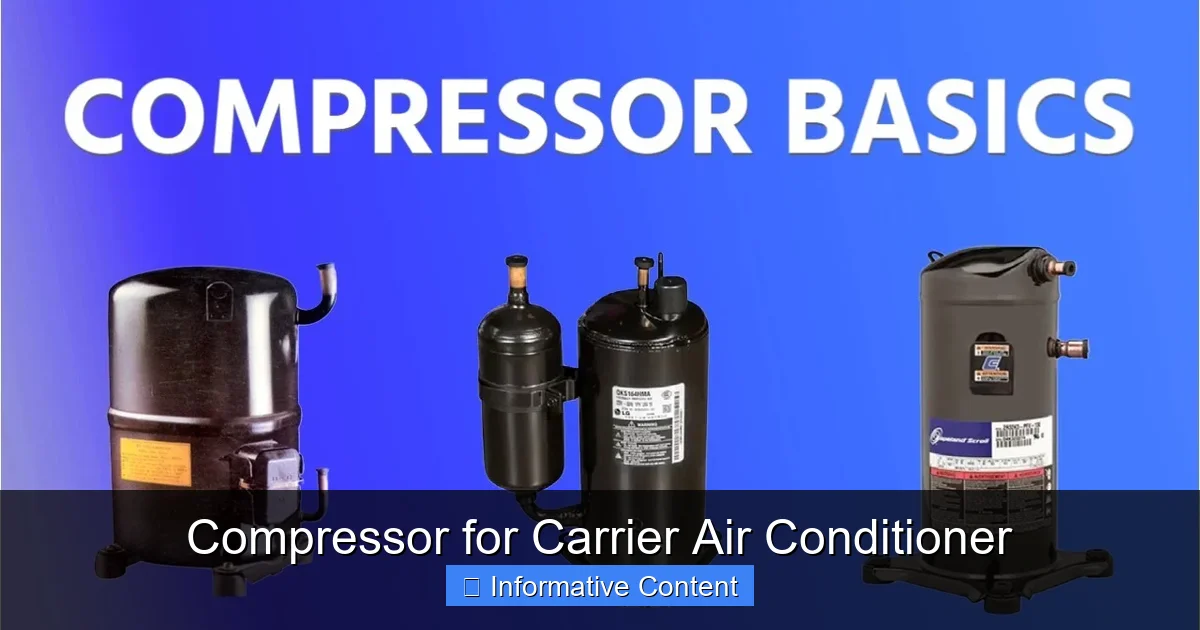
– **Reciprocating Compressors:** These are the traditional piston-driven compressors found in many older Carrier models. They’re reliable and cost-effective but can be noisier and less efficient than newer technologies.
– **Scroll Compressors:** Widely used in modern Carrier units, scroll compressors use two spiral-shaped scrolls—one fixed and one orbiting—to compress refrigerant. They operate more quietly, have fewer moving parts, and offer higher efficiency and longer lifespans.
– **Inverter-Driven Compressors:** Featured in high-end Carrier models like the Infinity series, these compressors adjust their speed based on cooling demand. Instead of turning on and off repeatedly, they run continuously at varying speeds, which improves energy efficiency, reduces temperature fluctuations, and extends equipment life.
Choosing a Carrier air conditioner with an advanced compressor type can significantly impact your comfort and utility bills. For example, an inverter-driven compressor can reduce energy consumption by up to 30% compared to a standard on/off system.
Common Signs of Compressor Failure in Carrier AC Units
Visual guide about Compressor for Carrier Air Conditioner
Image source: i.ytimg.com
Even the most reliable compressors can eventually fail—especially if they’re not properly maintained. Recognizing the early warning signs can save you from a complete system breakdown and costly emergency repairs. Here are the most common symptoms that your Carrier air conditioner’s compressor may be struggling:
Unusual Noises from the Outdoor Unit
If you hear loud clicking, grinding, or clanking sounds coming from your outdoor unit, it could indicate a compressor problem. These noises often occur when the compressor struggles to start or when internal components are damaged. For instance, a failing start capacitor or worn motor bearings can cause the compressor to make a “humming” sound without actually turning on.
It’s important not to ignore these sounds. While some noise is normal during startup, persistent or worsening sounds should prompt a professional inspection. Continuing to run a faulty compressor can lead to overheating, electrical damage, or even a complete burnout.
Warm Air Blowing from Vents
One of the most obvious signs of compressor failure is when your AC runs but doesn’t cool your home. If you notice warm or room-temperature air coming from the vents—even though the system is on—the compressor may not be pressurizing the refrigerant properly. This could be due to a seized compressor, low refrigerant levels, or electrical issues.
Keep in mind that other problems, like a clogged air filter or frozen evaporator coil, can also cause poor cooling. However, if you’ve ruled out these common issues and the problem persists, the compressor should be checked.
Frequent On/Off Cycling
A healthy compressor should run in consistent cycles, typically 10–20 minutes at a time, depending on the temperature and load. If your Carrier unit is turning on and off rapidly—known as “short cycling”—it may be a sign of compressor stress. Short cycling not only reduces comfort but also increases wear on the compressor and other components.
This issue can be caused by several factors, including a malfunctioning thermostat, dirty coils, or a failing compressor that overheats and shuts down prematurely. A technician can diagnose the root cause and recommend repairs.
High Energy Bills
If your electricity bill has suddenly spiked without a change in usage, your compressor might be working harder than it should. A failing compressor often draws more current to overcome internal resistance, leading to increased energy consumption. In some cases, a compressor that’s struggling to start may trip the circuit breaker repeatedly, further signaling an electrical issue.
Monitoring your energy usage and comparing it to previous months can help you spot trends. If your AC is running longer than usual or your bills are rising, it’s time to have your system inspected.
Visible Damage or Leaks
Sometimes, compressor problems are visible. Check the outdoor unit for signs of oil or refrigerant leaks around the compressor housing. A burnt smell or scorch marks near electrical connections could indicate overheating or electrical failure. Additionally, if the compressor casing is cracked or damaged, it may need replacement.
Never attempt to open or repair the compressor yourself. Refrigerant is hazardous, and the system operates under high pressure. Always call a licensed HVAC technician for diagnosis and repair.
Causes of Compressor Failure in Carrier Air Conditioners
Understanding what leads to compressor failure can help you take preventive measures and avoid costly repairs. While compressors are built to last 10–15 years or more, several factors can shorten their lifespan.
Lack of Regular Maintenance
One of the leading causes of compressor failure is neglecting routine maintenance. Over time, dirt and debris can accumulate on the condenser coils, restricting airflow and causing the compressor to overheat. Similarly, clogged air filters reduce airflow through the evaporator coil, leading to ice buildup and increased strain on the system.
Carrier recommends annual professional maintenance, including coil cleaning, refrigerant level checks, and electrical inspections. Homeowners should also change air filters every 1–3 months, depending on usage and filter type.
Refrigerant Issues
Too little or too much refrigerant can wreak havoc on your compressor. Low refrigerant levels—often caused by leaks—force the compressor to work harder to achieve the desired cooling, increasing the risk of overheating and failure. Conversely, overcharging the system with refrigerant can cause liquid slugging, where liquid refrigerant enters the compressor instead of gas, potentially damaging internal components.
Only a certified technician should handle refrigerant. DIY attempts to add refrigerant can lead to improper levels and further damage.
Electrical Problems
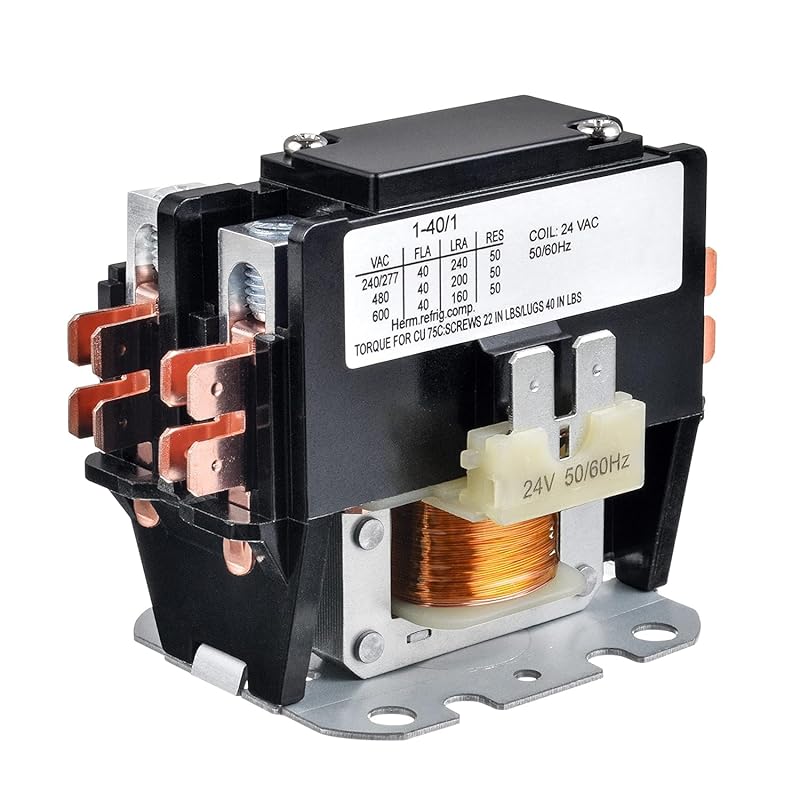
Compressors rely on electrical components like capacitors, contactors, and relays to start and run efficiently. A failing start capacitor, for example, may prevent the compressor from starting, causing it to draw excessive current and trip the breaker. Voltage fluctuations or power surges can also damage the compressor motor over time.
Installing a surge protector or whole-home voltage stabilizer can help protect your Carrier system from electrical damage.
Overheating
Compressors generate heat during operation, but they rely on proper airflow and cooling to dissipate it. If the outdoor unit is obstructed by plants, debris, or snow, airflow is restricted, and the compressor can overheat. Additionally, dirty condenser coils act as insulation, trapping heat and reducing efficiency.
Keep at least two feet of clearance around the outdoor unit and clean the coils annually to ensure proper airflow.
Age and Wear
Even with perfect maintenance, compressors have a finite lifespan. After 10–15 years of service, internal components like valves, seals, and bearings begin to wear out. At this point, the compressor may become less efficient or fail entirely.
If your Carrier unit is over a decade old and experiencing compressor issues, it may be more cost-effective to replace the entire system rather than repair the compressor.
Replacing a Compressor in a Carrier Air Conditioner
When compressor failure occurs, homeowners face a critical decision: repair or replace? In some cases, replacing the compressor is the best option. However, it’s not a DIY job—and it comes with significant costs and considerations.
When to Replace the Compressor
Compressor replacement may be necessary if:
– The compressor is seized or burned out.
– Repairs would cost more than 50% of a new unit.
– The system is over 10 years old.
– There’s a refrigerant leak that can’t be repaired.
In these cases, a licensed HVAC technician will remove the old compressor, install a new one, and recharge the system with the correct type and amount of refrigerant.
Cost of Compressor Replacement
Replacing a compressor in a Carrier air conditioner typically costs between $1,200 and $2,500, including parts and labor. The exact price depends on:
– The model and size of your Carrier unit.
– Whether you choose an OEM (Original Equipment Manufacturer) compressor or a compatible aftermarket part.
– Local labor rates and service fees.
While aftermarket compressors may be cheaper, they often come with shorter warranties and may not meet Carrier’s performance standards. Using non-OEM parts can also void your system’s warranty.
OEM vs. Aftermarket Compressors
Carrier recommends using OEM compressors for replacements to ensure compatibility, reliability, and warranty coverage. OEM parts are designed specifically for your model and undergo rigorous testing. Aftermarket compressors, while sometimes cheaper, may not offer the same efficiency or durability.
Always consult your warranty terms before making a decision. If your system is still under warranty, using non-approved parts could result in denied claims.
Professional Installation Is a Must
Compressor replacement involves handling refrigerants, high-voltage electricity, and pressurized systems—all of which require specialized training and tools. Attempting a DIY replacement can be dangerous and may damage your system further.
A licensed HVAC technician will:
– Recover any remaining refrigerant safely.
– Remove the old compressor and install the new one.
– Evacuate the system to remove moisture and air.
– Recharge with the correct refrigerant.
– Test the system for leaks and performance.
This process ensures your Carrier air conditioner operates safely and efficiently after the repair.
Preventive Maintenance to Protect Your Compressor
The best way to avoid compressor failure is through proactive maintenance. A well-cared-for Carrier air conditioner can last 15–20 years or more, with the compressor running smoothly throughout.
Annual Professional Tune-Ups
Schedule a professional HVAC inspection once a year, preferably in spring before the cooling season begins. During this service, a technician will:
– Clean condenser and evaporator coils.
– Check refrigerant levels.
– Inspect electrical connections and components.
– Test the compressor’s operation and amperage draw.
– Lubricate moving parts (if applicable).
These steps help identify potential issues early and keep your compressor running efficiently.
Change Air Filters Regularly
Dirty air filters restrict airflow, causing the evaporator coil to freeze and the compressor to overwork. Check your filter monthly and replace it every 1–3 months, especially during peak usage.
Keep the Outdoor Unit Clean
Remove leaves, grass, and debris from around the outdoor unit. Trim vegetation to maintain at least two feet of clearance. Use a garden hose to gently clean the condenser coils—never use a pressure washer, as it can damage the fins.
Monitor System Performance
Pay attention to how your AC is running. Note any changes in noise, cooling performance, or energy bills. Early detection of problems can prevent compressor damage.
Consider a Smart Thermostat
Upgrading to a smart thermostat can help optimize your Carrier system’s performance. These devices learn your schedule, adjust temperatures automatically, and can alert you to maintenance needs—helping reduce strain on the compressor.
Conclusion
The compressor is the unsung hero of your Carrier air conditioner, working tirelessly to keep your home cool and comfortable. Understanding its function, recognizing signs of trouble, and practicing preventive maintenance can go a long way in protecting this vital component. While compressor failure can be costly, timely repairs and proper care can extend the life of your system and save you money in the long run.
Whether you’re dealing with a noisy unit, warm air, or high energy bills, don’t ignore the warning signs. Contact a licensed HVAC professional to diagnose and address compressor issues promptly. And remember—when it comes to replacement, always choose quality parts and expert installation to ensure your Carrier air conditioner continues to deliver reliable performance for years to come.
Investing in your compressor today means enjoying cool, efficient comfort tomorrow.
Frequently Asked Questions
How long does a Carrier air conditioner compressor last?
A well-maintained compressor in a Carrier air conditioner can last 10–15 years or more. With proper care, some units even exceed 20 years of service.
Can I replace just the compressor, or do I need a new AC unit?
In many cases, replacing the compressor is possible and cost-effective, especially if the unit is less than 10 years old. However, if the system is outdated or has other major issues, replacing the entire unit may be a better long-term investment.
What causes a Carrier compressor to overheat?
Overheating is often caused by restricted airflow (due to dirty coils or blocked vents), low refrigerant levels, or electrical problems. Regular maintenance helps prevent these issues.
Is it safe to run my AC if the compressor is making noise?
No. Unusual noises like grinding or clanking can indicate serious internal damage. Continuing to run the system may cause further harm. Turn off the AC and call a technician immediately.
Does Carrier offer a warranty on compressors?
Yes, Carrier typically offers a 5- to 10-year warranty on compressors, depending on the model and registration. Check your specific unit’s warranty terms for details.
Can I install a compressor myself?
No. Compressor replacement involves handling refrigerants and high-voltage systems, which require EPA certification and professional tools. Always hire a licensed HVAC technician.