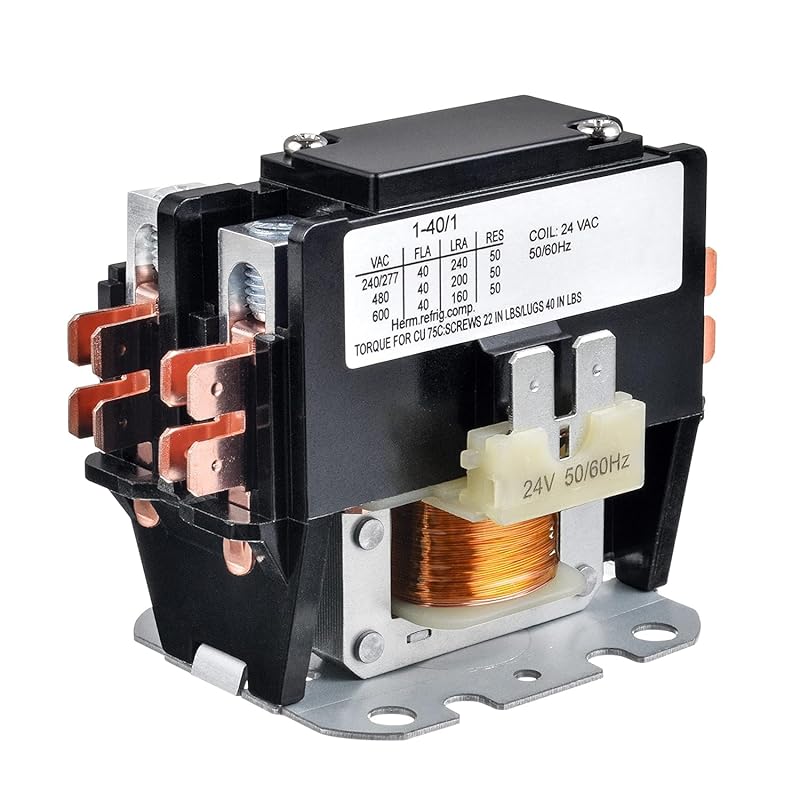
Carrier air conditioner fault code 82 typically indicates an issue with the compressor or internal system communication. This error often stems from electrical problems, sensor malfunctions, or refrigerant concerns. While some causes can be resolved with basic checks, others require professional diagnosis to prevent further damage.
Key Takeaways
- Code 82 usually relates to compressor or control board issues: The fault often points to problems with the compressor’s operation, power supply, or communication between system components.
- Safety is your top priority: Always turn off power before inspecting any electrical components to avoid shock hazards.
- Common causes include low voltage, faulty sensors, or wiring issues: Electrical inconsistencies, temperature sensor failures, or loose connections frequently trigger this code.
- Refrigerant levels may play a role: Improper refrigerant charge can cause the system to enter protection mode and display fault code 82.
- Professional diagnosis is recommended: While basic checks are safe, complex repairs should be handled by certified technicians familiar with Carrier systems.
- Regular maintenance prevents many issues: Scheduled servicing helps identify potential problems before they lead to fault codes like 82.
- Document error patterns: Note when the code appears (during startup, running, etc.) as this helps technicians diagnose accurately.
Quick Answers to Common Questions
What does carrier air conditioner fault code 82 mean?
Carrier fault code 82 typically indicates an issue with the compressor circuit, control board communication, or electrical irregularities. This error appears when your system’s brain detects abnormal operation that could damage components or compromise safety.
Can I fix fault code 82 myself?
Basic troubleshooting like checking power connections and verifying thermostat settings is safe for homeowners. More complex electrical or refrigerant-related issues require professional expertise to ensure safety and proper resolution.
How often does fault code 82 appear on Carrier systems?
This code appears infrequently and only when specific conditions occur. It’s not a common error but rather indicates serious issues that need prompt attention to prevent further damage.
Does fault code 82 always mean compressor failure?
No, while compressor problems are a frequent cause, fault code 82 can also stem from electrical issues, sensor malfunctions, or refrigerant system abnormalities. Proper diagnosis is essential to identify the actual source.
Will resetting my Carrier unit clear fault code 82 permanently?
Sometimes a simple reset clears temporary glitches, but if the underlying problem persists, the code will reappear. Permanent resolution requires addressing the root cause rather than just clearing the error message.
📑 Table of Contents
Understanding Carrier Air Conditioner Fault Code 82
When your Carrier air conditioning system starts displaying fault code 82, it’s natural to feel concerned about your home’s comfort and the unit’s reliability. This specific error message serves as your system’s way of communicating that something isn’t operating within normal parameters. Rather than panicking, understanding what this code means and how to approach it can save you time, money, and frustration.
The Carrier brand has built a reputation for quality heating and cooling equipment, but even the most reliable systems occasionally encounter issues that trigger diagnostic codes. Fault code 82 is one such indicator that your AC unit needs attention, but the good news is that many causes are identifiable and fixable with the right information and approach.
What makes this code particularly interesting is how it relates to multiple potential system issues rather than pointing to a single, straightforward problem. This complexity means you’ll need to methodically work through possible causes, starting with the simplest explanations before moving to more involved diagnostics.
The Importance of Diagnostic Codes in Modern HVAC Systems
Modern Carrier air conditioners are sophisticated pieces of technology equipped with advanced control systems that monitor performance around the clock. When something goes wrong, these systems don’t just stop working—they actively communicate what’s happening through fault codes. This proactive approach allows both homeowners and technicians to identify issues quickly rather than waiting until a complete breakdown occurs.
Fault code 82 specifically relates to the compressor circuit or control system communication. Your Carrier unit’s brain—the control board—is monitoring various parameters including voltage, current flow, and component status. When it detects an anomaly that could potentially damage the system or indicate a serious problem, it displays code 82 as a protective measure.
This intelligent design represents a significant advancement over older systems that would simply fail without warning. Today’s Carrier units essentially give you advance notice when intervention is needed, allowing you to schedule repairs during convenient times rather than dealing with emergency service calls.
Common Causes of Carrier Fault Code 82
Visual guide about Carrier Air Conditioner Fault Code 82
Image source: i.ytimg.com
Before diving into troubleshooting steps, it’s helpful to understand the most frequent triggers for fault code 82 on Carrier systems. This knowledge can help you anticipate what might be causing the issue and prepare accordingly.
Electrical Issues and Voltage Problems
One of the primary reasons for carrier air conditioner fault code 82 involves electrical irregularities. The compressor requires precise voltage levels to operate safely and efficiently. When the incoming power fluctuates outside acceptable ranges, the system’s protection mechanisms engage and display code 82.
Low voltage conditions are particularly problematic because they force the compressor to work harder to achieve the same cooling output, which can lead to overheating and premature wear. Similarly, high voltage situations can overwhelm components and create unsafe operating conditions. Your Carrier system monitors these electrical parameters continuously, and significant deviations trigger fault code 82 as a safety measure.
Wiring issues also fall under this category. Loose connections, corroded terminals, or damaged wires can interrupt proper current flow, confusing the control system and causing it to interpret the irregularity as a serious fault.
Compressor-Related Problems
Since fault code 82 specifically relates to the compressor circuit, issues directly affecting this critical component are frequent culprits. Compressor failure doesn’t always mean the entire unit needs replacement—many problems can be resolved with targeted repairs or component replacements.
Internal mechanical problems within the compressor, such as seized bearings or worn valves, can cause abnormal operation that the control system detects and flags with code 82. Similarly, if the compressor’s start capacitor fails, it may not provide adequate starting torque, leading to excessive current draw that triggers the fault code.
Over time, compressors naturally lose efficiency and may develop electrical issues that aren’t immediately visible. These gradual degradation processes often manifest as fault codes rather than sudden failures, giving you advance warning that intervention is needed.
Sensor and Control Board Malfunctions
Your Carrier air conditioner relies on numerous sensors to monitor temperature, pressure, and operational status throughout the system. When one of these sensors provides inaccurate readings due to dirt accumulation, physical damage, or internal failure, it can confuse the control board and trigger fault code 82.
The control board itself is another potential source of problems. As with any electronic device, control boards can experience component failures, memory corruption, or software glitches that cause incorrect interpretations of system data. In some cases, a simple reset can resolve temporary control board errors that were misinterpreting normal operations.
Additionally, refrigerant-related issues often tie back to sensor problems. Low refrigerant levels can cause abnormally high pressures that sensors detect as dangerous conditions, while overcharged systems may show lower-than-normal pressures that also trigger protective responses.
How to Diagnose Carrier Fault Code 82
Visual guide about Carrier Air Conditioner Fault Code 82
Image source: i.pinimg.com
Approaching the diagnosis of carrier air conditioner fault code 82 requires a systematic method that prioritizes safety and logical progression. Rather than randomly testing components, following a structured troubleshooting process increases your chances of identifying the actual problem efficiently.
Safety First: Preparing for Diagnosis
Before examining any components of your Carrier air conditioning system, ensure you’ve taken proper safety precautions. Turn off power to the unit at the main breaker panel and verify that electricity is completely disconnected using a non-contact voltage tester. Working on live electrical systems poses serious risks, so never skip this critical step.
Once power is confirmed off, allow the system to sit for several minutes to ensure any residual electrical charge dissipates. This waiting period is especially important if the unit has recently been running, as capacitors can retain dangerous voltages even after power is cut.
Gather the necessary tools before beginning your inspection: multimeter, screwdrivers appropriate for your unit’s fasteners, and any documentation specific to your Carrier model. Having everything ready minimizes the time spent searching for items and reduces the chance of missing steps in your diagnostic process.
Initial System Checks
With safety established, begin with basic visual inspections that require no specialized tools. Examine the outdoor unit for obvious signs of damage, debris accumulation, or unusual sounds coming from the compressor area. Check all wire connections for tightness and signs of corrosion or burning.
Next, verify the thermostat settings are appropriate and functioning correctly. Sometimes fault codes appear because the system is attempting to run in an impossible configuration—such as trying to cool when the indoor temperature is already below the setpoint. Confirm your thermostat is calling for cooling and the temperature differential settings are reasonable.
Check the circuit breaker for your AC unit to ensure it hasn’t tripped. If it has, determine why before resetting it. A repeatedly tripping breaker often indicates an underlying electrical problem that needs addressing beyond simply resetting the breaker.
Advanced Diagnostic Techniques
For more detailed diagnosis, you’ll need a digital multimeter capable of measuring voltage, resistance, and continuity. Start by checking incoming voltage at the disconnect switch or terminal box. Compare your readings to the specifications listed on the unit’s data plate—typically 208-230V for standard residential units.
If voltage appears normal, examine the control board for any visible damage, burnt components, or error indicators other than code 82. Some Carrier models display additional status lights or messages that provide clues about the nature of the problem.
Testing individual components becomes necessary when initial checks don’t reveal obvious issues. Begin with the compressor’s start capacitor, as this is a common failure point that’s relatively easy to test. A simple capacitance test can determine if the capacitor is holding its rated value or has degraded over time.
Continuity tests on motor windings and other electrical components follow next, though these require careful interpretation of results based on your specific Carrier model’s specifications.
Troubleshooting Steps for Carrier Fault Code 82
Once you’ve gathered enough information from your initial assessment, you can begin working through specific troubleshooting procedures tailored to the symptoms you’ve observed. Remember that carrier air conditioner fault code 82 can have multiple root causes, so systematic elimination is key.
Voltage and Power Supply Verification
Begin troubleshooting by thoroughly checking your home’s electrical supply. Use your multimeter to measure voltage at the main panel and again at the AC unit’s disconnect switch. Significant differences between these readings suggest wiring or connection problems in the service entrance.
Compare your measured voltage against the unit’s nameplate specifications. Most residential Carrier units operate optimally within ±10% of their rated voltage. Readings substantially outside this range warrant investigation into possible causes before proceeding with other troubleshooting steps.
If voltage measurements appear normal but code 82 persists, examine the control board’s power input terminals. Loose connections here can create intermittent contact that the system interprets as unstable operation. Tighten any loose terminals and clean corrosion from contacts with appropriate electronic contact cleaner.
Compressor Circuit Inspection
The compressor circuit deserves special attention since fault code 82 primarily relates to compressor operation. Begin by visually inspecting the compressor’s electrical connections, including the contactor coil terminals and the compressor’s own connection points.
Test the compressor’s start capacitor according to manufacturer specifications. Replace any capacitor that shows signs of bulging, leaking electrolyte, or fails the capacitance test. Even if the capacitor appears physically intact, degraded performance can cause the compressor to draw excessive current, triggering fault code 82.
For sealed compressor units, testing internal windings isn’t practical without specialized equipment. In such cases, voltage measurements across the compressor terminals during operation (with proper safety precautions) can indicate whether the compressor is receiving adequate starting voltage.
Sensor and Control System Evaluation
Temperature and pressure sensors play crucial roles in your Carrier system’s operation. Dirty or damaged sensors can provide false readings that confuse the control system. Carefully inspect outdoor ambient temperature sensors and any pressure transducers connected to the refrigeration circuit.
If sensors appear clean and undamaged, their electrical characteristics can be tested with a multimeter. Compare resistance values against specifications for your specific model and ambient temperature. Significant deviations suggest sensor replacement may be necessary.
Control board issues often require more advanced diagnosis. Some Carrier models allow for board resets through specific button sequences or jumper manipulations described in the technical manual. However, replacing a suspected faulty control board without confirming it’s actually the source of the problem can waste time and money.
Refrigerant System Assessment
While refrigerant-related issues don’t always directly cause fault code 82, they can contribute to conditions that trigger the error. Check for signs of refrigerant leaks, such as oil stains around connection points or unusual hissing sounds from the refrigeration circuit.
If you suspect low refrigerant levels, note that this typically indicates a leak that needs repair before recharging. Adding refrigerant without fixing the underlying leak creates a temporary solution that won’t last and can damage the compressor over time.
For systems with service ports accessible for pressure measurement, comparing actual pressures to saturation tables for the current outdoor temperature can indicate whether refrigerant charge levels are appropriate. Abnormal pressures may explain why the system is displaying fault code 82.
When to Call a Professional Technician
While many homeowners can perform basic diagnostic checks and minor repairs on their Carrier air conditioning systems, certain situations clearly indicate the need for professional assistance. Recognizing when to call a technician prevents unnecessary DIY attempts that could worsen the problem or create safety hazards.
Complex Electrical Issues
Electrical problems involving the main service panel, transformer, or extensive wiring modifications require licensed electrician expertise. These professionals have specialized training and tools for safely working with higher-voltage systems that exceed the capacity of typical household multimeters and basic electrical knowledge.
Similarly, if your diagnosis leads you to suspect issues with the control board or main power distribution components, contacting a qualified HVAC technician is advisable. Attempting repairs on high-voltage control circuits without proper training and equipment poses significant electrocution risks.
Compressor Replacement Considerations
Replacing a compressor in a Carrier air conditioning system is rarely a DIY project. This procedure requires specialized tools for handling refrigerants, evacuating the system, and ensuring proper oil management. Improper compressor installation can void warranties and lead to immediate system failure.
Even determining whether a compressor has failed requires specialized equipment and expertise. Some compressor failures produce subtle symptoms that aren’t apparent through basic visual inspection or simple electrical tests. Certified technicians use diagnostic instruments that can measure actual compressor performance characteristics beyond what standard multimeters can provide.
Refrigerant Service Requirements
Any work involving refrigerant requires certification under Section 608 of the Clean Air Act. This federal regulation prohibits untrained individuals from handling refrigerants, regardless of the quantity involved. Technicians certified under this program have the training, equipment, and knowledge to properly recover, recycle, and reclaim refrigerants while minimizing environmental impact.
Attempting to recharge a system without proper certification and recovery equipment can result in fines and contributes to ozone depletion. Additionally, improper handling of refrigerants can damage the environment and create health hazards for anyone exposed to released substances.
Persistent Fault Codes After Basic Troubleshooting
If you’ve performed thorough initial checks and basic troubleshooting without success, it’s time to call a professional. Continuing to work on a Carrier air conditioner that continues displaying fault code 82 after reasonable efforts suggests a complex issue beyond typical homeowner capabilities.
Technicians arrive prepared with comprehensive diagnostic tools and extensive experience with various Carrier models. They can quickly identify patterns and relationships between different system parameters that might escape notice during isolated component testing. Their ability to correlate multiple data points accelerates the diagnostic process significantly.
Preventing Future Carrier Fault Code 82 Occurrences
While you can’t guarantee your Carrier air conditioner will never display fault code 82, implementing preventive maintenance practices dramatically reduces the likelihood of encountering this and other error codes. Regular care keeps your system operating efficiently and helps identify developing issues before they trigger fault conditions.
Scheduled Maintenance Benefits
Professional HVAC maintenance visits typically include comprehensive inspections that check all components likely to affect system reliability. During these appointments, technicians clean coils, check electrical connections, verify refrigerant levels, and assess overall system performance. This proactive approach addresses minor issues before they escalate into major problems requiring expensive repairs.
Many Carrier dealers offer maintenance agreements that include seasonal tune-ups and priority scheduling for service calls. These programs often provide additional benefits such as extended warranty coverage, energy savings reports, and reminders for upcoming maintenance needs.
Consistent maintenance also helps establish baseline performance metrics for your specific unit. Over time, technicians can compare current readings to previous years’ data, making it easier to spot developing trends that might eventually trigger fault codes like 82.
Environmental Protection Measures
Physical barriers between your Carrier outdoor unit and the elements can significantly extend its lifespan and reduce stress on components. Installing a simple cover during harsh winter months protects the unit from snow accumulation, ice formation, and debris that can obstruct airflow or damage moving parts.
Keeping vegetation trimmed away from the condenser unit ensures unimpeded airflow, which helps maintain optimal operating temperatures. Poor airflow forces the compressor to work harder, increasing the risk of overheating and triggering protection features that display fault codes.
Cleaning the outdoor unit annually removes accumulated leaves, dirt, and grass clippings that can insulate the condenser coils and reduce heat rejection efficiency. This simple task can improve system performance by several degrees and reduce strain on components that might otherwise lead to fault conditions.
Electrical System Health
Voltage fluctuations and electrical noise from your home’s power supply can negatively impact Carrier air conditioner operation. Installing whole-house surge protection helps shield sensitive electronics from transient voltage spikes that can damage control boards and other components.
If your area experiences frequent brownouts or voltage dips, consider consulting an electrician about installing voltage regulation equipment. Stabilizing the incoming power reduces stress on your AC unit’s components and can prevent nuisance fault codes related to power quality issues.
Periodic tightening of electrical connections, especially those subject to vibration from compressor cycling, maintains reliable contact and prevents overheating at connection points. This simple practice addresses a common cause of electrical faults that can trigger carrier air conditioner fault code 82.
Monitoring System Performance
Modern Carrier units often integrate with smart thermostats or home automation systems that provide real-time performance data. Monitoring these metrics helps you detect developing issues before they trigger fault codes. For example, noticing unusually high compressor runtime percentages compared to historical norms might indicate a developing problem worth investigating.
Keeping a simple log of unusual sounds, odors, or performance changes helps establish patterns that can guide maintenance focus. Noticing that fault code 82 appears consistently during hot summer afternoons, for instance, might suggest voltage-related issues rather than component failures.
If your Carrier system supports remote monitoring through mobile apps or web interfaces, take advantage of these features to receive alerts about operational anomalies. Early warnings enable timely intervention before problems escalate into situations requiring emergency service.
Frequently Asked Questions
Is carrier air conditioner fault code 82 dangerous?
This fault code indicates potential system issues that could lead to component damage if ignored. While not an immediate safety hazard, it signals problems that should be addressed promptly to prevent more serious failures.
How much does it cost to fix carrier air conditioner fault code 82?
Repair costs vary significantly depending on the cause. Simple fixes like tightening connections may cost under $100, while compressor or control board replacements can exceed $1,500 including parts and labor.
Can dirty filters cause fault code 82 on carrier units?
Extremely dirty filters typically cause reduced airflow and efficiency issues rather than triggering specific fault codes. However, severely restricted airflow can contribute to conditions that indirectly lead to code 82 in rare cases.
Why does my carrier unit keep showing fault code 82 after I reset it?
Repeated appearance of code 82 after resetting indicates the underlying problem wasn’t resolved. The system detects the same abnormal condition each time, prompting the protective fault code until the root cause is addressed.
Can weather affect carrier air conditioner fault code 82?
Extreme temperatures can influence system operation, but shouldn’t directly cause fault code 82. However, severe weather conditions might exacerbate existing issues like electrical problems or refrigerant leaks that could trigger the code.
How long should I wait before calling a technician for fault code 82?
If basic troubleshooting doesn’t resolve the issue within 24 hours of discovery, contact a professional. Persistent code 82 suggests serious problems that benefit from expert diagnosis to prevent further damage to your system.