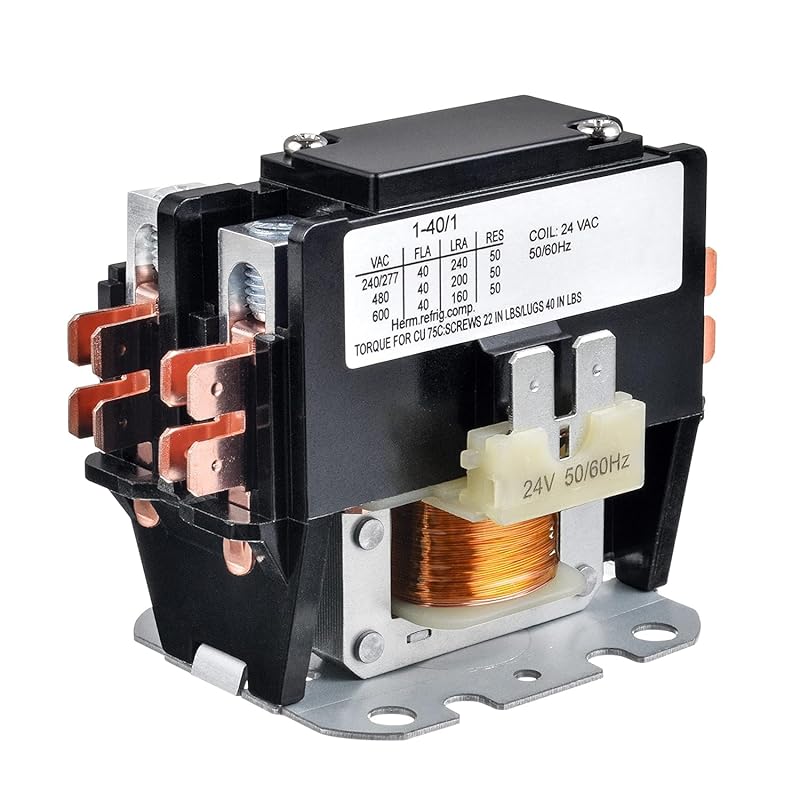
Your Carrier AC fan isn’t spinning—don’t sweat it. This guide walks you through simple steps to diagnose and fix the issue, from checking power to inspecting the motor or capacitor. Most fan problems are fixable at home with basic tools and a bit of patience.
Key Takeaways
- Power supply issues: A tripped breaker, loose wiring, or dead circuit can prevent the fan from starting.
- Dirty or blocked components: Dust buildup on blades or obstructions near the fan can stop rotation.
- Worn-out motor or capacitor: These parts often fail over time and need replacement.
- Belt-driven systems may slip: If your unit uses a belt, check for wear or misalignment.
- Safety first: Always turn off power before inspecting internal parts.
- Professional help is smart: Complex electrical or refrigerant issues require certified technicians.
Quick Answers to Common Questions
Why does my Carrier AC fan run but blow warm air?
That indicates the cooling function failed—likely due to low refrigerant, a faulty compressor, or a frozen coil—not the fan itself. Check thermostat settings and inspect filters first.
Can I replace the fan motor myself?
Only if you’re comfortable with basic electrical work. Disconnect power, remove screws, swap the motor, and reconnect wires. If unsure, hire a technician to avoid injury or further damage.
How often should I clean my AC fan?
At least once every three months during heavy use. Monthly checks are ideal if you have pets or live in dusty areas.
Will a dirty filter stop the fan?
Not directly, but extreme blockage can trigger safety shutoffs or strain the motor until it overheats and stops. Always maintain clean filters.
My fan clicks but doesn’t spin—what’s wrong?
This classic symptom means the capacitor failed. It provided initial torque to start the motor but lost charge. Replacement usually solves it.
📑 Table of Contents
- Why Is My Carrier Air Conditioner Fan Not Running?
- Common Reasons Why Your Carrier AC Fan Stops Working
- Step-by-Step Troubleshooting Guide
- When Should You Call a Professional?
- Preventative Maintenance Tips
- Understanding Carrier AC Models and Their Fans
- Energy Efficiency and Fan Performance
- Environmental Considerations
Why Is My Carrier Air Conditioner Fan Not Running?
If your Carrier air conditioner suddenly stops blowing cool air—or worse, makes no noise at all—it’s likely because the fan isn’t running. The fan is a vital part of your HVAC system: it circulates chilled air throughout your home and helps remove heat from the condenser coils. When it fails, your whole comfort plan grinds to a halt.
Don’t panic. Most fan-related issues have straightforward solutions, especially if they’re caught early. Whether you’re dealing with a silent unit in the middle of summer or a rattling machine that won’t start, understanding what could be wrong gives you the power to act fast. In this article, we’ll walk you through everything you need to know about diagnosing and fixing a Carrier AC fan that won’t run—without calling a pro (yet).
Common Reasons Why Your Carrier AC Fan Stops Working
Before diving into repairs, let’s cover the most frequent culprits behind a non-functional fan. These aren’t just guesses—they’re based on real-world HVAC diagnostics and user experiences.
Visual guide about Carrier Air Conditioner Fan Not Running
Image source: cdn.pixabay.com
1. Power Supply Problems
The simplest explanation is also the most overlooked: your AC might simply not be getting electricity. Check your circuit breaker panel first. A tripped breaker is one of the top reasons why appliances stop working. Look for any switches that are flipped halfway between “on” and “off.” If one is tripped, flip it back—but only after ensuring there’s no obvious overload (like too many high-wattage devices running simultaneously).
Next, inspect the power cord and connections. Loose wires or frayed cords can interrupt flow. For window units, make sure the plug is fully seated in the outlet. For central systems, check if other outlets on the same circuit are working.
2. Thermostat Settings Misconfigured
Sometimes the issue isn’t mechanical—it’s operational. Double-check your thermostat settings. Is it set to “cool” mode? Is the temperature dialed lower than the current room temp? If not, the fan won’t activate because the system doesn’t detect a need to cool.
Also, verify whether the fan-only setting (often labeled “Fan On”) is selected. This setting keeps the fan running continuously, even without cooling demand. If you accidentally switched to “Auto,” the fan only runs when the compressor kicks in—which might seem like it’s broken if the compressor itself isn’t working.
3. Clogged or Damaged Fan Blades
Dust, debris, or pet hair can accumulate around the fan blades, creating resistance that prevents rotation. Over time, this buildup can also warp blades slightly, throwing off balance and causing vibrations or complete lockup.
For window units, removing the front panel usually exposes the fan easily. Central systems may require accessing the outdoor or indoor unit—again, only after power is off. Gently clean the blades with a damp cloth and mild detergent. Avoid spraying water directly into electrical components.
4. Faulty Capacitor or Motor Failure
This is where things get technical—but don’t worry, we’ll keep it simple. Every AC fan has a capacitor that provides extra power to kickstart the motor. After years of use, capacitors dry out and lose effectiveness. You’ll notice this if the fan hums but doesn’t spin, or starts slowly and then stalls.
MOTOR failure is rarer but possible. Signs include burning smells, excessive heat around the motor housing, or visible damage. Replacing either component requires some electrical knowledge—and always, ALWAYS disconnect power first.
5. Belt-Driven System Issues (Older Models)
Some older Carrier models use belts to transfer motion from the motor to the fan. If the belt snaps or slips, the fan won’t turn. Inspect the belt visually—look for cracks, fraying, or looseness. Tension adjustments might solve minor slippage, but a worn belt should be replaced entirely.
6. Frozen Evaporator Coils Blocking Airflow
In humid climates or when filters are clogged, moisture can freeze on evaporator coils inside your indoor unit. This ice buildup restricts airflow, making the fan work harder until it finally stalls. Thaw the coils using warm (not hot!) water and replace dirty filters immediately afterward.
Step-by-Step Troubleshooting Guide
Now that you understand potential causes, here’s how to methodically test each possibility. Remember: safety comes first!
Step 1: Turn Off Power
Locate your main electrical panel or unplug the unit. For central AC, switch off the breaker labeled “HVAC” or similar. Wait 5 minutes—this lets residual charge drain from capacitors, reducing shock risk.
Step 2: Inspect Visible Components
- Check fan blades for dirt or obstructions.
- Examine belts (if applicable) for wear.
- Look for signs of rodent damage, corrosion, or burnt wires.
Step 3: Test Electrical Connections
Use a multimeter to confirm voltage reaches the fan motor terminals. If there’s power but the fan still won’t run, the problem is likely internal (motor/capacitor).
Step 4: Clean Thoroughly
Remove dust from coils, fins, and blades. Use compressed air for hard-to-reach areas. Never use high-pressure hoses—water can seep into circuits.
Step 5: Replace Filters
A dirty air filter increases load on the entire system, including the fan. Swap it out every 1–3 months, depending on usage and pet presence.
Step 6: Reset the Unit
After cleaning/replacing parts, restore power and wait 10 minutes. Sometimes a full reset resolves lingering glitches.
When Should You Call a Professional?
While DIY fixes solve 80% of fan issues, certain red flags demand expert attention:
- Burning smells or sparks: Could indicate wiring faults or motor burnout.
- Loud grinding noises: Suggests bearing failure or blade collision.
- Refrigerant leaks: Requires EPA-certified handling due to environmental regulations.
- Repeated failures: Points to underlying design flaws needing system evaluation.
Carrier recommends scheduling annual maintenance with a licensed technician. They perform thorough inspections, lubricate moving parts, and catch small problems before they cascade.
Preventative Maintenance Tips
Keep your Carrier AC fan running smoothly year-round with these habits:
- Monthly filter checks: Replace or wash reusable filters promptly.
- Quarterly coil cleaning: Use fin combs to straighten bent aluminum fins.
- Annual professional tune-ups: Ideal timing is spring before peak cooling season.
- Keep surroundings clear: Trim shrubs under outdoor units; avoid placing furniture blocking vents.
- Monitor unusual sounds: Address squeals, buzzes, or rattles immediately.
Pro tip: Keep a maintenance log noting filter changes, cleaning dates, and any performance issues. This helps spot patterns and informs warranty claims.
Understanding Carrier AC Models and Their Fans
Carrier manufactures both residential and commercial units, each with unique fan configurations. Window units typically feature single-speed fans housed behind removable panels. Central systems may use variable-speed blowers controlled by thermostats.
Knowing your model number helps identify compatible replacement parts. You’ll find it printed on a label inside the access panel or on the original paperwork. Common series include Performance™, Infinity®, and Comfort Series®. Each has slightly different troubleshooting steps, so consult your manual—but most share core principles outlined above.
Modern Carrier units often include smart features like Wi-Fi connectivity and remote diagnostics. If yours supports these, download the Carrier app to monitor alerts or schedule service remotely.
Energy Efficiency and Fan Performance
A well-functioning fan isn’t just about comfort—it impacts energy bills too. When fans operate inefficiently due to clogs or misalignment, the compressor works overtime, consuming more power. Regular cleaning can reduce energy use by up to 15%, according to Energy Star estimates.
Variable-speed motors (found in newer models) adjust fan speed based on demand, saving energy during mild weather. If your old unit lacks this feature, upgrading may yield long-term savings despite upfront costs.
Environmental Considerations
Proper AC maintenance reduces carbon footprint by minimizing waste and optimizing efficiency. Discard old filters responsibly—many recycling programs accept them. Never pour refrigerants down drains; always use certified recovery services.
Consider eco-friendly alternatives like programmable thermostats or ceiling fans to supplement cooling needs. Even small changes add up over time.
Frequently Asked Questions
Is it safe to clean my AC fan while it’s running?
No. Always shut off and unplug the unit before touching any internal components. Moving blades pose serious injury risks, and water near electricity is dangerous.
How do I know if my capacitor is bad?
If the fan hums loudly but spins very slowly or not at all, the capacitor likely needs replacing. Swollen or leaking caps are obvious visual signs too.
Can low refrigerant cause the fan to stop?
Indirectly yes. Low refrigerant leads to ice formation on coils, which blocks airflow and overworks the fan until it shuts down to protect itself.
What if my fan works sometimes but not others?
Intermittent operation suggests loose wiring, failing capacitor, or thermostat sensor issues. Tighten connections and consider professional diagnosis for recurring problems.
Should I buy OEM or aftermarket parts for my Carrier AC?
OEM (Original Equipment Manufacturer) parts ensure compatibility and warranty validity. Aftermarket options may save money but carry higher risk of defects or improper fit.
How long do AC fan motors typically last?
With proper care, most last 10–15 years. Harsh environments, poor maintenance, or frequent cycling shorten lifespan significantly.