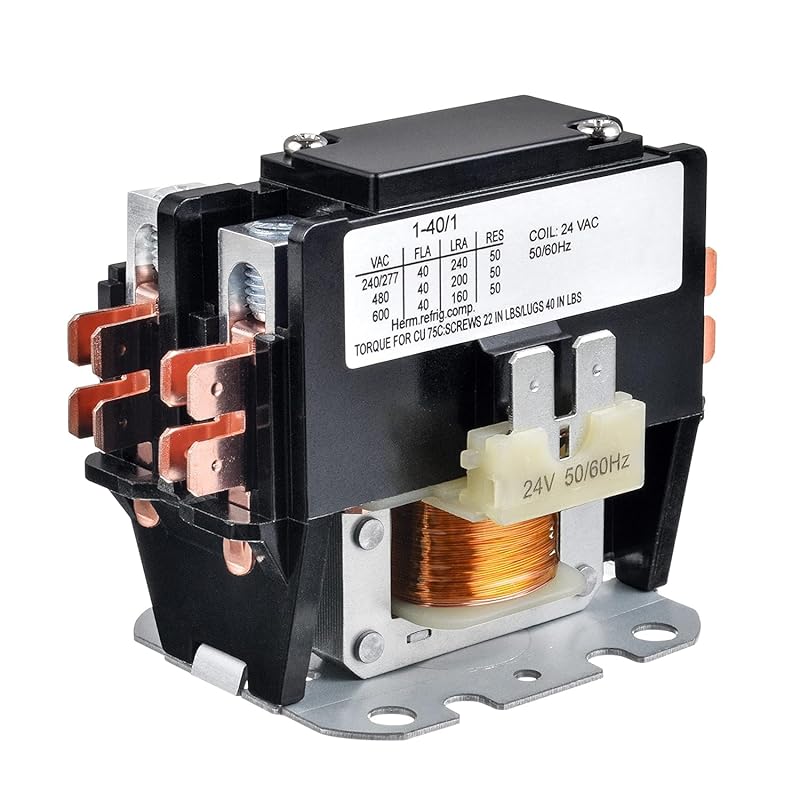
Your Carrier air conditioner fan isn’t spinning—don’t sweat it. This common issue can stem from simple causes like a dirty filter or a tripped breaker. With the right tools and a little know-how, you can often fix it yourself in under an hour. In this guide, we’ll walk you through every step of diagnosing and repairing a non-spinning fan, so your AC runs quietly and efficiently again.
Key Takeaways
- Power supply issues: Check if your circuit breaker has tripped or if the unit is receiving electricity before diving into mechanical problems.
- Belt drive failure: Many older Carrier models use belts; wear, breakage, or misalignment can prevent the fan from turning.
- Motor problems: The fan motor may be seized due to lack of lubrication, age, or internal damage requiring replacement.
- Ductwork blockages: Dust, debris, or ice buildup near the evaporator coil can physically stop the fan blade from rotating.
- Capacitor defects: A failing start capacitor can leave the fan motor without enough torque to begin spinning.
- Thermostat signals: Ensure the thermostat is calling for cooling and that settings haven’t accidentally been changed.
- Professional help: If basic checks don’t work, contact a certified HVAC technician to avoid further damage.
Quick Answers to Common Questions
Can I replace my Carrier AC fan motor myself?
Yes, if you’re comfortable with basic electrical work and have the right tools. However, newer models use integrated blower assemblies that require partial disassembly. Always disconnect power and consult your owner’s manual or a technician if unsure.
How long should a Carrier AC fan last?
Most fan motors are designed to last 10–15 years with proper care. Belt-driven systems may need belt replacements every 5–7 years. Direct-drive motors often outlast the unit itself due to fewer moving parts.
Why does my fan spin slowly or inconsistently?
This often points to a failing capacitor, dirty air filter, or worn motor brushes. Start with a clean filter and test the capacitor. Slow speeds can also indicate voltage drops from undersized wiring.
Is it safe to manually spin the fan blade?
Only after turning off power and waiting 10+ minutes. Manually rotating the blades helps identify if the motor is seized or if debris is blocking rotation. Never force it—if it won’t turn easily, stop immediately.
What if my fan spins but blows hot air?
This suggests a different problem—possibly reversed refrigerant flow (check valve failure) or a malfunctioning reversing valve in heat pump models. The fan may operate normally, but the refrigeration cycle is compromised.
📑 Table of Contents
Why Is My Carrier Air Conditioner Fan Not Spinning?
Picture this: It’s 90 degrees outside, your house feels like a sauna, and your Carrier air conditioner kicks on—but instead of blowing cool air, nothing comes out. You hear a hum or maybe even silence, but no airflow. That’s a red flag that your carrier air conditioner fan not spinning is more than just an inconvenience—it’s a sign something inside isn’t working right. Most modern Carrier units rely on a central blower fan (also called an evaporator fan) to push cooled air through your ducts. When that fan stops spinning, your entire cooling system grinds to a halt.
This article walks you through everything you need to know about diagnosing and fixing a non-spinning fan in your Carrier AC unit. Whether you’re a DIY enthusiast or just want to understand what a technician might check, we’ve got clear, step-by-step guidance. We’ll cover everything from power supply glitches to worn-out motors, and even when it’s time to call in the pros. By the end, you’ll feel confident tackling the most common causes of fan failure—and know exactly how to keep your home cool and comfortable all summer long.
Understanding Your Carrier AC Fan System
Before we dive into repairs, let’s get familiar with how your Carrier air conditioner works. At the heart of every split-system or central AC unit is the indoor blower assembly. This includes the fan motor, fan blades, belt (on older models), and sometimes a capacitor. When your thermostat calls for cooling, refrigerant flows through the evaporator coil, absorbing heat from indoor air. The blower fan then pulls warm air across those cold coils and pushes the chilled air into your living spaces.
Visual guide about Carrier Air Conditioner Fan Not Spinning
Image source: img.5tu.cn
The Role of the Blower Fan
The blower fan does more than just move air—it controls how efficiently your AC removes heat. If the fan isn’t spinning at full speed or stops altogether, the coil can get too cold, leading to ice buildup or reduced cooling performance. On Carrier models built after 2000, many use direct-drive blowers with brushless DC motors, which are quieter and more reliable than older belt-driven systems. But regardless of design, if the fan isn’t turning, your whole system becomes ineffective.
Common Signs of Fan Failure
- No airflow: You turn on the AC, but rooms stay warm or only get lukewarm air.
- Strange noises: Grinding, squealing, or buzzing sounds often indicate motor trouble or loose parts.
- Unit cycles on/off: Frequent short cycling may happen because the system senses blocked airflow.
- Warm return air: Check vents—if they’re blowing warm air, the fan likely isn’t pushing anything through.
Troubleshooting Steps: Diagnosing the Issue
So your Carrier air conditioner fan not spinning—where do you start? Don’t panic. Begin with these simple checks before opening up panels or touching electrical components. Safety first: always turn off power at the breaker and wait 10 minutes for capacitors to discharge.

Visual guide about Carrier Air Conditioner Fan Not Spinning
Image source: kariera.castorama.pl
Step 1: Verify Power Supply
First, confirm your unit is getting electricity. Flip the disconnect switch (usually near the outdoor unit) and check the circuit breaker panel. If the breaker trips immediately, there could be a short circuit or ground fault inside the unit. If it holds, use a multimeter to test voltage at the contactor terminals. No power? Check for loose wires, blown fuses, or tripped breakers. Sometimes neighbors sharing the same transformer can cause brownouts that affect individual units.
Step 2: Inspect the Thermostat Settings
It sounds obvious, but double-check your thermostat. Is it set to “cool” mode? Is the temperature lower than room temp? Some smart thermostats have energy-saving modes that delay fan operation. Also, look for error codes or low battery warnings—weak batteries can disrupt communication between the thermostat and the AC system.
Step 3: Listen for Sounds
Turn the unit back on briefly (with power off first) and listen closely. Do you hear the compressor kick in? What about the blower motor humming? If it hums but doesn’t spin, the issue is likely mechanical or electrical (like a bad capacitor). If there’s no sound at all, the motor might be dead or disconnected.
Common Causes and How to Fix Them
Now that you’ve ruled out power and settings, let’s explore the most frequent culprits behind a carrier air conditioner fan not spinning. Each has its own symptoms and repair path.
Belt Drive Problems (Older Models)
If your Carrier unit is from the 1980s or early 1990s, chances are it uses a pulley and belt system to transfer motion from the motor to the fan wheel. Over time, belts stretch, crack, or snap completely. You’ll notice a loud clunking or grinding noise when the system starts. To fix this:
- Shut off power and remove the access panel.
- Inspect the belt for cracks, fraying, or looseness.
- Replace the belt with an OEM-spec replacement (Carrier recommends genuine parts for compatibility).
- Adjust tension using the motor bracket if needed.
Pro tip: Clean dust from the motor shaft and pulley grooves while you’re in there—dirt buildup can cause uneven wear.
Seized or Stuck Motor
Motors can seize due to age, lack of lubrication, or overheating. Older motors have oil ports where you can add lubricant—check your manual. Newer direct-drive motors aren’t serviceable, so if yours is stuck, replacement is usually necessary. Signs include resistance when trying to manually rotate the fan blades (with power off!).
Capacitor Failure
The run capacitor gives the motor an initial boost to start spinning. When it fails, the motor may hum loudly but won’t turn. Capacitors are small cylindrical components near the motor. Use a multimeter to test capacitance (should match rating stamped on the capacitor). If it reads zero or significantly lower than rated, replace it. Always disconnect power before handling capacitors—they store dangerous charges!
Clogged Air Filter or Duct Blockage
A dirty filter restricts airflow, causing the fan to work harder until it stalls. More importantly, excessive dust can accumulate around the evaporator coil, creating a physical barrier that prevents the fan blade from moving freely. Replace your pleated filter monthly during peak usage. For deep cleaning, vacuum around the coil gently—but never spray water directly into the unit.
Ice Buildup on Evaporator Coil
When the coil gets too cold (due to restricted airflow or low refrigerant), moisture freezes on it. This thick layer of ice acts like armor, blocking the fan. Turn off the AC and let it defrost naturally—never use a hairdryer or open flames! Once thawed, clean the filter and ensure proper airflow. If this keeps happening, there’s likely an underlying issue like a refrigerant leak or faulty blower speed control.
When to Call a Professional
While many fan issues are DIY-friendly, some situations demand expert intervention. Consider calling a licensed HVAC technician if:
- You detect refrigerant leaks (hissing sounds, oily residue on pipes).
- The motor is internally damaged and needs replacement.
- Electrical components show burn marks or melted wiring.
- You’re uncomfortable working with live circuits or refrigerants.
Certified technicians have specialized tools like manifold gauges to test pressure, infrared thermometers to read temperatures accurately, and access to manufacturer-specific diagnostics. Plus, they can perform safety inspections that prevent future failures. Most importantly, they’ll give you a warranty-backed repair that lasts.
Preventative Maintenance Tips
Prevention is always cheaper than cure. Follow these habits to keep your Carrier air conditioner fan running smoothly:
- Monthly filter changes: Use high-MERV filters only if compatible with your system—too dense a filter can restrict airflow.
- Annual professional tune-up: Technicians clean coils, inspect belts/motors, and calibrate controls.
- Keep outdoor unit clear: Trim vegetation, remove leaves, and hose off fins gently once a season.
- Monitor unusual sounds: Early detection saves money.
- Check ductwork seals: Leaky ducts waste energy and reduce fan efficiency.
Conclusion: Stay Cool and Confident
Dealing with a carrier air conditioner fan not spinning doesn’t mean you’ve lost your cool—literally or figuratively. Armed with this guide, you now know how to diagnose the problem, tackle common fixes safely, and decide when it’s time to bring in help. From checking breakers to replacing capacitors, each step brings you closer to restored comfort. Remember: regular maintenance is your best defense against unexpected breakdowns. And if you ever doubt your ability to handle an issue, don’t hesitate to call a pro. After all, staying cool shouldn’t come at the cost of stress or risk.
Frequently Asked Questions
What should I do if my Carrier AC fan makes a loud humming noise?
Humming usually means the motor is receiving power but can’t overcome inertia—often due to a failed start capacitor or mechanical binding. Turn off the unit, inspect the capacitor, and check for obstructions around the fan housing.
Can a dirty air filter cause the fan to stop spinning?
Not directly, but extreme restriction can trigger safety switches or overload relays that shut down the system. Always replace clogged filters—they improve airflow and reduce strain on the motor.
How often should I lubricate my AC motor?
Only on older models with oil ports. Modern sealed motors require no lubrication. If your unit is over 10 years old and uses grease fittings, lubricate annually using SAE 20W oil—but consult your manual first.
Will a tripped breaker fix my fan issue?
A tripped breaker indicates an electrical fault, not the root cause. Reset it cautiously—if it trips again immediately, there’s likely a short circuit or ground fault inside the unit that needs professional attention.
Can weather affect my AC fan’s performance?
Extreme heat can reduce motor efficiency slightly, but modern units are designed for high ambient temps. However, heavy rain or snow blocking the outdoor unit’s air intake can indirectly stress the system and contribute to fan strain.
Is it worth repairing an old Carrier AC instead of replacing it?
If the unit is over 10–15 years old and requires major component replacements, investing in a new ENERGY STAR model may save money long-term. Newer systems offer better efficiency, quieter operation, and smart features—plus extended warranties.