Is your Carrier air conditioner fan loud during startup? This common issue can stem from loose parts, dust buildup, or motor problems. While often fixable with simple steps, persistent noise may signal deeper issues. We’ll walk you through causes, quick checks, and solutions—plus when it’s time to call in an expert.
If you’ve ever flipped the switch on your Carrier air conditioner and been greeted by a loud, rattling, or squealing fan during startup, you’re not alone. Many homeowners hear that initial burst of noise as the unit powers up—but what if it’s louder than usual or keeps happening every time? While some startup sounds are normal, excessive or persistent noise from your Carrier AC fan can indicate underlying issues. In this guide, we’ll explore why your Carrier air conditioner fan makes noise at start-up, how to diagnose the problem safely, and practical steps to resolve it—so you can enjoy quiet, efficient cooling again.
Carrier air conditioners are known for their reliability and performance, but like any mechanical system, they require maintenance and occasional troubleshooting. The fan is one of the most critical components, responsible for circulating cool air throughout your home. When it starts making unusual noises—especially during the moment of activation—it’s worth investigating. Early detection can prevent bigger problems down the line, save on repair costs, and extend your unit’s lifespan.
This article dives deep into the common reasons behind noisy fan startups, offers step-by-step diagnostic tips, and provides solutions you can try yourself. We’ll also cover when it’s time to call a professional. Whether you’re hearing a high-pitched whine, a metallic clatter, or a rhythmic hum, understanding the source of the sound is the first step toward a quieter, more comfortable home.
Key Takeaways
- Dust and debris are leading causes of noisy fan startups in Carrier AC units. A quick cleaning can silence the rattle.
- Loose screws or components often vibrate loudly when the fan kicks on. Check and tighten key mounting points.
- Belt-driven fans may squeal if the belt is worn or misaligned. Inspect for wear and proper tension.
- Motor bearings can wear out over time, causing grinding or whining sounds. Lubrication or replacement may be needed.
- Fan blades hitting guards creates a banging noise. Ensure blades clear obstructions and aren’t warped.
- Thermostat or capacitor issues might delay fan startup, leading to unusual noises as components engage.
- When in doubt, consult a licensed HVAC technician—especially for electrical or refrigerant concerns.
Quick Answers to Common Questions
Why does my Carrier AC fan make noise only when starting up?
Startup noises often occur because components are cold and stiff, or because dust/debris hasn’t moved yet. As parts warm up and settle, the noise usually stops—unless there’s an underlying issue like a loose belt or dirty blades.
Can I fix a noisy fan myself?
Yes, many common causes—like dust buildup or loose screws—are DIY-friendly. Always turn off power first. For electrical components like capacitors or motors, it’s safer to call a pro unless you’re experienced.
Is squealing at startup normal?
A brief squeak during startup is common in belt-driven systems as the belt stretches slightly. But if it lasts longer than 5–10 seconds or happens consistently, the belt likely needs replacement.
How often should I clean my AC fan?
At least twice a year—once before cooling season and once after. Homes with pets or allergies benefit from monthly filter changes and light fan cleaning.
What does a grinding noise mean?
Grinding usually means metal parts are rubbing together, often due to worn bearings or a damaged motor. This requires professional diagnosis—don’t run the unit if you hear this sound.
📑 Table of Contents
Why Does My Carrier Air Conditioner Fan Make Noise at Startup?
The first thing to understand is that not all startup noises mean something’s wrong. Some Carrier models produce a brief, soft click or hum as the compressor and fan engage—this is normal. However, if your fan emits loud bangs, squeals, rattles, or grinding sounds when turned on, it’s likely due to one of several mechanical or environmental factors.
One of the most frequent causes is **accumulated dust or debris** inside the fan housing. Over time, dirt, pet hair, leaves, or even small insects can get lodged in the fan blades or around the motor area. When the fan spins for the first time after being idle, these foreign particles create friction or imbalance, resulting in a scraping or rattling noise. For example, a single leaf pressed against a spinning blade might produce a sharp “thump” each time the fan cycles on.
Another common culprit is **loose hardware**. Vibrations from daily operation can cause screws, bolts, or brackets to loosen slightly. When the fan turns on, these loose parts begin vibrating rapidly, creating a buzzing or shaking sound. This is especially true in older units or those installed on unlevel surfaces.
Belt-driven systems, which were more common in older Carrier models, are prone to **belt-related noises**. If the drive belt is old, dry, or misaligned, it can emit a high-pitched squeal during startup as it stretches or slips. Similarly, if the belt tension is too tight or too loose, it may cause irregular noises until the fan reaches full speed.
Finally, **motor bearing wear** or **capacitor issues** can lead to unusual sounds. The capacitor helps power the fan motor during startup; if it’s failing, the motor may struggle, producing a whirring or grinding noise. Worn bearings in the motor itself can also generate a low rumble or gritty sound as the shaft rotates.
Common Noises and What They Mean
Understanding the type of noise your Carrier AC fan makes can help pinpoint the issue. Here’s a breakdown of common startup sounds and their potential causes:
1. Squealing or Screeching
A high-pitched squeal often points to a **worn or loose belt**, especially in older models with belt-driven blower motors. The sound occurs because the belt rubs against pulleys unevenly during startup. Another possibility is a **dirty or misaligned pulley**, which increases friction. You might also hear this if the **fan motor shaft is dry** and needs lubrication.
Visual guide about Carrier Air Conditioner Fan Noisy at Start Up
Image source: i.ytimg.com
2. Rattling or Clanking
This is typically caused by **loose screws, panels, or internal components**. As the fan spins, vibrations shake these loose parts, creating a rattling effect. It could also be due to **debris caught between fan blades and the guard**, causing them to bump together. For instance, a small piece of plastic or a twig might get stuck and strike the housing with each rotation.
3. Grinding or Humming
A grinding noise usually indicates **bearing failure** or **motor trouble**. Bearings support the fan shaft and allow smooth rotation. When they wear out, metal-on-metal contact produces a gritty sound. A humming noise that doesn’t fade after a few seconds may suggest an **electrical issue**, such as a failing capacitor or shorted windings in the motor.
4. Banging or Thumping
This abrupt sound often results from **fan blades striking the housing** or **uneven airflow resistance**. It could also happen if **blades are warped** or **mounted incorrectly**. Imagine a slightly bent blade catching air awkwardly—each rotation causes a thump. Additionally, if the **blower wheel is unbalanced**, it may bang against the ductwork.
5. Whistling or Hissing
While hissing is more commonly linked to **refrigerant leaks**, a whistling noise during startup might indicate **air leaks in the ductwork** near the fan assembly. As the fan pushes air, it passes through gaps or loose joints, creating a wind-like whistle. This is less about the fan itself and more about airflow dynamics.
By listening carefully and noting the timing (e.g., only at startup, after warmup), you can narrow down the source. Most of these issues are fixable without replacing major parts—but safety comes first.
How to Diagnose the Problem Safely
Before opening up your Carrier AC unit, always turn off the power at the breaker box. Working with electricity is dangerous, and HVAC systems involve high-voltage components. Once powered down, perform these safe diagnostic steps:
Step 1: Listen Closely
Use a flashlight to inspect the outdoor condenser unit and indoor blower compartment. Turn the power back on briefly (just long enough to hear the fan) and listen for specific sounds. Is it loudest at startup? Does it change once the fan reaches full speed? This helps determine if the noise is transient or continuous.

Visual guide about Carrier Air Conditioner Fan Noisy at Start Up
Image source: images.pexels.com
Step 2: Check for Obvious Obstructions
Remove the access panel (usually on the side of the indoor unit). Look inside for dust, lint, or foreign objects near the fan blades. Use a vacuum with a brush attachment to gently clean the area. Be careful not to touch moving parts while the power is on.
Step 3: Inspect Screws and Fasteners
Tighten any visibly loose screws on the fan housing, motor mount, or blower cage. Use a screwdriver or wrench appropriate for your model. Don’t overtighten—snug is enough to eliminate vibration.
Step 4: Examine the Belt (if applicable)
In belt-driven systems, check the condition of the drive belt. Look for cracks, fraying, or signs of slipping. Spin the fan manually (with power off) to see if it moves freely. If the belt feels stiff or squeaks when touched, it may need replacement.
Step 5: Test the Capacitor
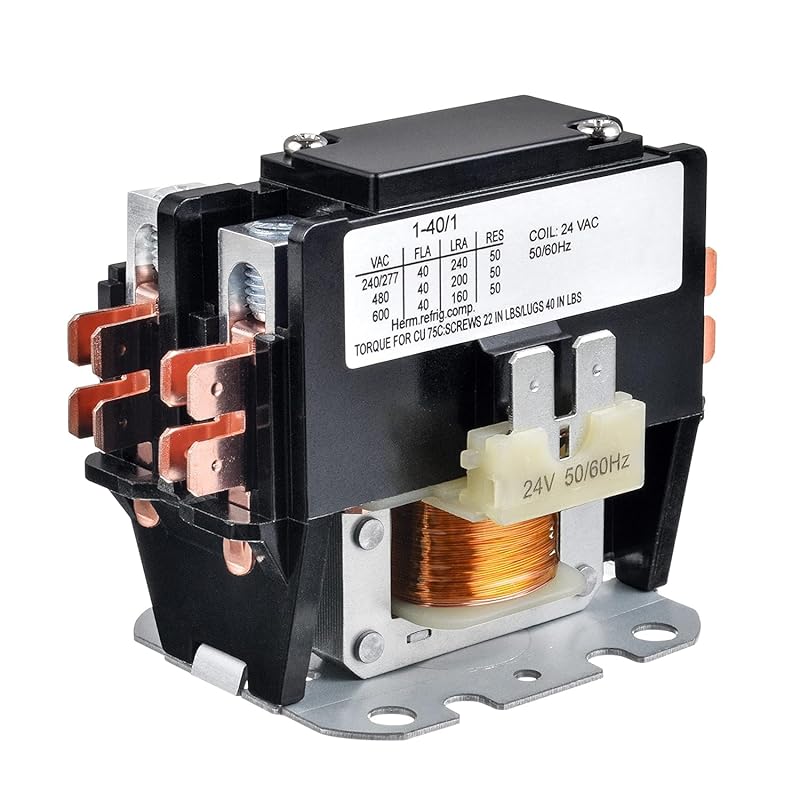
The capacitor stores energy to kickstart the fan motor. If it’s bulging, leaking, or smells burnt, replace it. Use a multimeter to test capacitance if you’re comfortable—or skip to Step 6 and let a pro handle it.
These steps won’t fix every issue, but they’ll often reveal simple solutions. If you’re unsure or uncomfortable working inside the unit, move to the next section.
DIY Fixes for Noisy Carrier AC Fans
Many startup noises from Carrier air conditioner fans can be resolved with basic tools and a little elbow grease. Here are practical, step-by-step fixes based on common causes:
Clean the Fan Blades and Housing
Dust buildup is the #1 cause of rattling noises. Power off the unit, remove the front panel, and use a vacuum with a crevice tool to suck out debris from the fan area. For stubborn grime, wipe blades with a damp cloth—never spray water directly into the unit. Let everything dry completely before reassembling.
Tighten Loose Components
After cleaning, double-check all screws, bolts, and clips. Pay special attention to the motor mounting bracket and fan cage. A simple torque adjustment can silence vibrations instantly. If screws are stripped, replace them with ones of the same size.
Lubricate Motor Bearings (if accessible)
Some Carrier models have serviceable bearings. Locate the motor shaft and apply a few drops of lightweight machine oil (not WD-40) to the shaft or bearing housing. Avoid over-lubricating—too much oil attracts dust and causes gunk buildup.
Replace a Worn Belt
If your unit uses a belt, measure the current one and buy a replacement of the same length and width. Adjust the tension so there’s about ½ inch of deflection when pressed midway. Misalignment can cause rubbing and noise.
Balance the Fan Wheel
An unbalanced blower wheel creates a wobbling motion and noise. Mark one blade, then rotate the wheel slowly. Note where the mark aligns repeatedly—this indicates imbalance. Add or remove small weights (often included with new fans) to balance it.
Always refer to your Carrier owner’s manual for model-specific guidance. Some newer units have sealed motors that aren’t user-serviceable, so lubrication isn’t recommended.
When to Call a Professional
While DIY fixes work for many issues, certain noises signal deeper problems best handled by a licensed HVAC technician. Seek professional help if you notice:
– **Grinding or metal-on-metal sounds**, which suggest bearing or motor failure.
– **Burning smells** or visible damage near electrical connections.
– **Frequent tripping of circuit breakers** after startup.
– **No improvement** after cleaning and tightening.
– **Refrigerant-related noises** like hissing, which could indicate a leak.
Professional technicians have diagnostic tools to test capacitors, compressors, and airflow. They can also inspect ductwork for blockages affecting fan performance. Plus, they carry insurance in case of accidental damage.
Regular maintenance—such as annual tune-ups—can prevent many startup issues. A qualified Carrier dealer can clean coils, check refrigerant levels, and ensure all components are functioning smoothly.
Preventive Maintenance Tips
Avoid future noise problems by adopting a simple maintenance routine:
– **Change air filters monthly** during peak cooling season. Clogged filters increase fan workload and strain.
– **Schedule biannual HVAC inspections**—once in spring, once in fall.
– **Keep outdoor unit clear** of grass, leaves, and debris to prevent airflow restrictions.
– **Install a smart thermostat** to reduce frequent cycling, which stresses the fan motor.
– **Use a surge protector** to safeguard against power spikes that damage capacitors.
These habits keep your Carrier AC running quietly and efficiently for years.
Frequently Asked Questions
How do I stop my Carrier AC fan from making noise at startup?
Start by turning off the power and inspecting for dust, loose screws, or debris. Clean the fan blades and housing, then tighten all fasteners. If the noise persists, check the belt (if applicable) or consult a technician for motor or capacitor issues.
Can a dirty filter cause fan noise?
Yes. A clogged air filter restricts airflow, forcing the fan to work harder and potentially causing vibrations or unusual sounds. Replace your filter every 1–3 months depending on usage and pet presence.
Is it safe to open the AC unit myself?
Only if you’re familiar with electrical systems. Otherwise, avoid opening internal components. Always disconnect power at the breaker before touching anything inside the unit.
Why does my fan rattle but work fine otherwise?
Rattling often comes from loose parts or trapped debris. Tighten screws and remove any foreign objects near the fan. If the rattle stops after these steps, no further action is needed.
Should I replace my fan motor if it’s noisy?
Not necessarily. Start with cleaning and lubrication (if accessible). If the motor still grinds or hums constantly, replacement may be necessary—but have a technician confirm the diagnosis first.
How can I prevent future fan noise?
Maintain regular cleaning, change filters monthly, schedule annual HVAC tune-ups, and keep the outdoor unit free of debris. These practices reduce strain on the fan and prevent common noise sources.