Why is My AC Freezing Up? Top Reasons Explained
Why is My AC Freezing Up?
Air conditioners cool our homes. They help us feel comfortable. But sometimes, they freeze up. This can be a big problem. In this article, we will explore why this happens. We will also discuss what you can do about it.
For up‑to‑date energy‑saving guidelines, see the U.S. Department of Energy recommendations on proper AC operation. Regular maintenance, such as the steps outlined in our seasonal air conditioning maintenance tips, can dramatically reduce freeze‑ups.
What Does It Mean When AC Freezes Up?
When we say an air conditioner is freezing up, we mean ice forms on the unit. This can happen inside or outside the air conditioner. Ice can block airflow. This makes the AC work harder. A frozen AC can lead to more problems. It can even break the unit.
In practice, the ice usually starts on the evaporator coil where refrigerant absorbs heat; once a thin layer forms, it insulates the coil and accelerates further freezing. Understanding this cycle helps you spot early warning signs before the unit shuts down.
Common Reasons for AC Freezing Up
There are many reasons why your AC might freeze up. Here are some of the most common:
Low Refrigerant Levels
Dirty Air Filters
Blocked Vents
Faulty Thermostat
Poor Airflow
High Humidity
Beyond the six primary causes listed below, issues such as an oversized system, a malfunctioning blower motor, or a clogged condensate drain can also trigger ice formation. A quick visual inspection of the drain line during routine checks often reveals hidden blockages.
1. Low Refrigerant Levels
Refrigerant is the fluid that cools the air. If there is not enough refrigerant, the AC will freeze. Low levels can happen due to leaks. You need a technician to fix leaks.
A common mistake is topping off refrigerant without locating the leak; the system will simply lose charge again and the freeze‑up will recur. Certified technicians use electronic leak detectors and pressure tests to pinpoint the exact source before recharging.
2. Dirty Air Filters
Air filters clean the air. If they get dirty, they block airflow. This can cause the AC to freeze. It is important to change air filters regularly.
In practice, a filter that looks only mildly dirty can already restrict airflow enough to drop coil temperature below freezing. Replacing filters every 30‑45 days during peak season is a low‑cost habit that prevents most freeze‑ups.
3. Blocked Vents
Vents let cool air flow into your home. If vents are blocked, the AC works too hard. This can lead to freezing. Make sure no furniture blocks the vents.
Furniture, curtains, or even stacked boxes can inadvertently close off supply registers; the resulting pressure imbalance forces the evaporator to run colder than designed. Walk the room layout each season to confirm every vent has at least 12 inches of clear space.
4. Faulty Thermostat
The thermostat controls the AC. If it is broken or not set right, it can cause freezing. A faulty thermostat may not read the temperature correctly.
A thermostat calibrated even a degree or two low can keep the compressor running longer than necessary, especially in humid climates where the coil stays wet. Verifying calibration with a separate room thermometer is a quick sanity check.
5. Poor Airflow
Good airflow is key to a well-working AC. If the airflow is poor, the unit can freeze. Make sure ducts are clear and not damaged.
Duct leaks, crushed flexible duct, or an undersized return plenum all reduce the volume of air crossing the coil. A duct‑blower test performed during annual maintenance quantifies airflow loss and guides targeted sealing.
6. High Humidity
High humidity can cause the AC to freeze. The unit needs to remove moisture from the air. If it cannot, ice can form. This is common in very humid weather.
When outdoor dew points exceed 70 °F, the evaporator can't shed moisture fast enough, and ice builds up even with proper airflow. Running a whole‑house dehumidifier or setting the AC to a slightly higher temperature reduces the latent load.

Frozen evaporator coil showing ice accumulation
https://www.youtube.com/watch?v=stZs8Co80vk
How to Diagnose a Frozen AC
Before calling a technician, you can perform a few safe checks: verify that the thermostat is set to “cool” and the fan is on “auto,” listen for the compressor cycling, and feel the suction line for excessive cold. If the suction line is frosted while the compressor runs, the issue is likely airflow or refrigerant related. Documenting these observations helps the service visit go faster. For related symptoms, see our guide on how to troubleshoot warm‑air issues and review condenser troubleshooting steps.
Signs Your AC is Freezing Up
How can you tell if your AC is freezing? Here are some signs to watch for:
Ice on the AC unit
Weak airflow from vents
Unusual noises from the AC
High energy bills
Warm air blowing out
These symptoms often appear gradually; a sudden spike in electricity usage combined with weak airflow is a strong indicator that the coil has already iced over. Tracking monthly energy bills can give you an early warning before comfort is lost.
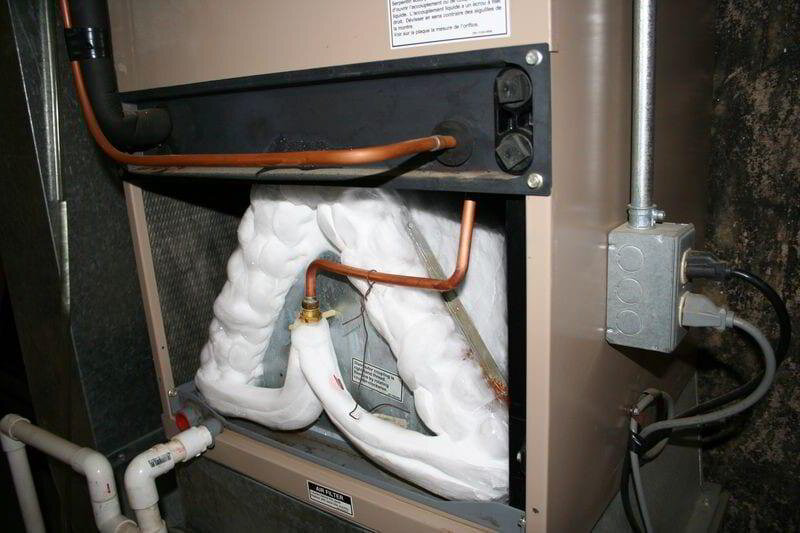
Close‑up of ice on evaporator coil
When DIY Fixes Aren't Enough
If the unit refreezes after you’ve thawed it, cleaned the filter, and cleared the vents, the root cause is likely a refrigerant leak, a failing blower motor, or a control board fault. These components require specialized tools and EPA‑certified handling; attempting a repair yourself can void warranties and pose safety risks. Scheduling a professional diagnostic ensures the correct part is replaced the first time. Learn more about selecting the right system for your home in our article on how to choose the right air conditioner.
What to Do If Your AC Freezes Up
If you notice these signs, do not panic. Here are some steps you can take:
Turn Off the AC: First, turn off the unit. Let it thaw for a few hours.
Check the Filters: Look at the air filters. If they are dirty, change them.
Inspect Vents: Make sure vents are open and clear.
Check for Ice: Look for ice on the unit. If you see ice, let it melt.
Call a Professional: If the problem continues, call an HVAC technician.
Schedule a professional inspection today to avoid repeat freeze‑ups.
When to Call for Help
Sometimes, problems are too big to handle alone. Here are times when you should call for help:
If you see a lot of ice
If your AC keeps freezing
If you notice strange noises
If you suspect a refrigerant leak
Seasonal Maintenance Checklist
- Spring: clean or replace filters, clear debris from outdoor unit, verify refrigerant pressure.
- Summer: monitor airflow, check condensate drain for clogs, adjust thermostat settings for humidity control.
- Fall: inspect ductwork for leaks, test thermostat calibration, schedule professional tune‑up.
- Winter (if heat pump): ensure defrost cycle operates, protect outdoor coil from ice buildup.
Following a structured checklist aligns with energy‑efficient thermostat settings and the EPA indoor air quality guidance for a healthier home. For a step‑by‑step installation reference, consult our proper AC installation guide.
Preventing Your AC From Freezing Up
It is better to prevent problems than to fix them. Here are some tips to help keep your AC running well:
Change air filters every month.
Keep vents clear of furniture.
Schedule regular maintenance with a professional.
Check refrigerant levels yearly.
Keep humidity levels in check.
Frequently Asked Questions
Why does my AC freeze up at night?
Nighttime temperatures drop, reducing the heat load on the evaporator; if airflow is already limited, the coil can dip below freezing and accumulate ice.
Can a dirty evaporator coil cause freezing?
Yes, dust and grime insulate the coil, lowering its surface temperature and promoting ice formation even when refrigerant levels are correct.
How often should I replace my air filter to prevent freezing?
Replace standard 1‑inch filters every 30‑45 days during cooling season; high‑efficiency filters may last 60‑90 days but should be inspected monthly.
Is it safe to run the AC with ice on the coils?
Running a frozen unit can damage the compressor and other components; always turn the system off and allow the ice to melt before restarting.
What temperature should I set my thermostat to avoid freezing?
Setting the thermostat between 72 °F and 78 °F (22 °C‑26 °C) balances comfort and coil temperature, reducing freeze risk in most climates.
When should I call an HVAC professional for a frozen AC?
If the unit refreezes after basic troubleshooting, you hear unusual hissing, or you suspect a refrigerant leak, contact a certified technician promptly.
Conclusion
Your air conditioner is important for comfort. If it freezes up, it can cause problems. Understanding the causes helps you prevent issues. Remember to check filters and vents. If problems continue, don’t hesitate to call a professional. A little care can keep your AC running smoothly.