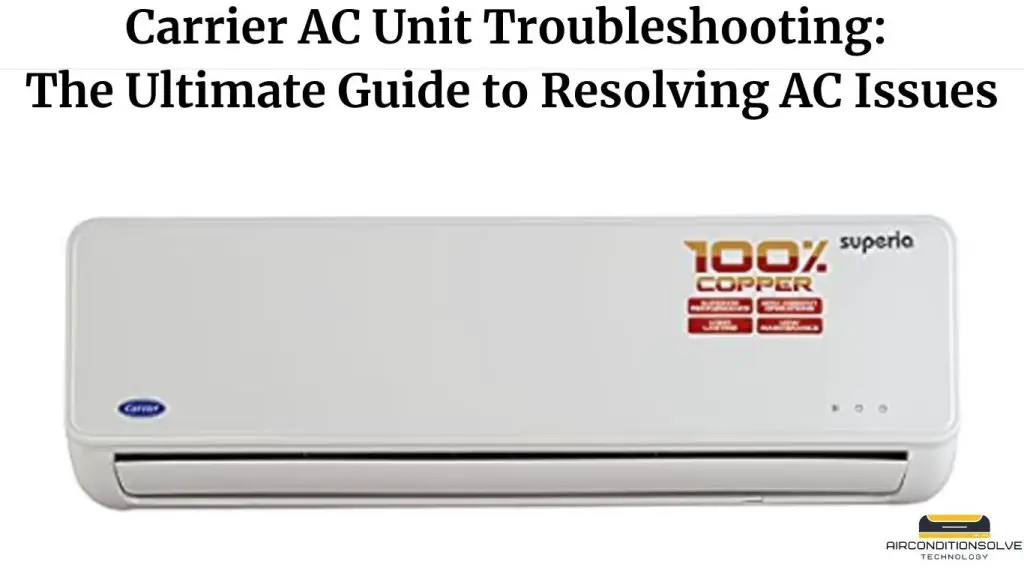
Understanding Air Conditioning Vent Hose
Air conditioning is important for keeping us cool. It helps us feel comfortable. But how does it work? One key part is the vent hose. Let's learn more about it.
What is an Air Conditioning Vent Hose?
An air conditioning vent hose is a tube. It connects the air conditioner to the outside. This hose helps to move hot air outside. It also brings cool air inside. Without it, the air conditioner cannot work well.
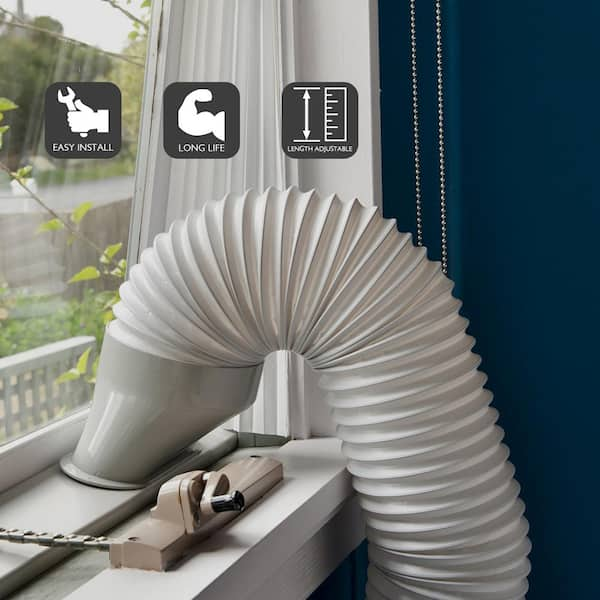
A typical flexible vent hose on a portable air conditioner, shown with a window venting kit installed.
https://www.youtube.com/watch?v=1jYEIw86yRU
Why is the Vent Hose Important?
The vent hose has many important jobs:
It helps remove hot air.
It allows cool air to enter.
It keeps the room comfortable.
It helps the air conditioner run better.
Without a good vent hose, the air conditioner can fail. This can make the room hot and uncomfortable.
How the Vent Hose Affects Energy Efficiency
A properly sized and sealed vent hose directly impacts your cooling costs. When hot exhaust air leaks back into the room, the compressor runs longer cycles to reach the setpoint, raising electricity use. In practice, a 10 % leakage rate can increase portable-AC power draw by roughly 15–20 % because the unit effectively re-cools its own exhaust. Insulating the hose with a foil-faced wrap reduces radiant heat gain through the hose wall, which is especially valuable when the hose runs through unconditioned space such as an attic or garage. For whole-home systems, the U.S. Department of Energy notes that sealing and insulating ducts can improve cooling efficiency by up to 20 % (energy.gov).
Types of Air Conditioning Vent Hoses
There are different types of vent hoses. Each type has its own use:
1. Portable Air Conditioner Vent Hose
This type is used with portable air conditioners. It is flexible. You can move it easily. It connects to a window or a wall. It helps remove hot air from the room.
2. Central Air Conditioning Vent Hose
This type is used in central air systems. It is bigger and more fixed. It runs through walls and ceilings. It brings cool air to all rooms in the house.
3. Ductless Air Conditioning Vent Hose
This type connects to ductless systems. It is smaller and more flexible. It connects the indoor and outdoor units. It helps move air between them.
Quick Comparison Table
| Feature | Portable AC Hose | Central AC Ductwork | Ductless Mini-Split Line Set |
|---|---|---|---|
| Typical diameter | 5–6 in (125–150 mm) | 6–18 in (150–450 mm) | 3/8 & 5/8 in (refrigerant) + 5/8 in (drain) |
| Material | Polypropylene / PVC flex | Galvanized steel, flex duct, fiberglass board | Copper refrigerant lines + insulated drain |
| Insulation | Optional sleeve | Required (R-6 to R-8) | Factory-insulated line set |
| Max recommended length | 5–7 ft (1.5–2 m) | Designed per Manual D | 15–50 ft (5–15 m) typical |
| Installation skill | DIY-friendly | Professional (Manual D/J) | Professional (flare/brazing) |
| Common failure mode | Cracks, kinks, disconnects | Leaks at seams, crushed flex | Refrigerant leaks, drain clogs |
Use this table to match the hose or line set to your equipment type and avoid undersizing.
How to Choose the Right Vent Hose
Choosing the right vent hose is important. Here are some tips to help:
Check the size. Make sure it fits your air conditioner.
Look for quality. A good hose lasts longer.
Consider the length. It should reach the outside easily.
Think about material. Some hoses are better for heat resistance.
By choosing the right hose, you can keep your air conditioner running well.
Sizing & Material Deep-Dive
Diameter match: Measure the outlet collar on your unit. Most portable units use a 5.9 in (150 mm) collar; forcing a 5 in hose onto it creates back-pressure that shortens compressor life. Length limit: Every foot beyond the manufacturer’s maximum adds static pressure. For portable units, keep the run ≤ 7 ft with no more than one 90° bend; each additional bend equals ~5 ft of straight length. Material temperature rating: Standard polypropylene hoses are rated to ~140 °F (60 °C). If your exhaust exceeds that — common in dual-hose portables in 100 °F+ ambient — upgrade to a high-temp PVC or aluminum-faced hose rated to 200 °F (93 °C). Insulation: A ½ in foil-faced wrap (R-3) cuts hose-surface temperature by 20–30 °F, reducing room heat gain and condensation risk. UL 181 listing: For central-system flex duct, insist on UL 181 Class 1 air-duct labeling; it ensures flame spread ≤ 25 and smoke developed ≤ 50 per NFPA 90A.
Common Problems with Air Conditioning Vent Hoses
Sometimes, vent hoses can have problems. Here are some common issues:
1. Leaks
Leaks can happen in the hose. This can cause hot air to come back in. It makes the air conditioner work harder.
2. Blockages
Blockages can also occur. Dust and dirt can build up inside the hose. This stops air from flowing. It can make the air conditioner less efficient.
3. Damage
The hose can get damaged. Sharp objects or pets can cause holes. If the hose is damaged, it needs to be replaced.
Troubleshooting Quick-Reference
| Symptom | Likely Cause | First Check | Fix |
|---|---|---|---|
| Room won’t cool below 78 °F | Hose disconnected or leaking | Feel along hose for warm air escaping | Re-seat clamp, foil-tape seams, or replace hose |
| Whistling / high-pitched noise | Crushed or kinked flex | Visual inspect bends | Straighten, add rigid elbow, or replace crushed section |
| Water dripping from hose | Missing/failed insulation + humid air | Check hose surface for condensation | Wrap with foil-faced insulation, ensure drain slope |
| Musty smell when AC starts | Microbial growth inside hose | Shine flashlight into hose | Clean with coil cleaner, dry fully, consider antimicrobial liner |
| Portable unit shuts off on “high temp” safety | Exhaust back-pressure too high | Measure exhaust temp at outlet (>130 °F?) | Shorten hose, remove bends, upgrade to larger diameter |
If the unit still blows warm air after hose fixes, the issue may be refrigerant charge or compressor — see our guide on troubleshooting warm-air complaints.
How to Maintain Your Vent Hose
Maintaining your vent hose is easy. Here are some steps to follow:
Regularly check for leaks.
Clean the hose to remove dirt.
Inspect for damage often.
Replace the hose if it is broken.
By maintaining your hose, you keep your air conditioner working well.
Seasonal Maintenance Checklist
Spring (pre-season):
- Remove portable hose; shake out debris outdoors.
- Vacuum interior with brush attachment; wipe with damp microfiber.
- Inspect for UV cracking (white powdery residue = replace).
- Verify window-kit seal still compresses fully.
Monthly during cooling season:
- Feel along hose for warm-air leaks while unit runs.
- Check that hose hasn’t sagged — sag traps condensate.
- Confirm outdoor flap/damper opens freely.
Fall (shutdown):
- Dry hose interior completely (run fan-only 30 min).
- Cap ends with plastic bags to keep insects out.
- Store flat, not coiled, to prevent permanent kinks.
For whole-home ductwork, schedule a professional duct-leakage test every 3–5 years; the Air-Conditioning, Heating, and Refrigeration Institute (AHRI) recommends sealing to ≤ 4 % total system leakage (ahrinet.org). Our seasonal maintenance tips cover the rest of the system.
Installation of Air Conditioning Vent Hose
Installing a vent hose is simple. Here are the steps:
Choose the right location for the air conditioner.
Measure the distance to the window or wall.
Cut the hose to the correct length.
Connect one end to the air conditioner.
Connect the other end to the window or wall.
Seal any gaps to prevent leaks.
By following these steps, you can install your vent hose easily.

Universal replacement hose shown with snap-on adapter — verify collar diameter before ordering.
Pro Installation Tips & Code Notes
- Portable units: Use the manufacturer’s window kit; improvising with cardboard voids warranties and often leaks. If the kit doesn’t fit your window style (casement, sliding, crank-out), buy a purpose-made adapter panel rather than taping gaps.
- Through-wall penetrations: Seal with exterior-grade silicone and install a back-draft damper to keep pests and cold air out. In multifamily buildings, check fire-rating requirements — many codes require a UL 181 fire damper for penetrations of rated assemblies.
- Central flex duct: Support every 4 ft with 1.5 in wide straps; avoid compressing insulation. Pull inner liner tight before taping outer jacket — compressed liner = high static pressure.
- Ductless line sets: Only certified techs should flare/brazing refrigerant lines (EPA 608). The drain hose must slope ≥ ¼ in/ft toward the exit; add a condensate pump if gravity fall isn’t possible.
- Permits: Many jurisdictions require a mechanical permit for new through-wall or central duct penetrations. A quick call to the local building department avoids re-work.
If you’re installing a split system, our split AC installation guide and outdoor unit placement guide walk through the full process.
Energy Efficiency & Cost Impact
A leaky or undersized vent hose is a silent energy thief. Field studies by utility programs show portable-AC owners who seal and insulate hoses save 8–12 % on cooling electricity. For central systems, duct sealing alone averages 15–20 % cooling savings per DOE. At 2026 national average residential rates (~$0.17/kWh), a 2,000 sq ft home with leaky ducts wastes roughly $180–$250 per cooling season. The payback on a $50 foil-wrap kit or $150 professional duct-seal job is often under one summer. Pair hose improvements with optimal thermostat settings — see our energy-efficiency settings guide — for compounding savings.
When to Call a Professional
DIY is fine for portable-hose replacement and basic cleaning. Call a licensed HVAC contractor when:
- Central ductwork needs resizing, sealing beyond foil tape, or balancing.
- Refrigerant lines (ductless or central) require evacuation, charging, or repair.
- You suspect asbestos wrap on old rigid duct (pre-1980 homes).
- Local code mandates permitted work with inspection.
Our central AC installation guide outlines the scope a pro handles.
Conclusion
The air conditioning vent hose is important. It helps keep us cool and comfortable. Knowing how it works can help us maintain it. We should choose the right type of hose. We must also keep it clean and check for problems. This way, our air conditioner will work better. Staying cool is nice, especially on hot days. So let’s take care of our vent hose!
Ready to upgrade? Measure your collar diameter today, order a properly sized hose, and wrap it with foil-faced insulation — your next utility bill will thank you.
Frequently Asked Questions
What Happens If My Vent Hose Is Too Short?
If the hose is too short, it cannot reach the window. This can cause hot air to stay inside. The air conditioner will not cool well.
Can I Use Tape To Seal Leaks?
Yes, tape can temporarily seal leaks. But it is better to replace the hose if possible.
How Often Should I Clean My Vent Hose?
Clean your vent hose at least once a month. This keeps the air flowing well.
Do I Need A Professional To Install The Vent Hose?
No, you can install it yourself. Just follow the simple steps above.
Can I Use Any Hose For My Air Conditioner?
No, use a hose that fits your air conditioner. It should be designed for that type of air conditioner.
What Diameter Hose Do I Need For My Portable AC?
Check the unit’s exhaust collar — most are 5.9 in (150 mm). Using a smaller diameter increases back-pressure and can trip the high-temperature safety switch.
Can I Extend My Portable AC Hose Beyond 7 Feet?
Manufacturers generally advise against it. Each extra foot adds static pressure; if you must go longer, step up one diameter size and add a booster fan rated for high-temperature exhaust.
Does Insulating The Hose Really Help?
Yes. In a 95 °F attic, an uninsulated 6 in hose can add 800–1,200 BTU/h of heat gain back into the room. A ½ in foil wrap cuts that by ~70 %.
Is It Okay To Vent A Portable AC Into A Drop Ceiling Or Attic?
No. That dumps heat and moisture into an unconditioned space, risking mold, structural damage, and code violations. Always vent to the exterior.
My Hose Smells Musty — Can I Clean It Or Must I Replace?
If the odor persists after a thorough cleaning with coil cleaner and complete drying, replace it. Microbial biofilms can embed in porous flex-duct liner and re-contaminate airflow.