Understanding Cold Weather Heat Pumps
Cold weather heat pumps are special devices. They help keep your home warm. They work even when it's very cold outside. This article explains how they work. It will also share their benefits and tips for using them.
What is a Cold Weather Heat Pump?
A cold weather heat pump is a type of heating system. It takes heat from the outside air. Even in cold temperatures, there is still some heat. The pump uses this heat to warm your home.
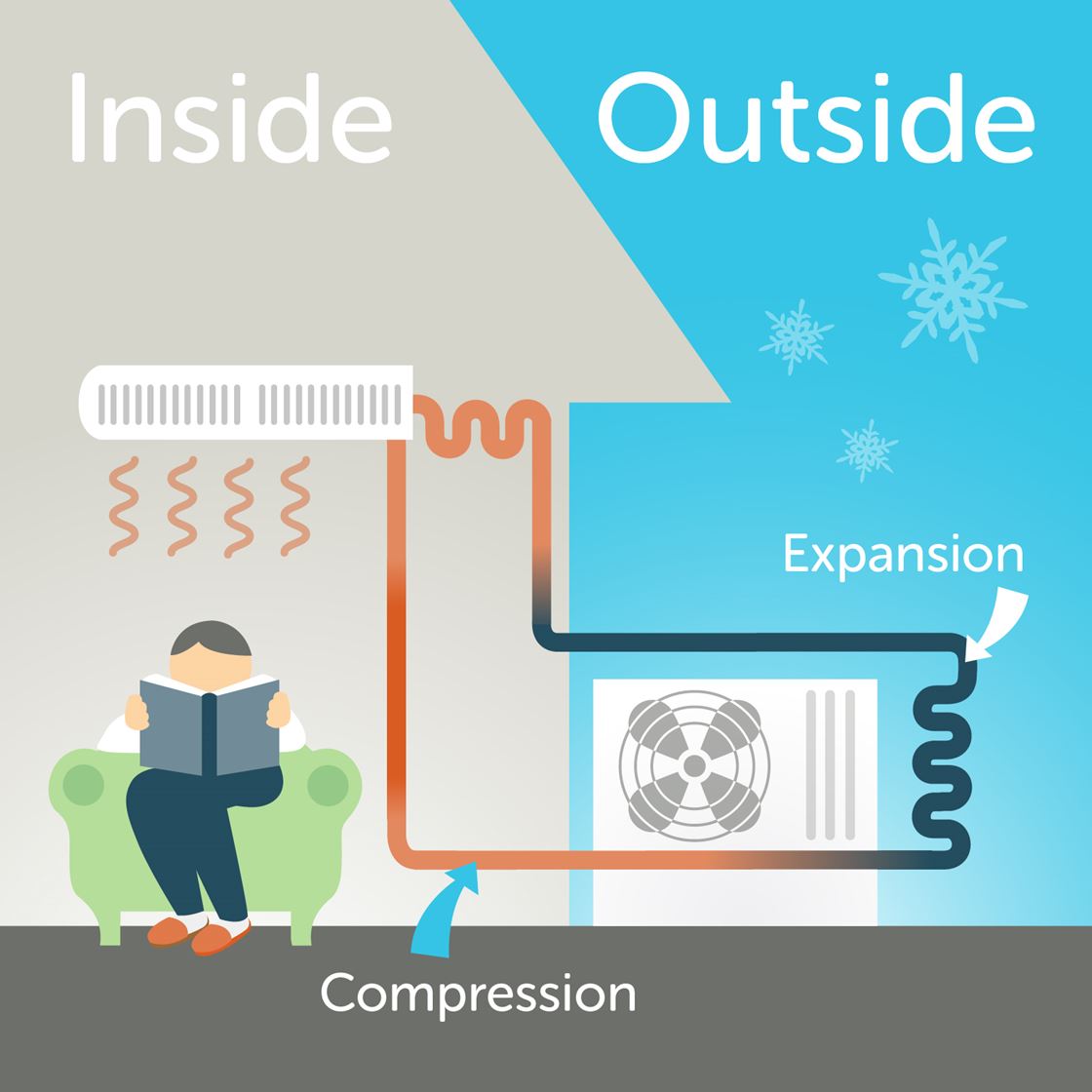 Illustration showing the main components of a cold‑climate heat pump.
Cold‑climate heat pumps come in both air‑source and ground‑source varieties, with air‑source models being the most common for residential retrofits. In practice, the choice often hinges on available yard space and upfront budget.
Understanding the differences between HVAC and standard AC can help you decide if a heat pump fits your home's needs. differences between HVAC and standard AC
How Does a Cold Weather Heat Pump Work?
The cold weather heat pump has four main parts:
Evaporator coil
Compressor
Condenser coil
Expansion valve
1. Evaporator Coil
The evaporator coil is outside. It collects heat from the air. The refrigerant inside the coil absorbs this heat. It then turns into gas.
2. Compressor
The gas moves to the compressor. The compressor increases the gas's pressure. This makes the gas very hot. The hot gas then moves to the next part.
3. Condenser Coil
The condenser coil is inside your home. The hot gas enters this coil. It releases heat into your home. The gas then turns back into a liquid.
4. Expansion Valve
The liquid goes through the expansion valve. This valve lowers the pressure of the refrigerant. It cools down before going back to the evaporator coil. The cycle then repeats.
A built‑in defrost cycle periodically reverses refrigerant flow to melt frost on the outdoor coil, preserving efficiency during prolonged sub‑freezing operation. If your system ever blows warm air instead of heat, the troubleshooting steps are similar to those for conventional AC units. troubleshooting steps
Benefits of Cold Weather Heat Pumps
Cold weather heat pumps have many benefits. Here are some key reasons to consider them:
Energy Efficiency: They use less energy than traditional systems.
Lower Bills: You can save money on heating costs.
Environmentally Friendly: They produce fewer greenhouse gases.
Heating and Cooling: They can also cool your home in summer.
https://www.youtube.com/watch?v=H3jIRRzF6d0
ENERGY STAR certified heat pumps meet strict efficiency criteria set by the U.S. EPA. ENERGY STAR certified heat pumps
Many utilities now offer rebates or tax credits that can shave 10‑30 % off the installed cost, making the payback period even shorter.
Are Cold Weather Heat Pumps Effective in Cold Climates?
Many people worry about using heat pumps in cold areas. However, cold weather heat pumps are designed for this. They work well even when it is very cold.
Some models can work in temperatures as low as -15°F (-26°C). They have special features that help them function efficiently. This makes them a good choice for colder regions.
As of 2026, many manufacturers offer models rated to -20 °F (‑29 °C) with maintained capacity above 100 % at 5 °F. The U.S. Department of Energy notes that modern cold‑climate models maintain >100% heating capacity down to -15 °F. U.S. Department of Energy
How to Choose the Right Cold Weather Heat Pump
Choosing the right heat pump is important. Here are some tips to help you pick one:
Size: Make sure it fits your home size.
Efficiency Ratings: Look for high SEER and HSPF ratings.
Brand Reputation: Choose brands known for quality.
Warranty: Check the warranty for coverage details.
Match the unit’s capacity to your climate zone (e.g., Zone 5‑6) and consider a variable‑speed compressor for smoother temperature control and lower humidity swings.
Installation of Cold Weather Heat Pumps
Proper installation is key for heat pumps. A professional should install your system. They ensure it works effectively. They also help with the correct sizing for your home.
Installation usually takes a few hours. It includes placing the outdoor unit and connecting the indoor unit. The technician will also test the system.
A proper split‑system installation follows the same principles outlined in our split AC installation guide. split‑system installation
Permits and local code compliance are often required; verify with your municipality before work begins.
Maintenance Tips for Cold Weather Heat Pumps
To keep your heat pump running well, follow these maintenance tips:
Change filters regularly.
Clean the outdoor unit.
Schedule yearly professional check-ups.
Keep the area around the unit clear.
Seasonal maintenance tips for air conditioners also apply to heat pumps, especially filter changes and coil cleaning. Seasonal maintenance tips
Using a high‑MERV (8‑13) filter improves indoor air quality without restricting airflow, provided the system’s fan can handle the pressure drop.
Common Issues and Troubleshooting
Sometimes, heat pumps can have problems. Here are some common issues and solutions:
Not Heating Properly: Check the thermostat settings.
Strange Noises: Inspect for loose parts or debris.
Ice Buildup: Ensure airflow is not blocked.
High Energy Bills: Look for leaks or schedule maintenance.
Refrigerant leaks are rare but can cause a gradual loss of capacity; a pressure test by a certified tech will confirm the charge level.
Cost of Cold Weather Heat Pumps
The cost of a cold weather heat pump varies. It depends on the unit size and efficiency. Installation costs also add to the total. On average, you may spend between $3,000 to $8,000.
While the upfront cost is high, you save money over time. Lower energy bills mean long-term savings.
Photo of a condenser coil with light snow accumulation, illustrating the need for clear airflow.
Choosing the right efficiency settings can further lower operating costs, as detailed in our guide to energy‑saving AC settings. energy‑saving AC settings
Federal tax credits (up to $2,000) and many state rebates can reduce net cost dramatically; check the Database of State Incentives for Renewables & Efficiency (DSIRE) for current programs.
Conclusion
Cold weather heat pumps are a smart choice. They provide heat even in low temperatures. They are energy-efficient and can save you money. By choosing the right unit and taking care of it, you can enjoy warmth at home.
Always consult professionals for installation and maintenance. They can help you get the best performance from your heat pump. Stay warm and comfortable all winter long.
Ready to explore a cold‑climate heat pump for your home? Schedule a free consultation with a certified HVAC contractor today.
Frequently Asked Questions
What temperature can a cold‑climate heat pump operate down to?
Modern units maintain full heating capacity down to -15 °F (‑26 °C) and many newer models are rated to -20 °F (‑29 °C) with only modest efficiency loss.
Do cold‑weather heat pumps need a backup heat source?
In most U.S. climates a properly sized heat pump can handle the entire heating load; a supplemental electric strip or gas furnace is only required for extreme, prolonged cold snaps.
How often should I replace the air filter?
Check monthly during heavy use; replace at least every 90 days, or sooner if the filter appears dirty, to keep airflow and efficiency optimal.
Are there tax credits or rebates for installing a cold‑climate heat pump?
Yes — the federal 25C credit offers up to $2,000 for qualifying high‑efficiency heat pumps, and many states and utilities add additional rebates; verify eligibility on DSIRE or with your installer.
Can a cold‑climate heat pump also cool my home in summer?
Absolutely; the same refrigerant cycle reverses to provide high‑efficiency air conditioning, often with better dehumidification than conventional central AC.