Title: Is Lg or Ge Air Conditioner Better
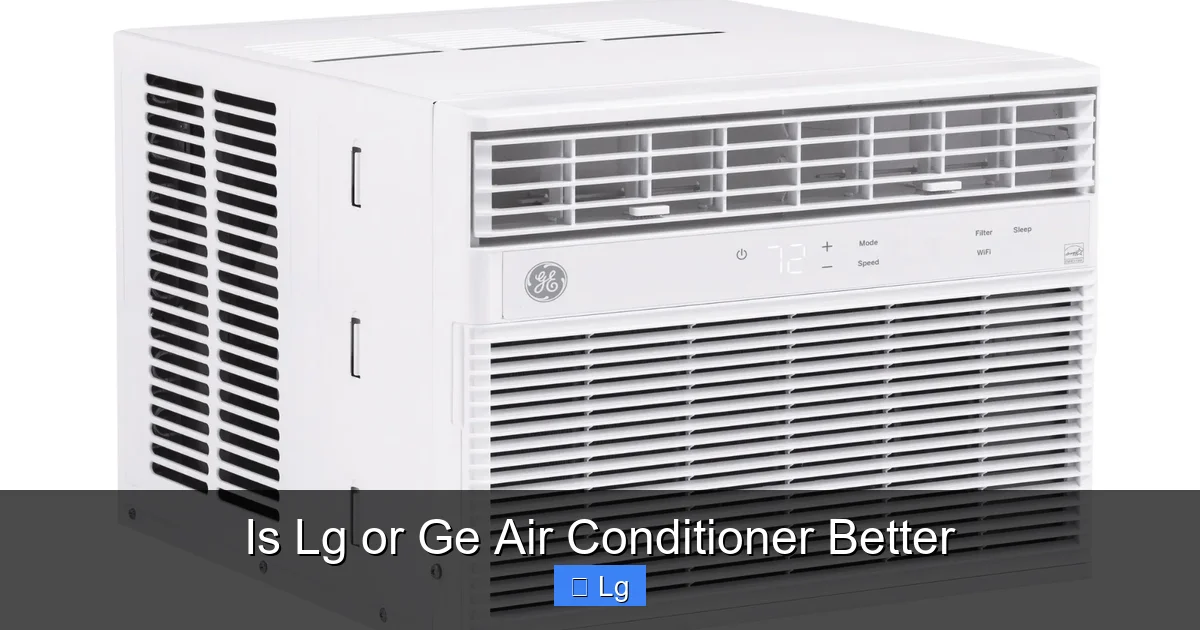
Featured image for
Image source: assets.wfcdn.com Comparison of LG and GE air conditioner features
Choosing between LG and GE air conditioners depends on your needs. LG excels in smart technology and quiet operation, while GE offers strong reliability and value. This guide compares both brands to help you decide.
📑 Table of Contents
- Is LG or GE Air Conditioner Better?
- Which Brand Offers Better Energy Efficiency?
- How Do LG and GE Compare in Noise Levels?
- Which Brand Has Better Smart Features?
- Are LG and GE Air Conditioners Reliable?
- Which Brand Offers Better Value for the Price?
- Conclusion: Which Should You Choose?
Is LG or GE Air Conditioner Better?
When it comes to cooling your home, picking the right air conditioner brand matters. Two popular options— LG and GE —offer reliable models with distinct strengths. LG is known for sleek designs, smart features, and whisper-quiet performance. GE, on the other hand, delivers solid build quality, consistent cooling, and often more budget-friendly options. But which one is truly better? The answer depends on what you value most: innovation, noise level, price, or long-term durability.
In practice, many homeowners find that LG’s modern aesthetics blend well with contemporary interiors, while GE’s classic look fits traditional spaces. When selecting the ideal unit, consider how the design matches your room’s style and the available window dimensions. selecting the ideal unit
Which Brand Offers Better Energy Efficiency?
Energy efficiency is a top concern for most homeowners. Both LG and GE offer ENERGY STAR-certified models, but LG often leads in this category. Many LG window and portable units feature high Seasonal Energy Efficiency Ratio (SEER) ratings, with some reaching up to 15 SEER or higher. This means lower electricity bills over time.
GE units are also efficient, typically ranging from 10 to 14 SEER. While not always at the top of the scale, GE models still meet federal efficiency standards and perform well in moderate climates. For example, the GE Profile series includes inverter technology in some models, which helps reduce energy use by adjusting compressor speed. Still, if maximum efficiency is your goal, LG generally has the edge.
For the most current efficiency standards, consult the ENERGY STAR program, which updates its criteria annually. Pairing a high‑SEER model with optimal thermostat settings can shave an extra 10‑15 % off cooling costs. ENERGY STAR program optimal thermostat settings
How Do LG and GE Compare in Noise Levels?
Noise can make or break your comfort, especially in bedrooms or quiet spaces. LG air conditioners are widely praised for their ultra-quiet operation. Many models use dual inverter compressors and specialized fan designs to reduce sound. Some LG window units operate as low as 40 decibels—about the noise level of a library.
GE units are reasonably quiet but usually not as silent as LG’s top models. Most GE window ACs range from 50 to 60 decibels, which is comparable to normal conversation. While this is acceptable for many users, light sleepers or those in open-plan spaces may notice the difference. If quiet performance is a priority, LG is the clear winner.
If you’re installing a unit in a bedroom, aim for models rated below 45 dB; a routine upkeep schedule that includes cleaning fan blades and checking mounts helps maintain that low‑noise profile over the years. routine upkeep schedule
Which Brand Has Better Smart Features?
Smart home integration is where LG truly shines. Many LG air conditioners work with Wi-Fi and can be controlled via the LG ThinQ app. You can adjust temperature, set schedules, and receive maintenance alerts from your smartphone. Some models even support voice control through Amazon Alexa or Google Assistant.
GE offers smart capabilities too, especially in its higher-end Profile and SmartRoom lines. These units connect to the GE Comfort app and allow remote control and scheduling. However, the app interface and compatibility aren’t as polished or widely supported as LG’s ecosystem. For tech-savvy users who want seamless smart home integration, LG offers a more refined experience.
Emerging cooling tech such as AI‑driven predictive cooling is beginning to appear in premium LG models. emerging cooling tech New compressor designs are also reducing energy draw while boosting connectivity. new compressor designs
Are LG and GE Air Conditioners Reliable?
Reliability is crucial when investing in an air conditioner. Both brands have strong reputations, but user reviews and industry reports suggest GE may have a slight edge in long-term durability. GE has been in the appliance market for over a century and focuses on straightforward, dependable designs. Their units often require fewer repairs over time.
LG is also reliable, especially in recent years, but some users report occasional issues with electronic controls or app connectivity. That said, LG offers solid warranties—typically 1 year on parts and labor, with extended coverage on compressors. Overall, both brands are trustworthy, but if you prioritize minimal maintenance, GE might be the safer long-term bet.
A common mistake is overlooking the warranty fine print; LG’s compressor coverage often extends to 10 years, while GE typically offers 5 years on the sealed system. Reviewing those terms before buying can prevent unexpected repair bills. diagnosing warm airflow
Which Brand Offers Better Value for the Price?
Price is a major factor for many buyers. GE air conditioners are generally more affordable, especially in the mid-range window and portable categories. You can find reliable GE models starting under $300, making them a great option for budget-conscious shoppers.
LG units tend to be pricier, reflecting their advanced features and quieter operation. However, the higher cost often comes with better energy savings and smarter functionality. For example, an LG dual inverter window AC may cost $100–$150 more than a comparable GE model but could save you more on electricity over time. If you’re willing to invest upfront for long-term benefits, LG offers strong value.
When budgeting, factor in installation costs—NYC mounting rules may require professional brackets, adding $100‑$200 to the total. A quick check of local codes avoids surprise expenses. NYC mounting rules
Warranty and Support Comparison
Both manufacturers back their products with standard limited warranties, but the details differ. LG typically provides a 1‑year full parts‑and‑labor warranty plus a 10‑year compressor warranty on many inverter models. GE usually offers a 1‑year full warranty and a 5‑year sealed‑system warranty. Registering the unit online within 60 days often extends coverage by an additional year for both brands. Checking the exact terms for the specific model you buy ensures you know what’s protected.
Installation and Maintenance Considerations
Proper installation heavily influences performance and noise. Window units should be leveled, sealed with foam insulation, and secured with brackets where required. For split‑system or central installations, hiring a certified HVAC technician guarantees correct refrigerant charge and airflow balance. Following federal installation guidelines helps avoid code violations and preserves warranty eligibility. federal installation guidelines
Regular maintenance — cleaning or replacing filters monthly, clearing debris from the outdoor coil, and checking condensate drains — keeps efficiency high and prevents premature component failure. Scheduling a professional tune‑up each spring can catch small issues before they become costly repairs.
Climate and Room Size Suitability
LG’s high‑SEER inverter models excel in hot, humid climates where the compressor runs continuously, because they modulate capacity rather than cycling on/off. GE’s conventional units perform reliably in milder regions with shorter cooling seasons. Match the BTU rating to the square footage: roughly 20 BTU per square foot for standard ceilings, adding 10 % for sunny rooms or high occupancy. Oversizing leads to short‑cycling and humidity problems; undersizing leaves the space warm.
User Reviews and Common Issues
Owner forums and retailer reviews highlight a few recurring themes. LG users occasionally mention Wi‑Fi dropouts on older ThinQ firmware — usually resolved by a firmware update. GE owners sometimes report a rattling vibration from the fan housing after a few seasons, which a simple tightening of mounting screws fixes. Both brands receive praise for responsive customer service when warranty claims are filed promptly.
Side-by-Side Comparison Table
| Feature | LG | GE |
|---|---|---|
| Typical SEER range | 13‑15+ | 10‑14 |
| Quietest window unit (dB) | ~40 | ~50 |
| Smart platform | ThinQ (Alexa, Google) | GE Comfort (Alexa, limited Google) |
| Compressor warranty | 10 yr (inverter) | 5 yr (sealed system) |
| Starting price (window) | $350‑$500 | $250‑$350 |
| Best for | Tech‑savvy, noise‑sensitive, hot climates | Budget‑focused, moderate climates |
Conclusion: Which Should You Choose?
So, is LG or GE air conditioner better ? It depends on your priorities. Choose LG if you want cutting-edge smart features, whisper-quiet operation, and top-tier energy efficiency. It’s ideal for tech lovers and those who value comfort and convenience.
Go with GE if you prefer reliable performance, lower upfront costs, and straightforward operation. It’s a great choice for budget-minded buyers or those in areas with less extreme temperatures. Both brands make excellent air conditioners—your best pick comes down to what matters most in your home.
Ready to find the perfect AC? Check out our guide on choosing the right model for your home. choosing the right model
Frequently Asked Questions
Which brand is quieter, LG or GE?
LG’s dual‑inverter window units can run as low as 40 dB, while most GE models sit around 50‑60 dB. For bedrooms or quiet spaces, LG is noticeably quieter.
Do LG air conditioners save more energy than GE?
LG often leads with SEER ratings up to 15+, whereas GE typically maxes out near 14. Over a cooling season, the higher SEER can reduce electricity use by 10‑15 %.
Are LG smart features worth the extra cost?
If you use voice assistants or want remote scheduling, LG’s ThinQ app is more polished and widely compatible. GE’s app works but feels less refined.
How long do LG and GE compressors last under warranty?
LG commonly offers a 10‑year compressor warranty on inverter models; GE usually covers the sealed system for 5 years. Registering the product can add an extra year.
What size air conditioner do I need for a 300 sq ft room?
Aim for roughly 6,000 BTU (20 BTU per sq ft). Adjust up 10 % for heavy sun exposure or high occupancy. Both brands have models in that capacity range.