Lost your LG air conditioner remote? Don’t worry—this guide shows you multiple ways to start your AC without it. From using the control panel to smart home apps and voice assistants, we’ve got you covered in 2026.
Key Takeaways
- Use the manual control panel: Most LG AC units have physical buttons on the unit itself for power, mode, and temperature control.
- Try the LG ThinQ app: If your AC is Wi-Fi enabled, download the app to control it from your smartphone—no remote needed.
- Voice control with Alexa or Google: Connect your LG AC to a smart speaker for hands-free operation using voice commands.
- Universal remotes work too: Purchase a compatible universal remote that supports LG air conditioners for a quick fix.
- Check for hidden reset buttons: Some models have a recessed reset or power button you can press with a paperclip.
- Ensure proper power supply: Always verify the unit is plugged in and the circuit breaker hasn’t tripped before troubleshooting.
- Contact LG support if stuck: If all else fails, reach out to LG customer service for model-specific guidance or remote replacement.
How to Start LG Air Conditioner Without Remote in 2026
Losing your LG air conditioner remote can feel like a mini emergency—especially during a heatwave in 2026. But here’s the good news: you don’t need the remote to turn on or control your AC. Whether your remote is misplaced, broken, or just out of batteries, there are several reliable ways to get your LG air conditioner running again.
In this comprehensive guide, we’ll walk you through every method available in 2026 to start your LG air conditioner without a remote. From using built-in control panels and smartphone apps to voice commands and universal remotes, you’ll learn practical, step-by-step solutions. We’ll also cover troubleshooting tips and smart home integrations so you can stay cool and comfortable—no matter what.
By the end of this guide, you’ll know exactly what to do the next time your remote goes missing. Let’s get started!
Method 1: Use the Manual Control Panel on the AC Unit
The most straightforward way to start your LG air conditioner without a remote is by using the physical control panel on the unit itself. Most LG window and split-type air conditioners come with a small set of buttons located on the front or side of the indoor unit.

Visual guide about How to Start Lg Air Conditioner Without Remote
Image source: devicesmag.com
Step 1: Locate the Control Panel
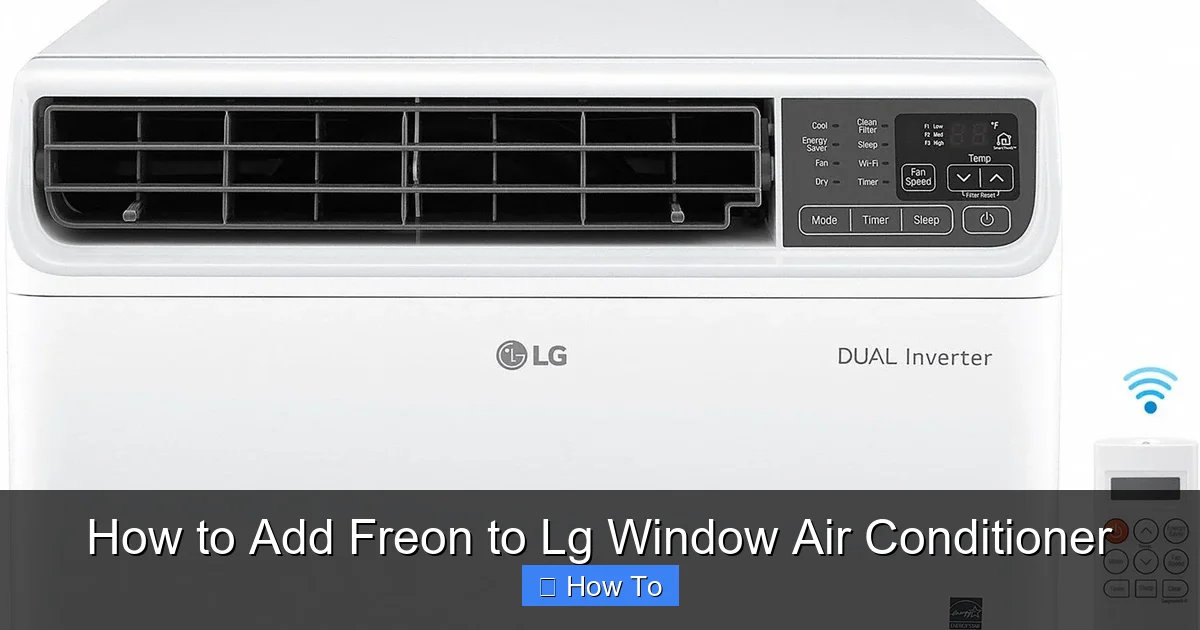
Look for a small panel on the front or side of your LG AC unit. It’s usually near the air vent or behind a flip-up cover. On some models, like the LG Dual Inverter Window AC or LG ArtCool Mirror Split Units, the buttons are clearly labeled and easy to access.
Step 2: Press the Power Button
Find the power button—it’s typically marked with a circle or the word “Power.” Press it once to turn on the unit. You should hear a beep or see indicator lights illuminate, confirming the AC is on.
Step 3: Adjust Mode and Temperature
After powering on, use the mode button (often labeled “Mode” or with icons like snowflake for cool, sun for heat) to select your desired setting. Then, use the temperature up/down buttons to set your preferred level. Some models allow you to adjust fan speed directly from the panel as well.
Step 4: Wait for the Unit to Start Cooling
Give the AC 30–60 seconds to begin cooling. You’ll hear the compressor kick in and feel cool air coming from the vents. If nothing happens, double-check that the unit is plugged in and the circuit breaker is on.
Pro Tip: If your model has a recessed power button (common in newer LG ArtCool models), use a paperclip or pen tip to gently press it. This is a safety feature to prevent accidental activation.
Method 2: Control Your LG AC with the LG ThinQ App
In 2026, smart home technology is more advanced than ever—and LG has fully embraced it. If your LG air conditioner is Wi-Fi enabled (look for “Wi-Fi” or “Smart” on the label), you can control it remotely using the LG ThinQ app on your smartphone or tablet.
Step 1: Check Wi-Fi Compatibility
Not all LG AC models support Wi-Fi. Check your user manual or look for a Wi-Fi symbol on the unit or remote. Models like the LG Dual Inverter Smart Window AC, LG ArtCool Gallery, and LG Portable Smart AC are typically compatible.
Step 2: Download the LG ThinQ App
Go to the App Store (iOS) or Google Play Store (Android) and search for “LG ThinQ.” Download and install the app—it’s free and regularly updated for 2026 compatibility.
Step 3: Create or Log In to Your LG Account
Open the app and sign in with your LG account. If you don’t have one, create a free account using your email. This links your devices to the cloud for remote access.
Step 4: Add Your Air Conditioner
Tap the “+” icon in the app and select “Add Product.” Choose “Air Conditioner” from the list. Follow the on-screen instructions to connect your AC to your home Wi-Fi network. You may need to press a pairing button on the AC unit or enter your Wi-Fi password.
Step 5: Control Your AC Remotely
Once connected, your AC will appear in the app. You can now turn it on, adjust temperature, change modes (cool, fan, dry, heat), set timers, and even monitor energy usage—all from your phone. You can even control it when you’re away from home.
Bonus Feature: The app supports scheduling. Set your AC to turn on 30 minutes before you get home so your room is cool and comfortable.
Method 3: Use Voice Control with Alexa or Google Assistant
If you have a smart speaker like an Amazon Echo (Alexa) or Google Nest (Google Assistant), you can control your LG air conditioner using just your voice—no remote or phone needed.
Step 1: Ensure Smart Compatibility
Your LG AC must be Wi-Fi enabled and connected to the LG ThinQ app (see Method 2). Voice control works through the app’s integration with Alexa and Google.
Step 2: Enable the LG ThinQ Skill
Open the Alexa app or Google Home app. Search for “LG ThinQ” and enable the skill or action. Link it to your LG account when prompted.
Step 3: Discover Devices
Say, “Alexa, discover devices” or “Hey Google, sync my devices.” The assistant will scan for your LG AC and add it to your smart home setup.
Step 4: Use Voice Commands
Now you can say things like:
- “Alexa, turn on the living room AC.”
- “Hey Google, set the temperature to 72 degrees.”
- “Alexa, switch the AC to fan mode.”
Note: Voice control works best when your AC is named clearly in the app (e.g., “Bedroom AC” instead of “Device 1”).
Method 4: Use a Universal Remote
If you prefer a physical remote and your original one is lost or broken, a universal remote is a quick and affordable solution. Many universal remotes are compatible with LG air conditioners and can be set up in minutes.
Step 1: Buy a Compatible Universal Remote
Look for remotes labeled “compatible with LG air conditioners” at electronics stores or online retailers like Amazon. Popular brands include Logitech Harmony, GE, and RCA. In 2026, many universal remotes support app-based setup for easier pairing.
Step 2: Install Batteries and Power On
Insert the required batteries (usually AA or AAA) and turn on the remote.
Step 3: Enter Setup Mode
Press and hold the “Setup” or “Code Search” button until the indicator light stays on. Then, enter the LG code for your AC model. You can find these codes in the remote’s manual or online.
Step 4: Test the Remote
Point the remote at your AC and press the power button. If the unit turns on, the setup is successful. If not, try another code from the list.
Pro Tip: Some modern universal remotes use Bluetooth or Wi-Fi and can be programmed via a smartphone app—making setup faster and more accurate.
Method 5: Use the Hidden Reset or Power Button
Some LG air conditioners—especially newer inverter models—have a hidden reset or power button that can be used to turn on the unit manually. This is useful if the main control panel isn’t responding.
Step 1: Locate the Reset Button
Check the side or bottom edge of the indoor unit. Look for a small, recessed button labeled “Reset” or “Power.” It’s often near the air filter or behind a panel.
Step 2: Press with a Tool
Use a paperclip, pen, or toothpick to gently press and hold the button for 3–5 seconds. You should hear a beep or see lights flash, indicating the unit is powering on or resetting.
Step 3: Wait and Test
Release the button and wait 30 seconds. The AC should start up in its last used mode. If it doesn’t, try pressing the button again or check the power source.
Note: This method works on models like the LG Dual Inverter Split AC and some ArtCool variants. Refer to your user manual for exact location.
Method 6: Use a Smart Plug with Timer Function
If your LG air conditioner is plugged into an outlet (common with window and portable units), you can use a smart plug to turn it on remotely—even without a remote or Wi-Fi on the AC itself.
Step 1: Buy a Smart Plug
Choose a Wi-Fi-enabled smart plug compatible with Alexa or Google Assistant (e.g., TP-Link Kasa, Wemo, or Amazon Smart Plug).
Step 2: Plug In and Connect
Plug the smart plug into the wall outlet, then plug your AC into the smart plug. Use the companion app to connect the plug to your Wi-Fi network.
Step 3: Set a Schedule or Use Voice
Use the app to turn the plug on remotely or set a schedule. You can also say, “Alexa, turn on the AC plug,” to power up your unit.
Important: This method only turns the AC on or off—it won’t let you adjust temperature or mode. Use it as a last resort or in combination with manual controls.
Troubleshooting Common Issues
Even with these methods, you might run into problems. Here’s how to fix the most common issues when starting your LG air conditioner without a remote.
Issue 1: AC Won’t Turn On at All
- Check the power source: Make sure the unit is plugged in and the outlet is working. Test the outlet with another device.
- Inspect the circuit breaker: Go to your electrical panel and see if the breaker for the AC has tripped. Reset it if needed.
- Look for error codes: Some LG models display error lights or codes on the panel. Refer to your manual for meanings (e.g., E1 = sensor issue).
Issue 2: Control Panel Buttons Not Responding
- Clean the panel: Dust or moisture can interfere with button function. Wipe gently with a dry cloth.
- Reset the unit: Turn off the AC at the breaker for 5 minutes, then turn it back on. This resets the internal electronics.
- Check for child lock: Some models have a child lock feature that disables buttons. Look for a lock icon and press the mode + fan buttons together to unlock.
Issue 3: LG ThinQ App Not Connecting
- Restart your router: Poor Wi-Fi can prevent pairing. Reboot your router and try again.
- Update the app: Make sure you’re using the latest version of LG ThinQ (2026 updates improve stability).
- Re-register the device: Remove the AC from the app and add it again from scratch.
Issue 4: Voice Commands Not Working
- Check microphone: Ensure your smart speaker can hear you. Move it away from noise sources.
- Re-link the skill: Disable and re-enable the LG ThinQ skill in your voice assistant app.
- Use exact names: Say the exact device name you set in the app (e.g., “Living Room AC” not “the air conditioner”).
Prevention Tips for the Future
Now that you’ve got your LG air conditioner running, here’s how to avoid remote-related headaches in the future.
- Store the remote safely: Keep it in a designated spot, like a drawer or remote caddy, so it doesn’t get lost.
- Use a remote cover: A silicone case can protect against drops and spills.
- Install the LG ThinQ app permanently: Even if you have a remote, the app is a great backup.
- Label your AC: If you have multiple units, label them in the app and on the units themselves to avoid confusion.
- Keep spare batteries: Always have AAA batteries on hand for your remote or universal replacement.
Conclusion
Losing your LG air conditioner remote doesn’t mean you’re stuck in the heat. In 2026, you have more options than ever to start and control your AC—whether through the built-in control panel, smartphone app, voice commands, or smart plugs. With the methods outlined in this guide, you can stay cool, comfortable, and in control, no remote required.
Start with the manual panel for immediate access, then explore smart features like LG ThinQ and voice control for long-term convenience. And if all else fails, a universal remote or smart plug can save the day. Remember to troubleshoot power and connectivity issues, and keep your setup updated for the best experience.
Now go enjoy that cool, refreshing air—your way.