Carrier air conditioner fault code 196 usually signals a problem with the compressor or outdoor fan motor in your HVAC system. This error often appears due to electrical issues, wiring faults, or internal component failure—not always a major repair. Understanding the root cause early can save time, money, and prevent further damage. In this guide, we’ll walk you through what causes fault code 196, how to diagnose it safely, and when it’s best to call an HVAC technician.
Have you ever turned on your Carrier central air and noticed the control panel flashing “196”? Or maybe your AC kicked on but immediately shut off with that same number glowing? If so, you’re likely dealing with a serious but solvable issue tied directly to your system’s heart: the compressor and outdoor fan circuit. Fault code 196 isn’t just a random number—it’s Carrier’s way of saying, “Hey, something’s wrong with how power is flowing to key parts outside.”
Most homeowners panic at the sight of any error code, especially one linked to the compressor. But understanding what code 196 really means—and knowing how to respond—can turn a stressful situation into a manageable repair. This article dives deep into everything you need to know about Carrier air conditioner fault code 196: from its technical background to step-by-step troubleshooting tips, safety warnings, and when to call in a pro.
Whether you’re trying to avoid service calls or simply want peace of mind, this guide walks you through real-world scenarios, explains why this code matters, and gives you actionable steps to get your cool air back ASAP.
Key Takeaways
- Fault code 196 on Carrier units typically relates to the compressor or outdoor fan circuit: It’s one of the most common error codes during high-load conditions or after power interruptions.
- Common causes include wiring issues, low refrigerant levels, or failed capacitors: These can trigger false readings or real electrical problems that mimic sensor errors.
- Always reset the system before attempting repairs: Power cycling the unit often clears transient glitches and helps confirm if the issue is persistent.
- Never attempt high-voltage work without proper training: Compressor circuits carry dangerous voltages—safety first!
- Professional diagnosis is recommended for accurate resolution: While DIY checks help, only certified technicians can safely test critical components like run capacitors and contactors.
- Ignoring code 196 risks compressor burnout: Delaying repair may lead to costly part replacements or full system failure.
Quick Answers to Common Questions
Is fault code 196 dangerous?
No immediate danger, but ignoring it risks compressor burnout or complete system failure. It’s a protective shutdown to prevent damage.
Can I drive my car while the AC shows code 196?
Only if it’s a portable or window unit—central systems shouldn’t operate with active fault codes. Shut it off and address the issue.
Will resetting the thermostat fix code 196?
Sometimes—if it’s a software glitch. But if the underlying problem remains, the code will return once the system tries to restart.
How much does it cost to fix Carrier fault code 196?
Roughly $150–$800 depending on the cause: capacitor ($100), wiring repair ($200), or compressor replacement ($1,500+).
Can dirty coils cause code 196?
Indirectly—yes. Poor airflow over dirty coils raises compressor temps, triggering the fault. Cleaning coils often resolves it.
📑 Table of Contents
What Is Fault Code 196 and Why Does It Matter?
When your Carrier air conditioner displays error code 196, it’s almost always referring to an issue within the compressor discharge temperature protection circuit. Think of the compressor as the lungs of your AC—pumping refrigerant through the system to move heat outdoors. The outdoor fan helps dissipate that heat by blowing air over the condenser coils.
If something disrupts normal operation—like low airflow, electrical imbalance, or a failing sensor—the system’s built-in safeguards kick in. That’s when code 196 appears. It’s not necessarily a sign of catastrophic failure, but rather a warning that the compressor is under stress or receiving incorrect signals.
In simple terms: **your AC detected an abnormal condition related to the compressor or fan motor, likely involving temperature, voltage, or current**. Modern Carrier units use advanced diagnostics to monitor these parameters continuously. When they fall outside safe ranges, the system logs code 196 and shuts down to prevent damage.
This code commonly surfaces after power surges, during extreme weather (especially heatwaves), or if the unit has been idle for a long time. But don’t assume it’s harmless. Ignoring it risks permanent damage to expensive components like the compressor itself.
The Technical Side: How Carrier Detects Code 196
Carrier’s control boards are smart enough to track multiple variables simultaneously. For fault code 196, the system primarily monitors:
– Discharge line temperature via a thermal switch or sensor
– Voltage across the compressor terminals
– Current draw from the outdoor fan motor
If the board senses a mismatch—say, high discharge temp paired with low fan speed—it triggers the fault. Sometimes, even a loose wire or corroded connection can throw off these readings enough to register as code 196.
It’s important to note that while older Carrier models might show different numbers for similar issues, newer systems (post-2015) generally use consistent diagnostic language. So if your manual mentions “compressor lockup” or “fan failure,” those could also be related symptoms—but code 196 is the modern standard.
Common Causes Behind Carrier Fault Code 196
Visual guide about Carrier Air Conditioner Fault Code 196
Image source: static.wixstatic.com
While every case is unique, several culprits frequently appear behind code 196. Understanding them helps narrow your search and avoid unnecessary trips to the hardware store.
1. Outdoor Fan Motor Failure
The outdoor fan plays a crucial role: it keeps air moving over the condenser coils so heat can escape efficiently. If the fan stops spinning or runs too slowly, the compressor overheats because it can’t dump heat effectively. Your system detects this imbalance and throws code 196.
Symptoms include:
– Loud grinding noises from outside
– Warm (not hot) air blowing indoors despite long runtime
– Fan doesn’t spin at all or wobbles noticeably
Check the fan blade for debris first. If it’s clean but still won’t turn, the motor bearings may be seized or the capacitor (which helps start motors) could be weak.
2. Wiring or Connection Problems
Loose, frayed, or improperly connected wires between the control board and outdoor components send mixed signals. Even a single corroded terminal can cause erratic voltage readings that confuse the system.
Common wiring issues:
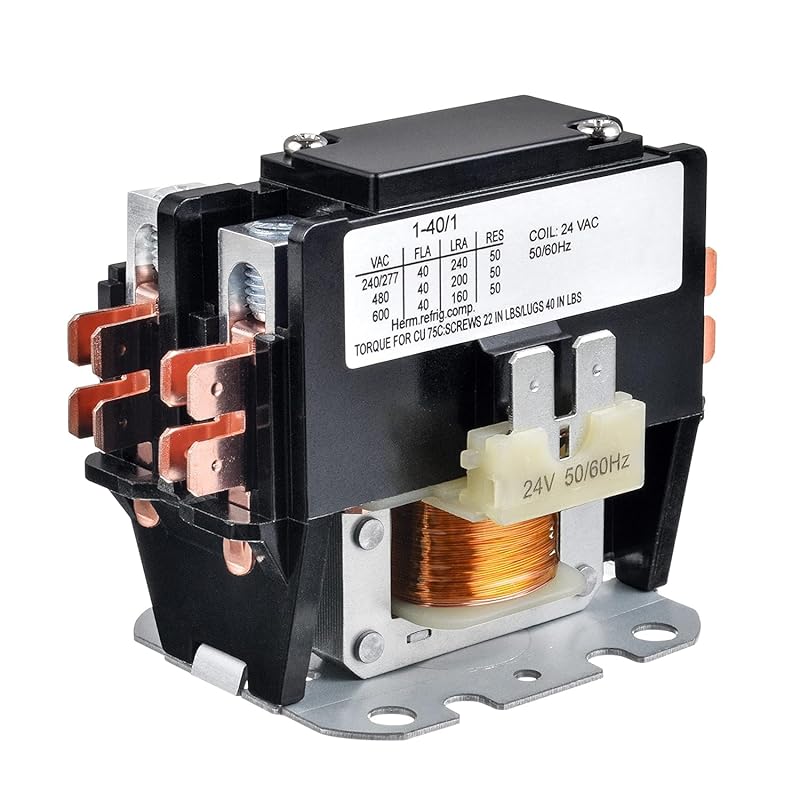
– Loose connections at the contactor (the relay that powers the compressor)
– Damaged wires near sharp edges or rodent chew marks
– Poor grounding in older installations
Visual inspection is key here. Look for discoloration, melted insulation, or gaps where wires should meet.
3. Low Refrigerant Levels
Refrigerant carries heat from inside your home to the outside coil. Too little refrigerant means the compressor works harder, raising discharge temperatures. This overload triggers protective shutdowns—often showing code 196.
Signs of low refrigerant:
– Ice buildup on indoor evaporator coils
– Reduced cooling performance even after cleaning filters
– Hissing sounds near refrigerant lines
Note: Only licensed technicians can safely recharge refrigerant. DIY refills often worsen leaks or cause contamination.
4. Failed Run Capacitor
Every outdoor fan and compressor motor relies on a capacitor to generate the initial torque needed to start spinning. A weak or dead capacitor makes motors struggle, leading to overheating and false fault codes.
Test your capacitor with a multimeter set to capacitance mode. Compare the reading to the label on the capacitor. Most run caps lose 10–20% capacity before needing replacement.
5. Control Board Glitches
Sometimes, the brain of the operation—the main control board—has a hiccup. Power fluctuations, age, or moisture exposure can corrupt internal logic. In rare cases, a bad sensor input gets misinterpreted as a compressor fault.
If all physical components check out but code 196 returns repeatedly, consider replacing or reprogramming the board.
Step-by-Step Troubleshooting for Code 196
Visual guide about Carrier Air Conditioner Fault Code 196
Image source: 5.imimg.com
Before reaching for tools or calling a technician, try these safe, logical steps. Remember: never touch live electrical parts. Turn off the breaker first!
Step 1: Power Cycle the System
Flip the thermostat to OFF, then turn off the breaker labeled “AC” or “HVAC.” Wait 5 minutes—this resets the control board and clears temporary glitches. Restore power and set the thermostat to COOL. Does the unit start normally now?
If yes, great! The issue was transient. If no, proceed.
Step 2: Inspect the Outdoor Unit
Look for obvious blockages:
– Leaves, dirt, or grass clogging around the fan
– Bent or damaged fan blades
– Rust or corrosion on metal parts
Clear away debris gently. Don’t force anything into tight spaces.
Step 3: Check the Fan Motor
Spin the fan blade by hand. Does it turn freely? If it sticks, lubricate the shaft (use HVAC-grade grease sparingly). If it moves smoothly but won’t start electrically, test the capacitor next.
Step 4: Test the Capacitor
Use a digital multimeter to measure capacitance. Compare to the rating stamped on the capacitor. Also check for bulging tops or leaking electrolyte—signs of failure.
Replace any suspect capacitor with an exact match (same microfarad rating and voltage).
Step 5: Examine Wiring Connections
Remove the access panel on the outdoor unit. Tighten all wire nuts and terminals. Look for burn marks or melted plastic. Reconnect anything loose securely.
Step 6: Monitor Operation After Reset
Run the system for 15–20 minutes. Watch the fan—does it spin steadily? Listen for unusual noises? Use a thermometer to check if the outdoor coil feels hot (normal) or cold (indicating airflow problems).
If code 196 reappears immediately, stop the unit and contact a professional.
When to Call a Professional vs. DIY
DIY troubleshooting works well for basic checks like cleaning, capacitor replacement, or tightening wires. But certain aspects of fault code 196 demand expert attention:
🚫 Don’t attempt refrigerant handling yourself—it’s illegal without certification and hazardous.
🚫 Avoid opening the compressor housing—sealed units contain high-pressure gas; tampering voids warranties and risks injury.
🚫 If voltage tests show irregularities or the control board feels warm, shut off power and wait for help.
On the other hand, if you’ve already done Steps 1–5 above and still see code 196, it’s time to schedule a service call. Certified HVAC technicians have:
– Specialized tools (infrared thermometers, amp clamps)
– Access to factory-level diagnostic software
– Knowledge of regional refrigerant regulations
Most importantly, they can legally recover, test, and recharge refrigerant if needed—something you cannot do safely at home.
What to Expect During a Service Visit
A typical Carrier code 196 repair includes:
– Full system diagnostic scan
– Pressure testing for refrigerant leaks
– Replacement of faulty components (capacitor, contactor, etc.)
– Verification of proper airflow and voltage levels
– Final system calibration
Costs vary widely—from $150 for a new capacitor to over $1,000 if the compressor needs replacing. Always request a detailed estimate before approving work.
Preventing Future Occurrences of Code 196
Once your unit is running smoothly, take steps to avoid repeat incidents:
✅ Schedule annual maintenance: Technicians clean coils, inspect wiring, and verify capacitor health—all preventative measures.
✅ Keep the outdoor unit shaded and clear: Heat soak reduces efficiency; debris blocks airflow.
✅ Install surge protectors: Power spikes are a top cause of electronic failures in HVAC systems.
✅ Replace air filters monthly: Clogged filters strain the entire system, including the compressor.
✅ Monitor unusual sounds or smells: Early detection prevents small issues from becoming big ones.
By staying proactive, you extend your unit’s lifespan and reduce the chance of surprise codes like 196.
Real-Life Example: Resolving Code 196 in a Split-System Carrier
Sarah, a homeowner in Arizona, noticed her Carrier 3-ton unit displaying code 196 during a scorching summer afternoon. Her house stayed warm despite the thermostat set to 72°F. She followed our checklist:
1. Powered off/on—code returned instantly.
2. Cleaned leaves from around the outdoor fan—no improvement.
3. Tested the fan capacitor: reading was 20% below spec.
4. Replaced it with a matching 45µF/370V capacitor.
5. Restarted system—unit ran cool for three days, then code reappeared.
At this point, Sarah called a local Carrier-certified technician. The pro found a cracked discharge temperature sensor inside the compressor housing. Replacing it resolved the issue permanently.
Lesson learned: Some causes hide deep inside the unit and require specialized tools to detect.
Frequently Asked Questions
What does Carrier fault code 196 mean?
It indicates an issue with the compressor discharge temperature protection circuit, often due to overheating, wiring faults, or fan motor problems.
How do I reset my Carrier AC after seeing code 196?
Turn off the thermostat, disconnect the power at the breaker for 5 minutes, restore power, and set the thermostat again.
Can I ignore fault code 196 temporarily?
Not recommended. Running with this code stresses the compressor and may lead to irreversible damage or higher repair costs later.
Why does my Carrier show code 196 after a power outage?
Power surges or reboots can confuse the control board. Resetting usually fixes it, but inspect wiring if the code persists.
Is fault code 196 covered under warranty?
Depends on the cause. Manufacturing defects are covered; user-caused issues (like neglect or improper maintenance) usually aren’t.
Should I replace the entire unit if I see code 196?
No—most cases are repairable. Only consider replacement if the compressor is beyond repair or the unit is very old and inefficient.