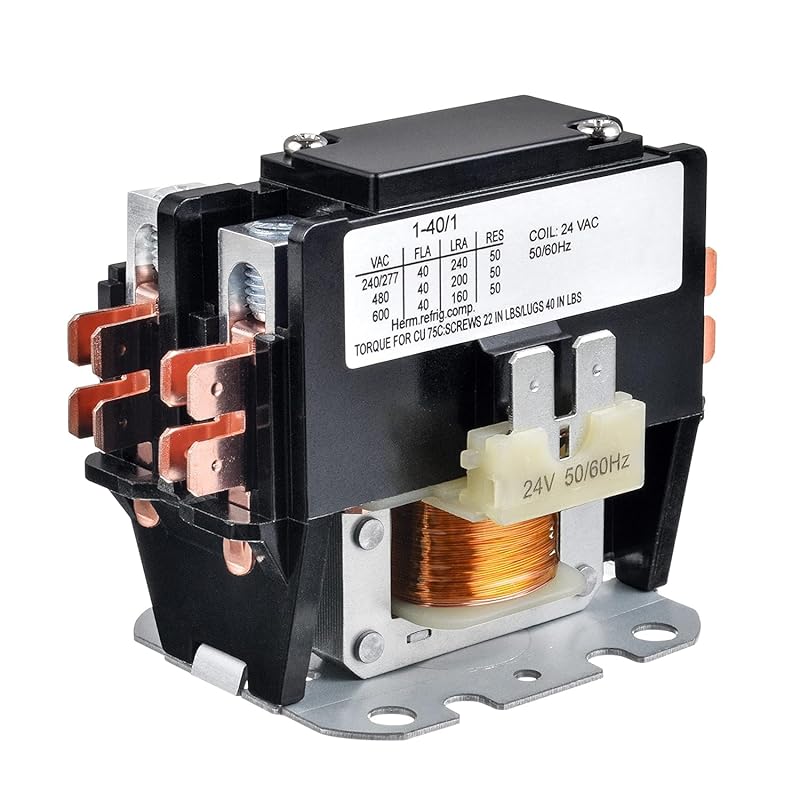
Is your Carrier air conditioner fan not turning on? This frustrating issue can stem from simple problems like dirty filters or loose wiring—or more serious ones like motor failure. In this article, we’ll walk you through practical troubleshooting steps to get your AC blowing cool air again, whether you’re a DIYer or prefer calling a pro. You’ll learn how to safely diagnose the issue, what parts might need replacing, and when it’s time to contact Carrier support. With clear instructions and expert tips, you’ll be back in the shade in no time.
If your Carrier air conditioner’s fan isn’t turning on, it’s more than just an inconvenience—it’s a signal that something in your cooling system needs attention. Whether you’re trying to beat the summer heat or maintain year-round comfort, a non-functioning fan means warm air blowing from vents, poor circulation, and potentially higher energy bills. The good news? Many causes of a carrier air conditioner fan not turning are fixable with basic tools and a little know-how. From checking power sources to inspecting internal components, this guide will walk you through every step to diagnose and resolve the issue safely and effectively.
Carrier air conditioners are built for reliability, but like any mechanical system, they rely on multiple working parts to operate smoothly. When the indoor or outdoor fan stops spinning, it disrupts the entire refrigeration cycle. Without proper airflow, heat exchange becomes inefficient, and the compressor may overheat. That’s why addressing fan issues quickly is essential for both performance and equipment longevity.
Before diving into complex repairs, start with simple checks. Often, the problem isn’t with the fan itself but with external factors like tripped breakers, disconnected wires, or blocked vents. By methodically ruling out these common causes, you can save time, avoid unnecessary part replacements, and keep your system running efficiently.
Key Takeaways
- Power supply issues are often the culprit: Check if the unit is receiving electricity by testing the circuit breaker and outlet.
- Dirty air filters restrict airflow: A clogged filter can trigger safety shutdowns and prevent the fan from spinning.
- The capacitor may be failing: A weak start capacitor can stop the fan motor from gaining momentum.
- Belt-driven systems need belt inspection: Loose or broken belts in older models can disconnect the fan from the motor.
- Motor failure requires professional assessment: If the fan spins but doesn’t cool, the motor or refrigerant levels may be at fault.
- Safety first during diagnostics: Always disconnect power before inspecting internal components.
- Regular maintenance prevents future issues: Clean filters and annual servicing keep your Carrier AC running smoothly.
Quick Answers to Common Questions
Why is my Carrier AC fan not turning on?
Your Carrier air conditioner fan may not turn on due to a tripped breaker, clogged filter, faulty capacitor, or motor failure. Start by checking power and replacing the air filter, then inspect internal components like the capacitor for signs of wear.
Can a dirty filter stop the fan?
Yes, a heavily clogged air filter restricts airflow and can trigger safety shutdowns in modern Carrier units. Replace or clean the filter every 1–3 months to maintain proper operation and prevent fan stoppage.
How do I test the capacitor?
Use a multimeter set to microfarads (µF) to measure the capacitor’s capacitance. Compare the reading to the value stamped on the label. If it’s off by more than 10%, the capacitor needs replacement. Always discharge it safely before testing.
Should I replace the motor myself?
Only attempt motor replacement if you’re experienced with HVAC systems. Otherwise, contact a certified Carrier technician. Motors involve electrical hazards and refrigerant lines that require professional handling.
What does a bad capacitor sound like?
A failing capacitor often produces a faint humming noise without fan rotation. The motor tries to start but lacks sufficient torque due to low stored charge. Replacement usually resolves this issue.
📑 Table of Contents
Common Causes of a Carrier Air Conditioner Fan Not Turning
Understanding why your Carrier air conditioner fan isn’t turning begins with identifying the most frequent culprits. These range from minor maintenance oversights to internal component failures. Let’s explore each possibility in detail.
Power Supply Problems
One of the first things to check is whether your unit is getting power. Even if the AC unit seems off, a tripped circuit breaker or faulty outlet could be cutting off electricity entirely. Begin by locating your home’s electrical panel and flipping the switch labeled “HVAC” or “Air Conditioner.” If the breaker trips immediately, there may be a short circuit or ground fault inside the unit.
Next, test the outlet using another device like a lamp or phone charger. If nothing works, try plugging the AC into a different outlet. Sometimes, extension cords or damaged power strips interfere with delivery. Also, inspect the control board inside the thermostat for error codes or loose connections. A simple reset—turning off the thermostat and waiting 5–10 minutes—can restore functionality.
Clogged or Dirty Air Filters
Over time, dust, pet dander, and debris accumulate in your AC’s air filter. When this happens, restricted airflow forces the system to work harder. Many modern Carrier models have built-in sensors that detect low airflow and shut down the fan to protect the compressor. This safety feature explains why a clean filter is critical.
Replace or clean reusable filters every 1–3 months during peak usage seasons. If your model uses disposable filters, swap them out immediately. After cleaning or replacing the filter, wait 10–15 minutes for the system to restart. In most cases, the fan will resume operation once airflow normalizes.
Faulty Capacitor
The capacitor acts as a battery for your AC’s motor, providing the initial burst of energy needed to start spinning. Over time, capacitors degrade and lose their ability to store charge. A weak capacitor results in a humming sound but no actual rotation—a telltale sign of failure.
To test the capacitor, you’ll need a multimeter capable of measuring microfarads (µF). Compare the reading to the value printed on the capacitor label. If it’s significantly lower, it’s time for a replacement. Always discharge the capacitor safely before handling it by shorting the terminals with an insulated screwdriver.
Loose or Broken Belt (on Older Models)
Some older Carrier units use belt-driven fan systems instead of direct-drive motors. If the belt connecting the motor to the fan pulley becomes loose or snaps entirely, the fan won’t turn. Inspect the belt for cracks, fraying, or misalignment. Tighten it using the tensioner pulley if possible, or replace it if worn.
Belt-driven systems require periodic adjustment due to stretching. Lubricate moving parts annually to prevent premature wear. While newer models rarely use belts, knowing this helps if you own vintage Carrier equipment.
Motor Failure
When all else fails, the fan motor itself may be defective. Signs include burning smells, scorched windings, or physical damage. Internal bearings can seize up from lack of lubrication or age. Unlike capacitors or belts, motors typically require professional diagnosis and replacement.
If the motor hums but doesn’t spin, it might still be salvageable with rewiring or bearing service. However, if it makes grinding noises or shows visible corrosion, replacement is likely necessary. Contact a certified Carrier technician for accurate assessment.
Thermostat or Control Board Malfunction
Sometimes, the issue lies not with the fan but with the brain of the operation—the thermostat or control board. Faulty wiring, dead batteries, or software glitches can send incorrect signals. Resetting the thermostat or updating its firmware often resolves these hiccups.
For smart thermostats, ensure Wi-Fi connectivity and app sync are functioning. Physical thermostats should be cleaned gently with a dry cloth. If errors persist after resetting, consult Carrier’s online support portal for model-specific guidance.
Step-by-Step Troubleshooting Guide
Follow this structured approach to isolate and fix the root cause of your carrier air conditioner fan not turning:
Step 1: Safety First
Before touching any electrical components, turn off the power at the breaker box. Unplug the unit if it’s a portable model. Wear gloves and safety glasses to protect against sharp edges or accidental shocks.
Step 2: Inspect the Power Source
Verify that the circuit breaker hasn’t tripped. Reset it and listen for a click. Test the outlet with another appliance. If power flows normally, move to internal inspection.
Step 3: Check the Air Filter
Locate the filter—usually behind a front grille or return air duct. Remove it and assess buildup. Replace if dirty beyond cleaning. Reinstall and restart the system.
Step 4: Examine the Capacitor
Access the capacitor housing near the compressor (typically on the outdoor unit). Note the voltage rating before removing it. Use a multimeter to test capacitance. Replace if readings deviate by more than 10%.
Step 5: Look for Obstructions
Clear debris from fan blades, coils, and intake/exhaust areas. Bent fins or tangled leaves can block rotation. Straighten fins carefully with a fin comb.
Step 6: Test the Motor
Manually spin the fan blades. Resistance indicates seized bearings or obstructions. If smooth, the motor may still fail under load. Listen for unusual sounds during startup.
Step 7: Consult the Manual or Support
Refer to your Carrier user manual for model-specific diagrams and part numbers. Visit Carrier.com/support for live chat, FAQs, or authorized service locator tools.
Preventive Maintenance Tips
Visual guide about Carrier Air Conditioner Fan Not Turning
Image source: down-ph.img.susercontent.com
Avoid future fan issues with routine care:
- Monthly filter checks: Clean or replace filters regularly to maintain airflow.
- Annual professional tune-ups: Schedule HVAC technicians to inspect belts, capacitors, and motors.
- Keep vents unobstructed: Trim bushes and remove furniture blocking return air paths.
- Monitor outdoor unit placement: Ensure adequate clearance around condenser coils.
- Use surge protection: Install whole-house surge protectors to shield electronics from voltage spikes.
Consistent maintenance extends your Carrier unit’s lifespan and improves efficiency by up to 15%. It also reduces emergency repair costs and downtime during hot weather.
When to Call a Professional
While many fan problems are DIY-friendly, some situations demand expert intervention:
- If you detect refrigerant leaks (hissing sounds, ice on coils)
- When electrical components show burn marks or melting
- If the control board displays error codes not found in manuals
- After multiple failed troubleshooting attempts
- If your warranty covers labor and parts
Certified Carrier technicians have specialized tools for diagnosing complex faults like phase imbalance or compressor lockup. They also follow strict safety protocols when handling refrigerants.
Remember: attempting refrigerant recovery without EPA certification is illegal and dangerous. Always hire licensed pros for such tasks.
Upgrading Your Carrier AC System
If your Carrier air conditioner is over 10 years old, upgrading may be cost-effective. Newer models feature variable-speed fans, smart thermostats, and higher SEER ratings. Energy-efficient units reduce utility bills and environmental impact.
Consider these upgrades:
– Adding zoning controls to cool only occupied rooms
– Installing UV lights to kill mold and bacteria
– Switching to inverter-driven compressors for quieter, smoother operation
Consult Carrier’s product selector tool online to find models matching your home size and climate needs.
Conclusion
A Carrier air conditioner fan that won’t turn is a common but solvable issue. By systematically checking power, filters, capacitors, and motors, you can often restore function without costly repairs. Prioritize safety, stay consistent with maintenance, and don’t hesitate to seek professional help when unsure.
With the right approach, your AC will keep you comfortable season after season. Stay cool, stay informed, and let your Carrier do what it does best—deliver reliable, efficient cooling.
Frequently Asked Questions
How often should I clean my Carrier AC filter?
Clean or replace your Carrier air conditioner’s filter every 1–3 months during heavy use. Neglecting this simple task can lead to reduced airflow, increased energy consumption, and fan shutdowns due to overheating.
Can I run my AC without the fan working?
No, running your Carrier AC without a functioning fan is unsafe and damaging. The compressor relies on airflow to dissipate heat. Without it, the system overheats and risks permanent damage within hours.
Where is the capacitor located on a Carrier unit?
The capacitor is typically mounted near the compressor on the outdoor unit’s side panel. It resembles a small cylindrical metal case with two wires connected to terminals. Access it by removing the protective cover.
Will resetting the thermostat fix fan issues?
Sometimes yes. A simple reset can clear temporary glitches in the thermostat or control board. Turn it off, unplug it for 10 minutes, then restore power. If the fan still doesn’t turn, deeper diagnostics are needed.
What causes the fan to spin slowly?
A weak capacitor, low voltage supply, or dirty motor bearings can cause slow fan speed. Check the capacitor first, then ensure stable voltage. Lubricating bearings may help, but replacement is often required.
Is it safe to touch the fan blades while the unit is running?
Never touch fan blades while the AC is operating. Even when powered off, some circuits remain active. Always disconnect power at the breaker before servicing internal components.