Your Carrier air conditioner won’t turn on? You’re not alone—this is one of the most common AC issues homeowners face. Whether it’s a tripped breaker, dirty filter, or a faulty thermostat, most causes are fixable with simple steps. This guide walks you through safe, effective troubleshooting so you can restore comfort quickly and avoid costly service calls.
Have you ever stepped into a sweltering home only to find your Carrier air conditioner completely dead? The unit sits silent, the display dark, and all you want is relief from the heat. Before you panic or call an expensive emergency service, take a deep breath—this is often a solvable issue. In this comprehensive guide, we’ll walk you through every possible cause of why your Carrier air conditioner does not turn on, from simple fixes you can do yourself to when it’s time to bring in a pro. By the end, you’ll know exactly how to diagnose and resolve the problem safely and efficiently.
Carrier air conditioners are known for their reliability and performance, but like any complex appliance, they’re not immune to hiccups. When your system refuses to power up, it’s usually due to something straightforward rather than a major mechanical failure. Whether it’s a tripped breaker, a drained battery in the thermostat, or a clogged filter, understanding the root cause is the first step toward restoring cool comfort. We’ll cover everything from basic troubleshooting to advanced diagnostics, giving you the confidence to handle the situation like a pro.
Before diving into solutions, let’s clarify what we mean by “does not turn on.” This could mean:
– The unit has no power at all (no lights, no fan sounds)
– The display is blank
– The system powers on but immediately shuts off
– The remote or buttons don’t respond
Each scenario points to a different underlying issue, and we’ll address them all with clear, actionable steps.
Key Takeaways
- Check the power source first: Confirm your circuit breaker hasn’t tripped and that the unit is receiving electricity.
- Inspect the thermostat settings: A wrong mode or low battery can prevent the Carrier AC from activating.
- Clean or replace the air filter: Clogged filters restrict airflow and trigger safety shutdowns in many models.
- Look for error codes: Modern Carrier units display diagnostic lights—these often point directly to the problem.
- Call a licensed technician: If basic steps don’t work, internal components like capacitors or compressors may need professional repair.
- Prevent future outages: Schedule annual maintenance to keep your system running smoothly year-round.
Quick Answers to Common Questions
Why did my Carrier AC suddenly stop working?
Sudden shutdowns are often caused by tripped breakers, failed capacitors, or thermostat glitches. Check power sources first, then review error codes if available.
Can a dirty filter really prevent my AC from turning on?
Yes! Clogged filters reduce airflow, triggering freeze-protection shutdowns in most Carrier models to prevent compressor damage.
Is it safe to reset my AC by flipping the breaker?
Yes, but only after ensuring there’s no internal fault. If the breaker trips instantly, stop and contact a technician immediately.
How often should I replace my air filter?
Every 1–3 months depending on usage, pets, and allergies. Homes with smokers or heavy dust may need monthly changes.
What does a flashing light on my thermostat mean?
It indicates an error code. Count flashes or read the display to identify the issue—common codes include E1 (sensor fault) or E3 (freeze).
📑 Table of Contents
1. Start With the Basics: Power Supply Checks
The most common reason a Carrier air conditioner won’t turn on is simply a lack of power. Before assuming a serious malfunction, verify that your unit is actually getting electricity.
Check the Circuit Breaker
AC units draw significant power, so they’re often connected to dedicated circuits. If the breaker has tripped, the unit won’t receive power. Here’s how to check:
1. Go to your electrical panel (breaker box) and look for a switch labeled “AC” or “Air Conditioner.”
2. If the switch is in the middle position or flipped to “OFF,” flip it fully to “ON.”
3. Listen for a click—this means the breaker has reset.
4. Wait 30 seconds, then try turning on the AC again.
If the breaker trips immediately after resetting, there may be a short circuit or overload inside the unit. Do not attempt to use the AC until a technician inspects it.
Inspect the Outlet or Switch
Sometimes the problem isn’t the breaker but the outlet or wall switch controlling the unit. For window or portable units, plug another device (like a lamp) into the same outlet to confirm it works. If not, test a different outlet.
For central systems, ensure the disconnect switch (usually near the outdoor unit) is turned on. This small switch looks like a large toggle and is required for safety during maintenance or storms.
Verify the Thermostat Is Receiving Power
Even if the breaker is fine, the thermostat itself might lose power due to wiring issues or a blown fuse. If your thermostat is hardwired, check the circuit board for visible damage. For smart thermostats, ensure Wi-Fi connectivity and battery backup (if applicable) are functional.
2. Thermostat Issues: The Silent Culprit
Visual guide about Carrier Air Conditioner Does Not Turn On
Image source: static.zerochan.net
One of the sneakiest reasons your Carrier air conditioner does not turn on is a faulty thermostat. Many users overlook this because they assume the remote or digital display is working fine—but subtle glitches can prevent activation.
Wrong Mode or Settings
Double-check that your thermostat is set to “Cool” mode and the temperature is below room temp. If it’s in “Fan Only” or “Heat,” the compressor won’t engage. Also, ensure the fan speed isn’t accidentally set to “Auto,” which can delay startup.
Battery Problems
Most thermostats run on batteries. If the battery voltage drops too low, the system may appear unresponsive. Replace the batteries with fresh ones (even if they seem fine—weak batteries cause phantom shutdowns). After replacing, press the “Reset” button if your model has one.
Wiring or Calibration Errors
Loose wires between the thermostat and HVAC system can disrupt communication. Turn off power to the AC at the breaker before inspecting connections. Look for loose terminals or corrosion. If you’re unsure, consult a professional—rewiring incorrectly can damage components.
3. Dirty Air Filters and Restricted Airflow
Visual guide about Carrier Air Conditioner Does Not Turn On
Image source: hvacseer.com
A clogged air filter is a frequent cause of Carrier air conditioners refusing to turn on. While it sounds minor, restricted airflow triggers safety mechanisms designed to protect the compressor.
How Filters Block Performance
Over time, dust, pet dander, and debris accumulate in the filter, reducing airflow. Your Carrier unit senses this drop and shuts down to prevent overheating. Even if the filter isn’t visibly dirty, replace it every 1–3 months depending on usage.
Steps to Clean or Replace
1. Locate the return air grille (usually near the furnace or in a hallway).
2. Remove the filter carefully—note its orientation for reinstallation.
3. If reusable, wash it with mild soap and water; let it dry completely before putting it back.
4. If disposable, discard and install a new one of the correct size (check your manual for specifications).
After cleaning/replacing, wait 5–10 minutes for the system to recognize the change before testing.
4. Error Codes and Diagnostic Lights
Modern Carrier units come equipped with diagnostic LEDs or displays that flash error codes when something’s wrong. Ignoring these signals can lead to bigger problems.
Common Error Codes
| Code | Meaning | Likely Fix |
|——|———|————|
| E1 | Indoor sensor fault | Check wiring; replace sensor if needed |
| E2 | Outdoor sensor issue | Inspect outdoor unit connections |
| E3 | Freeze protection triggered | Turn off unit, thaw evaporator coil, clean filter |
| P0 | Compressor lockout | May require professional diagnosis |
Refer to your owner’s manual for your specific model—error meanings vary slightly. Some older models just have blinking lights without text, so count flashes to decode them.
What to Do When You See an Error
1. Write down the code and timing.
2. Power off the unit for 1 minute, then restart.
3. If the error returns, note whether it’s consistent or intermittent.
4. Search online for “Carrier [model number] error [code]” for targeted advice.
Never ignore persistent errors—they signal real hardware issues.
5. Capacitor and Electrical Component Failures
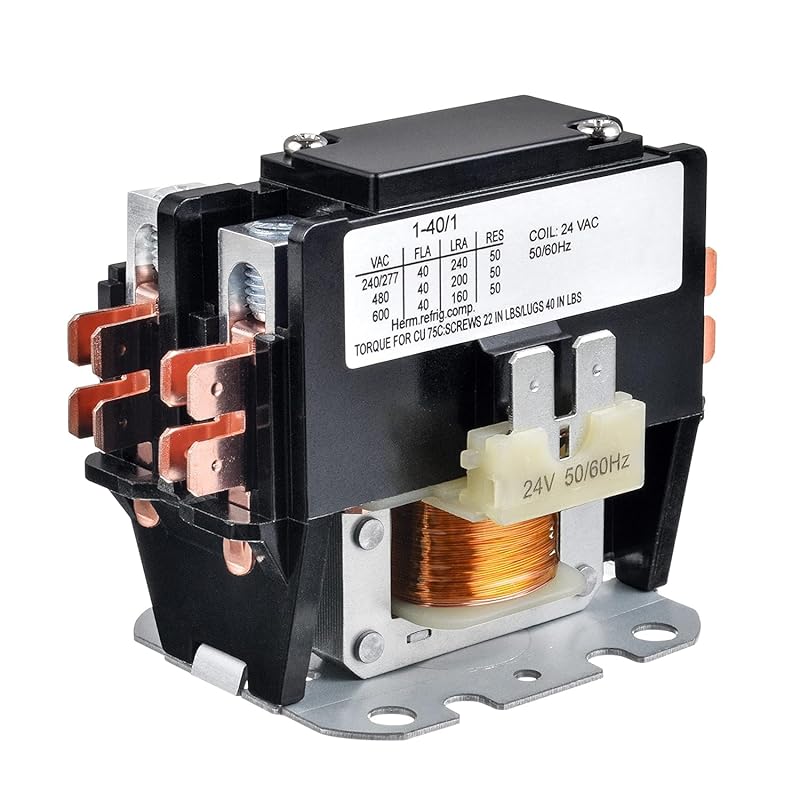
Capacitors store energy to help the compressor start. When they fail, the motor struggles to spin up, causing the system to appear “off” even though power flows.
Symptoms of a Bad Capacitor
– Unit hums but doesn’t start
– Fuse blows repeatedly
– Visible bulging or leaking on the capacitor (look near the compressor)
Testing the Capacitor (Advanced)
Only attempt this if you’re comfortable with electrical tools:
1. Turn off power at the breaker.
2. Discharge the capacitor by touching both terminals with an insulated screwdriver.
3. Use a multimeter to check capacitance (compare to rated value on label).
4. If readings are off by more than 10%, replace it.
⚠️ Warning: Capacitors hold dangerous voltages even when disconnected. If you’re hesitant, skip to Step 6.
6. When to Call a Professional
While many Carrier air conditioner startup issues are DIY-friendly, some situations demand expert intervention.
Signs You Need a Technician
– The breaker keeps tripping
– Unusual smells (burning, chemical)
– Strange noises (grinding, popping)
– Refrigerant leaks (hissing sound, oily residue)
– Age over 10 years with recurring failures
Licensed HVAC technicians have specialized tools like refrigerant gauges and thermal cameras to pinpoint hidden faults. They also ensure repairs meet local codes and manufacturer warranties.
Choosing the Right Service Provider
– Look for NATE-certified technicians
– Verify insurance and licensing
– Read recent reviews on Google or Yelp
– Ask about diagnostic fees vs. flat-rate pricing
A good company will explain the problem clearly and provide a written estimate before starting work.
7. Preventive Maintenance Tips
Avoid future “does not turn on” crises with routine care:
Monthly Tasks
– Replace or clean air filters
– Clear debris around outdoor unit
– Check thermostat batteries
Seasonal Tasks
– Schedule professional tune-ups (spring/fall)
– Inspect ductwork for leaks
– Test emergency heat (for heat pumps)
Proactive maintenance extends lifespan, improves efficiency, and reduces breakdown risk by up to 95%.
Frequently Asked Questions
My Carrier AC turns on but won’t cool—why?
This suggests a refrigerant leak, dirty coils, or thermostat miscalibration. Low refrigerant requires professional recovery and recharge due to environmental regulations.
Can weather affect whether my AC turns on?
Extreme cold can trigger defrost cycles in heat pumps, while thunderstorms may blow fuses. Ensure your unit has surge protection installed.
Should I replace my old AC or repair it?
If your unit is over 10 years old and needs frequent repairs, replacement is cost-effective. New models offer 15–25% better efficiency.
How long does a typical AC repair take?
Minor fixes like filter changes take minutes. Capacitor replacements or refrigerant work usually takes 1–2 hours with a licensed pro.
Will resetting the breaker always fix the problem?
Not necessarily—if the cause is internal (e.g., bad capacitor), the AC will shut off again once power restores. Persistent issues need diagnosis.
Can I use my AC during a power outage?
No—without electricity, the compressor won’t run. Consider a whole-house generator or window fans as alternatives during outages.