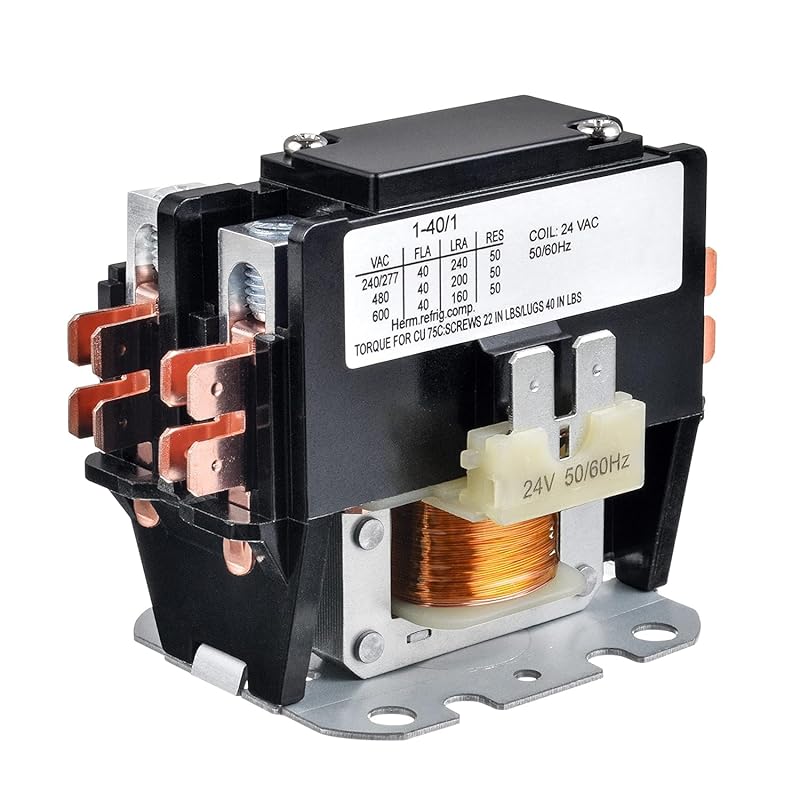
Your Carrier air conditioner isn’t blowing cool air? You’re not alone. Whether it’s no airflow at all or weak cooling, several simple issues could be behind the problem—like a clogged filter, low refrigerant, or a tripped breaker. In this guide, we walk you through easy checks you can do yourself before calling a technician. With clear steps and real-world examples, you’ll save time, money, and stress while keeping your home comfortable.
Key Takeaways
- Filter Clogging: A dirty air filter restricts airflow, making the system work harder but deliver less cool air. Replace or clean it every 1–3 months.
- Thermostat Issues: Incorrect settings or a faulty thermostat can trick your AC into thinking it’s already cool. Check mode, temperature, and calibration.
- Low Refrigerant Levels: If refrigerant is low due to leaks, your AC won’t absorb heat properly. This usually requires professional service.
- Blocked Vents or Registers: Furniture, curtains, or rugs blocking vents reduce airflow and cooling efficiency. Keep supply and return paths clear.
- Condensate Drain Clogs: A plugged drain pan or line can cause water backup and even shut down the compressor via safety switches.
- Electrical Problems: Tripped breakers, loose wiring, or capacitor failure can prevent the fan from spinning. Always check the circuit panel first.
- Outdoor Unit Obstructions: Dirt, debris, or overgrown plants around the condenser block heat exchange. Clean and trim regularly for optimal performance.
Quick Answers to Common Questions
Why is my Carrier AC blowing warm air?
Warm airflow usually points to refrigerant issues, a clogged filter, or thermostat misconfiguration. Start by checking your filter and thermostat settings. If those look fine, the refrigerant may be low, requiring professional service.
Can I replace the capacitor myself?
Yes, if you’re comfortable turning off the power and handling small components. Capacitors are inexpensive and commonly replaced by homeowners. Just ensure the system is completely off and follow safety precautions.
How often should I change my AC filter?
Every 1–3 months during heavy usage seasons (spring and summer). High-efficiency filters may last longer, but standard fiberglass ones need more frequent replacement.
Is a clogged drain line dangerous?
Not immediately, but it can lead to water damage or mold if ignored. More importantly, it can trigger the safety switch and shut off your AC. Address it promptly to avoid downtime.
Should I clean the outdoor unit myself?
Absolutely! Just turn off the power, remove loose debris, and rinse with a garden hose. Avoid high-pressure washers, as they can damage fins.
📑 Table of Contents
Why Isn’t My Carrier Air Conditioner Blowing?
If you flip the switch on your Carrier air conditioner and nothing happens—or if it powers on but doesn’t blow cold air—you’re likely dealing with a common HVAC issue. Carrier is known for reliable, high-efficiency systems, but like any appliance, they can run into problems. The good news? Many of these issues are fixable without replacing parts or calling an expensive emergency repair service.
In this article, we’ll walk through the most frequent reasons your Carrier unit might not be blowing cool air—or any air at all. From simple maintenance tasks to signs that point to more complex repairs, we’ve got you covered. Whether you’re hearing strange noises, noticing warm air, or just staring at a blank control panel, understanding what’s going wrong is the first step toward fixing it.
Common Causes Your Carrier AC Isn’t Blowing Cold Air
1. Dirty or Clogged Air Filter
One of the easiest and most overlooked causes of poor airflow is a dirty air filter. Over time, dust, pet dander, pollen, and other particles build up in your filter, restricting the amount of air that passes through the evaporator coil.
Visual guide about Carrier Air Conditioner Does Not Blow
Image source: pica.zhimg.com
When airflow is reduced, the coil can’t absorb heat as effectively, which means your indoor space stays warmer than expected. Worse, restricted airflow forces the compressor to work harder, potentially leading to premature wear or even system shutdown.
What to do: Locate your return air vent (usually in a wall or ceiling), remove the cover, and check the filter. If it looks grayish or thick with debris, replace it. For reusable filters, wash them with mild soap and water, let them dry completely, and reinstall.
Pro tip: Set a reminder every month to inspect your filter, especially during spring and summer when your AC runs frequently.
2. Thermostat Malfunction or Misconfiguration
Your thermostat tells your Carrier system when to turn on and how cold to make the room. If it’s not set correctly—or if it’s malfunctioning—your AC may run continuously, not cool at all, or not start.
Check that the mode is set to “Cool” (not Heat or Fan), the temperature is lower than the current room temp, and the fan setting is on “Auto” or “On.” Some smart thermostats also have battery backups; low batteries can cause erratic behavior.
Quick test: Try manually turning on the AC from the thermostat by lowering the temperature by 5 degrees. If the unit kicks in, the problem is likely elsewhere—but if it still won’t respond, consider replacing the batteries or resetting the thermostat.
3. Refrigerant Leak or Low Charge
Refrigerant is the chemical that absorbs heat inside your AC’s evaporator coil. If there’s a leak or the charge is too low (which can happen over time), your system won’t be able to cool effectively.
Signs include ice buildup on the coils, hissing sounds near the indoor unit, or unusually high energy bills. While minor leaks might be detectable, repairing them usually requires certified technicians due to EPA regulations.
Important: Never attempt to recharge refrigerant yourself. It’s illegal without proper certification and can damage your system further.
4. Blocked Vents and Airflow Obstructions
Even if your Carrier unit is working perfectly, blocked vents drastically reduce cooling performance. When supply or return vents are obstructed—by furniture, rugs, curtains, or even stacked boxes—air can’t circulate freely.
This creates hot spots in your home and makes the system run longer than necessary. Return vents are especially critical because they pull air back into the unit; if blocked, the compressor may overheat and shut off.
Best practice: Keep at least 2–3 feet of clearance around all vents. Use vent covers instead of blocking them entirely, and ensure ceiling fans help circulate cooled air.
5. Condensate Drain Line Clog
During operation, moisture condenses on the evaporator coil and drips into a drain pan before being pumped out via a PVC line. If this line gets clogged with algae, dirt, or mold, water can back up, overflow the pan, and trigger a safety switch that shuts off the compressor.
This often happens in humid climates or older homes where the drain line hasn’t been maintained. You might see water leaking from the bottom of the indoor unit or hear gurgling sounds.
Simple fix: Turn off the power to your AC, locate the drain line (usually near the indoor unit), and flush it with a mixture of vinegar and water or use a wet/dry vacuum to clear the blockage. For stubborn clogs, snake the line gently.
6. Electrical Issues: Tripped Breaker, Loose Wire, or Capacitor Failure
Power interruptions, voltage fluctuations, or component failures can prevent your Carrier unit from starting. The most common culprits include:
- A tripped circuit breaker or blown fuse
- Loose connections in the control board or motor wiring
- A failing capacitor, which helps spin the fan motor
If you hear a clicking sound near the outdoor unit but nothing happens, the capacitor might be dead. Capacitors are small cylindrical components mounted on the compressor or fan motor—they’re cheap and easy to replace if you’re comfortable working with basic tools.
Always turn off the main breaker before inspecting electrical components. Safety first!
7. Outdoor Unit Obstruction or Poor Airflow
The condenser coil on your outdoor unit releases heat into the outside air. If it’s covered in dirt, leaves, grass clippings, or surrounded by shrubs, heat exchange becomes inefficient.
Over time, this reduces cooling capacity and increases strain on the compressor. Regular cleaning—using a soft brush or garden hose (no high pressure!)—can restore performance significantly.
Also, ensure there’s at least two feet of clearance around the unit. Don’t stack mulch directly against it, and trim back any vegetation that grows too close.
How to Diagnose and Fix Carrier AC Not Blowing
Tackling your Carrier AC issue starts with observation. Listen, look, and feel—then take action based on what you find.
Visual guide about Carrier Air Conditioner Does Not Blow
Image source: pic.shbdl.com
Step-by-Step Diagnostic Process
- Check the thermostat: Confirm it’s set to “Cool” and the temperature is below room temp.
- Inspect the air filter: Remove and examine it. Replace if dirty.
- Listen for unusual sounds: Grinding, buzzing, or clicking could indicate mechanical or electrical faults.
- Feel the airflow: Place your hand near each vent. Is air moving? Is it warm?
- Check the outdoor unit: Look for debris, ice, or frost. Is the fan spinning?
- Examine the condensate drain: Look for water stains or standing water near the indoor unit.
- Verify circuit protection: Go to your breaker box and see if the AC circuit is tripped.
If multiple checks pass but the problem persists, it’s time to consult a licensed HVAC technician. They can perform advanced diagnostics like checking refrigerant levels, inspecting the compressor, or testing voltage at the control board.
Preventative Maintenance Tips for Carrier Systems
The best way to avoid sudden breakdowns—and ensure consistent cooling—is regular maintenance. Here’s how to keep your Carrier unit in top shape:
- Monthly: Inspect and replace/clean the air filter.
- Biannually: Schedule professional tune-ups (spring and fall).
- Quarterly: Clear debris from the outdoor unit and trim surrounding plants.
- Seasonally: Flush the condensate drain line and check for leaks.
- Annually: Have a technician inspect refrigerant levels, electrical connections, and overall system health.
Many Carrier owners benefit from extended warranty plans or maintenance agreements offered by dealers. These programs often include priority service, discounted repairs, and guaranteed response times—worth considering if you rely heavily on your AC.
When to Call a Professional vs. DIY Fixes
Most minor issues—like changing a filter or unclogging a drain—are safe for homeowners to handle. However, some situations require expert intervention:
| Situation | DIY Possible? | Reason |
|---|---|---|
| Dirty air filter | Yes | Safe, inexpensive, quick |
| Blocked vents | Yes | No tools needed |
| Refrigerant leak | No | Requires EPA-certified tech |
| Capacitor replacement | Maybe | Only if confident with electricity |
| Compressor failure | No | Complex repair; costly replacement |
If your Carrier unit is more than 10 years old and needs repeated repairs, it may be time for an upgrade. Newer models offer better SEER ratings, quieter operation, and smart home integration.
Energy-Saving Tips While Troubleshooting
While you’re figuring out why your Carrier AC isn’t blowing, here’s how to stay comfortable without overdriving the system:
- Close blinds during peak sun hours to reduce heat gain.
- Use ceiling fans to enhance airflow—they make rooms feel 4–6°F cooler.
- Seal gaps around doors and windows with weatherstripping.
- Set the thermostat to 78°F when home and 85°F when away.
- Install a programmable or smart thermostat to automate temperature changes.
These small adjustments can cut cooling costs by 10–20%, even on hot days.
Frequently Asked Questions
Why does my Carrier AC turn on but not blow air?
This often happens when the air filter is severely clogged or a safety switch has tripped due to water buildup. Check the filter first, then inspect the indoor unit for standing water or leaks.
Can a dirty filter really affect cooling?
Yes—restricted airflow prevents the evaporator coil from absorbing heat efficiently. Even a slightly dirty filter can reduce cooling performance by up to 20%.
What does a clicking noise mean in my Carrier unit?
Clicking usually indicates a failing capacitor or relay. If the outdoor fan doesn’t start after clicking, the capacitor may be dead and need replacement.
How do I know if my thermostat is broken?
If your AC won’t respond to temperature changes, the display flickers, or it resets randomly, the thermostat may be faulty. Try replacing batteries or resetting it. If problems persist, consider upgrading to a smart model.
Is low refrigerant dangerous to breathe?
Most refrigerants are chemically stable and not harmful when released normally. However, leaks should be repaired by professionals due to environmental regulations and potential system damage.
Can I use compressed air to clean my AC coils?
It’s generally not recommended—compressed air can push debris deeper into the fins or bend delicate aluminum surfaces. A soft brush or gentle spray from a garden hose is safer.