Attic Air Conditioner Leaking Water: Quick Fixes!
Attic Air Conditioner Leaking Water: Causes and Solutions
Is your attic air conditioner leaking water? This can be a common issue. Water can drip from your air conditioner for several reasons. Understanding these reasons is important. Let's explore the causes and how to fix them.
Why Is My Air Conditioner Leaking Water?
There are many reasons your attic air conditioner might leak. Here are some common causes:
Clogged Drain Line: A clogged drain line can cause water to back up.
Dirty Air Filter: A dirty filter can block air. This can lead to ice forming.
Low Refrigerant: Low refrigerant can cause freezing. This leads to water leaks when it melts.
Improper Installation: If your unit is not installed correctly, it can leak.
Damaged Drain Pan: A broken drain pan will not hold water. This can cause leaks.
Temperature Changes: Sudden temperature changes can lead to condensation.
In practice, a clogged drain line is the most frequent culprit because dust and algae build up faster in the warm, humid attic environment. Low refrigerant not only creates ice but also reduces cooling capacity, so the system runs longer and produces more condensate. An improperly leveled unit can tilt the drain pan enough to spill water before it reaches the line. Regularly checking refrigerant pressure and ensuring the unit sits level during installation can prevent many of these issues.
Signs of a Leaking Air Conditioner
How can you tell if your air conditioner is leaking? Look for these signs:
Water pooling around the unit.
Water stains on the ceiling or walls.
Musty smell in the attic.
Increased humidity in the attic.
Early detection saves money: a small stain often means the drain pan is still intact, while widespread staining signals a cracked pan or a failed condensate pump. Using a moisture meter on the attic floor can confirm hidden dampness before visible damage appears.
How to Fix a Leaking Air Conditioner
If you notice leaks, you can try to fix them. Here are steps to help you:
1. Check The Drain Line
Start by checking the drain line. Look for clogs or blockages. You can use a wet/dry vacuum. This will help clear the blockage. If you find a clog, remove it.
2. Replace The Air Filter
Next, check the air filter. A dirty filter can block air. Replace it if it is dirty. This will help your air conditioner run better.
3. Inspect The Refrigerant Level
Low refrigerant can cause issues. If you suspect low refrigerant, call a professional. They can check and refill it if needed.
4. Examine The Drain Pan
Look at the drain pan. If it is cracked or rusted, it needs replacing. A damaged drain pan will not hold water. Replace it to stop leaks.
5. Ensure Proper Installation
If your unit is newly installed, check the installation. An improperly installed unit can leak. Make sure the unit is level and secure.
6. Control Temperature Changes
Sudden temperature changes can cause condensation. Try to keep the attic temperature stable. This will help reduce leaks.
7. Verify Condensate Pump Operation
If your attic system uses a condensate pump, listen for its cycling sound and confirm the discharge line is clear. A failed pump will cause water to back up into the pan even when the drain line is clean. Test the pump by pouring a cup of water into the pan; the pump should activate and discharge the water within seconds.
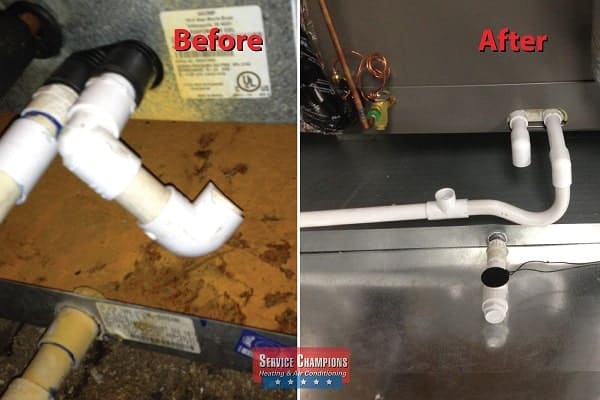 Technician clearing a clogged drain line on an attic air‑conditioner.
Preventing Future Leaks
To prevent future leaks, follow these tips:
Regularly check and replace air filters.
Clean the drain line every few months.
Schedule yearly maintenance with a professional.
Insulate the attic properly to control temperature.
A seasonal upkeep checklist from the seasonal upkeep checklist can remind you to flush the drain line, inspect the pan, and verify refrigerant pressures before the cooling season peaks. Pairing that with proper attic insulation reduces temperature swings that drive excess condensation.
https://www.youtube.com/watch?v=ItBEzjPtyGY
Safety Precautions Before DIY Repairs
Before you start any hands‑on work, shut off power to the air‑handler at the breaker and verify the unit is de‑energized with a non‑contact voltage tester. Wear gloves and eye protection when handling the drain pan or cleaning the line, because stagnant water can harbor mold spores. If the refrigerant circuit must be accessed, only a certified technician should perform that step — handling refrigerant without certification is illegal and unsafe.
When to Call a Professional
Sometimes, you need help from a professional. Call an expert if:
You cannot find the source of the leak.
The leak continues after you fix it.
You are uncomfortable doing repairs.
You notice ice forming on the unit.
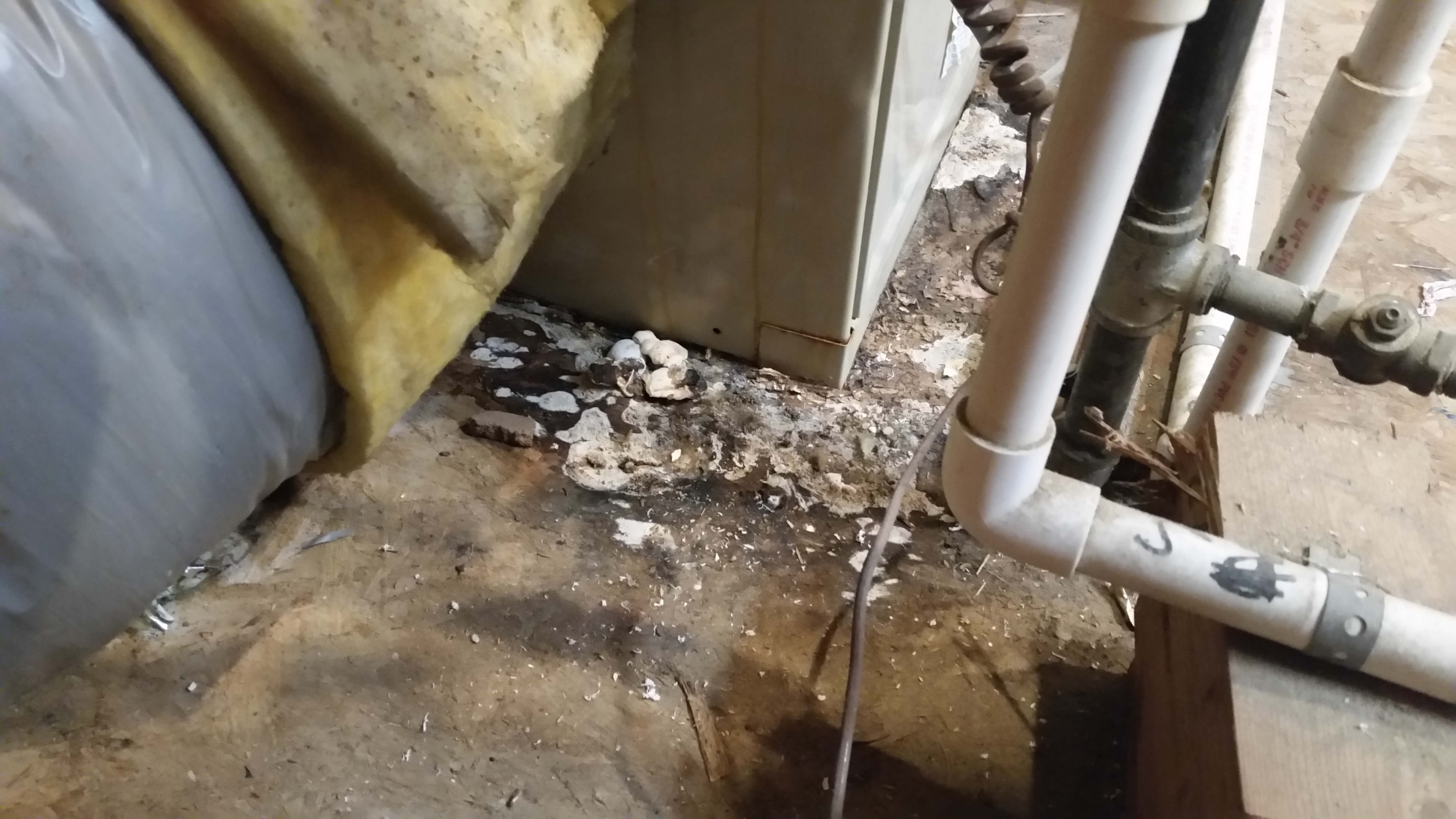 Ceiling staining caused by condensate overflow in an attic.
Cost Estimates for Common Repairs
Typical price ranges (2026 US averages) for the most frequent attic‑AC leaks:
- Drain‑line cleaning (DIY with vacuum): $0–$30 for supplies.
- Professional drain‑line flush: $120–$250.
- Replacing a cracked drain pan: $150–$350 including parts.
- Refrigerant recharge (R‑410A): $200–$500 depending on charge size.
- Full system re‑leveling and re‑installation: $400–$900.
These figures help you decide whether a DIY fix or a service call makes financial sense. Schedule a professional inspection today to protect your home.
Conclusion
In conclusion, a leaking attic air conditioner can be fixed. Understand the causes and check for problems. Simple steps can help you fix leaks. Regular maintenance is key. If you are unsure, contact a professional. Keeping your air conditioner in good shape is important. This will ensure comfort and prevent damage.
FAQs
What Should I Do If I See Water Pooling?
First, turn off the air conditioner. Then, check for clogs.
Can I Fix A Clogged Drain Line Myself?
Yes, you can use a wet/dry vacuum to clear it.
How Often Should I Replace The Air Filter?
Replace the air filter every 1 to 3 months.
What If The Problem Keeps Happening?
If the problem persists, call a professional for help.
Is A Leaking Air Conditioner Dangerous?
A leaking air conditioner can cause water damage. It is best to fix it quickly.
How Can I Tell If The Condensate Pump Has Failed?
Listen for the pump’s humming cycle; if the pan fills but the pump never runs, the float switch or motor may be bad.
Does Attic Insulation Affect Condensation?
Yes, proper insulation stabilizes attic temperature, reducing the amount of condensate the coil produces.
What Refrigerant Type Is Used In Modern Attic Units?
Most residential units installed after 2010 use R‑410A; older systems may still contain R‑22, which is phased out and more expensive to service.
Final Thoughts
Maintaining your attic air conditioner is important. A leaking unit can cause problems. Follow the steps in this article. They can help you fix and prevent leaks. Stay comfortable and safe in your home.
For more guidance on selecting the proper unit for your attic space, see selecting the proper unit. If you’re comparing system types, the system differences overview can clarify whether a split‑system or packaged unit fits best. For detailed split‑system setup steps, refer to proper split‑system setup. When diagnosing condenser performance, consult condenser performance checks. And if you notice warm air from the vents, review warm‑air symptoms.
For authoritative maintenance recommendations, consult the Energy Star maintenance guide and the EPA indoor air quality resources.