Air Conditioner Attic Drip Pan: Essential Leak Tips
Understanding Air Conditioner Attic Drip Pan
Air conditioners help us stay cool in hot weather. They also create moisture. This moisture needs a way to escape. If it does not escape, it can cause problems. One solution is the attic drip pan. This article will explain what an attic drip pan is and why it is important.
What is an Attic Drip Pan?
An attic drip pan is a container. It catches water from the air conditioner. The air conditioner removes moisture from the air. This moisture can turn into water. The drip pan collects this water. It prevents the water from leaking into your home.
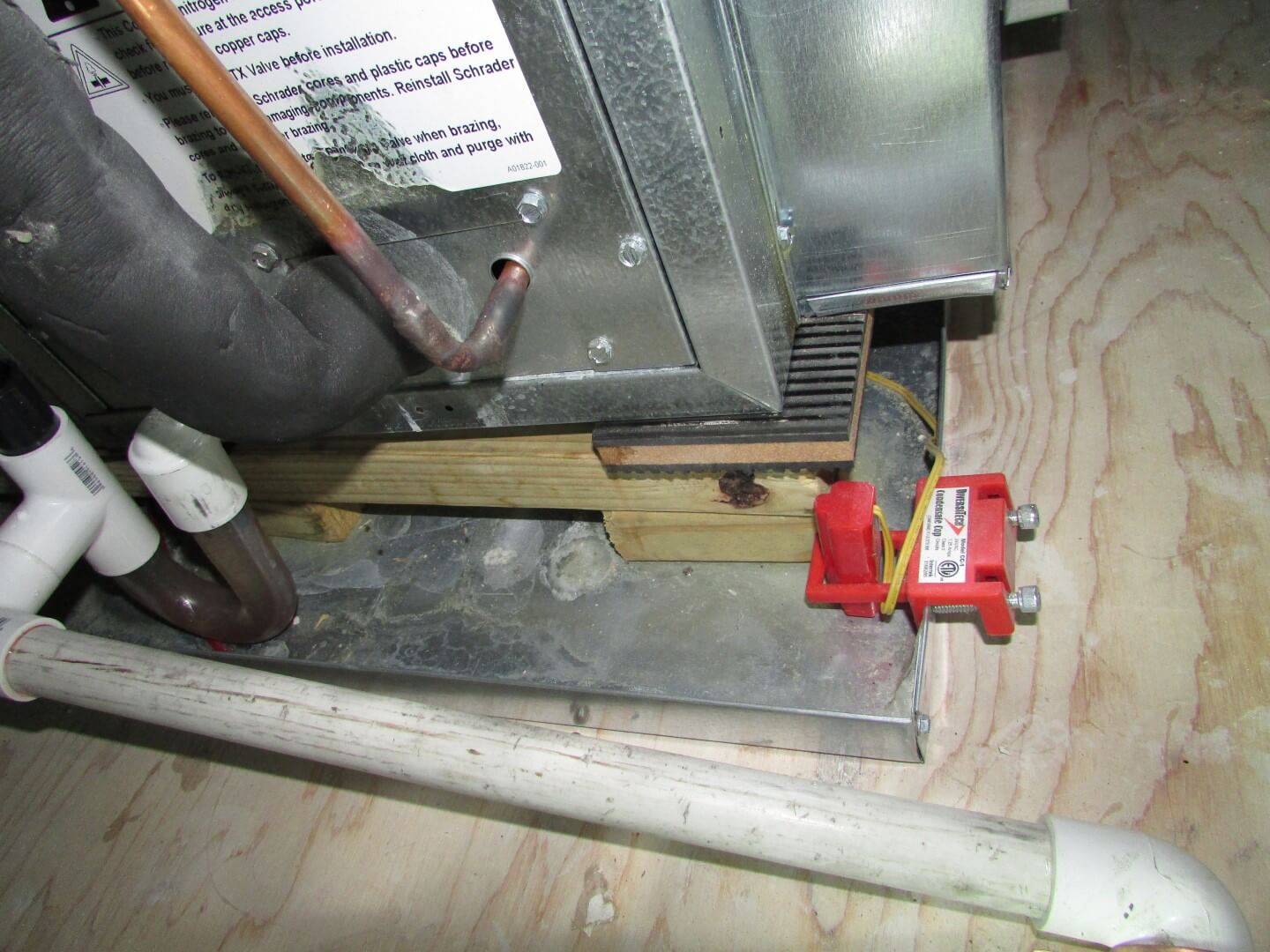 Metal drip pan positioned beneath attic air handler
Why Do You Need an Attic Drip Pan?
There are several reasons you need an attic drip pan:
Prevents Water Damage: Water can damage your home. It can ruin ceilings, walls, and floors. A drip pan helps stop this damage.
Stops Mold Growth: Moisture can cause mold. Mold is bad for health. It can make you sick. A drip pan keeps your home dry.
Protects Your Air Conditioner: A drip pan can help your air conditioner last longer. It catches water before it spills.
Easy Maintenance: If the pan collects water, it is easy to empty. This makes it simple to care for your air conditioner.
 Plastic condensate drip pan with drain outlet
How Does an Attic Drip Pan Work?
The attic drip pan works in a simple way:
The air conditioner cools the air.
It removes moisture from the air.
This moisture turns into water.
The water flows into the drip pan.
The pan holds the water until it can be drained.
Choosing the Right Attic Drip Pan
Not all drip pans are the same. Here are some things to think about when choosing one:
Size: Make sure the pan fits your air conditioner. A good fit is important.
Material: Drip pans can be plastic or metal. Choose a durable material.
Height: The pan should not be too tall. It needs to fit in the attic space.
Material Comparison: Plastic vs. Metal Drip Pans
Plastic pans are lightweight, corrosion‑resistant, and usually less expensive, making them a solid choice for most residential attics. Metal pans — typically galvanized steel or aluminum — handle higher temperatures and can support heavier equipment, but they may rust if the coating is damaged. In practice, a high‑quality UV‑stabilized plastic pan lasts 10‑15 years, while a well‑coated metal pan can exceed 20 years if inspected annually.
Sizing Your Drip Pan Correctly
Measure the footprint of the indoor coil or air handler, then add at least 2 inches on every side to catch any splash. A pan that’s too small will overflow during high‑humidity days; one that’s too large can be difficult to level in tight attic framing. Many manufacturers publish a sizing chart — cross‑reference it with your unit’s model number before purchasing.
Installing an Attic Drip Pan
Installing a drip pan is not very hard. Here are the steps:
Turn off the power to your air conditioner.
Find the spot under your air conditioner.
Place the drip pan under the unit.
Make sure it is level and stable.
Connect the drain line if needed.
Turn the power back on.
Common Installation Mistakes to Avoid
- Skipping the level check – even a ¼‑inch tilt can prevent proper drainage.
- Using a single drain line without a secondary overflow – code in many jurisdictions now requires a backup line or a float switch.
- Neglecting to secure the pan – vibration from the blower can shift an unanchored pan, creating gaps.
- Running the drain line uphill – condensate must flow by gravity; any upward run invites clogs.
Maintenance of Attic Drip Pan
To keep your drip pan working well, you need to check it. Here are some tips:
Check Regularly: Look at the drip pan every month.
Clean It: Empty the pan if it has water. Clean it to prevent mold.
Inspect for Damage: Look for cracks or leaks. Replace if needed.
When to Call a Professional
If you notice persistent standing water despite a clear drain, hear gurgling in the line, or see corrosion on a metal pan, it’s time for a licensed HVAC tech. They can test the float switch, flush the line with a biodegradable cleaner, and verify that the secondary drain is functional — tasks that go beyond routine homeowner maintenance.
Signs You Need a New Drip Pan
Sometimes, you may need a new drip pan. Here are signs to watch for:
Cracks: If you see cracks, it may leak.
Rust: Rust can weaken the pan. It is not good.
Water Leaks: If water leaks, you need a new one.
Troubleshooting Persistent Overflow
- Verify the primary drain line is clear — use a wet/dry vacuum at the exterior termination.
- Check the float switch (if equipped) for proper operation; a stuck switch will shut down the compressor but won’t stop water from filling the pan.
- Inspect the pan’s slope with a level; adjust shims as needed.
- If the pan is warped or the drain fitting is stripped, replace the pan rather than attempting a patch.
Frequently Asked Questions
What Is An Air Conditioner Attic Drip Pan?
An air conditioner attic drip pan collects water from your AC unit. It prevents leaks and water damage.
Why Do I Need A Drip Pan For My Ac?
A drip pan is essential. It protects your home from water overflow and mold growth.
How Often Should I Check My Drip Pan?
Check your drip pan at least once a month. This helps catch any problems early.
What Happens If My Drip Pan Is Full?
A full drip pan can overflow. This may cause water damage and mold issues in your attic.
Can I Use a Secondary Drain Pan Instead of a Primary One?
A secondary pan is a backup, not a replacement. Code typically requires both a primary pan under the coil and a secondary pan with its own drain line or alarm.
What Type of Cleaner Is Safe for the Drip Pan?
A 50/50 mix of white vinegar and water works well for routine cleaning; avoid harsh chemicals that can degrade plastic or corrode metal.
Conclusion
In summary, an attic drip pan is important for your air conditioner. It prevents water damage and mold. It also helps your air conditioner last longer. With the right maintenance, your drip pan will work well. Choose a good pan, install it properly, and check it often. This will keep your home safe and dry. Remember, a little care goes a long way.
Ready to protect your attic? Schedule a professional AC inspection today.
FAQs About Attic Drip Pans
What Happens If I Don't Use A Drip Pan?
If you don't use a drip pan, water can leak. This can cause damage to your home.
Can I Install The Drip Pan Myself?
Yes, you can install it yourself. Just follow the steps above.
How Often Should I Check My Drip Pan?
You should check your drip pan every month. This helps find any problems early.
What Should I Do If My Drip Pan Is Full Of Water?
If the pan is full, empty it. Then check for leaks.
Do All Air Conditioners Need A Drip Pan?
Most air conditioners benefit from having a drip pan. It helps manage moisture.
Final Thoughts
Taking care of your attic drip pan is easy. It protects your home and air conditioner. Make it a habit to check and maintain it. A small effort now can save you big problems later.
Additional Resources
- For a deeper dive on seasonal upkeep, see the routine upkeep checklist.
- If you’re planning a new system, the step‑by‑step setup guide walks through every phase.
- Whole‑house projects benefit from the whole‑house setup overview.
- Matching equipment to your home’s needs is covered in the matching your home’s needs article.
- Optimize runtime with the optimal thermostat settings recommendations.
- Stay current on latest system advances shaping the market.
- The U.S. Department of Energy’s energy‑saver guide offers authoritative condensate‑management best practices.