Where is My AC Drain Line?
Many people ask, "Where is my AC drain line?" It is a common question. Knowing where this line is can help you with your air conditioning system. In this article, we will explore the AC drain line. We will also discuss its purpose, how to find it, and why it is important.
As of 2026, building codes in many areas require a properly trapped and sloped condensate line to prevent backflow and microbial growth. This guide reflects current best practices.
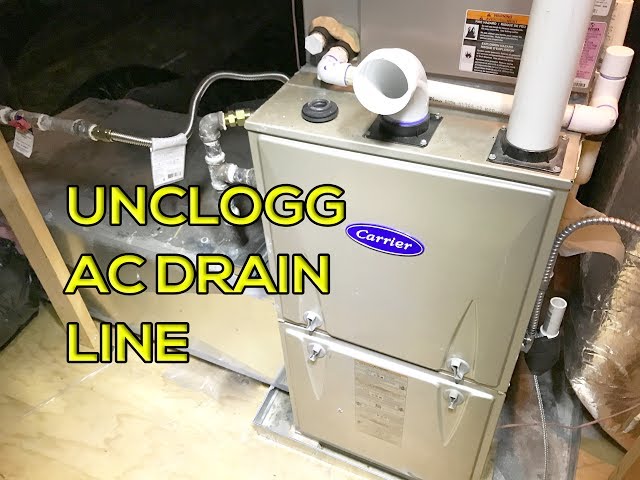 YouTube thumbnail illustrating AC drain line location
What is an AC Drain Line?
The AC drain line is a small tube. It carries water away from your air conditioner. This water comes from humidity in the air. When your AC cools the air, it also removes moisture. This moisture turns into water. The drain line helps to get rid of this water.
Without a drain line, water would build up. This can cause many problems. Your AC could stop working. Water might leak into your home. It is very important to keep this line clear and working well.
In practice, the drain line is typically 3/4-inch PVC and should maintain a 1/4-inch per foot slope toward the discharge point. A missing trap or improper slope can cause gurgling sounds and allow sewer gases to enter the home.
Where to Find the AC Drain Line
Finding your AC drain line is easy. Here are some steps to help you locate it:
Look at your air conditioner unit.
Check the outside part of your system.
Follow the pipes that connect to the unit.
The drain line is usually a PVC pipe. It is often white or gray in color. This pipe leads away from the AC unit. Sometimes, it goes to the ground or a drain. It is important to check outside your house.
For split systems, the indoor unit's condensate pan connects to a drain line that exits the building near the outdoor unit. In package units, the line often runs directly to a roof or side-wall drain. If you're planning a new installation, reviewing a split system setup steps can clarify the routing.
Understanding the Drain Line's Location
The drain line can be in different places. Here are some common locations:
Near the air conditioning unit
On the side of your house
In the basement or crawl space
Connected to a floor drain
Knowing where to look is important. If you cannot find it, ask a professional. They can help you locate it quickly.
Local codes may dictate the termination point — some municipalities require the line to terminate at least 6 inches above grade or into an approved drain. Checking NYC bracket rules isn't directly related, but it's an example of how regional regulations affect HVAC components.
Signs Your AC Drain Line is Clogged
A clogged drain line can cause problems. Here are some signs to watch for:
Water pooling around the AC unit
Unpleasant odors from the unit
AC system not cooling properly
Water damage in your home
If you see any of these signs, check the drain line. A clog can stop your AC from working. It is important to fix it fast.
A gurgling noise from the indoor unit often indicates a partial blockage before water backs up. If the system shuts down on a float switch, that's a clear sign the line needs attention. For related symptoms, warm air troubleshooting can help differentiate a clogged drain from other cooling issues.
 Diagram showing typical condensate drain line path from indoor unit to exterior
Before attempting any clearing, verify the power is off at the breaker — not just the thermostat. The U.S. Department of Energy recommends regular condensate line checks as part of seasonal maintenance.
How to Clear a Clogged AC Drain Line
If you find a clog, don't worry. You can try to clear it yourself. Here are some simple steps:
Turn off your AC unit.
Find the drain line access point.
Use a wet/dry vacuum to suck out the clog.
Pour a mixture of vinegar and water down the line.
Turn the AC unit back on and check if it works.
Be careful when doing this. If you feel unsure, call a professional. They have the tools and knowledge to help.
If vacuuming doesn't clear the blockage, a 50/50 vinegar-water solution left for 30 minutes can dissolve organic buildup. Avoid using harsh chemicals like bleach on PVC as they may degrade the pipe over time. For persistent clogs, a condenser issue diagnosis might reveal a secondary blockage at the outdoor coil.
Importance of Regular Maintenance
Regular maintenance is key. It helps your AC system run well. Here are some maintenance tips:
Check the drain line every few months.
Clean the drain line with vinegar.
Keep the area around the AC unit clear.
Schedule professional check-ups once a year.
By taking these steps, you can avoid big problems. A well-maintained AC system will last longer.
Scheduling a professional tune-up annually ensures the drain line, trap, and float switch are all functional. Many contractors also flush the line with a commercial cleaner during these visits. For energy-saving thermostat settings that reduce runtime and condensate production, see our guide.
Schedule a professional tune-up today to keep your system running efficiently.
https://www.youtube.com/watch?v=MAGT_RJgrmM
Frequently Asked Questions
How often should I clean my AC drain line?
Clean the drain line at least twice a year, ideally before cooling season and mid-summer. In humid climates, quarterly cleaning prevents buildup.
Can I use bleach to unclog the drain line?
Avoid bleach; it can damage PVC and rubber components. Use vinegar or a dedicated condensate line cleaner instead.
Why does my AC drain line keep clogging?
Recurring clogs often stem from algae growth, insufficient slope, or a missing trap. A professional can correct the installation.
Where should the AC drain line terminate?
Most codes require termination at least 6 inches above ground or into an approved drainage system, not directly onto walkways.
What happens if the drain line freezes?
In cold climates, an uninsulated exterior line can freeze, causing backup. Insulate the line or install a heat tape for winter.
Conclusion
Knowing where your AC drain line is important. It helps you keep your air conditioning system running well. If you find a clog, you can clear it. Regular maintenance will help prevent issues. If you feel unsure, call a professional.
In the end, understanding your AC drain line can save you money and time. It can also keep your home comfortable. Don't wait; check your AC drain line today!