Will AC Compressor Run Without Refrigerant
When it comes to running your air conditioner without refrigerant, the answer is simple – it's not recommended. Operating your AC compressor without adequate refrigerant can lead to a range of issues, from reduced cooling performance to potential damage to your entire system. In this article, we will further explore the consequences of running an AC compressor without refrigerant and why it's crucial to have the right amount of refrigerant in your system.
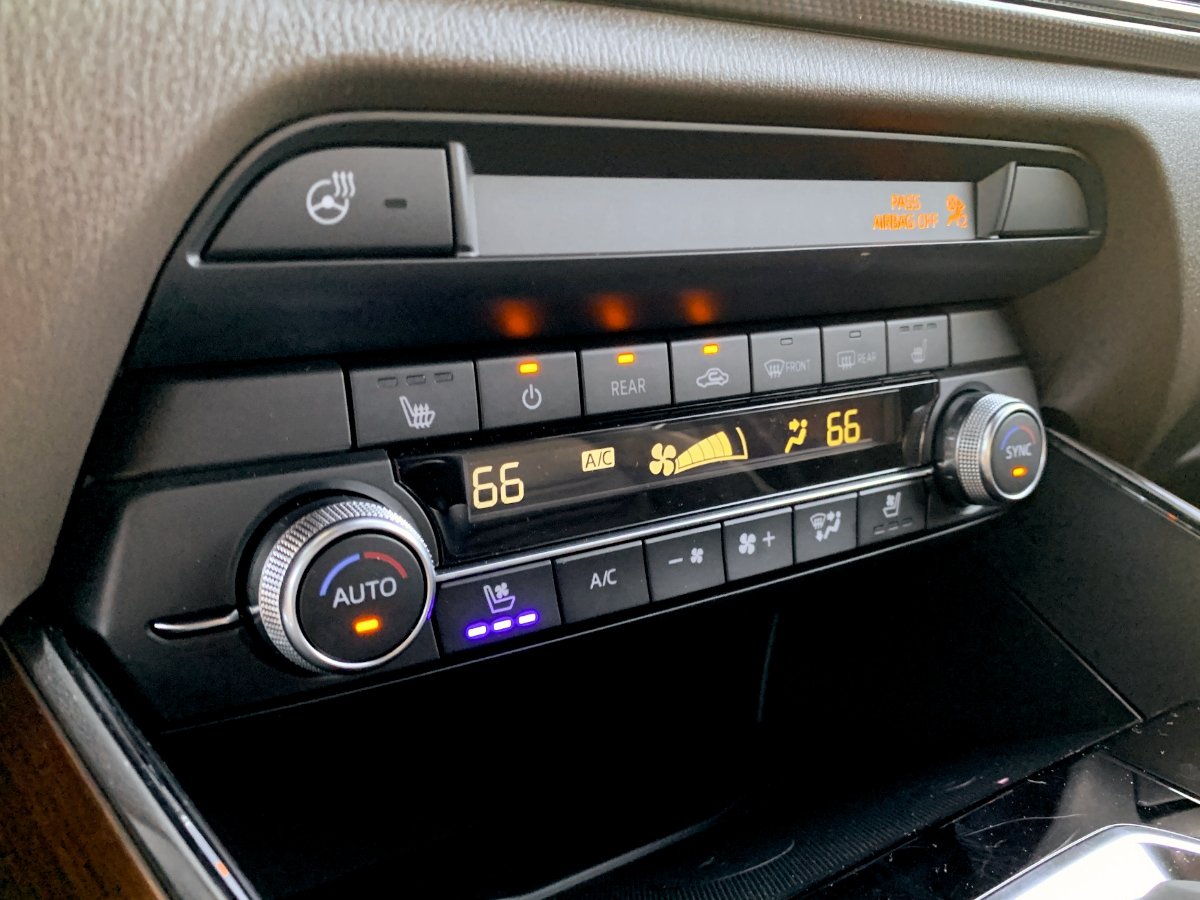
Credit: www.jdpower.com
Why Refrigerant is Important for AC Compressors
Refrigerant is a crucial component in any air conditioning system. It plays a vital role in the heating and cooling process by absorbing heat from indoor spaces and releasing it outside. Without refrigerant, your air conditioner cannot cool the air effectively, thus rendering it useless in providing comfort. For more on this, see our guide on will home heater work without ac compressor.
Additionally, refrigerant is necessary for proper lubrication and cooling of the AC compressor. The compressor works by compressing the refrigerant gas, which allows it to release heat and cool the air. Without refrigerant, the compressor may not receive adequate lubrication, leading to increased friction, overheating, and potentially even compressor failure.
In practice, the refrigerant also carries a small amount of oil that circulates through the system to keep the compressor's internal moving parts lubricated. When charge drops too low, that oil circulation stops — much like running an engine without oil. A common mistake is assuming the compressor will simply "not cool"; in reality, it can seize internally within minutes of running dry.
The Consequences of Running an AC Compressor Without Refrigerant
There are several negative consequences of running an AC compressor without refrigerant:
Reduced cooling performance: Without refrigerant, your air conditioner will not be able to effectively cool your space. The lack of refrigerant means there won't be enough heat absorption and release, resulting in poor cooling performance.
Potential damage to the system: Running an AC compressor without refrigerant puts additional stress on the compressor. Without proper lubrication and cooling, the compressor may overheat and fail, leading to costly repairs or the need for a complete system replacement.
Elevated energy consumption: In an attempt to cool your space, the AC compressor will continue to run continuously without refrigerant. This constant operation will lead to increased energy consumption, causing your electric bill to skyrocket.
No improvement in comfort: Despite the constant operation of the AC compressor, running it without refrigerant will not make your home or business more comfortable. Without the cooling effect of refrigerant, you will not experience the desired cooling and humidity control.
How Your System Detects Low Refrigerant
Modern air conditioners include low-pressure and high-pressure switches that monitor refrigerant charge. When pressure falls below a safe threshold — typically around 20–25 psi on the suction side for R-410A systems — the low-pressure switch opens the control circuit and prevents the compressor contactor from engaging. This safety feature protects the compressor from running unlubricated. However, older units or systems with failed switches may still attempt to start, which is why never rely solely on safeties; they can fail or be bypassed during prior repairs.
Signs Your AC Is Low on Refrigerant
Before the compressor shuts down entirely, the system usually gives warning signs:
- Long cooling cycles — the unit runs much longer to reach the thermostat setpoint
- Warm air from vents — especially noticeable at registers farthest from the air handler
- Ice buildup on the evaporator coil or suction line — caused by abnormally low suction pressure dropping coil temperature below freezing
- Hissing or bubbling noises near the indoor coil or line set — often indicates an active leak
- Higher-than-normal electricity bills without a corresponding increase in comfort
If you notice any of these, schedule a professional evaluation before the compressor sustains damage.
Refrigerant Types and Environmental Considerations
Residential systems manufactured after 2010 typically use R-410A (a high-pressure HFC blend), while older units may still contain R-22 (phased out for new equipment in 2020 under EPA regulations). As of 2026, the industry is transitioning toward R-32 and R-454B — lower-GWP (Global Warming Potential) alternatives mandated by the AIM Act. Never mix refrigerant types; each requires specific oil, pressure ratings, and component compatibility. If your system uses R-22 and develops a major leak, replacement is usually more cost-effective than retrofitting, given R-22's scarcity and price.
For current phase-down schedules and approved alternatives, the EPA's Significant New Alternatives Policy (SNAP) program maintains the authoritative list.
The Consequences of Running an AC Compressor Without Refrigerant (Expanded)
Beyond the immediate effects listed above, sustained operation with low charge can cause secondary damage:
| Component | Risk When Charge Is Low |
|---|---|
| Compressor windings | Overheating degrades insulation, leading to short-to-ground failure |
| Capacitor | Extended run cycles increase thermal stress, shortening lifespan |
| Contactor contacts | Frequent cycling from pressure-switch chatter causes pitting |
| Evaporator coil | Ice formation can physically distort fins, reducing airflow permanently |
| Line-set insulation | Repeated freeze-thaw cycles degrade UV protection and vapor barrier |
Addressing a leak early is almost always cheaper than replacing any of the components above.

Credit: thefurnaceoutlet.com — Technician reading suction and liquid pressures to verify charge
https://www.youtube.com/watch?v=BaNIBzw6azE
How to Prevent Running Your AC Compressor Without Refrigerant
To avoid the negative consequences mentioned above, it's important to regularly check and maintain your air conditioning system. Here are a few preventive measures you can take:
Schedule regular maintenance: Engaging the services of a professional HVAC technician for regular maintenance helps identify any refrigerant leaks and ensures your system has the proper amount of refrigerant.
Address refrigerant leaks promptly: If you notice a drop in refrigerant levels, have a professional technician locate and repair any leaks. This helps to prevent further loss of refrigerant and ensures optimal system performance.
Keep your system clean: Regularly clean the outdoor condenser unit to remove any debris or dirt that could hinder airflow and cause your system to work harder, leading to potential refrigerant issues.
Seasonal maintenance visits should include a pressure check, superheat/subcooling verification, and a visual inspection of all flare fittings, service-valve cores, and the evaporator coil for oil residue — the telltale sign of a slow leak. Many contractors also offer maintenance agreements that prioritize scheduling and include discounted repairs; ask your local provider about seasonal air conditioning maintenance tips tailored to your climate zone.
For homeowners considering a new installation, proper sizing and commissioning are critical to avoiding charge-related problems from day one. Our AC installation guide walks through the key steps, and if you're evaluating equipment, see what are the best HVAC air conditioning systems for residential use for current top-rated options.
When to Repair vs. Replace the Compressor
If the compressor has already failed due to low refrigerant, the decision hinges on three factors:
- System age — Over 12–15 years: replacement usually wins on efficiency gains alone.
- Warranty status — Many manufacturers offer 10-year compressor warranties (registration required); labor may not be covered.
- Refrigerant type — R-22 systems facing a compressor failure are strong replacement candidates.
A qualified technician can perform a compressor megohm test and acid test on the oil to assess whether burnout contaminated the rest of the system. If acid is present, a full system flush or line-set replacement adds significant cost.
Conclusion
Running an AC compressor without refrigerant isn't just ineffective — it risks catastrophic, expensive damage to the heart of your cooling system. The refrigerant does double duty: it moves heat and carries the oil that keeps the compressor alive. Modern pressure switches provide a safety net, but they aren't foolproof. The practical takeaway? Treat any cooling-performance drop as a potential refrigerant issue and have it diagnosed promptly. A simple leak repair today prevents a compressor replacement tomorrow.
Next step: Schedule a professional pressure check before peak season — especially if your system is over five years old or you've noticed longer run times. For help finding a qualified technician or comparing replacement options, start with our guide on how to choose the right air conditioner for your home.
Frequently Asked Questions On Will Ac Compressor Run Without Refrigerant? Discover The Power Of Refrigerant In Your Air Conditioning System!
What Happens If Ac Compressor Runs Without Refrigerant?
Running an AC compressor without refrigerant can damage the system and fail to cool the space.
Will Car Ac Compressor Engage Without Freon?
Running a car AC compressor without Freon can cause damage, as it needs refrigerant to function.
Will Low Refrigerant Stop Compressor From Running?
Yes, low refrigerant can prevent the compressor from running efficiently, leading to potential damage. Insufficient refrigerant levels can impact cooling efficiency and strain the system. Regular maintenance and checking refrigerant levels can prevent such issues.
Does Ac Compressor Need Refrigerant?
Yes, the AC compressor requires refrigerant to operate efficiently and cool the space effectively.