Ac Compressor Condenser : Expert Tips & Troubleshooting
Exploring AC Compressor Condenser
Looking to understand the critical role of an AC compressor condenser in your cooling system?

Outdoor condenser unit with compressor visible
Credit: www.amazon.com
Understanding the Basics
When it comes to your air conditioning system, the AC compressor and condenser play vital roles. Let's dive deeper into their functions:
Component Function
AC Compressor Squeezes the refrigerant gas
Condenser Converts the refrigerant gas to a liquid
The compressor pressurizes low‑pressure refrigerant vapor into a high‑pressure, high‑temperature gas, which then flows into the condenser where it releases heat and condenses into a liquid. This continuous cycle is the heart of any vapor‑compression cooling system. For a deeper look at how HVAC systems differ from simpler cooling units, see how HVAC systems differ. The U.S. Department of Energy guidance also offers a clear overview of the refrigeration cycle.
Signs of Compressor Condenser Issues
Reduced cooling
Refrigerant leaks
Abnormal noises
Electrical malfunctions
In practice, reduced cooling often shows up first as longer run times or uneven temperatures across rooms. Refrigerant leaks may leave oily residue on copper lines or cause a hissing sound. Abnormal noises — grinding, rattling, or loud buzzing — can indicate bearing wear, fan imbalance, or electrical arcing. Electrical malfunctions frequently trip breakers or cause the compressor to fail to start. If you’re seeing warm air from vents, our guide on troubleshooting warm air issues walks through the most common diagnostic steps.
Replacement Considerations
When facing a faulty compressor or condenser, it's essential to evaluate the best course of action:
Full system replacement
Condenser alone replacement
https://www.youtube.com/watch?v=GOXgdnRB840
Deciding between a full system replacement and a condenser‑only swap depends on the system’s age, warranty status, and the condition of the matching indoor coil. A common mistake is replacing only the outdoor unit while the indoor coil is near end‑of‑life, which often leads to mismatched capacity and premature failure. For detailed diagnostic steps before you commit, review these condenser troubleshooting steps.
Cost Concerns
Considering the cost implications of AC compressor and condenser replacement is essential for informed decision-making. The prices can vary significantly based on factors such as location and unit specifications.
Labor rates, brand markup, refrigerant type (R‑410A vs. newer R‑32), and whether the installation requires line‑set replacement all influence the final invoice. In many regions, a straightforward condenser swap starts around $1,500, while a full compressor‑condenser replacement with line‑set work can exceed $3,500. Regular upkeep helps avoid surprise expenses; our seasonal maintenance tips outline the checks that keep costs predictable.
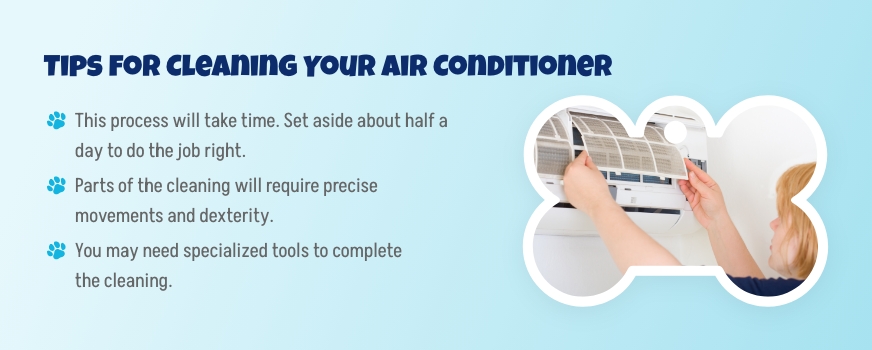
Maintenance tips infographic for compressor and condenser
Credit: www.ready-able.com
Maintenance Tips for Longevity
- Clean the condenser coil annually with a gentle spray of water; avoid pressure washers that can bend fins.
- Keep at least 24 inches of clearance around the outdoor unit for proper airflow.
- Inspect and tighten electrical connections during each seasonal tune‑up.
- Verify refrigerant charge with a calibrated manifold gauge set — low charge stresses the compressor.
- Replace the air filter every 1‑3 months to maintain indoor coil cleanliness and system balance.
- Schedule a professional inspection before peak cooling season; early detection of worn contactors or capacitors prevents mid‑summer breakdowns.
Following these practices extends equipment life and preserves efficiency. For installation‑specific guidance, see outdoor unit installation best practices.
When to Call a Professional
- The compressor fails to start and the capacitor tests good.
- Refrigerant pressures are outside manufacturer specifications.
- You detect a burnt‑oil smell or see dark discoloration on the compressor terminals.
- The system short‑cycles (runs less than 5 minutes per cycle) repeatedly.
- Electrical readings show voltage drop or phase imbalance at the contactor.
These symptoms typically require specialized tools (recovery machines, vacuum pumps, megohmmeters) and EPA Section 608 certification. Brand‑specific nuances can also matter; our brand-specific troubleshooting guides cover common fault codes for major manufacturers.
Environmental Considerations
Modern systems increasingly use lower‑GWP refrigerants such as R‑32 or R‑454B. If your unit still runs on R‑410A, retrofitting is rarely cost‑effective; replacement with a new, compliant system is usually the better path. Proper recovery and recycling of old refrigerant is mandatory — venting is illegal and harmful. The EPA refrigerant handling regulations outline technician certification and record‑keeping requirements. Staying informed about latest refrigerant innovations helps you make future‑proof choices.
Frequently Asked Questions Of Ac Compressor Condenser : Expert Tips & Troubleshooting
What Is An Ac Condenser Vs Compressor?
The outdoor unit contains your compressor and condenser, which transform the refrigerant to cool your space. The compressor squeezes the refrigerant gas, while the condenser converts it back into a liquid. Look for reduced cooling, refrigerant leaks, and abnormal noises for possible issues.
How Do I Know If My Ac Compressor Condenser Is Bad?
Signs of a bad AC compressor condenser include reduced cooling, refrigerant leaks, abnormal noises, and electrical malfunctions. If your air conditioner is blowing lukewarm air or experiencing any of these issues, it may be time to replace the AC condenser compressor.
The cost of replacement can vary, so it's recommended to consult with a professional HVAC technician for an accurate estimate. Replacing just the condenser without the compressor is generally not recommended as it may result in an inefficient system.
How Much Does It Cost To Replace An Ac Condenser Compressor?
The cost to replace an AC condenser compressor varies widely; as of 2026, typical ranges are between $1,500 and $3,500, but always consult a professional for an accurate quote for your specific situation.
Do I Need To Replace Ac Condenser With Compressor?
If the compressor fails, replace both the condenser and compressor for optimal performance. Replacing only the condenser may lead to an inefficient system.
What Maintenance Extends Compressor And Condenser Life?
Annual coil cleaning, maintaining proper clearance, timely filter changes, and professional refrigerant charge verification are the most impactful steps. Neglecting any of these accelerates wear and raises energy consumption.
Can I Upgrade To A Newer Refrigerant Without Replacing The Whole System?
In most cases, no. Different refrigerants operate at different pressures and require compatible compressors, coils, and metering devices. A full system replacement is usually the only reliable route.
Conclusion
Understanding the roles of your AC compressor and condenser is crucial for maintaining an efficient cooling system. Regular maintenance and timely replacements can ensure optimal performance and comfort. Choosing the right air conditioner for your home’s load and climate is the next step toward long‑term savings and comfort. Schedule a professional inspection today to avoid costly breakdowns.