Car Ac Compressor Rattling Noise : Troubleshooting Guide
Car AC Compressor Rattling Noise
Are you troubled by a rattling noise coming from your car's AC compressor? It's crucial to address this issue promptly to prevent further damage and ensure your driving comfort. In this guide, we'll explore the common causes of AC compressor rattling noise and how to resolve this issue effectively.
Reasons for Rattling Noise
When your car's AC compressor starts making a rattling noise, several factors could be at play:
Faulty installation causing misalignment
Debris interfering with the fan
Bent fan blades hitting machinery
Diagnosing the Problem
If you suspect an issue with your AC compressor, here are some steps to diagnose the problem:
Check for chattering, whining, or squealing sounds
Inspect the compressor clutch for wear and tear
Observe if the noise persists when the AC is turned on

Illustration of typical compressor components
Credit: keepincool.com.au
https://www.youtube.com/watch?v=RFC5jMhUm4s
Step-by-Step Diagnosis Procedure
Begin by turning the engine off and opening the hood to locate the compressor. With the engine running, listen closely at idle and then at higher RPMs to see if the rattle changes pitch. Use a mechanic’s stethoscope or a long screwdriver placed on the compressor housing to isolate the sound. Next, verify the serpentine belt tension and alignment — a loose belt can mimic compressor noise. Finally, engage the AC and watch the clutch engagement; a delayed or jerky clutch often points to electrical or mechanical wear. For a deeper dive on related symptoms, see the guide on warm air diagnosis. For more on this, see our guide on car ac compressor making knocking noise.
Solutions and Repair
Once you've identified the cause of the rattling noise, it's time to address the issue:
Problem Solution
Faulty Installation Realign the fan or parts for proper functioning
Debris Interference Clean the fan area to remove any obstructions
Worn Clutch Replace the compressor clutch for smooth operation
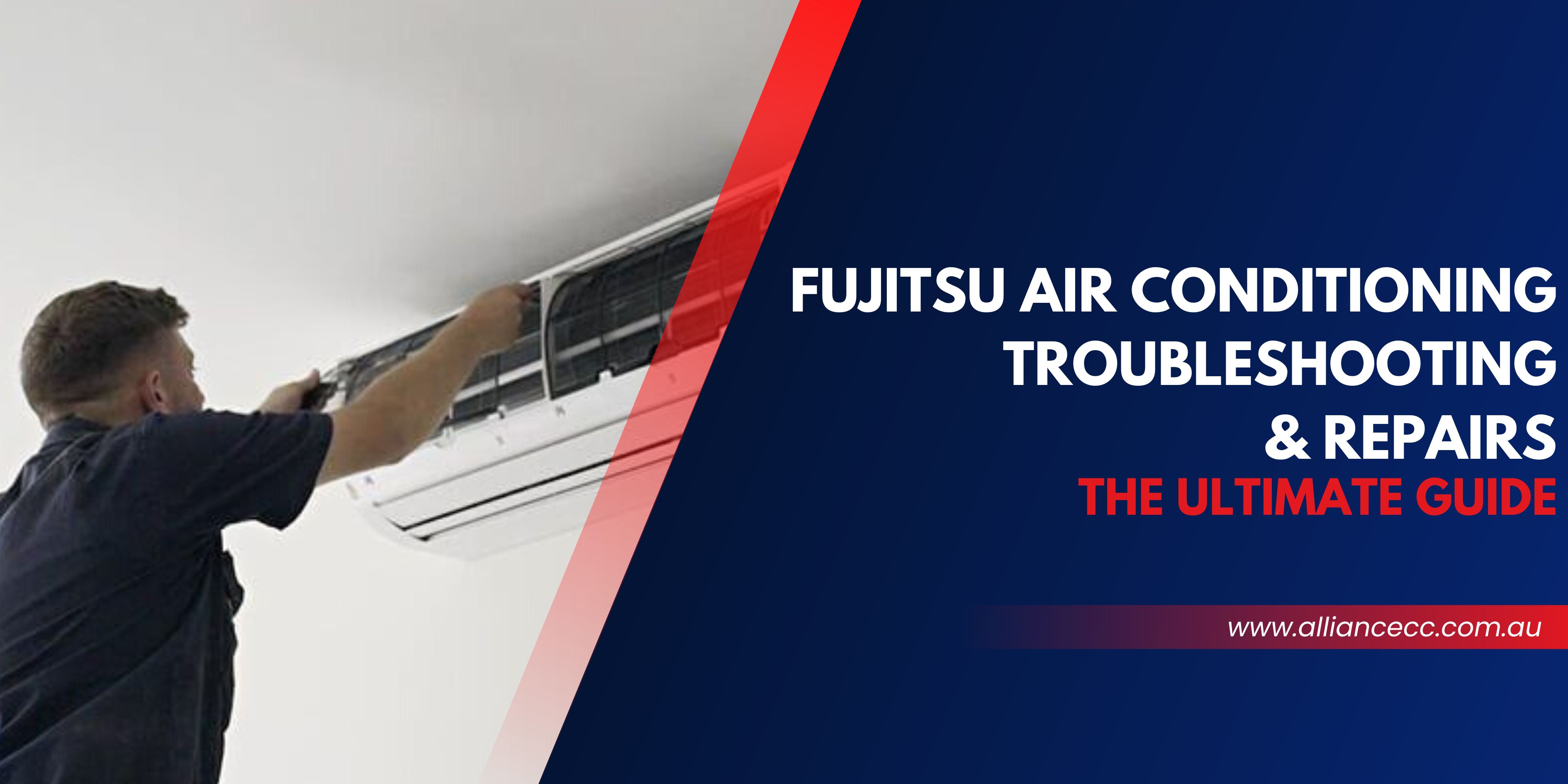
Diagram showing common AC troubleshooting steps
Credit: www.alliancecc.com.au
Preventive Maintenance Tips
Regular upkeep can stop rattles before they start. Schedule a seasonal upkeep check each spring to clean debris from the condenser and verify belt tension. During service, ask the technician to inspect the compressor mounting bolts and clutch air gap — loose mounts are a frequent cause of vibration. Keep the refrigerant charge at the manufacturer’s specification; low charge forces the compressor to work harder and can accelerate wear. Follow the EPA refrigerant guidelines for proper handling and disposal of refrigerants. Additionally, periodic condenser checks help catch airflow restrictions early.
Impact of Delayed Action
Ignoring a rattling AC compressor can lead to further complications:
Driving Safety Concerns
While you may be tempted to drive with a noisy AC compressor, it's important to consider the following:
Driving with a faulty compressor can lead to system failure
Increased risk of further mechanical issues
Safety hazards due to potential system malfunction
Cost Considerations
Repair costs vary widely depending on the root cause. A simple debris removal may cost under $100, while a full compressor replacement — including refrigerant recharge — can exceed $800 on many modern vehicles. Labor rates differ by region, and OEM parts tend to be pricier than aftermarket units. When budgeting, factor in a diagnostic fee (often $80‑$120) and any ancillary parts such as belts, tensioners, or mounting hardware. For help deciding between repair and replacement, consult the guide on choosing a replacement unit.
Consulting a Professional
If you're uncertain about diagnosing or fixing the AC compressor issue, it's best to seek help from a professional mechanic. They can provide expert advice and perform necessary repairs to ensure your AC system operates smoothly.
When to Seek Professional Help
If the rattle persists after basic cleaning and belt checks, or if you notice refrigerant leaks, electrical faults, or the compressor clutch cycling erratically, it’s time to involve a certified technician. Complex issues like internal valve damage or shaft seizure require specialized tools and recovery equipment. A qualified shop can also perform a full system performance test to verify cooling capacity after repair. For installation‑level work, see professional installation services.
Frequently Asked Questions On Car Ac Compressor Rattling Noise : Troubleshooting Guide
Why Is My Car Ac Compressor Making A Rattling Noise?
If your car AC compressor is making a rattling noise, it could be due to worn-out or faulty parts. The compressor contains moving components that may wear out over time, causing the noise. It's important to have it inspected and serviced to prevent further damage.
Why Is My Ac Making A Rattling Sound?
The rattling sound from your AC could be caused by a misaligned fan due to faulty installation or debris knocking it out of place. Bent fan blades may also cause noise when they knock against other parts. It is best to consult a reliable AC repair company to prevent further issues and ensure proper functioning of your unit.
A noisy AC compressor may indicate a faulty clutch or a seizing shaft, which should be addressed by professional AC service. Avoid driving with a broken AC compressor to prevent further damage.
What Does A Bad Compressor Sound Like On Ac?
A bad compressor on an AC can produce various sounds such as chattering, whining, squealing, chirping, or rattling noises. These noises indicate that it is time for AC service. The noises may occur when engaging the AC switch or could be constant.
The noises result from a faulty clutch or a seizing shaft. If you experience any of these sounds, it is crucial to address the issue promptly.
Can You Drive With A Noisy Ac Compressor?
Yes, you can drive with a noisy AC compressor, but it should be repaired as soon as possible to prevent further damage.
How Often Should I Inspect My AC Compressor?
A visual and auditory inspection each oil change (roughly every 5,000‑7,500 miles) catches early wear. Listen for new noises, check belt condition, and verify the clutch engages cleanly when the AC is switched on.
What Tools Are Needed for a Basic Compressor Check?
A mechanic’s stethoscope or long screwdriver, a belt tension gauge, a set of metric sockets, and a refrigerant manifold gauge set (if you’re checking pressures) cover most basic diagnostics.
Conclusion
Don't ignore the rattling noise coming from your car's AC compressor. By understanding the underlying causes and taking prompt action, you can prevent serious damage and maintain a comfortable driving experience. Remember, addressing the issue early can save you from costly repairs down the road.
Book a certified AC technician now to silence that rattle for good.