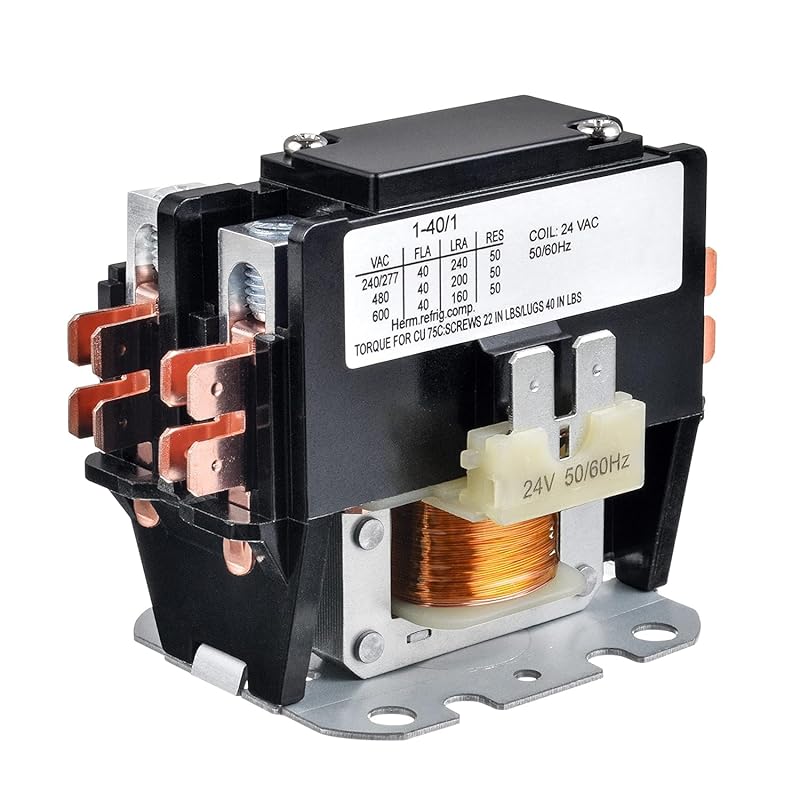
Wondering where the fuse is for your old Carrier air conditioner? Don’t worry—most Carrier AC units store their fuses in accessible locations like the control panel, circuit board, or electrical box. Whether you’re troubleshooting a tripped breaker or replacing a blown fuse, knowing exactly where to look can save time and prevent costly repairs. In this guide, we’ll walk you through every possible spot to find the fuse in older Carrier models, explain how to test and replace it safely, and help you avoid common mistakes that could damage your system.
Finding the fuse in an old Carrier air conditioner can feel like solving a puzzle—but with the right approach, it’s surprisingly straightforward. Whether you’re dealing with a unit that won’t start, making strange noises, or just not cooling properly, a blown fuse is often a quick fix. Carrier has been a trusted name in HVAC since 1934, producing reliable systems for decades. While newer models come with advanced diagnostics and self-protecting circuits, older units rely more on physical fuses to safeguard motors and control boards. Understanding where these critical components are located—and how they function—can empower you to troubleshoot confidently without calling a technician every time.
In this comprehensive guide, we’ll take you step-by-step through identifying, accessing, and replacing the fuse in your vintage Carrier air conditioner. We’ll also cover what to do if you can’t find one, why your system might keep blowing fuses, and how to prevent future failures. No technical jargon, no overwhelming diagrams—just clear, practical advice you can use today.
Key Takeaways
- Fuse Location Varies by Model: Older Carrier air conditioners don’t always have a dedicated fuse box; instead, fuses may be integrated into the control board or located near the thermostat wiring.
- Check the Control Panel First: Many vintage Carrier units place fuses behind the front access panel or inside the control compartment—look for small glass tubes labeled “F1” or “F2”.
- Inspect the Circuit Breaker Panel: If your AC won’t turn on, the issue might not be a blown internal fuse but a tripped breaker in your home’s main electrical panel.
- Safety Comes First: Always power down the unit and unplug it before inspecting or replacing any electrical components—never work on live circuits.
- Know When to Call a Pro: If you can’t locate the fuse or aren’t comfortable handling electrical parts, contact a licensed HVAC technician for safe assistance.
- Prevent Future Failures: Regular maintenance, including cleaning coils and checking connections, reduces strain on your system and minimizes fuse-related issues.
📑 Table of Contents
Why Your Carrier AC Might Need a Fuse Replacement
Before diving into where to look, let’s talk about why you might even need to check the fuse. Fuses protect sensitive electronic parts from power surges or overloads. In older Carrier units, especially those built before the 1990s, fuses were standard safety features—often glass tubes that would break (or “blow”) when too much current passed through them. Once a fuse blows, it stops electricity flow entirely, which prevents damage to the compressor, fan motor, or control board.
Common signs your Carrier AC needs a fuse check include:
– The unit powers on but doesn’t cool
– Only some components run (e.g., fan spins but compressor doesn’t engage)
– Intermittent operation or frequent shutdowns
– A burnt smell coming from the indoor unit
If your outdoor condenser unit isn’t responding at all, however, the problem might lie elsewhere—like a disconnected wire, faulty capacitor, or refrigerant leak. That said, starting with the fuse is always smart because it’s fast, free, and easy to verify.
Where Is the Fuse Located in Most Old Carrier Models?

Visual guide about Where Is the Fouse for My Old Carrier Air Conditioner
Image source: cms.tapchigiaochuc.com.vn
Unlike modern smart thermostats with digital error codes, classic Carrier air conditioners use simple mechanical or electromechanical controls. As a result, fuses are typically housed in one of three places:
1. Behind the Indoor Unit’s Control Panel
Many older Carrier window or through-wall units feature a removable front panel that swings open to reveal the thermostat wiring and internal components. Behind this panel, you’ll often find a small plastic housing or clip holding one or two fuses. These are usually labeled “F1” (for the compressor) and sometimes “F2” (for auxiliary circuits). The fuses are typically 1/4 inch in diameter and look like tiny lightbulbs—glass tubes filled with metal filaments.
To access them:
– Turn off the AC at the thermostat.
– Unplug the unit from the wall outlet.
– Remove the front panel by unscrewing visible screws or lifting it gently from the bottom edge.
– Look for a black or white plastic box with two wires attached.
If you see glass tubes inside, those are your fuses. Use a flashlight to inspect them: if the filament inside is broken, the fuse is blown.
2. On the Circuit Board Inside the Outdoor Condenser Unit
Some Carrier models place fuses directly onto the printed circuit board (PCB) near the compressor relay. This is less common than the indoor location but still occurs in units from the 1970s and 80s. The PCB will have a small rectangular fuse holder soldered next to larger IC chips.
Accessing this requires:
– Turning off the breaker for the AC.
– Removing the access panel on the side of the outdoor unit.
– Carefully unscrewing the PCB from its mounting bracket.
– Inspecting the board for a fuse marked “F1” or similar.
Note: Never touch exposed copper traces while the power is on. If you’re unsure, skip this step and focus on the indoor unit first.
3. Within the Electrical Junction Box Near the Wall
For wall-mounted Carrier units installed directly into drywall, the fuse might be tucked inside the electrical junction box where the thermostat wires connect. This is rare but possible in custom installations. Check behind the thermostat faceplate and along the conduit leading to the AC unit.
How to Test and Replace a Blown Fuse Safely

Visual guide about Where Is the Fouse for My Old Carrier Air Conditioner
Image source: esoftskills.com
Once you’ve located the fuse(s), testing them is simple. You’ll need a basic multimeter set to continuity mode or a spare fuse of the correct rating (usually 5 amps for Carrier systems).
Step-by-step process:
1. **Power Off Completely**: Flip the breaker switch and wait 5 minutes for capacitors to discharge.
2. **Remove the Fuse**: Gently pull the glass tube straight out using needle-nose pliers.
3. **Test It**: Place the multimeter probes across the ends of the fuse. If it shows infinite resistance (no continuity), it’s blown.
4. **Replace with Same Rating**: Use an identical fuse—never exceed 5 amps unless specified in the manual.
5. **Reassemble Everything**: Snap the new fuse back in place, reattach panels, restore power, and test the unit.
Pro tip: Keep spare fuses in a labeled envelope taped inside your HVAC closet. They’re cheap and invaluable during summer emergencies.
What If There’s No Visible Fuse?
Not all old Carrier units have traditional glass fuses. Some rely on thermal cutoffs, resettable circuit breakers, or simply lack overcurrent protection altogether. In these cases, a non-starting unit usually points to another culprit:
– **Faulty Capacitor**: Worn-out capacitors are the #1 cause of AC failure in aging systems.
– **Compressor Burnout**: Seized motors can draw excessive current and trip breakers repeatedly.
– **Wiring Damage**: Corroded or frayed wires inside walls can mimic a blown fuse.
If you’ve confirmed the power supply is intact and the breaker hasn’t tripped, but the AC still won’t run, consider consulting a technician. Diagnosing hidden faults requires specialized tools and knowledge.
Common Mistakes People Make When Looking for Fuses
Even experienced DIYers occasionally stumble here. Avoid these pitfalls:
– **Assuming Every Old Unit Has a Fuse**: Not all pre-1990s models include fuses—some used resistors or direct connections.
– **Ignoring the Breaker Panel**: A tripped breaker looks just like a dead fuse. Always rule that out first.
– **Using Wrong Tools**: Never probe fuses with metal objects—this risks short-circuiting other components.
– **Skipping Safety Protocols**: Working on live circuits can cause electric shock or fire.
When in doubt, err on the side of caution. Your safety outweighs the cost of a few minutes of extra research.
Maintenance Tips to Prevent Fuse Problems
Prevention beats repair every time. Follow these habits to keep your old Carrier running smoothly:
– **Clean the Coils Annually**: Dirty evaporator or condenser coils force the compressor to work harder, increasing heat buildup and stress on electrical parts.
– **Replace Air Filters Monthly**: Clogged filters restrict airflow, causing the system to cycle more frequently and overheat.
– **Schedule Professional Tune-Ups**: Even if everything seems fine, an HVAC pro can spot worn contacts, loose terminals, or failing relays before they blow fuses.
– **Monitor for Strange Noises**: Grinding, buzzing, or clicking sounds often signal impending mechanical failure—address them immediately.
By treating your Carrier AC as part of your home’s essential infrastructure rather than disposable equipment, you’ll extend its life significantly.
Frequently Asked Questions
Do all old Carrier air conditioners have fuses?
No, not all vintage Carrier units include traditional glass fuses. Some rely on thermal cutoffs or lack overcurrent protection entirely. Always consult your owner’s manual or check the control panel first before assuming a fuse is present.
Can I use a higher-rated fuse to prevent future blows?
Never. Using a fuse with a higher amp rating defeats its purpose—it won’t protect your system and could allow dangerous current levels to pass, potentially damaging the compressor or starting a fire.
My Carrier AC keeps tripping the breaker—is it a fuse issue?
If the breaker trips immediately when you try to restart the unit, the problem likely isn’t a blown fuse but a short circuit or overload, such as a seized compressor or damaged wiring. Investigate further or call a technician.
Where is the fuse in a Carrier window unit?
In most window-mounted Carrier units, the fuse is located behind the front access panel, near the thermostat wiring. Remove the panel, look for labeled glass tubes, and test/replace as needed.
How do I know if my fuse is blown without a multimeter?
Visually inspect the glass tube: if the metal filament inside appears broken or discolored, the fuse is blown. Alternatively, swap it with a known-good fuse from another device (same type).
Can I bypass the fuse to get my AC working again?
Absolutely not. Bypassing a fuse removes critical protection and risks permanent damage to your compressor, control board, or even electrical wiring. Always replace—not bypass—blown fuses.