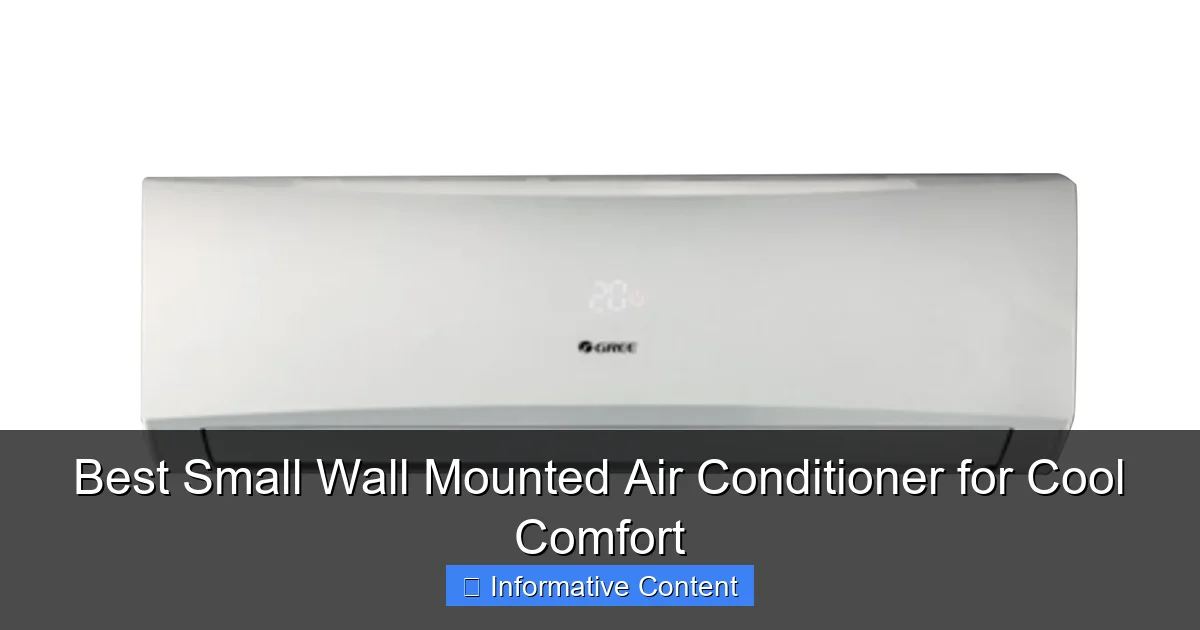
Featured image for wall mounted air conditioner and heater combo
Experience ultimate year-round comfort with a wall mounted air conditioner and heater combo—this space-saving, energy-efficient unit delivers powerful cooling in summer and reliable heating in winter, all with a sleek, quiet design. Perfect for homes, offices, or rental properties, it offers dual functionality, easy installation, and precise temperature control in one smart, modern package.
Key Takeaways
- Dual-function units save space and money with heating and cooling in one.
- Energy-efficient models cut utility costs while maintaining year-round comfort.
- Easy wall mounting reduces floor clutter and simplifies installation.
- Smart controls enable remote temperature adjustments via apps or voice assistants.
- Quiet operation ensures comfort without disruptive noise in living spaces.
- All-season use eliminates the need for separate heating and cooling systems.
- Proper sizing ensures optimal performance—match unit capacity to room dimensions.
📑 Table of Contents
- Wall Mounted Air Conditioner and Heater Combo for Year Round Comfort
- How Wall Mounted Air Conditioner and Heater Combos Work
- Benefits of Choosing a Combo Unit
- Key Features to Look for in a Wall Mounted Combo
- Installation and Maintenance: What to Expect
- Real-World Performance: Pros and Cons
- Final Thoughts: Is a Wall Mounted Combo Right for You?
Wall Mounted Air Conditioner and Heater Combo for Year Round Comfort
Remember that moment when you’re huddled under three blankets in winter, only to sweat through them by mid-summer? Or when your old AC unit rattles so loud it drowns out your favorite podcast? I’ve been there. For years, I cycled through space heaters, window units, and fans, never quite getting the balance right. Then I discovered the wall mounted air conditioner and heater combo—a quiet, efficient, and surprisingly stylish solution that’s become my go-to for year-round comfort.
These units are more than just a trendy upgrade. They’re a game-changer for small apartments, home offices, sunrooms, or even bedrooms where space and noise matter. Whether you’re battling a heatwave in July or a chilly snap in January, a wall mounted combo unit handles it all—without the bulk of separate systems. And the best part? They’re easier to install and more energy-efficient than you might think. Let’s dive into how they work, what to look for, and how to pick the perfect one for your space.
How Wall Mounted Air Conditioner and Heater Combos Work
At first glance, a wall mounted air conditioner and heater combo might seem like magic: one sleek unit that cools in summer and warms in winter? Yes, it’s real—and it’s based on a clever bit of engineering. These systems use heat pump technology, the same principle that powers modern refrigerators and high-efficiency HVAC systems. Here’s how it works, broken down simply.
The Heat Pump Principle: Cooling and Heating in One
Instead of creating cold or heat from scratch, heat pumps move thermal energy. In cooling mode, the unit absorbs heat from your room and releases it outside—just like a regular AC. But in heating mode, it reverses the process: it pulls warmth from the outdoor air (yes, even when it feels cold!) and brings it inside. This is possible because air contains heat energy even at low temperatures. Think of it like a sponge soaking up warmth and squeezing it into your room.
For example, a unit with a 12,000 BTU capacity might extract 12,000 BTUs of heat from outside air at 35°F and deliver it inside, using only 3,000 watts of electricity. That’s a 4:1 efficiency ratio—far better than electric resistance heaters, which convert 1 watt of electricity into 1 watt of heat.
Components That Make It Possible
Here’s what you’ll find inside most wall mounted combos:
- Indoor unit: Mounted high on the wall, it houses the fan, evaporator coil, and controls. It’s where you feel the cool or warm air.
- Outdoor unit: Usually installed on the ground or a bracket, it contains the compressor and condenser. It’s the “noisy” part, but modern models are surprisingly quiet.
- Refrigerant lines: Two insulated copper pipes connect the indoor and outdoor units, carrying the refrigerant that moves heat back and forth.
- Reversing valve: This small but crucial part flips the refrigerant flow direction, switching the unit from cooling to heating mode with a click of a button.
- Remote control & smart features: Most models include a remote and Wi-Fi connectivity for scheduling and monitoring via your phone.
Fun fact: Many units can even dehumidify in cooling mode—perfect for humid climates. My own unit in Florida reduced my indoor humidity by 20% during the summer, making the air feel cooler without cranking the temp down.
Benefits of Choosing a Combo Unit
Why go for a wall mounted air conditioner and heater combo instead of separate systems? Let’s be real: space, cost, and convenience are huge factors. But beyond that, these units offer some unexpected perks you might not have considered.
Space-Saving and Aesthetic Appeal
If you live in a small apartment, studio, or a home with limited wall or floor space, a combo unit is a no-brainer. Unlike bulky window ACs that block light and views, or floor heaters that take up precious real estate, wall mounted units are sleek and unobtrusive. They’re typically 8–12 inches deep and blend into the wall, often with a modern design.
I installed mine in my 200-square-foot home office. Before, I had a window AC unit that blocked half my view and a space heater that I had to move every time I cleaned. Now, the wall mounted combo sits quietly above my desk, barely noticeable—except when it’s keeping me perfectly comfortable.
Energy Efficiency and Lower Bills
Heat pump technology is way more efficient than electric heaters or older AC units. According to the U.S. Department of Energy, heat pumps can reduce heating electricity use by 50% compared to baseboard heaters. In cooling mode, many models have a Seasonal Energy Efficiency Ratio (SEER) of 18–22, which is 20–40% more efficient than standard window units (SEER 10–12).
For example, my 9,000 BTU unit uses about 0.8 kW per hour in heating mode. At my local electricity rate of $0.13/kWh, that’s just $0.10 per hour to heat my office. A space heater would cost $0.16 for the same warmth—and take longer to heat the room evenly.
Year-Round Use Without Seasonal Switching
No more packing away the AC in winter or dusting off the heater in summer. A combo unit works 365 days a year. Set your thermostat to 72°F, and it’ll cool in summer, heat in winter, and even run in “auto” mode to maintain that temperature. Many models have a “follow me” feature where the remote senses the temperature near you and adjusts the unit accordingly.
One winter, my thermostat died during a cold snap. My wall mounted unit kept the room warm using just the remote control—no need to run downstairs or reset anything. It was a small but meaningful win during a stressful time.
Quiet Operation and Smart Features
Older window units can hit 60–70 decibels—like a loud conversation. Most wall mounted combos run at 40–50 dB, quieter than a library. My unit’s lowest setting is just 38 dB, perfect for sleeping or video calls.
And smart features? They’re a lifesaver. I use the app to turn the unit on 30 minutes before I get home from work. It’s already cool by the time I walk in. Some models even have air quality sensors, self-cleaning modes, and voice control via Alexa or Google Home.
Key Features to Look for in a Wall Mounted Combo
Not all wall mounted air conditioner and heater combos are created equal. Some are energy hogs. Others struggle in extreme cold. So how do you pick the right one? Let’s break down the must-have features—and a few red flags to avoid.
Heating Performance in Cold Climates
Heat pumps work best in mild to moderate climates, but many modern models now handle sub-freezing temps thanks to inverter technology and low-temperature heat pumps. Look for a unit with a “HSPF” (Heating Seasonal Performance Factor) rating of 8.5 or higher. This measures heating efficiency over an entire season.
For example, the Mitsubishi MSZ-GL12NA has a HSPF of 9.5 and can heat efficiently down to 15°F. That’s perfect for northern states. But if you live in a place like Minnesota or Maine, consider a model with a backup electric heater (often called a “crankcase heater”) for extreme cold snaps.
Cooling Capacity and Room Size Match
BTUs (British Thermal Units) tell you how much cooling or heating power a unit has. But more isn’t always better. Oversized units cool too fast, causing short cycling and poor humidity control. Undersized units run constantly, wasting energy.
Here’s a quick guide:
- 100–250 sq ft: 5,000–7,000 BTU
- 250–400 sq ft: 7,000–9,000 BTU
- 400–600 sq ft: 9,000–12,000 BTU
- 600–800 sq ft: 12,000–15,000 BTU
My 9,000 BTU unit perfectly covers my 300 sq ft office, even with a south-facing window. But if your room has poor insulation or high ceilings, add 1,000–2,000 BTU to the recommendation.
Energy Star and Inverter Technology
Always look for Energy Star certification. It means the unit meets strict efficiency standards set by the EPA. But even better? Units with inverter compressors. Unlike traditional “on/off” compressors, inverters adjust speed gradually, saving energy and reducing wear.
For example, a non-inverter unit might run at 100% power for 5 minutes, then shut off for 10. An inverter unit runs at 30% power for 15 minutes. Same result, but smoother and 20–30% more efficient.
Noise Levels and Air Quality Features
Check the decibel (dB) rating. For bedrooms, aim for 40 dB or lower on low fan speed. Some units have ionizers or carbon filters to reduce odors and allergens. The LG Art Cool Mirror series, for instance, includes a 3-step air cleaning system—great if you have pets or allergies.
Smart Controls and Installation Ease
Wi-Fi and app control let you monitor usage, set schedules, and receive maintenance alerts. But don’t overlook installation. Most wall mounted combos require a professional for the refrigerant line connection and electrical work. Look for brands that offer pre-charged lines (like Senville or MRCOOL) to simplify setup.
Tip: Ask about the “line set” length. Standard is 25 feet, but you can extend to 50 feet with proper refrigerant adjustment. Measure your indoor and outdoor unit locations early!
Installation and Maintenance: What to Expect
Installing a wall mounted air conditioner and heater combo isn’t a weekend DIY project for most people. But with the right prep, it can be smooth and stress-free. Let’s walk through what happens—and how to keep your unit running smoothly for years.
Professional Installation: Why It Matters
Yes, you can buy a “DIY” kit, but refrigerant lines and electrical connections require EPA certification. A pro ensures:
- Proper refrigerant charge (too much or too little kills efficiency)
- Correct electrical wiring (240V for most units)
- Adequate drainage (to prevent leaks)
- Compliance with local building codes
My installer took 6 hours, including mounting the outdoor unit on a concrete pad and running the lines through an exterior wall. The cost was $500—worth every penny for peace of mind. DIY kits can save $200–$300, but mistakes can lead to leaks, poor performance, or even safety hazards.
Wall Preparation and Placement Tips
Choose a wall that:
- Faces the outdoor unit (to minimize line length)
- Has access to a 240V outlet or dedicated circuit
- Is away from direct sunlight, heat sources, or drafts
- Is at least 7 feet above the floor (for optimal airflow)
Pro tip: Use a laser level to mark the mounting bracket. My installer used a 45-degree line to ensure the indoor unit tilted slightly outward for drainage—a detail I’d never have noticed!
Maintenance for Longevity
These units are low-maintenance, but a little care goes a long way:
- Clean the filter monthly: Most units have a washable mesh filter. Rinse with water and let it dry.
- Clear debris from the outdoor unit: Trim plants, remove leaves, and clean the condenser coil annually.
- Check refrigerant lines: Insulate them if exposed to direct sun or extreme temps.
- Schedule a professional check every 2–3 years: A pro can check refrigerant levels, electrical connections, and overall performance.
I clean my filter every 4 weeks during peak season. It takes 5 minutes and keeps airflow strong. Last winter, I forgot to clear snow from the outdoor unit—it took 2 days to thaw, and my heating was sluggish. Lesson learned!
Real-World Performance: Pros and Cons
Let’s get real: no product is perfect. Wall mounted air conditioner and heater combos have clear advantages, but they’re not without trade-offs. Here’s what you can expect based on real user experiences and data.
The Pros: Why People Love Them
- Energy savings: Users report 30–50% lower heating bills vs. electric heaters. One Reddit user in Colorado saved $200 over a 3-month winter.
- Comfort consistency: No more hot/cold spots. The wall-mounted design blows air evenly across the room.
- Low noise: Most users say the indoor unit is “barely noticeable.” My neighbor didn’t even know I’d installed one until I told him.
- Smart features: App control, scheduling, and energy tracking are game-changers for busy households.
- Space efficiency: Ideal for rentals, tiny homes, or rooms with limited floor space.
The Cons: What to Watch Out For
- Upfront cost: $800–$2,500 for the unit, plus $300–$800 for installation. More than a window AC, but less than a full HVAC system.
- Heating limits in extreme cold: Below 15°F, efficiency drops. Backup heat may kick in (increasing electricity use).
- Installation complexity: Requires professional help for most homeowners. Not as plug-and-play as portable units.
- Condensation issues: If the drain line clogs, water can leak. My unit once dripped during a storm—fixed by clearing the line with a pipe cleaner.
- Brand variability: Some brands (like Midea) are budget-friendly but less durable. Others (like Daikin) cost more but last 15+ years.
Data Table: Wall Mounted Combo Comparison (2024 Models)
| Model | BTU | SEER | HSPF | Noise (dB) | Price (Unit Only) | Smart Features |
|---|---|---|---|---|---|---|
| Senville SENA-12HF | 12,000 | 22.5 | 10.5 | 42 | $1,199 | Wi-Fi, app, Alexa |
| MRCOOL Advantage | 9,000 | 20.5 | 9.0 | 38 | $899 | Wi-Fi, app, remote |
| Mitsubishi MSZ-GL12NA | 12,000 | 20.5 | 9.5 | 45 | $1,899 | Wi-Fi, air purifier |
| LG Art Cool Mirror | 9,000 | 19.5 | 8.5 | 40 | $1,499 | Wi-Fi, 3-stage filter |
The Senville stands out for efficiency, while the MRCOOL is a great budget pick. The Mitsubishi handles cold climates best, and the LG offers premium air quality features. Your choice depends on climate, budget, and room size.
Final Thoughts: Is a Wall Mounted Combo Right for You?
After a year with my wall mounted air conditioner and heater combo, I can confidently say it’s one of the best home investments I’ve made. It’s saved me money, reduced my stress, and made my small space feel like a sanctuary. But it’s not for everyone—and that’s okay.
If you’re in a mild to moderate climate, have a room under 800 sq ft, and value efficiency and quiet operation, a combo unit is a fantastic choice. It’s perfect for apartments, home offices, bedrooms, sunrooms, or even small studios. But if you live in a place with brutal winters (think -10°F or lower), you might need a backup heating source or a more specialized system.
Here’s my final advice: Measure your room, check your electrical setup, and talk to a pro before buying. Don’t rush into a purchase based on a flashy ad. Read reviews, compare specs, and think about your long-term needs. And if you do take the plunge? Enjoy the comfort—year after year.
At the end of the day, a wall mounted air conditioner and heater combo isn’t just about staying cool or warm. It’s about creating a space where you can focus, relax, and feel at home—no matter what the weather throws at you. And that? That’s worth every penny.
Frequently Asked Questions
What is a wall mounted air conditioner and heater combo?
A wall mounted air conditioner and heater combo is a single HVAC unit designed to provide both cooling in summer and heating in winter. These space-saving systems are installed high on walls, offering efficient, year-round climate control for homes and offices.
How does a wall mounted AC and heater combo work?
The unit uses a heat pump system to reverse refrigerant flow, providing cooling or heating as needed. In winter, it extracts heat from outside air (even in cold temps) and moves it indoors, while in summer it removes indoor heat.
Are wall mounted air conditioner and heater combos energy efficient?
Yes, most modern units have high SEER (cooling) and HSPF (heating) ratings, using inverter technology to adjust output and minimize energy waste. This makes them more efficient than many traditional HVAC systems.
Can I install a wall mounted air conditioner and heater combo myself?
Professional installation is strongly recommended due to refrigerant handling, electrical connections, and proper mounting requirements. Incorrect DIY installation can void warranties and create safety hazards.
What size wall mounted AC/heat combo do I need for my room?
Unit size depends on room square footage, insulation, and climate zone. Generally, you need 20-30 BTUs per square foot—a 12,000 BTU unit typically covers 400-600 sq ft. An HVAC pro can provide precise sizing.
Do wall mounted combos require ductwork?
No, these are ductless mini-split systems, making them ideal for homes without existing ducts or room additions. Only a small hole is needed for the refrigerant line and electrical connections.