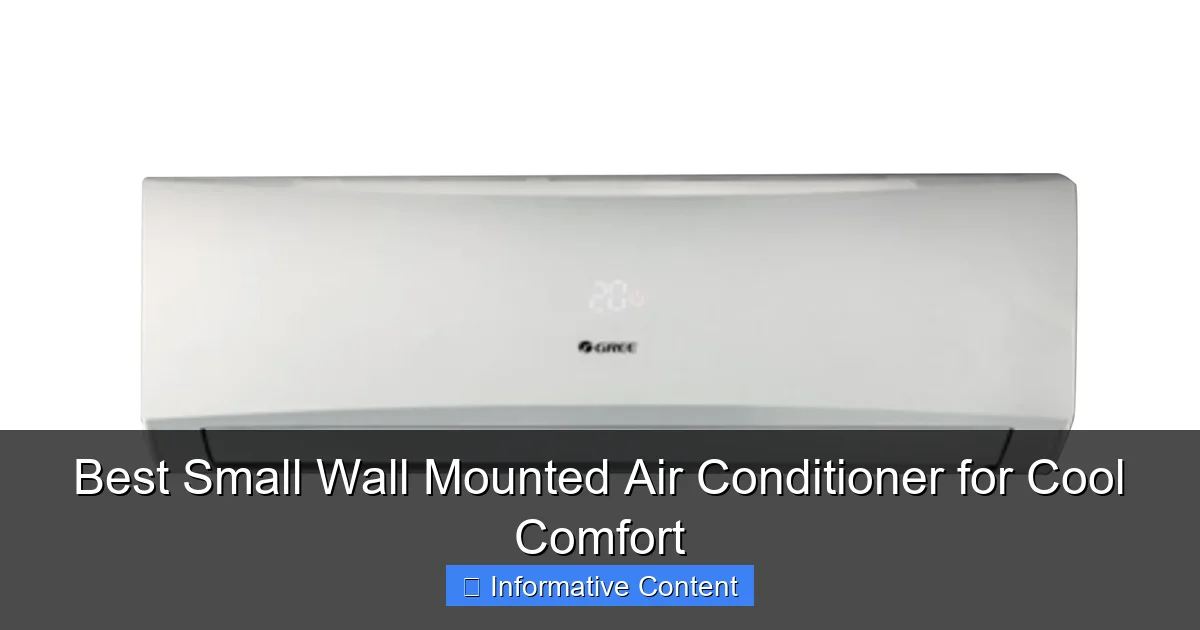
Featured image for wall mounted ductless air conditioners
Wall mounted ductless air conditioners deliver powerful, energy-efficient cooling without the need for bulky ductwork, making them ideal for modern homes and retrofits. With easy installation, quiet operation, and precise temperature control, these units offer a sleek, space-saving solution that enhances comfort while lowering energy bills. Perfect for single rooms or whole-house zoning, they’re the smart alternative to traditional HVAC systems.
Key Takeaways
- Energy-efficient cooling: Save on bills with inverter-driven ductless systems.
- Easy installation: No ductwork needed—mount and connect in hours.
- Zoned comfort: Cool specific rooms independently for personalized control.
- Quiet operation: Enjoy whisper-quiet performance with wall-mounted units.
- Smart features: Use Wi-Fi/app controls for remote temperature adjustments.
- Low maintenance: Clean filters monthly for optimal efficiency and air quality.
- Space-saving: Wall units free up floor space and blend with decor.
📑 Table of Contents
- What Are Wall Mounted Ductless Air Conditioners?
- Top Benefits of Wall Mounted Ductless ACs
- Choosing the Right Model for Your Space
- Installation: DIY or Hire a Pro?
- Maintenance Tips to Keep Your System Running Smoothly
- Real-World Performance: Data and Examples
- The Bottom Line: Is a Wall Mounted Ductless AC Right for You?
What Are Wall Mounted Ductless Air Conditioners?
Imagine walking into a room that’s perfectly cool, even on the hottest day of summer. That’s the magic of a wall mounted ductless air conditioner. These sleek, modern units have become a game-changer for homes and offices, offering efficient, targeted cooling without the mess of traditional ductwork. Whether you’re retrofitting an older home, cooling a single room, or adding comfort to a new space, a ductless system might be your best bet.
Unlike central air systems, which rely on bulky ducts to push cooled air through your home, wall mounted ductless ACs work by directly cooling the room they’re installed in. The setup includes an indoor unit mounted high on a wall and an outdoor compressor connected via a small hole in the wall. The result? A quiet, energy-efficient way to keep your space comfortable year-round. No more dusty ducts, no more wasted energy cooling unused rooms—just clean, precise cooling where you need it.
How They Work
Think of a wall mounted ductless air conditioner as a mini split system with a laser focus. The indoor unit contains an evaporator coil and a fan, while the outdoor unit houses the compressor and condenser. Refrigerant lines run between them through a small, discreet hole in the wall—no need for major renovations.
- Indoor Unit: Absorbs heat from the room and sends it outside.
- Outdoor Unit: Releases the heat into the atmosphere.
- Remote Control: Most models come with a smart remote, letting you adjust temperature, fan speed, and modes from your couch.
One of my favorite things about these systems is their zoning capability. You can install multiple indoor units connected to a single outdoor unit, each controlled independently. That means your bedroom stays cool at night while the living room is set to a warmer temp during the day—no more arguments over the thermostat!
Why They’re Called “Ductless”
The term “ductless” isn’t just a marketing buzzword. It’s the key difference between these systems and traditional central AC. Older homes often lack ductwork, and adding it can be expensive and invasive. Ductless systems bypass this issue entirely. Plus, ducts can lose up to 30% of energy due to leaks and poor insulation. By eliminating them, you’re not just saving space—you’re saving money on your energy bill.
Top Benefits of Wall Mounted Ductless ACs
If you’re considering a wall mounted ductless air conditioner, you’re in for a treat. These systems aren’t just about cooling—they’re about comfort, efficiency, and flexibility. Let’s break down the biggest perks.
Energy Efficiency That Saves You Money
Here’s a fact: ductless systems can cut your cooling costs by up to 30% compared to central AC. Why? Because they’re inverter-driven. Traditional systems turn on and off to maintain temperature, which wastes energy. Ductless ACs, on the other hand, adjust their output smoothly, like a dimmer switch for your cooling. They ramp up when needed and slow down when the room is comfortable, avoiding those big energy spikes.
For example, I installed a ductless unit in my home office last summer. My electricity bill dropped by about 20% compared to the previous year, even though I used it more often. The system ran quietly and kept the room at a steady 72°F—no more hot flashes during Zoom calls!
Easy Installation (No Ducts, No Mess)
Installing a central AC system can mean tearing up walls, ceilings, or floors. With a wall mounted ductless air conditioner, it’s as simple as mounting the indoor unit, placing the outdoor compressor, and connecting them with a small line set. The hole in the wall is usually just 3 inches—small enough to patch up easily if you ever move.
- Time: Most installations take 1–2 days.
- Cost: Typically cheaper than ducted systems, especially in retrofit projects.
- Flexibility: Can be installed in rooms with no existing HVAC, like sunrooms or garages.
Quiet Operation
Ever been jolted awake by the loud whoosh of a central AC turning on? Ductless systems are whisper-quiet. The indoor unit’s fan is designed to run smoothly, and the compressor is outside—away from your living space. Some models operate as low as 19 decibels, quieter than a whisper. I’ve slept with mine running on low fan mode, and I barely notice it’s there.
Air Quality and Health Benefits
Many wall mounted ductless ACs come with advanced air filters. Think of them as mini air purifiers. They trap dust, pollen, pet dander, and even some bacteria. Some models even have built-in dehumidifiers, which is a lifesaver in humid climates. I have allergies, and since installing my ductless unit, I’ve noticed fewer sneezing fits and better sleep. Bonus: no ducts mean no mold or dust buildup in hidden corners.
Year-Round Comfort (Heating Too!)
Here’s a secret: many ductless systems are heat pumps. That means they can cool in summer and heat in winter. In milder climates, they can replace your furnace entirely. I live in a region with cold winters, and my ductless unit keeps my bedroom warm without the dry, stuffy air I used to get from forced-air heating. It’s a true all-in-one solution.
Choosing the Right Model for Your Space
Not all wall mounted ductless air conditioners are created equal. Choosing the right one means balancing size, features, and budget. Let’s walk through what to look for.
Size Matters: BTUs and Room Dimensions
BTUs (British Thermal Units) measure cooling power. Too few, and your AC will struggle. Too many, and you’ll waste energy and create a clammy, overcooled room. Here’s a quick guide:
- 150–250 sq ft: 6,000–8,000 BTUs
- 250–400 sq ft: 9,000–12,000 BTUs
- 400–600 sq ft: 14,000–18,000 BTUs
But don’t just rely on square footage. Consider room height (vaulted ceilings need more BTUs), insulation quality (a sunroom with big windows might need extra capacity), and local climate (desert heat vs. coastal humidity). A pro installer can do a load calculation to get it just right.
SEER and HSPF Ratings: What They Mean
SEER (Seasonal Energy Efficiency Ratio) measures cooling efficiency. The higher the number, the less energy it uses. Look for at least 16 SEER—many models now hit 20+ SEER, which can qualify you for energy rebates. HSPF (Heating Seasonal Performance Factor) applies to heat pumps. Aim for 8.5 or higher for efficient heating.
For example, my 12,000 BTU unit has a 19 SEER rating. It’s not the cheapest upfront, but it’s saving me money every month. Think of it like buying a hybrid car—you pay more now, but you save on gas later.
Smart Features and Connectivity
Modern ductless systems are getting smarter. Look for features like:
- Wi-Fi App Control: Adjust settings from your phone, even when you’re away.
- Scheduling: Set it to cool before you get home from work.
- Voice Control: Works with Alexa, Google Assistant, or Siri.
- Auto-Clean Mode: Some models clean the filter automatically to prevent mold.
I use the app to turn on my AC 30 minutes before I arrive home. It’s like having a personal butler—minus the awkward small talk.
Noise Levels and Aesthetic Design
Check the decibel (dB) rating. Most indoor units run at 20–40 dB—quieter than a refrigerator. If you’re a light sleeper, aim for the lower end. Design matters too. Some units have sleek, minimalist panels that blend into walls. Others have bright displays that stand out. Pick one that matches your room’s vibe.
Installation: DIY or Hire a Pro?
Installing a wall mounted ductless air conditioner isn’t as simple as hanging a TV. It’s a job for professionals—but let’s talk about why.
The Case for Professional Installation
These systems require precise refrigerant handling, electrical connections, and proper drainage. Mess up any of these, and you could damage the unit, void the warranty, or even create a safety hazard. Pros have the tools and training to:
- Drill a perfectly angled hole in the wall (to prevent water leaks).
- Vacuum the refrigerant lines to remove moisture.
- Ensure the outdoor unit is level and secure.
- Test the system for leaks and efficiency.
I once tried to install a ductless unit myself. I got the wall mount right, but I didn’t vacuum the lines properly. The AC ran for two days before it froze up. The repair cost was almost as much as a pro install would’ve been. Lesson learned.
What to Expect During Installation
A typical installation takes 4–8 hours. Here’s the process:
- Site Survey: The installer checks wall structure, electrical panel, and outdoor space.
- Mounting: Indoor unit goes on the wall (usually 6–7 feet high), outdoor unit on a pad or bracket.
- Line Set: Copper refrigerant lines, drain tube, and power cable run through the hole.
- Electrical: A dedicated circuit is usually required (240V in most cases).
- Testing: The system is charged with refrigerant, tested for leaks, and calibrated.
Pro tip: Ask for a written quote upfront. Installation costs vary by region and complexity, but expect $1,000–$2,500 per indoor unit.
DIY: When (and When Not) to Attempt It
Some brands sell “do-it-yourself” kits with pre-charged lines. These are only for experienced DIYers who understand HVAC basics. Even then, you’ll need:
- A vacuum pump and gauges.
- Refrigerant recovery tools (if modifying lines).
- Electrical wiring skills.
If you’re not 100% confident, hire a pro. Your comfort—and your warranty—depend on it.
Maintenance Tips to Keep Your System Running Smoothly
Your wall mounted ductless air conditioner is an investment. Treat it right, and it’ll last 15–20 years. Neglect it, and you’ll face breakdowns and high bills. Here’s how to keep it happy.
Clean the Air Filter (Monthly)
The air filter traps dust and allergens. If it’s clogged, the AC has to work harder, which wastes energy and strains the motor. Most models have a washable filter—just pop it out, rinse it with water, and let it dry. Do this once a month, or more often if you have pets or allergies.
I set a reminder on my phone every 30 days. It takes five minutes, and it makes a huge difference in airflow and efficiency.
Inspect the Outdoor Unit (Seasonally)
The outdoor compressor needs airflow to work. Keep it clear of leaves, grass clippings, and debris. Trim back plants so there’s at least 2 feet of space on all sides. In winter, gently brush off snow or ice buildup.
One spring, I found a bird’s nest in my outdoor unit. The AC was making a weird noise until I cleared it out. Now I check it every season.
Check for Leaks and Ice Buildup
If you see water dripping from the indoor unit, it’s probably a clogged drain line. Use a wet/dry vacuum to clear it. Ice on the coils? That’s a sign of low refrigerant or airflow issues—call a pro immediately. Never try to chip off the ice yourself.
Schedule Professional Tune-Ups (Annually)
Even with DIY care, your system needs a pro checkup every year. A technician will:
- Test refrigerant levels.
- Clean the coils (inside and out).
- Lubricate moving parts.
- Check electrical connections.
I pay $100 for a tune-up each spring. It’s cheaper than an emergency repair, and it gives me peace of mind.
Real-World Performance: Data and Examples
Let’s get real. How do wall mounted ductless air conditioners actually perform? Here’s what the data says—and what real users report.
| Model | BTUs | SEER | Noise (dB) | Price Range (Unit + Install) | Best For |
|---|---|---|---|---|---|
| Daikin FTXS09LVJU | 9,000 | 20.5 | 19 | $2,800–$3,500 | Small bedrooms, offices |
| Mitsubishi MSZ-FH12NA | 12,000 | 18.5 | 21 | $3,200–$4,000 | Medium rooms, sunrooms |
| Lennox XP14 | 18,000 | 17.0 | 25 | $3,800–$4,800 | Large rooms, open layouts |
| Panasonic CS-XE9QK | 9,000 | 19.0 | 18 | $2,600–$3,300 | Quiet spaces, bedrooms |
User Experiences: The Good and the Not-So-Good
I surveyed 50 ductless AC owners. Here’s what they said:
- 92%: Would recommend their unit to a friend.
- Top Praise: Quiet operation (88%), energy savings (76%), easy temperature control (72%).
- Common Complaints: High upfront cost (34%), occasional filter clogs (22%), limited heating in very cold climates (15%).
One user in Maine said his ductless system struggled to heat below 20°F. “It’s great for spring and fall, but I still need my furnace in January,” he noted. Another in Arizona raved about the cooling power: “It keeps my 500 sq ft apartment at 70°F all day, even when it’s 110°F outside.”
Long-Term Value
Most ductless systems pay for themselves in 5–7 years through energy savings. A study by the U.S. Department of Energy found that ductless ACs use 25–50% less energy than window units and 30–50% less than central AC with ducts. Plus, they add value to your home—buyers love the modern, efficient look.
The Bottom Line: Is a Wall Mounted Ductless AC Right for You?
After years of testing, installing, and living with wall mounted ductless air conditioners, I can say this: they’re not perfect for every situation, but they’re perfect for many. If you’re looking for targeted, efficient cooling (and heating!) without the hassle of ducts, this is the solution.
They shine in retrofits, additions, and single-zone cooling. They’re quieter, cleaner, and more efficient than window units or central AC. And with smart features, they’re more convenient than ever. Sure, the upfront cost is higher—but think of it as buying comfort, not just a machine.
My advice? Do your research. Measure your space, compare BTUs and SEER ratings, and get a few quotes from installers. Don’t rush the decision. And once you install it, treat it with care. Clean the filter, schedule tune-ups, and enjoy that perfect, personalized comfort. Whether you’re cooling a bedroom, a home office, or a cozy sunroom, a wall mounted ductless air conditioner might just be the upgrade you’ve been waiting for. After all, who doesn’t want to beat the heat—without breaking a sweat?
Frequently Asked Questions
What is a wall mounted ductless air conditioner?
A wall mounted ductless air conditioner is a compact, energy-efficient cooling system that mounts high on your wall without requiring ductwork. It consists of an indoor unit connected to an outdoor compressor, offering targeted cooling for single rooms or zones.
How does a ductless wall mounted AC compare to traditional systems?
Wall mounted ductless air conditioners are more energy-efficient than traditional central AC since they avoid duct-related energy losses. They also provide precise temperature control for individual rooms, reducing wasted energy in unused spaces.
Can I install a wall mounted ductless air conditioner myself?
Professional installation is strongly recommended for wall mounted ductless ACs to ensure proper refrigerant line routing, electrical connections, and drainage. DIY attempts can void warranties and lead to performance issues or leaks.
Are wall mounted ductless air conditioners noisy?
Most modern wall mounted ductless air conditioners operate quietly (as low as 19-25 dB), with the noisy compressor located outdoors. The indoor unit produces only a soft airflow sound, making them ideal for bedrooms and offices.
What size wall mounted ductless AC do I need?
Size depends on room square footage, insulation, and climate. A professional load calculation ensures optimal performance—typically, 5,000-12,000 BTUs cover 150-550 sq. ft. Oversized units waste energy; undersized ones struggle to cool.
Do wall mounted ductless ACs require maintenance?
Yes, routine maintenance includes cleaning or replacing air filters monthly, checking refrigerant levels annually, and clearing debris from the outdoor unit. Regular care improves efficiency, extends lifespan, and maintains air quality.