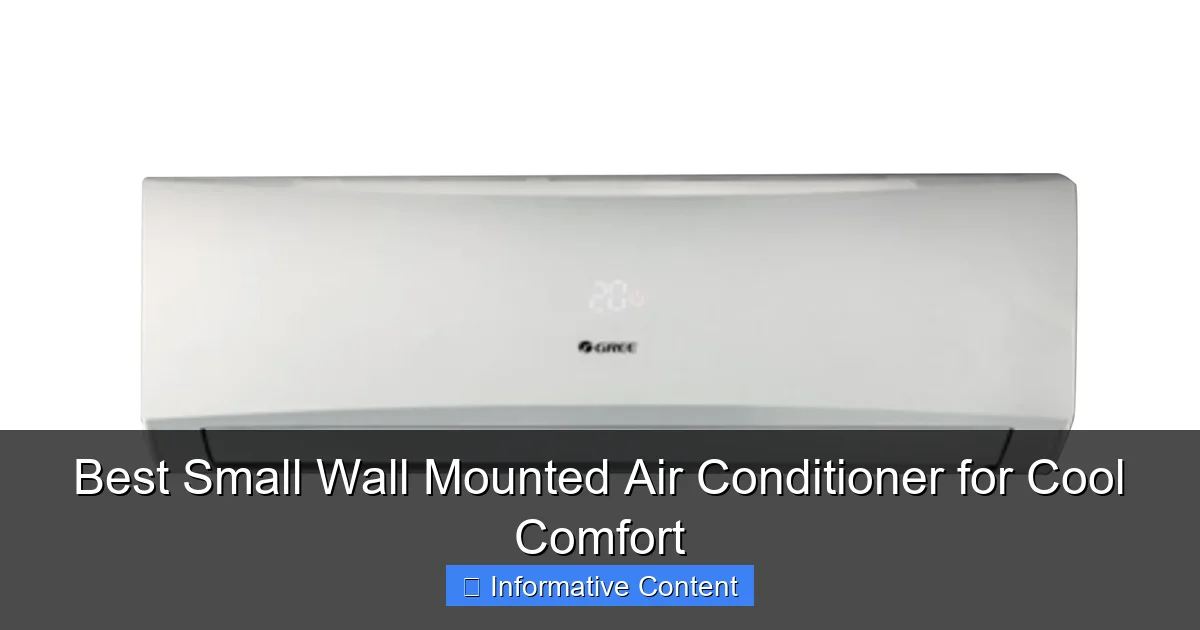
Featured image for wall mount air conditioner and heater
Wall mount air conditioner and heater units deliver year-round comfort with space-saving efficiency and precise climate control. Ideal for homes and offices, these all-in-one systems provide powerful heating and cooling without the need for ductwork, making them a smart, energy-efficient upgrade for any room.
Key Takeaways
- Choose dual-function units: Opt for wall mounts with both cooling and heating for year-round comfort.
- Prioritize energy efficiency: Look for high SEER and HSPF ratings to save on utility bills.
- Ensure proper sizing: Match unit capacity to room size for optimal performance and efficiency.
- Install correctly: Hire professionals to guarantee safe, leak-free mounting and electrical connections.
- Maintain regularly: Clean filters and check refrigerant levels every 3 months for peak operation.
- Use smart controls: Programmable thermostats and Wi-Fi enable precise, convenient temperature management.
📑 Table of Contents
- Wall Mount Air Conditioner and Heater Ultimate Comfort Guide
- How Wall Mount Air Conditioners and Heaters Work
- Types of Wall Mount Air Conditioners and Heaters
- Key Features to Look for When Buying
- Installation Tips and What to Expect
- Top Brands and Models to Consider
- Is a Wall Mount Air Conditioner and Heater Right for You?
- Final Thoughts: Your Path to Year-Round Comfort
Wall Mount Air Conditioner and Heater Ultimate Comfort Guide
Remember that first sweltering summer day when the air inside your home felt like a sauna, and your old window unit just wasn’t cutting it anymore? Or maybe you’ve shivered through a winter night, wrapped in blankets, wishing your heating system could keep up? If you’ve ever found yourself toggling between discomfort and frustration, you’re not alone. Many homeowners and renters are discovering a smarter, more efficient solution: the wall mount air conditioner and heater.
These sleek, space-saving units are quietly revolutionizing how we think about indoor climate control. Unlike bulky window units that block natural light or central HVAC systems that require extensive ductwork, wall-mounted systems offer a clean, modern alternative. They’re perfect for apartments, condos, sunrooms, garages, or even as supplemental heating and cooling in larger homes. Whether you’re looking to beat the summer heat or stay cozy in winter, a wall mount air conditioner and heater can deliver year-round comfort—without the hassle.
In this guide, we’ll walk you through everything you need to know about these versatile units. From how they work and what to look for when buying, to installation tips and real-world performance, we’ve got you covered. No fluff, no sales pitch—just honest, practical advice to help you make the right choice for your space. Let’s dive in.
How Wall Mount Air Conditioners and Heaters Work
At first glance, a wall mount air conditioner and heater might seem like magic—how can one unit both cool and heat your space? The truth is, it’s not magic at all. It’s smart engineering, and understanding how these systems function can help you appreciate their efficiency and versatility.
The Cooling Process: Refrigeration Made Simple
When in cooling mode, your wall-mounted unit works much like a traditional air conditioner. It uses a refrigerant—a special chemical that easily absorbs and releases heat—to pull warm air from inside your room and expel it outside. Here’s how it happens:
- The indoor unit draws in warm room air through a filter.
- A fan blows this air over cold evaporator coils filled with refrigerant.
- As the air passes over the coils, heat is absorbed, cooling the air.
- The cooled air is then blown back into the room.
- The heated refrigerant travels to the outdoor unit (or compressor), where the heat is released outside.
This cycle repeats until your room reaches the desired temperature. The result? A cool, comfortable space without the need for ductwork or major renovations.
The Heating Process: Reverse Cycle Technology
Here’s where things get really clever. Many wall mount air conditioner and heater units use what’s called a heat pump system. Instead of generating heat through electric resistance (which can be energy-intensive), a heat pump reverses the refrigeration cycle to move heat from outside into your home—even when it’s cold outside.
Yes, you read that right: heat pumps can extract warmth from cold outdoor air. This is possible because even at temperatures as low as 20°F (-7°C), there’s still thermal energy in the air. The refrigerant absorbs this heat, compresses it to increase its temperature, and then releases it indoors through the same indoor unit.
This process is incredibly efficient. In fact, heat pumps can deliver 3 to 4 units of heat for every 1 unit of electricity consumed—making them far more efficient than baseboard heaters or furnaces in many climates.
Why This Matters for Your Comfort and Energy Bills
Understanding how your wall mount air conditioner and heater works isn’t just about satisfying curiosity—it directly impacts your comfort and energy costs. Because these systems move heat rather than generate it, they use significantly less energy, especially in moderate climates. That means lower utility bills and a smaller carbon footprint.
Plus, since the indoor unit is mounted high on the wall, it distributes air more evenly throughout the room. No more hot spots near windows or cold drafts from the floor. Just consistent, comfortable temperatures year-round.
Types of Wall Mount Air Conditioners and Heaters
Not all wall-mounted units are created equal. Depending on your needs, budget, and home setup, you’ll want to choose the right type. Let’s break down the most common options so you can make an informed decision.
Ductless Mini-Split Systems
The most popular and versatile option is the ductless mini-split. These systems consist of two main parts: an indoor wall-mounted unit and an outdoor compressor. They’re called “ductless” because they don’t require air ducts—making them ideal for older homes, additions, or rooms where ductwork isn’t practical.
Mini-splits come in single-zone (one indoor unit) or multi-zone (multiple indoor units connected to one outdoor unit) configurations. A single-zone system is perfect for cooling or heating one room, like a bedroom or home office. Multi-zone systems allow you to control the temperature in several rooms independently—great for families or open-concept spaces.
One real-world example: Sarah, a homeowner in Portland, installed a multi-zone mini-split in her 1920s bungalow. She loves that she can keep her sunroom cool in summer and her bedroom warm in winter—all without tearing up her original plaster walls for ducts.
Portable Wall-Mounted Units
If you’re renting or need a temporary solution, portable wall-mounted air conditioners and heaters might be the answer. These units are smaller, often mounted near the floor or on a bracket, and typically vent through a small window or wall opening.
While not as powerful or efficient as mini-splits, portable units are easy to install and move. They’re great for small spaces like studios, garages, or guest rooms. Just keep in mind they may not provide the same level of comfort or energy efficiency as a permanent installation.
Window-to-Wall Conversions
Some homeowners opt to convert an existing window unit into a wall-mounted setup. This involves cutting a hole in the wall (usually where a window once was) and installing a sleeve to hold the unit securely. While this can be cost-effective, it requires careful planning and professional help to ensure proper insulation and structural integrity.
This option works best if you already have a compatible window unit and are looking to improve aesthetics or free up window space. However, for long-term efficiency and performance, a dedicated wall mount air conditioner and heater is usually the better investment.
Hybrid and Smart Models
Technology is making wall-mounted systems smarter than ever. Many newer models come with Wi-Fi connectivity, allowing you to control temperature, schedules, and modes from your smartphone. Some even integrate with smart home systems like Alexa or Google Home.
Hybrid models combine heat pump technology with electric resistance heating for extra warmth in extremely cold climates. While slightly less efficient in mild weather, they ensure reliable heating when temperatures drop below freezing.
When choosing a type, consider your climate, space size, and long-term goals. A ductless mini-split is often the best all-around choice for most homeowners, but your specific needs may point you toward another option.
Key Features to Look for When Buying
With so many models on the market, it’s easy to feel overwhelmed. But don’t worry—focusing on a few key features can help you narrow down your options and find the perfect wall mount air conditioner and heater for your home.
Energy Efficiency Ratings
Look for units with high SEER (Seasonal Energy Efficiency Ratio) and HSPF (Heating Seasonal Performance Factor) ratings. SEER measures cooling efficiency, while HSPF measures heating efficiency. The higher the number, the more energy-efficient the unit.
For example, a unit with a SEER of 20 or higher and an HSPF of 10 or more will save you significant money on energy bills over time. Many energy-efficient models also qualify for rebates or tax credits, so check with your utility company or local government.
Heating and Cooling Capacity (BTUs)
BTUs (British Thermal Units) measure how much heat a unit can remove or add to a space. Choosing the right size is crucial—too small, and it won’t keep up; too large, and it will cycle on and off too frequently, wasting energy and reducing comfort.
As a general rule:
- 150–250 sq. ft.: 6,000 BTUs
- 250–300 sq. ft.: 7,000 BTUs
- 300–350 sq. ft.: 8,000 BTUs
- 350–400 sq. ft.: 9,000 BTUs
- 400–450 sq. ft.: 10,000 BTUs
- 450–550 sq. ft.: 12,000 BTUs
Keep in mind that factors like ceiling height, insulation, sun exposure, and number of windows can affect your needs. When in doubt, consult a professional for a load calculation.
Noise Levels
Nobody wants a noisy unit disrupting their sleep or conversation. Look for models with low decibel (dB) ratings—ideally below 50 dB for indoor units. Many modern units operate as quietly as a whisper, thanks to advanced fan designs and sound-dampening materials.
For example, the Mitsubishi MSZ-FH series operates at just 19 dB on low fan speed—quieter than a library. That’s a game-changer for bedrooms or home offices.
Air Filtration and Air Quality
Indoor air quality matters, especially if you have allergies or respiratory issues. Look for units with multi-stage filtration systems, including:
- Washable pre-filters to trap dust and pet hair
- Activated carbon filters to reduce odors and VOCs
- HEPA or electrostatic filters for allergens like pollen and mold
Some models even include ionizers or UV lights to neutralize bacteria and viruses. While not a replacement for whole-home air purifiers, these features can significantly improve your indoor environment.
Smart Controls and Zoning
Modern units often come with programmable thermostats, remote controls, and app connectivity. Being able to set schedules, adjust temperatures remotely, or receive maintenance alerts adds convenience and can improve efficiency.
Zoning is another powerful feature. With multi-zone systems, you can set different temperatures for different rooms—keeping the living room cool while warming up the nursery, for example. This not only boosts comfort but also reduces energy waste.
Installation Tips and What to Expect
Installing a wall mount air conditioner and heater isn’t a DIY weekend project—unless you’re a licensed HVAC technician. But that doesn’t mean you can’t be involved. Knowing what to expect can help you prepare, communicate with your installer, and ensure a smooth process.
Professional Installation Is a Must
Because these systems involve electrical wiring, refrigerant lines, and structural modifications, professional installation is strongly recommended. A certified technician will:
- Assess your space and recommend the right unit size
- Determine the best location for indoor and outdoor units
- Drill a hole through the wall for refrigerant lines and wiring
- Mount the indoor unit securely and level it properly
- Connect and charge the refrigerant system
- Test the system and walk you through operation
Attempting to install it yourself could void your warranty, damage the unit, or even create safety hazards. Plus, improper installation can reduce efficiency by up to 30%.
Choosing the Right Location
The placement of your indoor unit affects performance and comfort. Here’s what to consider:
- Height: Mount the unit high on the wall, ideally 7–8 feet above the floor, to allow for even air distribution.
- Clearance: Leave at least 6–12 inches of space above and around the unit for proper airflow.
- Obstructions: Avoid placing it behind furniture, curtains, or in direct sunlight, which can interfere with temperature sensors.
- Drainage: Ensure the unit can drain condensation properly—some models have built-in pumps for this.
For the outdoor unit, choose a shaded, well-ventilated area with enough space for airflow. Keep it away from windows, doors, and noise-sensitive areas like bedrooms.
Preparing Your Home
Before the installer arrives, do a few things to make the process smoother:
- Clear the area around the installation site
- Ensure easy access to electrical panels and outdoor space
- Discuss any concerns with your installer (e.g., noise, aesthetics, future maintenance)
- Ask about permits—some areas require approval for HVAC installations
Most installations take 4–8 hours, depending on complexity. Multi-zone systems or homes with challenging layouts may take longer.
Maintenance and Long-Term Care
Once installed, your wall mount air conditioner and heater will need regular maintenance to perform at its best. Here’s a simple routine:
- Clean or replace air filters every 1–3 months
- Wipe down the indoor unit with a damp cloth
- Keep the outdoor unit free of leaves, dirt, and snow
- Schedule professional servicing once a year (before summer and winter)
With proper care, these units can last 15–20 years—making them a smart long-term investment.
Top Brands and Models to Consider
With so many brands on the market, it’s helpful to know which ones consistently deliver quality, reliability, and innovation. Here are a few standout options in the wall mount air conditioner and heater category.
| Brand | Model | BTU Range | SEER | HSPF | Key Features |
|---|---|---|---|---|---|
| Mitsubishi | MSZ-FH12NA | 12,000 | 30.5 | 12.5 | Ultra-quiet, Wi-Fi enabled, advanced filtration |
| LG | LS120HSV5 | 12,000 | 23 | 10.6 | SmartThinQ app, dual inverter compressor, 4-way airflow |
| Daikin | FTXS12LVJU | 12,000 | 24.5 | 11.2 | Quiet operation, eco-friendly refrigerant, self-cleaning |
| Fujitsu | ASYG12LMCA | 12,000 | 25 | 11.5 | Hyper-Heat technology, low ambient heating, sleek design |
| MRCOOL | DIY 12,000 BTU | 12,000 | 18 | 9.5 | DIY installation kit, affordable, app control |
Each of these brands offers a balance of performance, efficiency, and reliability. Mitsubishi and Fujitsu are known for their quiet operation and advanced heat pump technology, making them ideal for cold climates. LG and Daikin offer strong smart features and user-friendly apps. MRCOOL stands out for its DIY-friendly kits, though professional installation is still recommended for optimal performance.
When comparing models, don’t just look at price—consider long-term savings from energy efficiency, warranty coverage, and customer support. Reading real user reviews can also give you insight into reliability and ease of use.
Is a Wall Mount Air Conditioner and Heater Right for You?
After reading this far, you might be wondering: “Is this really the right choice for my home?” The answer depends on your specific situation, but here are a few signs that a wall mount air conditioner and heater could be a great fit.
You Live in a Moderate Climate
Heat pumps work best in areas where winter temperatures rarely drop below 20°F (-7°C). If you live in the southern or coastal U.S., the Pacific Northwest, or similar regions, a wall-mounted heat pump can efficiently handle both heating and cooling year-round.
In colder climates, consider a model with hyper-heat or low-ambient heating technology, which maintains efficiency even in sub-freezing temperatures.
You Want to Save Space and Improve Aesthetics
Unlike window units that block light and views, wall-mounted units are sleek, compact, and blend into your decor. They free up floor and window space, making them ideal for small apartments, studios, or rooms with limited layout options.
You’re Looking to Reduce Energy Bills
If your current heating or cooling system is outdated or inefficient, switching to a high-efficiency wall mount unit can cut your energy use by 20–50%. Over time, those savings add up—especially when combined with smart controls and zoning.
You Need Supplemental Heating or Cooling
Even if you have central HVAC, a wall-mounted unit can be a great addition for problem areas like sunrooms, basements, or home offices. It lets you condition only the spaces you use, avoiding the cost of heating or cooling your entire home.
You Value Quiet, Consistent Comfort
If you’re tired of noisy window units, uneven temperatures, or drafty rooms, a wall mount air conditioner and heater offers a quieter, more consistent alternative. With precise temperature control and even airflow, you’ll enjoy comfort without compromise.
Of course, no system is perfect for everyone. Installation costs can be higher than window units, and they may not be ideal for extremely large homes without multiple zones. But for many homeowners and renters, the benefits far outweigh the drawbacks.
Final Thoughts: Your Path to Year-Round Comfort
Choosing the right climate control system is about more than just temperature—it’s about creating a space where you feel comfortable, relaxed, and in control. A wall mount air conditioner and heater offers a modern, efficient, and stylish solution that adapts to your lifestyle and environment.
From understanding how heat pumps work to comparing top brands and planning for installation, we’ve covered the essentials to help you make a confident decision. Whether you’re cooling a cozy bedroom, heating a sun-drenched living room, or upgrading your entire home’s HVAC, these units deliver reliable performance with minimal hassle.
Remember, the best system is the one that fits your needs, budget, and home. Take your time, do your research, and don’t hesitate to consult a professional. With the right wall mount air conditioner and heater, you’ll enjoy comfort in every season—without the sweat, the shivers, or the sky-high energy bills.
Here’s to cooler summers, warmer winters, and a home that truly feels like a retreat.
Frequently Asked Questions
What is a wall mount air conditioner and heater?
A wall mount air conditioner and heater is a ductless HVAC unit installed on a wall to provide both cooling and heating. These systems are energy-efficient, ideal for single rooms, and offer year-round comfort without requiring ductwork.
How does a wall-mounted AC and heater work?
The unit extracts heat from outside air to warm your space in winter and reverses the process to cool during summer. A compressor and refrigerant cycle enable this dual functionality, controlled via remote or thermostat.
Are wall mount air conditioner and heater units energy efficient?
Yes, most models have high SEER and HSPF ratings, using inverter technology to adjust output and save energy. They only condition occupied rooms, reducing wasted power compared to central systems.
Can I install a wall-mounted unit myself?
While DIY kits exist, professional installation is recommended to ensure proper refrigerant line sealing, electrical connections, and warranty validity. Improper setup can lead to inefficiency or damage.
What size wall mount air conditioner and heater do I need?
Unit size depends on room square footage, insulation, and climate. A professional load calculation ensures optimal BTU capacity—oversized or undersized units reduce comfort and efficiency.
Do these units require maintenance?
Regular filter cleaning (every 2-4 weeks) and annual professional servicing keep the system running efficiently. Most models include washable filters and self-cleaning functions to minimize upkeep.