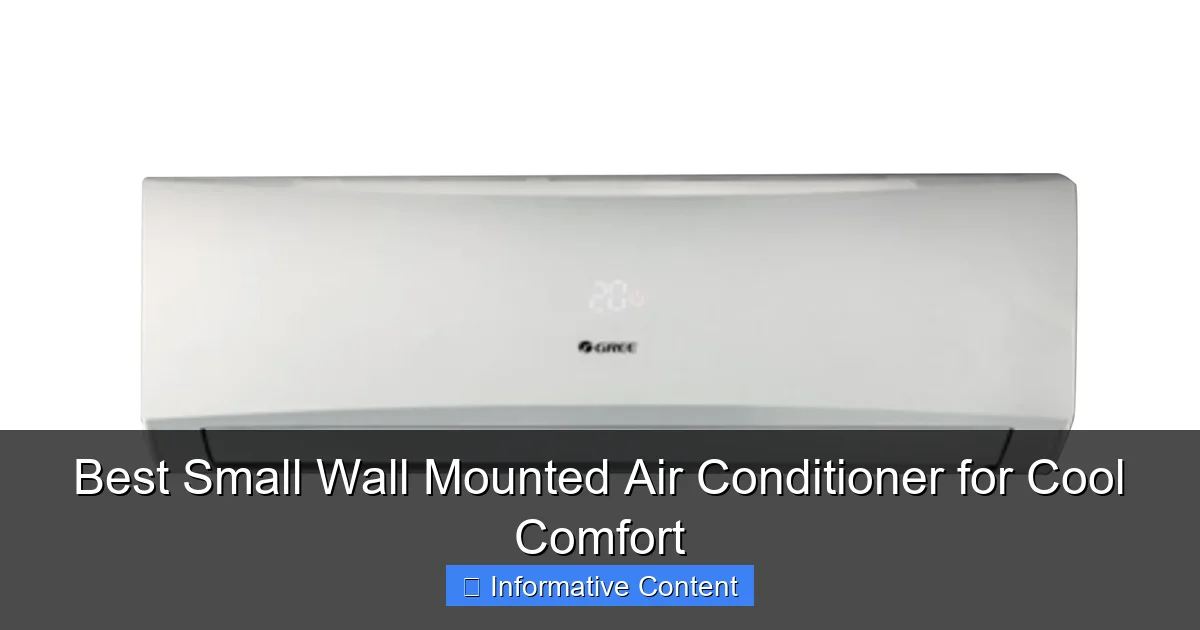
Featured image for wall heater air conditioner combo
Wall heater air conditioner combos deliver year-round climate control in one sleek, space-saving unit—ideal for apartments, offices, and tiny homes. These all-in-one systems efficiently switch between heating and cooling, reducing energy costs and eliminating the need for separate installations. With easy wall mounting and intuitive controls, they offer a smart, modern solution for consistent comfort in compact spaces.
Key Takeaways
- Dual functionality: Combines heating and cooling in one unit for year-round comfort.
- Space-saving: Ideal for small rooms, replacing bulky standalone heaters and ACs.
- Energy efficient: Modern models reduce power use with inverter and smart tech.
- Easy install: Mounts directly on walls, minimizing ductwork and renovation needs.
- Quiet operation: Advanced designs ensure low noise for bedrooms or offices.
- Smart controls: Wi-Fi and app features enable remote climate management.
📑 Table of Contents
- What Is a Wall Heater Air Conditioner Combo?
- Benefits of a Wall Heater Air Conditioner Combo
- Types of Wall Heater Air Conditioner Combos
- How to Choose the Right Combo for Your Space
- Installation and Maintenance Tips
- Top Models Compared (2024)
- Final Thoughts: Is a Wall Heater Air Conditioner Combo Right for You?
What Is a Wall Heater Air Conditioner Combo?
Imagine this: It’s winter. You’re curled up on the couch, sipping hot cocoa, and your toes are finally warm thanks to your trusty wall heater. Fast forward six months—it’s summer. The sun is blazing, and you’re sweating through your shirt, dreaming of a cool breeze. Now, what if I told you there’s a single unit that handles both scenarios effortlessly? Enter the wall heater air conditioner combo, a sleek, wall-mounted system designed to heat and cool your space all year round.
These units are more than just a luxury. For people living in small apartments, cabins, or homes without central HVAC, they’re a game-changer. Instead of juggling space heaters in winter and window ACs in summer, you get one compact, efficient device that does it all. No more lugging heavy units up and down stairs, no more seasonal clutter. Just consistent comfort with minimal effort.
How It Works
Think of a wall heater air conditioner combo like a two-in-one kitchen appliance—say, a toaster oven that also air-fries. It uses heat pump technology to reverse the flow of refrigerant. In heating mode, it pulls warmth from the outside air (yes, even in cold weather!) and pumps it indoors. In cooling mode, it does the opposite—absorbing indoor heat and releasing it outside. Some models also include electric resistance heating for extra warmth during extreme cold snaps.
Most combos are ductless mini-splits, meaning they have an outdoor condenser and an indoor air-handling unit mounted high on a wall. Others are through-the-wall or window-adjacent units, designed to fit into a wall sleeve. The key advantage? They’re quiet, energy-efficient, and don’t require ductwork, which is a huge plus for older homes or retrofits.
Why People Are Choosing Combos
- Space savings: No need to store seasonal units. Ideal for tiny homes, studios, or rooms with limited floor space.
- Energy efficiency: Heat pumps use less energy than traditional electric heaters or baseboard systems.
- Zoned comfort: Install one in your bedroom, another in the living room—each with its own thermostat.
- Easy installation: Many models can be installed by a handy homeowner (though we recommend a pro for electrical work).
For example, my friend Sarah lives in a 600-square-foot Brooklyn apartment. She used to rely on a noisy window AC and a bulky space heater. After installing a combo unit, she told me, “It’s like my apartment finally feels like a real home. I don’t have to plan my life around the weather anymore.”
Benefits of a Wall Heater Air Conditioner Combo
Let’s be real: Most of us don’t have the luxury of a sprawling house with a dedicated HVAC system. We’re working with what we’ve got—small spaces, old buildings, or budgets that don’t stretch to ductwork. That’s where the wall heater air conditioner combo shines. It’s not just a convenience; it’s a practical solution to real-life problems.
1. Space Efficiency
Ever tried storing a window AC unit in a closet? It’s like playing Tetris with a fridge. A wall-mounted combo unit solves this instantly. Since it’s installed high on the wall (usually 7–8 feet up), it doesn’t take up floor space. No more tripping over extension cords or rearranging furniture to fit a bulky heater. Plus, many models have a slim profile—some are less than 8 inches deep—so they blend seamlessly into your decor.
Take the MrCool DIY Series, for instance. It’s only 7.5 inches deep and can be installed without professional help (though we’ll talk more about installation later). For a studio apartment or a small bedroom, that’s a huge win.
2. Energy Savings
Here’s a stat that might surprise you: Heat pumps are 3–4 times more efficient than electric resistance heaters. That’s because they move heat instead of generating it. For example, if you spend $100 on electricity for a space heater, a heat pump might deliver $300–$400 worth of warmth for the same cost.
Many combos have Energy Star ratings and SEER (Seasonal Energy Efficiency Ratio) ratings of 18 or higher. The higher the SEER, the more efficient the cooling. For heating, look for a HSPF (Heating Seasonal Performance Factor) of 8 or above. These units also use inverter-driven compressors, which adjust their output to match demand—no more cycling on and off, which saves energy and reduces wear.
3. Zoned Temperature Control
Ever argued with a roommate about the thermostat? Or felt like you’re freezing in one room and sweating in another? Zoned heating and cooling fixes that. With a combo unit, you can install one in each room (or zone) and set different temperatures. No more fighting over the thermostat. No more wasted energy heating an empty room.
For example, my cousin installed a combo in his home office. He works from home and likes it cool during the day, but his wife prefers a warmer living room. Now, they both have their perfect temperature—no compromises.
4. Quiet Operation
Old window ACs sound like a jet engine. Space heaters click and buzz. But most wall-mounted combos run at under 50 decibels—about the same as a quiet conversation. The outdoor unit is even quieter, thanks to sound-dampening technology. This is a game-changer for light sleepers or people working from home.
Pro tip: If noise is a concern, look for models with a “sleep mode” or “quiet mode.” These reduce fan speed at night, so you won’t be woken up by a sudden blast of air.
5. All-Season Reliability
One of the best things about these combos is their versatility. They work in both extreme heat and cold. Most modern heat pumps can heat efficiently down to 5°F (-15°C), thanks to advances in compressor technology. Some even have “hyper heat” modes for sub-zero temperatures.
For example, the Daikin Aurora Series can heat down to -13°F (-25°C)—perfect for mountain cabins or cold climates. And in summer, it cools just as effectively, with humidity control to keep your space from feeling sticky.
Types of Wall Heater Air Conditioner Combos
Not all combo units are created equal. The right one for you depends on your space, climate, and budget. Let’s break down the main types so you can make an informed choice.
1. Ductless Mini-Split Systems
These are the most popular type of wall heater air conditioner combo. They consist of two parts:
- Outdoor condenser: Houses the compressor and fan. Installed outside your home (on a pad or wall-mounted).
- Indoor air handler: Mounted on the wall, it blows conditioned air into the room.
Mini-splits are highly efficient because they don’t lose energy through ducts. They also offer precise temperature control and are easy to install in retrofit situations. The downside? They require a 3-inch hole in the wall for the refrigerant line, and the outdoor unit needs space for airflow.
Best for: Homes without ductwork, additions, or rooms where central HVAC isn’t an option.
2. Through-the-Wall Units
These are installed directly into a wall sleeve, like a window AC but with a permanent fit. They’re common in hotels, apartments, and older homes. Unlike mini-splits, they don’t need an outdoor condenser—everything is contained in one unit.
Pros: No outdoor unit to worry about. Cons: Less efficient than mini-splits, and harder to install (you’ll need to frame a wall opening). Also, they can be noisier since the compressor is inside the room.
Best for: Renters or homeowners who want a permanent solution without exterior modifications.
3. Window-Adjacent Combos
These are similar to through-the-wall units but are designed to sit in a window or on a sill with a wall-mounted frame. They’re a hybrid between window ACs and wall units.
Pros: Easier to install than through-the-wall units. Cons: They can be drafty, and the window is unusable while the unit is in place.
Best for: Temporary installations or spaces where a wall sleeve isn’t feasible.
4. Multi-Zone Systems
Want to heat and cool multiple rooms? A multi-zone mini-split lets you connect one outdoor unit to 2–8 indoor air handlers. This is perfect for larger homes or open-concept spaces.
For example, a 4-zone system could cool your kitchen, living room, bedroom, and office—all from one outdoor unit. It’s more expensive upfront, but it saves money on energy and installation costs in the long run.
5. Portable vs. Wall-Mounted
Portable combo units (like rolling ACs with heating) are tempting because they’re easy to move. But they’re less efficient and take up floor space. Wall-mounted combos are always the better choice for permanent, energy-efficient comfort.
How to Choose the Right Combo for Your Space
Choosing the right wall heater air conditioner combo isn’t just about picking the cheapest or most powerful model. It’s about finding the perfect balance of size, efficiency, and features for your needs. Here’s how to do it.
Step 1: Calculate Your BTU Needs
BTUs (British Thermal Units) measure heating and cooling capacity. Too few, and your unit will struggle. Too many, and you’ll waste energy.
- 100–300 sq ft: 6,000–8,000 BTUs
- 300–500 sq ft: 8,000–10,000 BTUs
- 500–700 sq ft: 10,000–12,000 BTUs
- 700–1,000 sq ft: 12,000–14,000 BTUs
Adjust for climate: Add 10% for very hot/cold areas, subtract 10% for mild climates. For example, a 400 sq ft room in Phoenix needs more BTUs than the same room in Seattle.
Step 2: Check Energy Efficiency
Look for these ratings:
- SEER (cooling): 16+ is good; 18+ is excellent
- HSPF (heating): 8+ is good; 10+ is excellent
- Energy Star certification: Ensures the unit meets strict efficiency standards
Higher ratings mean lower energy bills, but they also cost more upfront. Balance your budget with long-term savings.
Step 3: Consider Installation
DIY or professional? Mini-splits often come with DIY installation kits (like MrCool’s), but electrical work should always be done by a pro. Through-the-wall units require carpentry skills. If you’re not handy, hire an HVAC technician.
Tip: Get a quote before buying. Some companies offer free installation estimates.
Step 4: Think About Features
Not all combos have the same features. Prioritize based on your needs:
- Smart controls: Wi-Fi thermostats, app control, voice commands (Alexa/Google)
- Dehumidification: Essential for humid climates
- Air purification: Filters for dust, pollen, and odors
- Sleep mode: Reduces noise at night
- Remote control: Handy for wall-mounted units
For example, if you have allergies, choose a unit with a HEPA filter. If you’re tech-savvy, go for one with app control.
Step 5: Read Reviews
Don’t rely on manufacturer specs. Read real user reviews on sites like Home Depot, Lowe’s, or HVAC forums. Look for comments about noise, reliability, and customer service.
Installation and Maintenance Tips
Installing a wall heater air conditioner combo isn’t rocket science, but it does require some know-how. Here’s how to do it right—and keep your unit running smoothly for years.
Installation Basics
For mini-splits, you’ll need to:
- Mount the indoor unit on a wall (use a level and stud finder).
- Drill a 3-inch hole for the refrigerant line and electrical cable.
- Run the line set, drain hose, and power cable to the outdoor unit.
- Mount the outdoor unit on a pad or wall bracket (ensure airflow clearance).
- Connect the lines and charge the refrigerant (this step often requires a pro).
- Test the system and program the thermostat.
Pro tip: Use a line set cover to hide the refrigerant lines and protect them from weather.
Maintenance Must-Dos
Like any appliance, your combo unit needs regular TLC. Here’s what to do:
- Clean the filters monthly: Most units have washable filters. Rinse them with water and let them dry.
- Check the outdoor unit: Clear leaves, debris, and snow from around the condenser.
- Inspect the drain hose: Make sure it’s not clogged. A clogged hose can cause leaks or mold.
- Schedule annual service: A technician should check refrigerant levels, electrical connections, and overall performance.
Neglecting maintenance can cut your unit’s lifespan in half. A well-maintained combo can last 15–20 years.
Troubleshooting Common Issues
Here are a few problems you might face—and how to fix them:
- Unit won’t turn on: Check the breaker, thermostat settings, and power cord.
- No heat/cool: Clean the filters, check the outdoor unit for ice (defrost mode may be needed).
- Leaking water: Clear the drain hose or check the indoor unit’s pitch (it should tilt slightly toward the drain).
- Strange noises: Rattling could mean loose parts; buzzing might indicate electrical issues.
When in doubt, call a pro. DIY fixes can void your warranty.
Top Models Compared (2024)
To help you decide, here’s a quick comparison of popular wall heater air conditioner combos. All are highly rated for efficiency, reliability, and user satisfaction.
| Model | Type | BTUs (Cooling/Heating) | SEER/HSPF | Noise Level (dB) | Special Features | Price Range |
|---|---|---|---|---|---|---|
| MrCool DIY 12K | Mini-Split | 12,000/12,000 | 22.5/10.5 | 22–50 | DIY install, Wi-Fi app, hyper heat | $1,200–$1,500 |
| Daikin Aurora 9K | Mini-Split | 9,000/9,000 | 21/10 | 23–52 | Hyper heat (-13°F), air purification | $1,600–$2,000 |
| Friedrich Kuhl 10K | Through-the-Wall | 10,000/10,000 | 13/8 | 45–55 | Energy Star, remote control, sleep mode | $1,000–$1,300 |
| LG Dual Inverter 18K | Mini-Split | 18,000/18,000 | 22/10 | 24–54 | Wi-Fi, voice control, dehumidifier | $2,000–$2,500 |
| Senville SENA-12HF/Z | Mini-Split | 12,000/12,000 | 20.5/10 | 25–51 | DIY kit, Alexa/Google compatible | $1,100–$1,400 |
Note: Prices vary by region and retailer. Always check for rebates or tax credits—many states offer incentives for energy-efficient HVAC systems.
Final Thoughts: Is a Wall Heater Air Conditioner Combo Right for You?
Let’s circle back to where we started: the wall heater air conditioner combo is more than just a gadget. It’s a practical, efficient, and space-saving solution for modern living. Whether you’re in a tiny apartment, a cabin, or a home with outdated HVAC, it offers a way to stay comfortable without breaking the bank or sacrificing space.
Of course, it’s not perfect. Installation can be tricky, and the upfront cost is higher than a space heater or window AC. But when you consider the long-term energy savings, reduced clutter, and year-round comfort, it’s a smart investment. Plus, with smart features, quiet operation, and sleek designs, today’s combos are far from the clunky units of the past.
Here’s my advice: If you’re on the fence, start small. Install one unit in your bedroom or home office. Test it for a season. See how it feels. Chances are, you’ll wonder how you ever lived without it.
At the end of the day, comfort shouldn’t be a seasonal struggle. With a wall heater air conditioner combo, you get the best of both worlds—warmth when you need it, cool when you want it, all in one tidy package. And really, isn’t that what we all want? A home that feels just right, no matter what the weather’s doing outside.
Frequently Asked Questions
What is a wall heater air conditioner combo?
A wall heater air conditioner combo is a single, space-saving unit that provides both heating and cooling functions, mounted directly on or through a wall. It’s an ideal climate control solution for small spaces like apartments, offices, or rooms where traditional HVAC systems aren’t practical.
How does a wall heater air conditioner combo save space?
By combining heating and cooling into one compact unit, it eliminates the need for separate systems, freeing up floor and wall space. Its wall-mounted design also keeps it out of the way while delivering efficient, targeted climate control.
Can a wall heater air conditioner combo be used year-round?
Yes, these units are designed for all-season use, offering both heating in winter and cooling in summer. Many models also include energy-efficient modes to help reduce utility costs throughout the year.
Are wall heater air conditioner combos energy efficient?
Most modern combos feature energy-saving technologies like programmable thermostats, timers, and inverter compressors. This helps maintain comfort while minimizing energy consumption, making them a cost-effective choice.
Do I need professional installation for a wall heater air conditioner combo?
While some DIY-friendly models exist, professional installation is recommended for hardwired units or those requiring wall penetration to ensure safety and proper operation. Always check local building codes before installing.
What rooms are best suited for a wall heater air conditioner combo?
These combos work well in bedrooms, home offices, garages, or small apartments where space is limited. Their quiet operation and targeted airflow make them ideal for rooms needing consistent, efficient climate control.