Repair AC Compressor: Quick Fixes for Cool Comfort
Repair AC Compressor: A Simple Guide
Air conditioning is important. It keeps us cool. But sometimes, it breaks. One common problem is the AC compressor. This guide will help you understand and repair it.
What is an AC Compressor?
The AC compressor is a key part of your air conditioning system. It helps move refrigerant. This refrigerant cools your home. Without the compressor, the AC will not work.
Signs Your AC Compressor Needs Repair
It is important to know when your compressor is broken. Here are some signs:
Strange noises coming from the unit.
Unusual smells when the AC is on.
Water leaks around the unit.
The compressor won't turn on.
Why Does the AC Compressor Fail?
There are many reasons why an AC compressor may fail. Here are some common causes:
Lack of maintenance.
Low refrigerant levels.
Electrical issues.
Blocked airflow.
Old age of the unit.
https://www.youtube.com/watch?v=YAsgnucZqOU
 Technician checking the compressor for signs of wear and refrigerant leaks.
How to Repair an AC Compressor
Repairing an AC compressor can be tricky. It is often best to call a professional. But if you want to try, here are some steps:
Step 1: Safety First
Before starting, turn off the power. Unplug the unit or switch off the breaker. Always prioritize safety.
Step 2: Check The Air Filter
The air filter can get dirty. A dirty filter can block airflow. Check it and clean or replace it if needed.
Step 3: Inspect The Condenser Coils
The condenser coils should be clean. Dust and dirt can collect on them. Use a soft brush to clean them gently.
Step 4: Look For Refrigerant Leaks
Refrigerant is very important. If there is a leak, the compressor may not work well. Check for oil spots around the unit.
Step 5: Test The Capacitor
The capacitor helps start the compressor. If it is faulty, the compressor may not turn on. You can test it with a multimeter.
Step 6: Check The Electrical Connections
Loose or damaged wires can cause problems. Check all connections. Make sure they are tight and not damaged.
Step 7: Listen For Noises
Turn on the unit. Listen closely. If you hear strange noises, the compressor may be failing. This is a sign to get help.
Tools and Safety Equipment You’ll Need
Before you begin any work, gather the following items so you can work safely and efficiently:
- Insulated screwdrivers and nut drivers
- Multimeter with capacitance function
- Refrigerant leak detector or soap‑bubble solution
- Soft‑bristle coil brush and fin comb
- Personal protective equipment: safety glasses, gloves, and closed‑toe shoes
- A vacuum pump and manifold gauge set if you plan to evacuate and recharge the system
Having the right tools on hand reduces the chance of damaging components and helps you follow the steps above more confidently.
Common DIY Mistakes to Avoid
In practice, many homeowners run into the same pitfalls when attempting compressor‑related repairs:
- Skipping the power‑off verification – always double‑check that the breaker is off and the unit is unplugged.
- Over‑tightening electrical terminals – this can crack the connector block and create intermittent faults.
- Using the wrong refrigerant type or over‑charging – modern systems (2026) require R‑410A or R‑32; mixing refrigerants voids warranties and harms the compressor.
- Neglecting to clean the evaporator coil – a dirty indoor coil mimics low‑refrigerant symptoms and leads to unnecessary compressor replacement.
- Ignoring manufacturer‑specified torque values – especially on the compressor mounting bolts and service valve caps.
Refrigerant Handling Regulations (2026)
Current EPA Section 608 rules require anyone who recovers, recycles, or recharges refrigerant to hold a certified technician credential. Venting refrigerant is illegal and carries fines up to $37,500 per day. If you suspect a leak, the safest route is to call a certified professional who can perform a proper leak test, recover the charge, and recharge to the exact factory specification. For the official regulation text, see the EPA’s Section 608 certification overview.
Energy‑Efficiency Upgrades While You’re At It
If the compressor is being serviced, consider these upgrades that often pay for themselves in lower utility bills:
- Install a variable‑speed (inverter) compressor – matches cooling output to load, reducing short‑cycling.
- Add a smart thermostat with learning schedules – can cut cooling energy use by 10‑15 %.
- Seal and insulate ductwork – prevents conditioned air loss, especially in attics and crawl spaces.
- Upgrade to a high‑SEER (≥16) outdoor unit when replacement becomes necessary.
For more on optimal settings, review the guide on what are the best air conditioning settings for energy efficiency.
Choosing a Qualified HVAC Technician
When the repair exceeds a simple filter change or coil cleaning, hire a licensed contractor. Look for:
- NATE or HVAC Excellence certification – indicates up‑to‑date knowledge.
- State license and liability insurance – protects you if something goes wrong.
- Transparent, written estimates – include parts, labor, and any refrigerant recovery fees.
- Positive reviews on third‑party sites (Google Reviews, Angie’s List) and a willingness to explain the diagnosis.
A good technician will also advise whether a repair or full replacement makes more financial sense based on the unit’s age and SEER rating.
Warranty and Insurance Considerations
Many manufacturers void the compressor warranty if the system is serviced by an uncertified person or if non‑approved parts are used. Keep records of all maintenance (dates, technician name, invoice) and store them with the original warranty paperwork. Homeowner’s insurance may cover sudden compressor failure due to a covered peril (e.g., lightning), but not wear‑and‑tear. Verify coverage details with your insurer before authorizing major work.
When to Call a Professional
Sometimes, repairs are too hard. If you are unsure, call a professional. Here are some reasons to call:
You are not comfortable with repairs.
You cannot find the problem.
The compressor is very old.
You hear loud noises or see smoke.
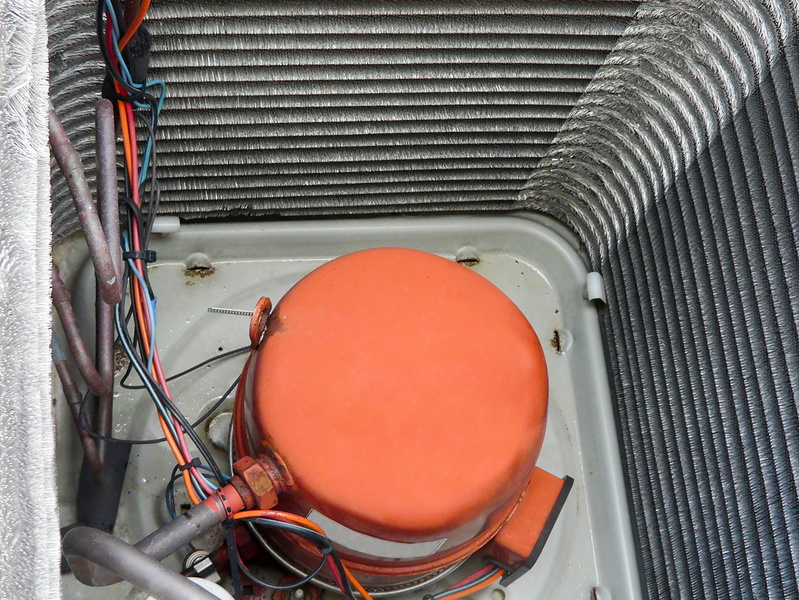 Illustration comparing typical repair versus replacement cost ranges for residential compressors.
The Cost of Repairing an AC Compressor
The cost can vary. It depends on the problem. Here are some factors that affect the cost:
Type of repair needed.
Age of the unit.
Parts needed for the repair.
Labor costs in your area.
On average, repairs can cost from $300 to $1,500. Always ask for an estimate before starting work.
2026 update: Recent market data shows the typical range has shifted to $350–$1,800 for most single‑stage compressor repairs, with variable‑speed models trending toward the higher end. Prices vary by region and refrigerant type (R‑410A vs. R‑32).
Preventing AC Compressor Problems
Prevention is key. Here are some tips to keep your compressor working:
Regularly change or clean the air filter.
Schedule yearly maintenance checks.
Keep the outdoor unit clean and clear.
Check refrigerant levels regularly.
Watch for strange noises or smells.
For a deeper dive into seasonal upkeep, see the article on seasonal air conditioning maintenance tips.
Frequently Asked Questions
What Are Signs Of A Faulty Ac Compressor?
Common signs include strange noises, warm air, and fluid leaks.
How Can I Test My Ac Compressor?
You can test it by checking the power supply and listening for sounds.
Can I Repair An Ac Compressor Myself?
Some repairs are simple, but many need a professional's help.
What Causes Ac Compressor Failure?
Compressor failure can be due to low refrigerant, electrical issues, or wear and tear.
How Often Should I Have My Compressor Inspected?
Most manufacturers recommend a professional inspection once per year, ideally before the cooling season starts.
Is It Worth Repairing a 12‑Year‑Old Compressor?
If the unit is over 10 years old and the repair exceeds 50 % of replacement cost, replacement is usually more economical — especially when you factor in higher SEER ratings on new equipment.
Conclusion
Repairing an AC compressor can be simple or complex. It depends on the problem. Always start with safety. If you are unsure, call a professional. Regular maintenance is key to preventing problems. Keep your air conditioning system running well. Stay cool and comfortable!
Ready to keep your system running efficiently? Book a professional tune‑up today.