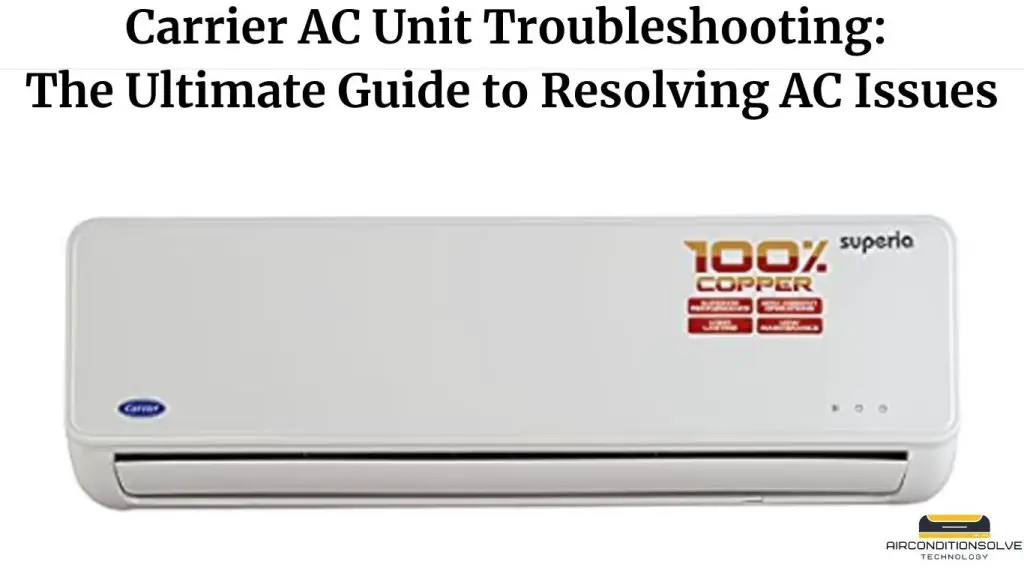
AC Making High Pitched Noise: Causes and Solutions
Many people use air conditioners. They keep us cool in hot weather. But sometimes, they make strange noises. One common noise is a high-pitched sound. This can worry people. In this article, we will explore why your AC might make this noise. We will also discuss how to fix it.
What Causes High Pitched Noise?
There are several reasons your AC might make a high-pitched noise. It is important to know these reasons. Here are some common causes:
Loose Parts: Sometimes, parts inside the AC can become loose. This can cause vibrations and noise.
Fan Issues: The fan can have problems. It might be out of balance or damaged.
Refrigerant Problems: If there is a leak in the refrigerant, it can make noise. This is not good for your AC.
Electrical Issues: Bad electrical connections can also cause high-pitched sounds.
Compressor Noise: The compressor is a key part of the AC. If it is not working properly, it can make loud noises.
Loose Parts
Loose parts are a common reason for high-pitched noise. The air conditioner has many parts. Some parts can shake and rattle. This creates a high-pitched sound. It is important to check these parts. A technician can help find loose parts. They can tighten or replace them if needed.
In practice, a loose mounting bracket or a worn fan blade hub often produces a metallic whine that rises with compressor speed. Tightening the bracket or replacing the hub usually eliminates the tone without major cost.
Fan Issues
The fan is important for cooling. If it is not working well, it can make noise. A fan can become unbalanced. This happens if something is stuck in it. Dirt or debris can also cause problems. Cleaning the fan can help. If the fan is damaged, it might need replacement.
A common mistake is ignoring a slight wobble; over time the imbalance wears the motor bearings, turning a minor hum into a persistent screech. Regularly clearing debris from the fan cage prevents this escalation.
Refrigerant Problems
Refrigerant is what cools the air. If there is a leak, it can make high-pitched noises. You might hear a hissing sound. This can mean your AC needs help. A technician can check for leaks. They can fix them and refill the refrigerant.
Leak detection often requires a UV dye or electronic sniffer; simply topping off refrigerant without locating the leak leads to repeated loss and higher operating costs.
 Outdoor compressor unit producing high-pitched noise
Electrical Issues
Electrical problems can cause noises too. Bad connections can lead to high-pitched sounds. It is important to take electrical issues seriously. They can be dangerous. Always call a professional to check electrical parts.
Loose wire terminals or a failing contactor coil can generate a high‑frequency buzz that mimics a mechanical whine. Only a licensed electrician should service these components.
Compressor Noise
The compressor is the heart of the AC. If it is not working right, it can make loud noises. Sometimes, you might hear a whining sound. This can be a sign of trouble. If your AC makes this noise, it is best to get help quickly.
 Indoor unit fan whistling
A failing compressor often emits a rising whine as internal bearings wear; continuing to run it can cause catastrophic seizure, so prompt evaluation is essential.
When to Call a Professional
It can be hard to know when to call for help. If your AC makes a high-pitched noise, you should check it. Here are some signs that mean you need a professional:
If the noise gets louder.
If you notice other strange sounds.
If your AC is not cooling well.
If the air smells funny.
If you see water leaks around the unit.
If you notice any of these signs, call a professional. They can help you find the problem. They can fix it safely.
https://www.youtube.com/watch?v=cp7Bii4HfRY
How to Prevent High Pitched Noise
Prevention is better than fixing problems later. Here are some tips to keep your AC running well:
Regular Maintenance: Schedule yearly check-ups. A technician can clean and inspect your AC.
Change Filters: Change or clean the air filters often. Dirty filters can cause problems.
Keep It Clean: Remove dirt and debris around the AC unit. This helps airflow.
Listen for Sounds: Pay attention to strange noises. Early detection can save you money.
Routine seasonal upkeep such as routine seasonal upkeep can catch early signs of wear before they become noisy failures.
If the unit also blows warm air, see our guide on troubleshooting warm airflow.
Checking the condenser coils is another key step; refer to condenser troubleshooting basics.
Choosing the right system size prevents strain; learn how to pick the proper unit.
Optimizing settings for efficiency reduces load; review energy‑saving temperature recommendations.
The U.S. Department of Energy recommends annual professional inspections for optimal performance.
Diagnosing the Noise: Step‑by‑Step
- Turn off power at the breaker and listen for the noise when the unit restarts.
- Isolate the source: outdoor condenser vs. indoor air handler.
- Inspect visible hardware — fan blades, mounting bolts, refrigerant lines — for looseness or damage.
- Check air filters and coil cleanliness; restricted airflow often amplifies mechanical sounds.
- If the noise persists, note its pitch and timing (startup, steady run, shutdown) and share details with a technician.
Typical Repair Costs
Minor fixes such as tightening a bracket or cleaning a fan typically range from $80‑$150.
Refrigerant leak detection and recharge can run $200‑$500 depending on line length.
Compressor replacement is the most expensive, often $1,200‑$2,500 including labor.
Getting a written estimate before authorizing work helps avoid surprise charges.
DIY Safety Precautions
- Always disconnect power at the main breaker before opening any panel.
- Wear insulated gloves and safety glasses when handling electrical components.
- Never attempt to recharge refrigerant without EPA‑certified equipment.
- If you encounter any burnt wiring smell or see scorched terminals, stop and call a professional immediately.
When to Replace vs. Repair
Consider replacement if the system is over 12‑15 years old, repair costs exceed 50 % of a new unit, or the SEER rating is below current minimum standards. Newer models deliver quieter operation and up to 30 % better energy efficiency.
Energy Efficiency Impact
A noisy, struggling compressor draws more amperage, raising electricity bills and shortening component life. Addressing the root cause restores proper refrigerant flow and reduces runtime, directly lowering seasonal cooling costs.
Frequently Asked Questions
Why Is My Ac Making A High-pitched Noise?
A high-pitched noise from your AC may indicate a problem. Common issues include loose parts, a failing motor, or refrigerant leaks.
What Causes High-pitched Sounds In Air Conditioners?
High-pitched sounds often come from worn-out bearings or a malfunctioning compressor. It can also be due to debris in the unit.
Is A High-pitched Noise From Ac Dangerous?
While not always dangerous, high-pitched noises can signal serious issues. Ignoring them may lead to costly repairs.
How Can I Fix High-pitched Noise In My Ac?
Check for loose parts and clean the unit. If the noise continues, call a professional technician for help.
Can a dirty air filter cause a high‑pitched whistle?
Yes, a severely clogged filter forces the blower to work harder, creating a whistling tone that disappears once the filter is replaced.
Should I turn off the AC if I hear a screech?
If the screech is accompanied by burning smells, tripped breakers, or loss of cooling, shut the system off and contact a technician immediately.
How often should I schedule professional maintenance?
Annual service before the cooling season is the industry standard; homes with heavy use or pets may benefit from a mid‑season check as well.
Conclusion
High-pitched noises from your AC can be annoying. They can also mean there is a problem. It is important to know the causes. Loose parts, fan issues, refrigerant problems, electrical issues, and compressor noise can all lead to this sound. If you hear a high-pitched noise, check it out. If you see signs of trouble, call a professional.
Regular maintenance can help prevent these noises. Keep your AC clean and change filters often. Listening for strange sounds is also a good idea. Taking care of your AC will help it last longer. You will enjoy cool air without any noise problems.
Ready to silence that whine? Book a certified HVAC technician today.