Mini Split HVAC: Ultimate Comfort & Efficiency Guide
Mini Split HVAC: Everything You Need to Know
What is a Mini Split HVAC?
A Mini Split HVAC system is a type of heating and cooling system. It is perfect for homes without ductwork. This system has two main parts: an outdoor compressor and an indoor unit.
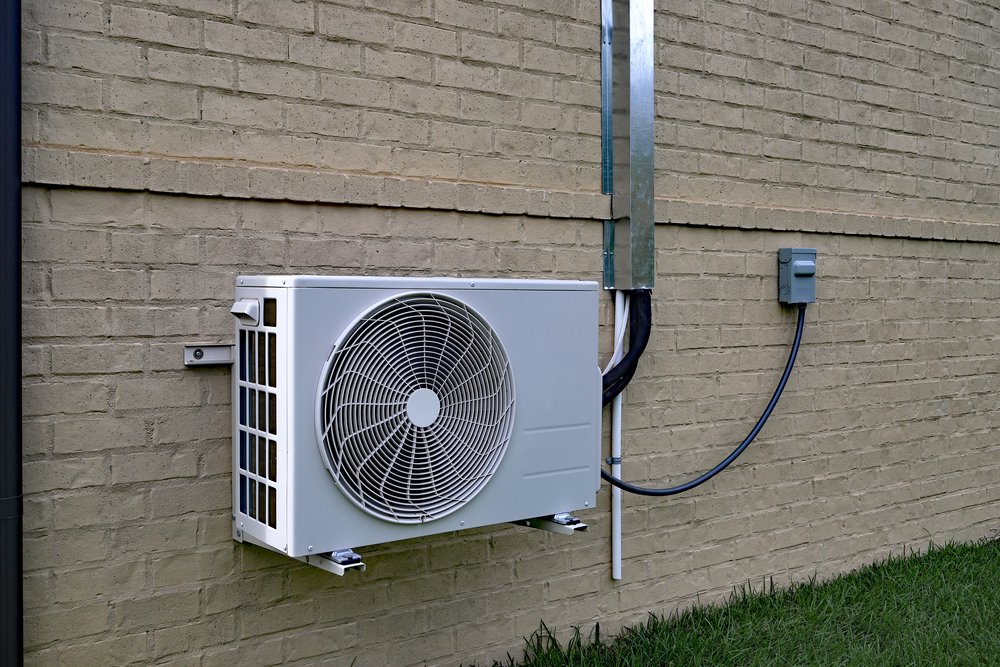
Outdoor compressor unit of a typical mini split system
Credit: www.austingsmechanical.com
Benefits of Mini Split HVAC Systems
Energy Efficient
Easy Installation
Quiet Operation
Flexible Zoning
Improved Air Quality
In practice, the zoning capability lets you cool only occupied rooms, which can cut seasonal electricity use by a noticeable margin. A common mistake is oversizing the indoor unit, leading to short‑cycling and reduced dehumidification.
Components of a Mini Split HVAC System
Let's look at the key parts of a Mini Split HVAC system:
Component Description
Outdoor Unit Contains the compressor and condenser.
Indoor Unit Provides heating or cooling to your room.
Refrigerant Lines Carry refrigerant between the indoor and outdoor units.
Remote Control Lets you adjust the temperature and settings.
https://www.youtube.com/watch?v=G3TJGGdPHQI
Each component is sealed at the factory, so field‑installed refrigerant charge is critical for long‑term efficiency. For a deeper dive on proper line‑set sizing, see the step‑by‑step outdoor unit guide.
How Does a Mini Split HVAC System Work?
The system works by moving refrigerant through the refrigerant lines. The outdoor unit compresses the refrigerant. Then, it flows to the indoor unit. The indoor unit then heats or cools the air in your room.
Indoor wall‑mounted unit delivering conditioned air
Credit: www.fujitsugeneral.com
Installation Process
Choose the location for the outdoor unit.
Mount the indoor unit on a wall.
Drill a small hole for the refrigerant lines.
Connect the refrigerant lines to both units.
Seal the hole and test the system.
Professional installers typically perform a vacuum pull to 500 microns before charging, which removes moisture that can degrade compressor life. If you’re planning a DIY approach, review the full split‑system walkthrough first.
Why Choose a Mini Split HVAC System?
These systems are energy efficient. They save you money on energy bills. They are also easy to install. You do not need ductwork. This makes them perfect for older homes. They are also very quiet. You will not hear loud noises when they run. Plus, they offer flexible zoning. You can control the temperature in different rooms.
Because the indoor units communicate via low‑voltage wiring, adding a smart thermostat later is straightforward. Many owners pair their system with a Wi‑Fi controller to adjust settings from a phone — see our energy‑saving settings guide for recommended schedules.
Sizing and Load Calculation
Proper sizing starts with a Manual J load calculation for each zone. Undersized units run continuously and struggle on extreme days; oversized units short‑cycle, wasting energy and reducing humidity control. In practice, a 9,000 BTU/h indoor head typically serves a 350‑400 sq ft room with average insulation.
Cost Breakdown
Equipment costs range from $1,500‑$3,500 per indoor head (2026 pricing), while the outdoor condenser adds $2,000‑$4,500. Labor for a single‑zone install averages $1,200‑$2,000. Multi‑zone systems increase both equipment and labor roughly linearly. Rebates from utility programs can offset 10‑30 % of the total — check the Database of State Incentives for Renewables & Efficiency for local offers.
Mini Split vs. Central Air Conditioning
| Feature | Mini Split | Central AC |
|---|---|---|
| Ductwork required | No | Yes |
| Zoning flexibility | Per‑room | Whole‑house (unless add‑on dampers) |
| Typical SEER2 (2026) | 20‑30 | 14‑18 |
| Installation disruption | Low | High |
| Upfront cost (single zone) | Moderate | Higher (ductwork) |
For homes without existing ducts, the mini split route avoids the expense and mess of retrofitting ductwork. If you already have a functional duct system, a high‑efficiency central unit may be more cost‑effective.
Smart Controls and Integration
Most 2026‑era mini splits ship with built‑in Wi‑Fi or an optional module. Integration with Google Home, Alexa, or Home Assistant enables voice control and automated schedules. A practical tip: set a “sleep” mode that raises the setpoint 2 °F after 30 minutes — this saves energy without sacrificing comfort.
Common Questions About Mini Split HVAC Systems
Are Mini Split Hvac Systems Expensive?
The initial cost can be higher than other systems. But, they save you money on energy bills. They are also cheaper to install than traditional systems.
How Long Do Mini Split Hvac Systems Last?
They can last up to 20 years. Proper maintenance is key to their longevity.
Can I Install A Mini Split Hvac System Myself?
Professional installation is recommended. Incorrect installation can reduce efficiency. It may also void the warranty.
Maintenance Tips
Keep your Mini Split HVAC system running smoothly with these tips:
Clean the filters regularly.
Check the refrigerant lines for leaks.
Ensure the outdoor unit is free of debris.
Schedule yearly professional maintenance.
A seasonal checklist — coil cleaning, condensate drain flush, and verifying refrigerant pressures — aligns with the manufacturer‑recommended service intervals.
Frequently Asked Questions
What Is A Mini Split Hvac?
A Mini Split HVAC is a ductless heating and cooling system ideal for individual rooms.
How Does Mini Split Hvac Work?
It works by connecting an indoor unit to an outdoor compressor, transferring heat efficiently.
Are Mini Split Hvac Systems Energy Efficient?
Yes, they are highly energy efficient, reducing energy consumption and utility bills.
Can Mini Split Hvac Be Installed In Any Room?
Yes, it can be installed in virtually any room, including basements and attics.
Conclusion
Mini split systems deliver precise comfort, high efficiency, and installation flexibility — especially valuable for homes lacking ductwork. By matching the right capacity to each zone, leveraging smart controls, and following a consistent maintenance routine, you can expect 15‑20 years of reliable performance. Next step: use our room‑by‑room sizing calculator to estimate the BTU/h needed for your space and compare equipment options.