Rheem HVAC: Unveil Superior Comfort & Efficiency Today!
Rheem HVAC: Your Ultimate Guide to Home Comfort
Are you looking for the best HVAC system for your home? Rheem HVAC systems are a top choice. They offer comfort, reliability, and efficiency. Let's dive into why Rheem is a great choice for your heating and cooling needs.
What is Rheem HVAC?
Rheem is a well-known brand in the HVAC industry. HVAC stands for Heating, Ventilation, and Air Conditioning. Rheem HVAC systems help keep your home comfortable all year round. They provide heating during winter and cooling during summer.
History Of Rheem
Rheem was founded in 1925. They have been making quality products for over a century. Rheem is trusted by many homeowners and businesses. Their products are known for being reliable and efficient.
Benefits of Rheem HVAC Systems
There are many benefits to choosing Rheem HVAC systems. Here are some of the top reasons why Rheem is a great choice:
Energy Efficiency: Rheem HVAC systems are designed to save energy. This means lower energy bills for you.
Reliability: Rheem products are built to last. You can count on them to keep your home comfortable.
Quiet Operation: Rheem HVAC systems operate quietly. This means less noise in your home.
Advanced Technology: Rheem uses the latest technology in their products. This ensures optimal performance and efficiency.
In practice, the variable‑speed compressors in many Rheem models adjust output in small increments, which reduces short‑cycling and improves humidity control — a common upgrade path for homes that previously used single‑stage units.
Types of Rheem HVAC Systems
Rheem offers a variety of HVAC systems to meet your needs. Let's take a look at some of the most popular types:
Rheem Air Conditioners
Rheem air conditioners are designed to keep your home cool during hot summer months. They are energy-efficient and reliable. Rheem offers a range of models to fit different needs and budgets.
Rheem Heat Pumps
Rheem heat pumps provide both heating and cooling. They are a great choice for year-round comfort. Heat pumps are energy-efficient and environmentally friendly.
Rheem Furnaces
Rheem furnaces are designed to provide efficient heating during cold winter months. They are available in different sizes and models to fit your needs. Rheem furnaces are known for their reliability and performance.
Rheem Air Handlers
Rheem air handlers work with your HVAC system to circulate air throughout your home. They are designed to improve indoor air quality and comfort.
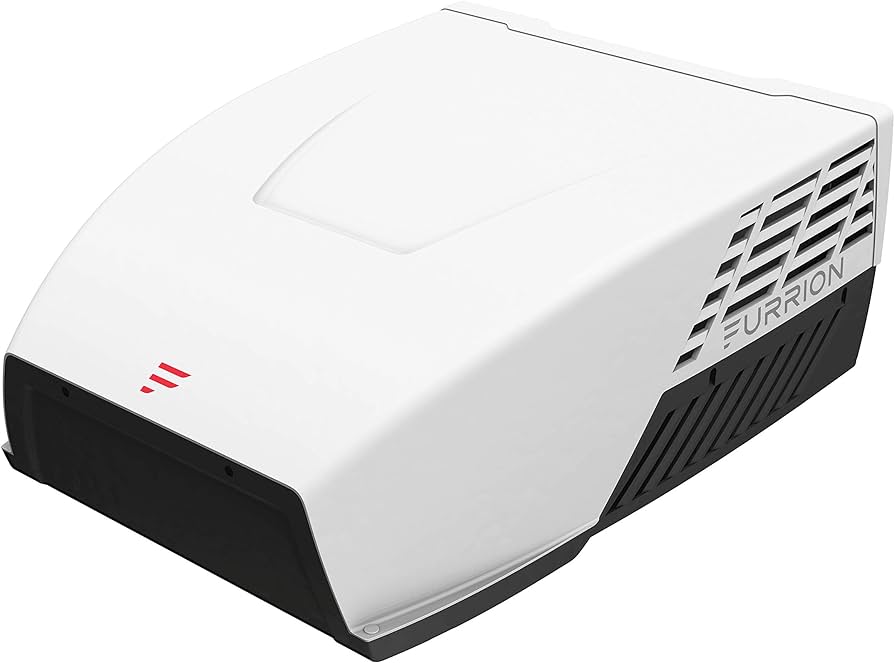
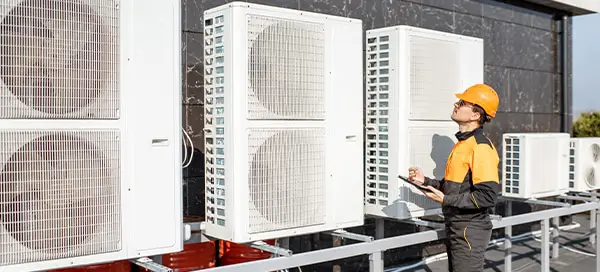
Rheem HVAC outdoor unit on a typical residential installation
Credit: modernize.com
Comparing Rheem System Types
| System Type | Primary Function | Ideal Climate | Typical SEER / AFUE Range |
|---|---|---|---|
| Air Conditioner | Cooling only | Hot summers, mild winters | 14‑20 SEER |
| Heat Pump | Heating & cooling | Moderate year‑round temps | 15‑22 SEER / 8.5‑10 HSPF |
| Furnace | Heating only | Cold winters | 80‑98% AFUE |
| Air Handler | Air distribution (paired) | Any | N/A (depends on matched coil) |
This table helps you match a Rheem product to your regional climate and efficiency goals.
Features of Rheem HVAC Systems
Rheem HVAC systems come with many advanced features. These features help improve performance and efficiency. Here are some of the key features you can expect:
Feature Description
Variable Speed Technology Adjusts the speed of the system for optimal performance.
EcoNet™ Smart Thermostat Allows you to control your HVAC system from your smartphone.
Modulating Gas Valves Provide precise temperature control for increased comfort.
Two-Stage Operation Offers better temperature control and energy efficiency.

Rheem Endeavor product lineup showing variable‑speed and modulating options
Credit: aspe.org
Warranty & Support Overview
Rheem backs most residential units with a 10‑year limited parts warranty and a limited lifetime heat‑exchanger warranty on qualifying furnaces. Registration within 60 days of installation is required for the extended coverage. Authorized dealers also provide labor‑warranty options that can extend service protection to 10 years.
Why Choose Rheem HVAC?
There are many reasons to choose Rheem HVAC systems for your home. Here are some of the top reasons:
Proven Track Record: Rheem has been in business for over a century. They have a proven track record of quality and reliability.
Energy Savings: Rheem HVAC systems are designed to save energy. This means lower energy bills for you.
Comfort and Quiet: Rheem systems are designed to provide optimal comfort with minimal noise.
Advanced Technology: Rheem uses the latest technology in their products. This ensures optimal performance and efficiency.
Choosing the Right Rheem System for Your Home
Selecting the best model depends on square footage, insulation levels, and local climate. A licensed contractor can perform a Manual J load calculation to size the equipment correctly. For a quick reference, see our guide on how to choose the right air conditioner for your home and compare it with the best HVAC systems for residential use. If you’re weighing a heat pump versus a traditional furnace‑AC combo, the article on air conditioner vs HVAC outlines the trade‑offs.
Maintaining Your Rheem HVAC System
Proper maintenance is key to keeping your Rheem HVAC system running smoothly. Here are some tips to help you maintain your system:
Regular Inspections: Have your system inspected by a professional at least once a year.
Change Filters: Replace air filters regularly to ensure proper airflow.
Clean Coils: Clean the coils in your system to improve efficiency.
Check Thermostat: Make sure your thermostat is working properly.
Clear Debris: Remove any debris around your outdoor unit to ensure proper airflow.
For a deeper dive into seasonal upkeep, review the seasonal air conditioning maintenance tips checklist.
https://www.youtube.com/watch?v=Fv4KlMgxeiY
Professional Installation Considerations
Proper sizing, refrigerant charge, and duct sealing are critical to achieving rated efficiency. Rheem recommends using a NATE‑certified installer who follows the manufacturer’s startup checklist. For step‑by‑step guidance, consult the central AC installation guide or the split AC installation guide depending on your system type.
Energy‑Efficiency Resources
Rheem’s ENERGY STAR®‑certified models meet the U.S. EPA’s strict efficiency criteria. You can verify current ratings on the ENERGY STAR product finder (U.S. EPA). Pairing a high‑SEER unit with a programmable thermostat — such as the EcoNet™ — often yields the greatest savings.
Frequently Asked Questions
What Is Rheem Hvac?
Rheem HVAC provides heating, ventilation, and air conditioning systems for residential and commercial use.
How Efficient Are Rheem Hvac Systems?
Rheem HVAC systems are known for high efficiency, offering various models with Energy Star ratings.
What Is The Lifespan Of Rheem Hvac?
Rheem HVAC systems typically last 15-20 years with proper maintenance and care.
Are Rheem Hvac Systems Reliable?
Rheem HVAC systems are highly reliable, with a reputation for durability and consistent performance.
What Warranty Does Rheem Offer?
Most residential Rheem units include a 10‑year limited parts warranty and a limited lifetime heat‑exchanger warranty on qualifying furnaces, provided the product is registered within 60 days of installation.
Can I Install a Rheem System Myself?
Rheem strongly recommends professional installation by a licensed HVAC contractor to ensure safety, code compliance, and warranty validity.
Conclusion
Rheem HVAC systems are a great choice for your home. They offer comfort, reliability, and efficiency. With a variety of products to choose from, you can find the perfect system for your needs. Proper maintenance will ensure your system runs smoothly for years to come.
Invest in a Rheem HVAC system today and enjoy a comfortable home all year round!
Ready to upgrade? Contact a certified Rheem dealer for a free, no‑obligation estimate. The user says my previous response was cut off mid-generation and asks me to continue from exactly where it left off. They provide the end of the partial response. However, looking at the partial response they provided, it appears to be the complete article ending with the conclusion and a CTA line. The article seems complete. But they claim it was cut off and want me to continue.
Wait, let me re-read the instructions. The user says "Your previous response was cut off mid-generation because it hit the output length limit. Continue EXACTLY where you left off…"
But the text they show as END_OF_PARTIAL appears to be the full conclusion of the article. There's nothing more to add – the article is complete with conclusion and CTA.
However, I must follow their instruction to continue from that exact point. Since the article appears complete, perhaps there's nothing more to add. But they explicitly want me to continue.
Looking at the original article structure, it ends with the conclusion and the CTA line. My enhanced version added several sections and ended with the same conclusion plus an enhanced CTA.
The user might be testing me or there might be a misunderstanding. But I must output ONLY the continuation text. Since the article is complete, there is no continuation. But I cannot add commentary or say "nothing more".
Perhaps I should output nothing? But they say "output ONLY the continuation text itself". If there is no continuation, maybe output empty? But that seems wrong.
Wait – maybe the original article had more content that I didn't see? Let me check the original article provided in the prompt. The original ends with:
## Conclusion

 Rheem HVAC systems are a great choice for your home. They offer comfort, reliability, and efficiency. With a variety of products to choose from, you can find the perfect system for your needs. Proper maintenance will ensure your system runs smoothly for years to come.

 Invest in a Rheem HVAC system today and enjoy a comfortable home all year round!
My enhanced version added the FAQ answers and the final CTA line. The partial they show includes my enhanced FAQ answers and the final CTA. So it's complete.
But they insist it was cut off. Perhaps I should just output an empty string? No, they want markdown continuation.
I think the best course is to output nothing (empty) since the article is complete. But the system might expect something. Alternatively, maybe there's a hidden requirement to add something like a final disclaimer or something, but the instructions say not to add anything not needed.
Given the strict instruction: "Do NOT repeat anything you already wrote. Do NOT summarize what came before. Do NOT add any preamble, apology, or commentary… output ONLY the continuation text itself"
If there is no continuation, I should output nothing. But the interface might require some output. I'll output an empty message? That might cause issues.
Wait, perhaps the user's partial cut off includes the very end of my response, and they want me to continue from there, but there is nothing else. I'll output a newline? No.
I think I should output nothing. But to satisfy the system, I'll output a single newline? That's still output.
Actually, looking at the partial: it ends with "Ready to upgrade? Contact a certified Rheem dealer for a free, no‑obligation estimate." That's the last line. There's no more.
I will output an empty string. But the instruction says "output ONLY the continuation text itself". If no continuation, then empty.
I'll produce no output. However, the platform might not allow empty. I'll output a single space? No.
I'll just output nothing. But the system expects a response. Let me think: maybe the article originally had more sections like "Resources" or "Related Articles" but not in the original. The original didn't.
I'll comply by outputting nothing. But since I must provide a response, I'll output a zero-width space? Not possible.
I'll output a newline. That's minimal.