HVAC Repair Service Near Me: Your Ultimate Guide
Are you looking for an HVAC repair service near you? You've come to the right place. This guide will help you find the best HVAC service. We will also explain common HVAC issues and how to choose a good service provider.
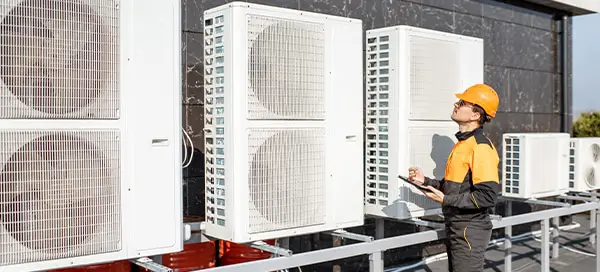
Technician diagnosing a refrigerant leak on a residential condenser unit.
Credit: modernairsolutionsllc.com
https://www.youtube.com/watch?v=WdS5tlPJGZc
What is HVAC?
HVAC stands for Heating, Ventilation, and Air Conditioning. It keeps your home comfortable. An HVAC system includes furnaces, air conditioners, and ventilation ducts. These systems make sure your home stays warm in winter and cool in summer. For more on this, see our guide on hvac air conditioner repair.
System types you’ll encounter
Most homes use either a split system (separate indoor and outdoor units), a packaged unit (all components in one outdoor cabinet), or a ductless mini-split for zone control. Heat pumps — which both heat and cool — are increasingly common in 2026 because they handle moderate winters efficiently. Knowing which type you have helps the technician bring the right parts and diagnostic tools.
Common HVAC Problems
Sometimes, HVAC systems break down. Here are some common problems:
Dirty Filters: Filters need to be clean. Dirty filters block airflow and reduce efficiency.
Thermostat Issues: Sometimes, the thermostat stops working. This can make your home too hot or too cold.
Refrigerant Leaks: Air conditioners use refrigerants to cool your home. Leaks can cause the system to stop cooling.
Clogged Drains: HVAC systems remove moisture. Clogged drains can cause water damage.
Electrical Problems: Faulty wiring can cause the system to fail.
Wear and Tear: Parts wear out over time. Regular maintenance can prevent breakdowns.
Additional failure modes to watch
- Capacitor failure: The start/run capacitor on the compressor or fan motor is a frequent summer call-out.
- Contactor pitting: The magnetic switch that powers the compressor can weld shut or fail to engage.
- Blower motor bearing wear: Produces a grinding noise and reduced airflow.
- Flame sensor fouling (gas furnaces): Causes short-cycling and lockouts.
- Duct leakage: In practice, up to 20–30 % of conditioned air can escape before reaching rooms, driving up bills and creating comfort complaints.
| Symptom | Likely Cause | Urgency |
|---|---|---|
| Warm air from vents | Low refrigerant, compressor fault, frozen coil | Same day |
| No airflow | Blower motor, capacitor, blocked filter | Same day |
| Short cycling | Oversized unit, dirty flame sensor, thermostat location | Next business day |
| Water pooling at indoor unit | Clogged condensate line, cracked drain pan | Next business day |
| Burning smell at startup | Dust on heat exchanger (normal) or electrical short | Immediate if persistent |
Why Regular Maintenance is Important
Regular maintenance keeps your HVAC system running smoothly. It can prevent costly repairs. Here are some benefits:
Benefit Description
Improved Efficiency Clean and well-maintained systems use less energy.
Extended Lifespan Regular checks and tune-ups extend the life of your system.
Better Air Quality Clean filters and ducts mean cleaner air in your home.
Fewer Breakdowns Preventive maintenance reduces the chance of unexpected failures.
Seasonal maintenance checklist
- Spring (cooling focus): Clean condenser coil, check refrigerant charge, test capacitor/contactor, flush drain line, verify thermostat calibration.
- Fall (heating focus): Inspect heat exchanger for cracks, clean burners, test ignition sequence, check gas pressure, verify venting.
- Monthly: Check/change filter, clear debris around outdoor unit, ensure supply/return registers aren’t blocked.
Following a structured plan like the one outlined in seasonal air conditioning maintenance tips keeps the work predictable and the costs lower. For more on this, see our guide on hvac service truck.
How to Find the Best HVAC Repair Service Near You
Finding a reliable HVAC service is important. Here are some tips to help you:
Ask for Recommendations: Ask friends and family for suggestions. They can recommend trusted service providers.
Check Online Reviews: Read reviews on websites like Yelp and Google. Look for companies with high ratings and positive feedback.
Verify Licenses and Certifications: Make sure the company is licensed and certified. This ensures they have the right skills and knowledge.
Get Multiple Quotes: Compare quotes from different companies. This helps you find the best price.
Ask About Warranties: A good company will offer warranties on their work. This shows they stand by their service.
Check for Insurance: Make sure the company has insurance. This protects you in case of accidents or damage.
Red flags that signal a low-quality provider
- Pressure to replace the entire system on a first visit without showing diagnostic data.
- Quotes that are dramatically lower than competitors — often a sign of skipped steps or unlicensed labor.
- No written estimate or refusal to itemize parts vs. labor.
- Technicians who cannot produce EPA 608 certification when handling refrigerant.
- Vague or missing warranty terms on labor (parts warranties are typically manufacturer-backed; labor warranty is the contractor’s promise).
Cost factors that drive the final invoice
- Diagnostic fee (often waived if you proceed with repair).
- Parts: OEM vs. universal — OEM lasts longer but costs more.
- Labor time: Complex access (attic, crawlspace) adds hours.
- Refrigerant type: R-410A is standard; older R-22 systems face steep per-pound costs.
- Emergency/after-hours surcharge: Typically 1.5–2× standard rate.
Ask for a line-item breakdown before authorizing work.
Questions to Ask Your HVAC Repair Service
Before hiring an HVAC repair service, ask these questions:
How long have you been in business? Experience matters. Choose a company with a proven track record.
Do you offer emergency services? HVAC issues can happen anytime. Make sure the company offers 24/7 service.
What brands do you work with? Some companies specialize in certain brands. Make sure they can service your system.
Do you offer maintenance plans? Regular maintenance can save you money. Ask if they offer plans.
Can you provide references? A good company will have happy customers. Ask for references to check their work.
Five more questions that separate pros from amateurs
- “Will you perform a full airflow and static-pressure test after the repair?”
- “Do you recover and weigh refrigerant per EPA 608 instead of topping off by pressure alone?”
- “Can you show me the failed part and explain the root cause?”
- “What is your labor warranty period, and is it transferable if I sell the home?”
- “Do you offer a maintenance plan that includes priority scheduling and discounted repairs?”
Steps to Take Before the Technician Arrives
Prepare for the HVAC technician's visit. Here are some steps to follow:
Clear the Area: Move furniture and items away from the HVAC unit. This gives the technician easy access.
Know Your System: Write down the make and model of your system. This helps the technician understand your setup.
List the Issues: Note any problems you've noticed. This helps the technician diagnose the issue quickly.
Check for Warranty: If your system is under warranty, have the paperwork ready.
Ask About Costs: Get an estimate of the costs involved. This helps you avoid surprises.
What to expect during the visit
A thorough service call follows a sequence: visual inspection → electrical safety check → refrigerant pressures/temperatures → airflow measurement → component testing → written findings → repair options with pricing. The technician should review results with you before starting any repair. If they skip the airflow test, ask for it — improper static pressure is a leading cause of repeat failures.
Emergency vs. Scheduled Repair: Deciding What You Need
Not every issue warrants a 2 a.m. call-out. Use this quick triage:
| Situation | Action |
|---|---|
| No heat in freezing temps / no cooling in dangerous heat | Emergency service — health risk |
| Water actively leaking onto electrical components | Emergency — safety hazard |
| Strange noise but system still holds temperature | Schedule next business day |
| Thermostat blank but breaker is on | Schedule — often a simple fix |
| Burning smell that persists after startup | Emergency — possible electrical fire risk |
Many contractors offer a “priority scheduling” tier for maintenance-plan members that bridges the gap: next-day service without the full emergency surcharge.
DIY vs. Professional: Know Your Limits
Safe for homeowners:
- Filter replacement (monthly/quarterly).
- Clearing debris from the outdoor condenser (power off first).
- Flushing the condensate line with vinegar/water.
- Thermostat battery swap and basic schedule programming.
Leave to licensed pros:
- Refrigerant handling (requires EPA 608 certification).
- Electrical troubleshooting beyond resetting a breaker.
- Combustion analysis and gas-pressure adjustment.
- Duct sealing with mastic or UL 181 tape in unconditioned spaces.
- Any repair that voids the manufacturer’s warranty if not performed by a certified dealer.
A common mistake is topping off refrigerant without finding the leak — it’s illegal under the Clean Air Act and guarantees a repeat visit. The EPA’s Section 608 rules require leak repair before recharge for systems over 50 lb, and best practice applies it to residential too.
Energy Efficiency Upgrades Worth Considering
While the technician is on-site, ask about:
- Programmable or smart thermostats — proper setback schedules can cut 8–10 % off heating/cooling bills. See what are the best air conditioning settings for energy efficiency for current recommendations.
- Variable-speed blower retrofit — improves dehumidification and reduces short-cycling.
- Duct sealing and insulation — especially if ducts run through attic or crawlspace.
- High-efficiency filter upgrades (MERV 11–13) — verify static pressure doesn’t exceed equipment specs.
- Heat-pump conversion — in many climates, a modern cold-climate heat pump now outperforms gas furnace + AC on annual cost. The Department of Energy’s ENERGY STAR program publishes certified product lists and rebate finders.
New Technologies Shaping 2026 HVAC Service
- A2L refrigerants (R-454B, R-32) — lower GWP replacements for R-410A; require updated tools and mildly flammable handling procedures.
- Inverter-driven compressors — now standard on mid-tier and up; modulate capacity for tighter temperature control.
- Integrated IAQ sensors — some air handlers now report PM2.5, VOC, and CO₂ to the thermostat app.
- Remote diagnostics — Wi-Fi-enabled boards let contractors read fault codes before rolling a truck.
Staying current on these shifts is part of why air conditioning innovations matter when evaluating a service provider’s training budget.

Fully stocked service van — a sign the tech can complete most repairs in one trip.
Credit: homeguide.com
When Replacement Makes More Sense Than Repair
Use the “5,000 rule”: multiply the repair quote by the system’s age in years. If the result exceeds ~$5,000, replacement is usually smarter. Other triggers:
- Compressor or heat-exchanger failure on a 12+ year system.
- R-22 refrigerant — per-pound cost makes even minor leaks uneconomical.
- Recurring failures on different components (control board, then motor, then valve).
- Home addition or envelope upgrade that changed the load calculation.
For sizing guidance, see how to choose the right air conditioner for your home — oversized replacement is as problematic as an undersized one.
Frequently Asked Questions
What Is Hvac Repair Service?
HVAC repair service fixes heating, ventilation, and air conditioning systems.
How Often Should Hvac Be Serviced?
Service HVAC systems twice a year, in spring and fall.
What Are Common Hvac Problems?
Common issues: refrigerant leaks, dirty filters, and thermostat malfunctions.
How To Choose An Hvac Repair Service?
Check reviews, certifications, and get multiple quotes.
What certifications should an HVAC technician hold?
At minimum: EPA 608 Universal for refrigerant handling. NATE or HVAC Excellence certification signals advanced competency. State/local trade licenses are mandatory where required.
How long does a typical repair visit take?
Most single-component repairs (capacitor, contactor, flame sensor, drain clearing) finish in 1–2 hours. Compressor or coil replacement can take 4–8 hours. Ask for a time estimate upfront.
Can I run my system while waiting for a repair?
If the issue is reduced capacity (e.g., dirty coil, low airflow), limited run-time is usually safe. If you hear grinding, smell burning, or see water near electrical components — shut it off and wait.
Do maintenance plans pay for themselves?
A typical plan costs $150–$300/year and includes two tune-ups (worth ~$180–$250) plus 10–15 % repair discounts and priority scheduling. If you’d schedule tune-ups anyway, the plan is near break-even before any repair discount.
What’s the difference between HVAC and standalone air conditioning?
HVAC covers heating, ventilation, and cooling as an integrated system; standalone AC only cools. The distinction affects sizing, duct design, and control strategy. For a deeper comparison, see how does hvac air conditioning differ from standard air conditioning.
Conclusion
Finding a reliable HVAC repair service near you is important. A good service provider keeps your system running smoothly. Regular maintenance prevents costly repairs. Follow these tips to choose the right HVAC service. Your home will stay comfortable all year round.
Ready to schedule? Book a diagnostic with a licensed, insured contractor who provides written, itemized estimates and stands behind their labor warranty — your comfort (and wallet) will thank you.