HVAC Questions Answered
Welcome to our comprehensive guide on HVAC systems. HVAC stands for Heating, Ventilation, and Air Conditioning. These systems are essential for maintaining indoor comfort. In this article, we will answer some common HVAC questions. So, let's get started!
What is an HVAC System?
An HVAC system controls the climate in your home. It includes heating, cooling, and ventilation. The system ensures you are comfortable year-round.
Types of HVAC Systems
Beyond the basic split‑system, homeowners can choose from packaged units, hybrid heat‑pump systems, geothermal heat pumps, and variable‑refrigerant‑flow (VRF) setups. Each type balances installation complexity, upfront cost, and long‑term efficiency differently. For a deeper look at the top‑rated residential options, see our roundup of high‑performance home HVAC systems.
How Does an HVAC System Work?
HVAC systems have three main components:
Heating: This component warms your home. It uses a furnace or a heat pump.
Ventilation: This component circulates air. It removes stale air and brings in fresh air.
Air Conditioning: This component cools your home. It uses an air conditioner or a heat pump.
Key Components in Detail
The compressor, condenser coil, evaporator coil, blower motor, and refrigerant lines work together to move heat. A malfunction in any one part can degrade the whole system’s performance. If you’re curious how HVAC differs from a simple window AC, read our comparison of HVAC versus standard air conditioning.
What is a Furnace?
A furnace heats the air in your home. It can run on gas, oil, or electricity. The heated air is then circulated through ducts.
What is a Heat Pump?
A heat pump can both heat and cool your home. It moves heat from one place to another. In winter, it brings heat inside. In summer, it moves heat outside.
What is an Air Conditioner?
An air conditioner cools your home. It removes heat from the indoor air. The cooled air is then circulated through ducts.
Illustration showing a typical HVAC engineer interview question set, courtesy of ResearchGate.
Credit: www.researchgate.net
Why is Ventilation Important?
Ventilation keeps the air inside your home fresh. It removes stale air and pollutants. It also controls humidity levels.
How Often Should I Change My HVAC Filters?
Change your HVAC filters every 1-3 months. Clean filters improve air quality. They also help your system run efficiently.
What is a Programmable Thermostat?
A programmable thermostat lets you set temperature schedules. You can set different temperatures for different times of the day. This helps save energy and money.
Smart Thermostats and Home Automation
Modern Wi‑Fi thermostats learn your schedule, adjust for occupancy, and can be controlled from a phone. Many utilities offer rebates for ENERGY STAR‑certified models. For the latest efficiency settings, check the ENERGY STAR thermostat guide.
How Can I Save Energy with My HVAC System?
Use a programmable thermostat: Set it to lower the temperature when you are not home.
Seal your home: Make sure windows and doors are sealed properly.
Maintain your system: Regular maintenance keeps your system running efficiently.
Advanced Energy‑Saving Strategies
- Zoning: Install dampers and multiple thermostats to condition only occupied zones.
- Demand‑controlled ventilation: Use CO₂ sensors to vary fresh‑air intake.
- High‑efficiency filters (MERV 13+): Capture finer particles without excessive pressure drop when paired with a variable‑speed blower.
- Regular coil cleaning: Dirty evaporator/condenser coils can cut efficiency by 10‑15 %.
For a seasonal checklist that covers all of the above, see our seasonal air‑conditioning maintenance tips.
What is HVAC Maintenance?
HVAC maintenance involves regular checks and services. This includes cleaning filters, checking ducts, and inspecting components. Regular maintenance extends the life of your system.
Seasonal Maintenance Checklist
Spring (cooling prep) – clean condenser coil, verify refrigerant charge, test capacitors, inspect drain line.
Fall (heating prep) – check heat exchanger for cracks, test ignition sequence, lubricate blower motor, verify gas pressure.
Monthly – replace/clean filter, listen for unusual noises, confirm thermostat calibration.
https://www.youtube.com/watch?v=-KLzl-nvNZg
Why is HVAC Maintenance Important?
Regular maintenance ensures your system runs efficiently. It can prevent costly repairs. It also improves air quality in your home.
How Often Should I Service My HVAC System?
Service your HVAC system at least once a year. Ideally, do it before the heating or cooling season starts.
Current best practice (2026): Most manufacturers and the ACCA now recommend two professional tune‑ups per year — one before cooling season, one before heating season — to catch refrigerant issues early and keep combustion safety devices calibrated.
What is an HVAC Inspection?
An HVAC inspection checks the system's condition. A technician will look for any issues. They will also clean and tune up the system.
What Should I Expect During an HVAC Inspection?
During an inspection, a technician will:
Check filters and replace if needed.
Inspect ducts for leaks.
Test the thermostat.
Check electrical connections.
Clean and lubricate moving parts.
What are Common HVAC Problems?
Common HVAC problems include:
Dirty filters
Thermostat issues
Refrigerant leaks
Clogged ducts
Electrical problems
When to Call a Professional
If you notice short‑cycling, ice on the evaporator, persistent odor, or tripped breakers that reset repeatedly, these usually indicate refrigerant charge loss, compressor failure, or wiring faults that require licensed service. Our guide on troubleshooting an AC that blows warm air walks through the first diagnostic steps.
How Can I Troubleshoot My HVAC System?
If your HVAC system is not working, you can try these steps:
Check the thermostat. Make sure it is set correctly.
Check the filters. Replace if they are dirty.
Check the circuit breaker. Reset if it is tripped.
If these steps do not work, call a professional technician.
How Do I Choose the Right HVAC System?
Consider these factors when choosing an HVAC system:
Size: The system should be the right size for your home.
Efficiency: Look for energy-efficient models.
Cost: Consider both initial cost and long-term savings.
Sizing and Load Calculations
A proper Manual J load calculation accounts for square footage, insulation, window orientation, occupancy, and local climate. Oversized equipment short‑cycles, wastes energy, and reduces dehumidification. For step‑by‑step guidance on selecting the right unit, see our article on how to choose the right air conditioner for your home.
What is SEER Rating?
SEER stands for Seasonal Energy Efficiency Ratio. It measures the efficiency of an air conditioner. A higher SEER rating means better efficiency.
As of 2026, the federal minimum for new central AC units is 14 SEER (15 SEER in the Southwest). High‑end models exceed 20 SEER.
What is AFUE Rating?
AFUE stands for Annual Fuel Utilization Efficiency. It measures the efficiency of a furnace. A higher AFUE rating means better efficiency.
Modern condensing furnaces typically achieve 90‑98 % AFUE; non‑condensing models sit around 80 %.
What is HSPF Rating?
HSPF stands for Heating Seasonal Performance Factor. It measures the efficiency of a heat pump. A higher HSPF rating means better efficiency.
Current minimum is 8.2 HSPF; cold‑climate units often reach 10‑12 HSPF.
How Can I Improve Indoor Air Quality?
Use high-quality filters.
Keep your home clean.
Control humidity levels.
Ventilate your home properly.
Use air purifiers if needed.
For more on managing indoor pollutants, the EPA’s Indoor Air Quality resources provide science‑based strategies.
What is a Ductless HVAC System?
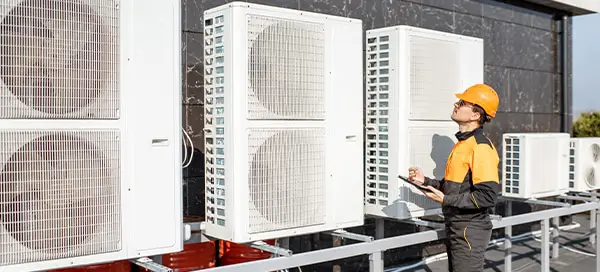
A ductless HVAC system does not use ducts. It has an outdoor unit and one or more indoor units. It is also known as a mini-split system.
Visual summary of frequently asked HVAC questions, courtesy of Delco HVAC.
Credit: www.delcohvac.com
What are the Benefits of a Ductless HVAC System?
Benefits of a ductless HVAC system include:
Easy installation
Energy efficiency
Flexibility
Improved air quality
Ductless vs. Central Comparison Table
| Feature | Ductless Mini‑Split | Central Ducted |
|---|---|---|
| Installation disruption | Low (no ductwork) | High (requires ducts) |
| Zoning control | Individual room | Requires dampers & multiple stats |
| Typical SEER/HSPF | 20 + / 10 + | 14‑18 / 8‑9 |
| Upfront cost (per ton) | Higher | Lower |
| Aesthetics | Wall/ceiling mounts | Hidden registers |
If you’re planning a mini‑split install, our split‑AC installation guide covers line‑set sizing, torque specs, and commissioning steps.
Can I Install an HVAC System Myself?
Installing an HVAC system requires professional skills. It is best to hire a licensed technician. They ensure the system is installed correctly and safely.
What Should I Look for in an HVAC Technician?
When choosing an HVAC technician, consider these factors:
Experience: Look for technicians with years of experience.
Licensing: Make sure they are licensed and insured.
References: Check reviews and ask for references.
Cost: Get multiple quotes to compare prices.
Frequently Asked Questions
What Does Hvac Stand For?
HVAC stands for Heating, Ventilation, and Air Conditioning. It includes systems that provide heating and cooling services.
How Often Should Hvac Be Serviced?
HVAC systems should be serviced twice a year. This helps maintain efficiency and extends the system's lifespan.
What Is The Hvac System's Lifespan?
The average HVAC system lasts 15-20 years. Regular maintenance can extend its life.
Why Is My Hvac System Noisy?
A noisy HVAC system may indicate mechanical issues. Check for loose parts or worn-out components.
What Is the Difference Between a Heat Pump and a Furnace?
A heat pump moves heat and can both heat and cool, while a furnace only generates heat by burning fuel or using electric resistance. In moderate climates a heat pump often lowers operating cost.
Can I Add a Smart Thermostat to an Older System?
Yes, most 24 V systems are compatible. Verify the presence of a C‑wire (common) or use a power‑extender kit. Many utilities offer instant rebates for ENERGY STAR models.
How Do I Know If My Ducts Are Leaking?
Signs include uneven room temperatures, high utility bills, and excessive dust near registers. A professional duct‑blaster test quantifies leakage.
Conclusion
We hope this article answered your HVAC questions. Understanding your HVAC system can help you maintain it better. Remember to schedule regular maintenance and choose the right system for your home. Stay comfortable year‑round!