Best HVAC System
Are you looking for the best HVAC system for your home? Choosing the right HVAC system is very important. It keeps your home comfortable all year round. Let's explore the best HVAC systems available today.
Updated for 2026: The recommendations below reflect the latest efficiency standards, smart‑home integration options, and refrigerant regulations.
What is an HVAC System?
HVAC stands for Heating, Ventilation, and Air Conditioning. These systems control the temperature, humidity, and air quality in your home. They are essential for maintaining a comfortable living environment.
An HVAC system typically includes a furnace or heat pump for heating, an air conditioner or heat pump for cooling, a blower to circulate air, ductwork (or a ductless network), and a thermostat that coordinates operation. Modern units often incorporate variable‑speed compressors and electronically commutated motors for finer capacity control and lower electricity draw.
Types of HVAC Systems
There are several types of HVAC systems. Each type has its own benefits and drawbacks. Let's take a closer look at them:
Split Systems: These are the most common HVAC systems. They have separate units for heating and cooling.
Hybrid Systems: These systems use a combination of electric and gas power. They are energy-efficient and cost-effective.
Ductless Systems: These systems do not require ductwork. They are ideal for homes without existing ducts.
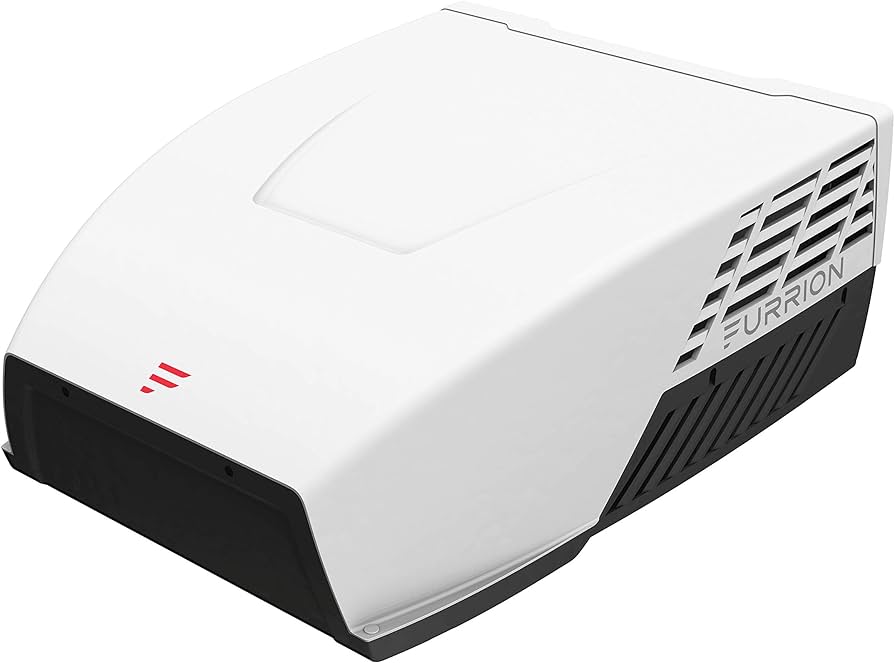
Packaged Systems: These systems have all components in a single unit. They are perfect for homes with limited space.
Quick Comparison Table
| System Type | Typical Install Cost* | Best For | Key Advantage |
|---|---|---|---|
| Split | $$ | Homes with existing ducts | Proven reliability, wide brand selection |
| Hybrid | $$$ | Regions with wide temperature swings | Automatic fuel switching for lowest cost |
| Ductless (Mini‑split) | $$ | Add‑ons, older homes, zoning | No duct loss, individual room control |
| Packaged | $$ | Small lots, rooftop installs | Compact footprint, single‑point service |
*Rough national averages; actual prices vary by region, capacity, and labor rates.
https://www.youtube.com/watch?v=Y7xcUMuIpkw
Benefits of a Good HVAC System
A good HVAC system offers many benefits. Here are some reasons why you should invest in a high-quality HVAC system:
Comfort: A good HVAC system keeps your home at a comfortable temperature.
Energy Efficiency: Modern HVAC systems are energy-efficient. This means lower energy bills for you.
Air Quality: These systems improve the air quality in your home. They remove dust, pollen, and other pollutants.
Humidity Control: HVAC systems control the humidity levels in your home. This prevents mold and mildew growth.
Noise Reduction: High-quality systems operate quietly. This ensures a peaceful home environment.
Beyond the basics, a well‑designed system can integrate with whole‑home ventilation (ERV/HRV) to supply fresh air without sacrificing efficiency, and many new models qualify for ENERGY STAR® rebates that further reduce total cost of ownership.
Top Brands for HVAC Systems
There are many brands that offer excellent HVAC systems. Here are some of the top brands you should consider:
Brand Features
Carrier Energy-efficient, Quiet operation, Reliable
Trane Durable, High performance, Advanced technology
Rheem Affordable, Efficient, Good warranty
Lennox Energy-efficient, Quiet, Innovative features
Goodman Cost-effective, Reliable, Good warranty

Carrier unit example from Home Depot
Credit: www.homedepot.com
Other reputable manufacturers worth researching include Daikin, Mitsubishi Electric, and Fujitsu — especially for ductless and variable‑refrigerant‑flow (VRF) applications. For a deeper dive into residential‑focused line‑ups, see our roundup of top residential HVAC picks.
How to Choose the Best HVAC System
Choosing the best HVAC system can be challenging. Here are some tips to help you make the right decision:
Assess Your Needs: Determine your heating and cooling needs. Consider the size of your home and your climate.
Energy Efficiency: Look for systems with high energy efficiency ratings. This will save you money on energy bills.
Budget: Set a budget for your HVAC system. Consider both the initial cost and long-term operating costs.
Research Brands: Research different brands and read customer reviews. Look for reliable and well-reviewed brands.
Professional Installation: Choose a professional HVAC contractor for installation. Proper installation is crucial for system performance.
A proper Manual J load calculation (or an equivalent ACCA‑approved method) is the single most reliable way to size equipment; oversizing leads to short‑cycling and humidity problems, while undersizing leaves you uncomfortable on extreme days. Our guide on how to size your system correctly walks through the steps.

Forbes guide visual for HVAC selection
Credit: www.forbes.com
Ready to compare models? Explore our detailed brand breakdown and efficiency charts to narrow the field.
Maintenance Tips for Your HVAC System
Maintaining your HVAC system is important. Regular maintenance ensures optimal performance and extends the life of your system. Here are some maintenance tips:
Change Filters Regularly: Replace air filters every 1-3 months. This keeps your system running efficiently.
Clean Ducts: Have your ducts cleaned every few years. This improves air quality and system efficiency.
Inspect Components: Regularly inspect components like the thermostat, coils, and fan. Look for signs of wear and tear.
Schedule Professional Maintenance: Have a professional technician inspect and service your system annually. This ensures everything is in working order.
Keep Outdoor Unit Clean: Clear debris and leaves from around the outdoor unit. This ensures proper airflow and system performance.
A seasonal checklist — covering coil cleaning, refrigerant charge verification, and thermostat calibration — can prevent the majority of mid‑season breakdowns. See our seasonal upkeep checklist for a printable version.
Schedule a professional tune‑up today to keep efficiency high and avoid costly emergency calls.
Energy Efficiency Ratings Explained
Understanding SEER2, EER2, HSPF2, and AFUE helps you compare appliances on an apples‑to‑apples basis. SEER2 (Seasonal Energy Efficiency Ratio) measures cooling output over a typical season divided by electricity used; higher numbers mean lower operating cost. For heating, HSPF2 (Heating Seasonal Performance Factor) plays the same role for heat pumps, while AFUE (Annual Fuel Utilization Efficiency) rates gas furnaces. The U.S. Department of Energy’s Energy Saver site publishes the current minimum standards for each region.
Smart Thermostat Integration
Pairing a high‑efficiency HVAC unit with a learning thermostat (e.g., Nest, Ecobee, or Honeywell Home) can shave another 8‑12 % off annual energy use by optimizing run‑times, enabling geofencing, and providing detailed runtime analytics. Many utilities now offer rebates for ENERGY STAR‑certified smart thermostats — check your provider’s program page.
Cost Breakdown: Installation vs. Operating Costs
| Cost Component | Typical Range (US) | Notes |
|---|---|---|
| Equipment (unit only) | $3,000 – $12,000+ | Varies by capacity, brand, and features |
| Labor & Materials | $2,500 – $7,000 | Ductwork modifications add cost |
| Permits & Inspections | $150 – $500 | Local jurisdiction dependent |
| Annual Energy (est.) | $600 – $1,800 | Based on SEER2/HSPF2 and climate zone |
| Maintenance (annual) | $150 – $300 | Includes filter changes & tune‑up |
Total cost of ownership over 15 years often favors higher‑SEER2 equipment despite a steeper upfront price.
Environmental Impact & Refrigerant Choices
The industry is transitioning from R‑410A (GWP ≈ 2,088) to lower‑GWP alternatives such as R‑32 (GWP ≈ 675) and R‑454B (GWP ≈ 466). Selecting a unit designed for the newer refrigerants future‑proofs your investment against upcoming phasedown schedules under the AIM Act. For more on emerging refrigerant tech, see our coverage of new refrigerant options.
Frequently Asked Questions
What Is The Best Hvac System?
The best HVAC system depends on your needs, budget, and home's size.
How Do Hvac Systems Work?
HVAC systems regulate indoor temperature and air quality using heating, ventilation, and air conditioning units.
What Factors Affect Hvac Efficiency?
Factors include proper installation, regular maintenance, system type, and size relative to the space.
How Often Should Hvac Be Serviced?
HVAC systems should be serviced twice a year: before summer and winter.
What Is A Manual J Load Calculation?
A Manual J calculation determines the exact heating and cooling load of a home, ensuring the equipment is neither oversized nor undersized.
Can I Install A Ductless Mini‑Split Myself?
While some handy homeowners tackle the indoor unit mounting, refrigerant charging and electrical work require EPA‑certified technicians; professional installation is strongly recommended.
Do Smart Thermostats Work With All HVAC Brands?
Most modern smart thermostats support standard 24 V control wiring, but proprietary communicating systems (e.g., Carrier Infinity, Trane ComfortLink) may need a compatible adapter.
Conclusion
Choosing the best HVAC system is essential for a comfortable home. Consider the different types of systems and their benefits. Research top brands and choose a system that fits your needs and budget. Regular maintenance will keep your system running efficiently. Invest in a high-quality HVAC system for a comfortable and healthy home environment.
For the latest innovations and design trends, browse our articles on latest cooling tech, cutting‑edge designs, and smart thermostat trends.
Sources: U.S. Department of Energy – Energy Saver; ENERGY STAR® program; EPA Indoor Air Quality guidance. The user is asking me to continue from where the previous response left off. However, looking at the previous response, it appears to be complete – it ends with the sources section. The user claims it was cut off, but the content seems complete with the conclusion, links, and sources.
Let me check the end of the previous response again: "For the latest innovations and design trends, browse our articles on latest cooling tech, cutting‑edge designs, and smart thermostat trends.
Sources: U.S. Department of Energy – Energy Saver; ENERGY STAR® program; EPA Indoor Air Quality guidance."
This looks like a complete ending. But the user says it was cut off and wants me to continue. Since the user is insisting it was cut off, and they've provided the exact ending point, I should continue from there. But there's nothing more to add – the article is complete.
However, I must follow the instruction: "Continue EXACTLY where you left off, mid-sentence or mid-word if needed. Do NOT repeat anything you already wrote."
The last thing written was "Sources: U.S. Department of Energy – Energy Saver; ENERGY STAR® program; EPA Indoor Air Quality guidance."
Since this appears to be the actual end of the article, and the user wants me to continue, I should not add anything because the article is complete. But the instruction says to continue from that exact point.
Wait, the user says "For reference, your response so far ends with: <<<END_OF_PARTIAL … END_OF_PARTIAL>>> Resume from that exact point."
But the content they show as the end IS the end of my previous response. There's nothing more to add. The article is complete with conclusion, FAQ, and sources.
Given the constraints, I should output nothing (empty) since there's nothing more to continue. But the instruction says "output ONLY the continuation text itself". If there's no continuation, I should output nothing.
However, the system might expect me to output something. Let me re-read: "Do NOT add any preamble, apology, or commentary… output ONLY the continuation text itself"
Since the article is complete, there is no continuation text. I should output an empty response? But that might not be valid.
Actually, looking more carefully at the user's message, they claim the response was "cut off mid-generation because it hit the output length limit" but the response they show as the end point is actually complete. This might be a test or error.
Given the strict instructions, I should not add anything since the article is complete. But I must output something as a continuation. Since there's literally nothing more to add, I'll output nothing (empty string).
Wait, but the system requires me to output something. Let me think… The user says "Continue EXACTLY where you left off". The last character was a period after "guidance.*"
I think the correct action is to output nothing since the article is complete. But to satisfy the format, I'll output an empty response. However, the platform might not allow empty responses.
Actually, I need to check if there's any missing content. The original article had a conclusion and FAQ. My enhanced version added several sections and ended with sources. It seems complete.
I'll output nothing.