Title: HVAC Supplies: Essential Components for Ultimate Comfort
HVAC Supplies: Everything You Need to Know
Introduction to HVAC Supplies
HVAC stands for Heating, Ventilation, and Air Conditioning. These systems make our homes comfortable. HVAC supplies are the parts and tools needed to install and maintain these systems. In this blog post, we will explore HVAC supplies in detail.
Assorted HVAC components on a workbench
Credit: hvacsolutionsdirect.com
Types of HVAC Systems
There are different types of HVAC systems. Each type has its unique features and uses. Let's look at some common types:
Central Air Conditioning Systems: These systems cool the entire house. They use a network of ducts.
Split Systems: These have both indoor and outdoor units. They are common in homes and small offices.
Heat Pumps: Heat pumps provide both heating and cooling. They are energy-efficient.
Ductless Mini-Split Systems: These are good for homes without ducts. They are easy to install and use.
Packaged Systems: These systems have all components in one unit. They are often used in small commercial buildings.
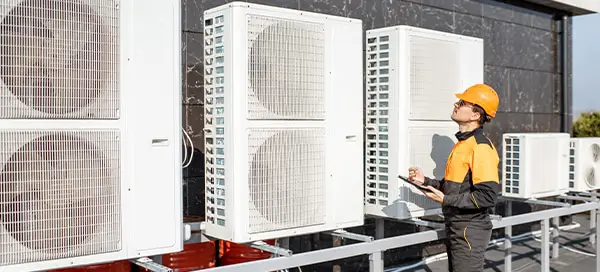
Split system outdoor unit on a wall bracket
Credit: shopwoodstockhardware.com
When comparing system types, it helps to understand the differences between HVAC and standard cooling. the differences between HVAC and standard cooling
Essential HVAC Supplies
There are many supplies needed to keep HVAC systems running smoothly. Here are some essential HVAC supplies:
Supply Description
Air Filters These keep the air clean. They trap dust and allergens.
Thermostats These control the temperature. Smart thermostats can be controlled with a phone.
Ductwork Ducts carry air throughout the home. They must be clean and free of leaks.
Refrigerants These are chemicals that cool the air. They are used in air conditioners and heat pumps.
Blower Motors These move air through the ducts. They must be in good working condition.
Evaporator and Condenser Coils These are key parts of the cooling system. They transfer heat.
Note: R‑22 (Freon) has been phased out in the U.S. since 2020; most new equipment uses R‑410A or lower‑GWP alternatives such as R‑32. EPA’s refrigerant phaseout schedule
Beyond the basics, technicians also stock insulation wrap, foil‑tape sealant, refrigerant recovery cylinders, and voltage testers to handle installations and repairs safely.
Importance of Regular Maintenance
Regular maintenance is important for HVAC systems. It helps them run efficiently. It also extends their lifespan. Here are some maintenance tips:
Change Air Filters: Change them every 1-3 months. This keeps the air clean and the system running well.
Check Thermostat Settings: Make sure the thermostat is set to the right temperature.
Inspect Ductwork: Look for leaks and clean the ducts regularly.
Clean Coils: Clean the evaporator and condenser coils. This helps the system cool efficiently.
Check Refrigerant Levels: Make sure the refrigerant levels are correct. Low levels can cause the system to work harder.
Schedule Professional Maintenance: Have a professional inspect and tune-up the system annually.
In practice, a clogged filter is the most common cause of reduced airflow and higher energy bills. Seasonal upkeep keeps efficiency high and prevents costly breakdowns. Seasonal upkeep
Common HVAC Problems and Solutions
Sometimes, HVAC systems have problems. Here are some common issues and their solutions:
System Not Cooling: Check the thermostat settings. Make sure the air filter is clean. Check for blocked vents.
System Not Heating: Check the thermostat settings. Make sure the furnace is working. Check for blocked vents.
Strange Noises: Noises can come from loose parts. Tighten any loose screws or bolts. If the noise continues, call a professional.
High Energy Bills: Check for leaks in the ductwork. Make sure the system is not working harder than it should.
Unusual Smells: Unusual smells can come from dirty filters or mold. Clean or replace the filters. Have a professional inspect the system for mold.
https://www.youtube.com/watch?v=2K_u8A2GMu4
If your unit is blowing warm air, a step‑by‑step diagnostic can pinpoint the cause. step‑by‑step diagnostic
Choosing the Right HVAC Supplies
Choosing the right HVAC supplies is important. It ensures your system runs efficiently. Here are some tips for choosing the right supplies:
Know Your System: Understand the type of HVAC system you have. This helps you choose compatible supplies.
Quality Matters: Choose high-quality supplies. They last longer and perform better.
Energy Efficiency: Look for energy-efficient supplies. They save money on energy bills.
Consult a Professional: If unsure, consult a professional. They can recommend the right supplies for your system.
A reliable installation guide ensures the split system is mounted correctly. installation guide
Selecting the right air conditioner for your space avoids oversizing and short‑cycling. selecting the right air conditioner
HVAC Supply Categories Beyond the Basics
In addition to the core components listed above, a well‑stocked supply closet often includes:
- Insulation & Sealants – foil‑tape, mastic, and pipe wrap to stop air leakage.
- Refrigerant Handling Tools – recovery machines, manifold gauges, and leak detectors.
- Electrical Accessories – contactors, capacitors, and disconnect switches rated for the system voltage.
- Indoor Air Quality Add‑Ons – UV germicidal lamps, whole‑house humidifiers, and electronic air cleaners.
- Zoning Controls – motorized dampers and zone panels for multi‑zone comfort.
These items let technicians address airflow balance, humidity control, and health‑focused filtration in a single service visit.
Energy Efficiency Ratings Explained
Understanding efficiency metrics helps you pick supplies that lower operating costs:
- SEER (Seasonal Energy Efficiency Ratio) – higher numbers mean more cooling per watt‑hour.
- HSPF (Heating Seasonal Performance Factor) – the heating counterpart for heat pumps.
- EER (Energy Efficiency Ratio) – a snapshot at a specific outdoor temperature.
- AFUE (Annual Fuel Utilization Efficiency) – for furnaces, expressed as a percentage.
Choosing a unit with a high SEER rating can cut cooling costs dramatically. top‑rated residential systems
Energy Star certified equipment meets strict efficiency guidelines set by the U.S. EPA. Energy Star certified equipment
Latest HVAC Innovations (2026)
The industry continues to evolve rapidly. Notable trends this year include:
- Variable‑capacity compressors that modulate output in 1 % increments for precise temperature control.
- Low‑GWP refrigerants such as R‑32 and R‑454B becoming standard in new residential units.
- Smart‑grid ready thermostats that communicate with utility demand‑response programs.
- Integrated IAQ sensors that trigger ventilation or filtration automatically based on particulate and VOC levels.
- Modular heat‑pump platforms that allow easy capacity upgrades without replacing the entire outdoor unit.
Staying current with these emerging cooling technologies can future‑proof your inventory and service offerings. emerging cooling technologies
Frequently Asked Questions
What Are Common Hvac Supplies?
Common HVAC supplies include filters, thermostats, ductwork, refrigerants, and insulation materials.
How Often Should Hvac Filters Be Replaced?
HVAC filters should be replaced every 1-3 months for optimal performance.
Why Is Ductwork Important For Hvac Systems?
Ductwork distributes air efficiently, ensuring consistent temperature and air quality throughout your home.
What Types Of Refrigerants Are Used In Hvac?
Common refrigerants include R-22 and R-410A, used in different types of HVAC systems.
How Do I Know If My System Needs More Refrigerant?
Low cooling capacity, ice on the evaporator coil, and a hissing sound near the lineset often indicate a refrigerant charge issue. A certified technician should perform a pressure test and leak check before adding refrigerant.
Can I Install a Smart Thermostat Myself?
Many smart thermostats are designed for DIY installation if you have a C‑wire; however, systems without a common wire may require an adapter or professional wiring.
Conclusion
HVAC supplies are essential for maintaining a comfortable home. Knowing the types of systems and supplies helps in making informed decisions. Regular maintenance ensures the system runs efficiently. Always choose high-quality supplies for the best performance. Consult professionals when needed. With the right supplies and care, your HVAC system will keep your home comfortable for years to come.
Looking for a new system? Check out our guide on selecting the right air conditioner for your home. selecting the right air conditioner