Installing an LG 12000 BTU air conditioner doesn’t have to be overwhelming. This guide walks you through every step, from choosing the right model to testing your unit, ensuring a safe and efficient setup. Save money and enjoy cool comfort with clear, easy-to-follow instructions.
Key Takeaways
- Choose the right model: Ensure your LG 12000 BTU AC matches your room size and electrical requirements for optimal performance.
- Gather the right tools: You’ll need a drill, level, screwdrivers, measuring tape, and safety gear before starting.
- Prepare the window or wall opening: Measure carefully and reinforce the structure if needed to support the unit’s weight.
- Follow electrical safety rules: Always turn off power at the breaker and consult an electrician if unsure about wiring.
- Seal gaps properly: Use foam insulation and weatherstripping to prevent air leaks and improve energy efficiency.
- Test and maintain regularly: Run the unit after installation and clean filters monthly for long-term reliability.
- When in doubt, call a pro: Complex installations or electrical work should be handled by a licensed technician.
How to Install LG 12000 BTU Air Conditioner: A Complete Step-by-Step Guide
Installing an LG 12000 BTU air conditioner can be a rewarding DIY project that saves you money and gives you full control over your home cooling. Whether you’re replacing an old unit or setting up your first air conditioner, this guide will walk you through the entire process—safely and efficiently. From choosing the right model to testing your new system, we’ve got you covered.
With the right tools, preparation, and attention to detail, you can install your LG 12000 BTU air conditioner in just a few hours. This guide is designed for homeowners with basic DIY skills and a willingness to follow safety guidelines. We’ll cover everything you need to know, including window and wall installation options, electrical requirements, and post-installation maintenance.
By the end of this guide, you’ll have a cool, comfortable space and the confidence that your air conditioner is installed correctly. Let’s get started!
Why Choose an LG 12000 BTU Air Conditioner?
LG is a trusted name in home appliances, and their 12000 BTU air conditioners are known for energy efficiency, quiet operation, and smart features. These units are ideal for cooling rooms between 450 and 550 square feet, making them perfect for bedrooms, living rooms, or home offices.
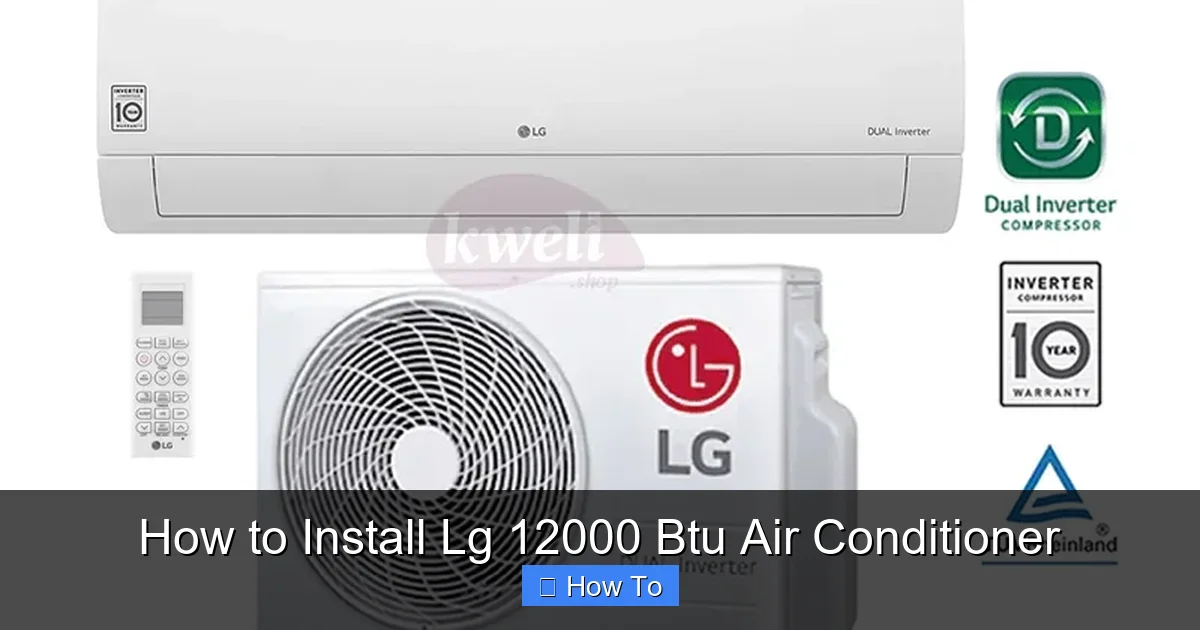
Visual guide about How to Install Lg 12000 Btu Air Conditioner
Image source: kweli.shop
The 12000 BTU capacity strikes a great balance between power and energy use. It’s strong enough to cool a medium-sized room quickly but won’t overload your electrical system. Many LG models also come with features like Wi-Fi connectivity, remote control, and energy-saving modes, giving you more control over your comfort.
Plus, LG air conditioners are designed with user-friendly installation in mind. Most models include mounting brackets, foam insulation, and detailed instructions. Whether you’re installing a window unit or a through-the-wall model, LG provides the tools and support you need.
Types of LG 12000 BTU Air Conditioners
Before you begin installation, it’s important to know which type of LG 12000 BTU air conditioner you have. The two most common types are window units and through-the-wall units. Each has its own installation process, so let’s break them down.
Window Air Conditioners
Window units are the most popular and easiest to install. They fit directly into a double-hung or sliding window and are secured with brackets and support arms. These models are ideal for renters or homeowners who don’t want to make permanent changes to their walls.
Pros of window units include lower cost, easy removal, and no need for professional installation. However, they can block natural light and may not fit all window types. Make sure your window is strong enough to support the unit’s weight—typically around 70 to 90 pounds.
Through-the-Wall Air Conditioners
Through-the-wall units are installed directly into an exterior wall. They offer a more permanent and streamlined look, with the condenser and compressor outside and the cooling unit inside. These models are great for homes with limited window space or where window units aren’t allowed.
Installation is more involved and may require cutting into the wall, but the result is a cleaner, quieter setup. You’ll need to ensure the wall can support the unit and that there’s proper drainage for condensation. Always check local building codes before proceeding.
Tools and Materials You’ll Need
Before you start, gather all the tools and materials. Having everything ready will save time and prevent frustration during installation.
- Measuring tape
- Level
- Power drill and drill bits
- Screwdrivers (Phillips and flathead)
- Adjustable wrench
- Pencil or marker
- Safety goggles and gloves
- Caulk and caulk gun
- Foam insulation strips
- Mounting brackets (usually included)
- Support brackets or L-brackets (for window units)
- Wall sleeve (for through-the-wall units)
- Electrical tape and wire nuts (if wiring is needed)
Most LG air conditioners come with a basic installation kit, including brackets, screws, and foam insulation. Check the box to confirm what’s included. If anything is missing, contact LG customer service or visit a hardware store.
Step 1: Choose the Right Location
The location of your air conditioner affects its performance, efficiency, and safety. Take time to choose the best spot before drilling or cutting.
For Window Units
Select a window that gets minimal direct sunlight and is close to an electrical outlet. Avoid windows near heat sources like grills or vents. The window should be sturdy and able to support the unit’s weight.
Measure the window opening to ensure the unit fits. Most LG 12000 BTU window units are about 23 to 26 inches wide and 15 to 18 inches tall. Leave at least 4 inches of clearance on each side for airflow and installation.
For Through-the-Wall Units
Choose an exterior wall that’s accessible from both inside and outside. The wall should be at least 8 inches thick and free of electrical wires, plumbing, or structural supports. Use a stud finder to locate studs and avoid cutting through them.
The ideal height is about 3 to 5 feet from the floor. This allows for proper airflow and makes maintenance easier. Make sure there’s enough space outside for the unit’s exhaust and that it won’t block walkways or windows.
Step 2: Prepare the Installation Area
Preparation is key to a smooth installation. Take time to clean, measure, and reinforce the area where the unit will go.
Clean the Window or Wall
Remove any dirt, paint, or debris from the window frame or wall. A clean surface ensures a tight seal and prevents air leaks. For window units, check that the window opens and closes smoothly.
Reinforce the Structure
Window units can be heavy. If your window frame is old or weak, consider adding support brackets or a wooden platform underneath. For through-the-wall installations, you may need to add a header or frame around the opening for extra strength.
Check Electrical Requirements
LG 12000 BTU air conditioners typically require a 230-volt dedicated circuit. Check your unit’s manual for exact specifications. Never plug the unit into an extension cord or power strip. If your home doesn’t have the right outlet, hire a licensed electrician to install one.
Turn off the power at the breaker before doing any electrical work. Use a voltage tester to confirm the power is off. Safety first!
Step 3: Install the Mounting Brackets
Mounting brackets secure the air conditioner in place and prevent it from falling. Follow the instructions that came with your LG unit, as designs vary by model.
For Window Units
Most LG window units use side brackets that attach to the window frame. Slide the brackets into the slots on the sides of the unit, then position the AC in the window. Lower the sash and secure the brackets to the frame with screws.
Use a level to make sure the unit is straight. A tilted unit can cause water to leak inside. Adjust the brackets if needed.
For Through-the-Wall Units
Install the wall sleeve first. This metal frame fits into the wall opening and holds the unit. Secure it with screws and seal the edges with caulk to prevent drafts.
Slide the air conditioner into the sleeve from the outside. Make sure it sits flush with the sleeve and is level. Secure it with the provided screws or locking mechanism.
Step 4: Secure the Air Conditioner
Once the brackets are in place, it’s time to secure the unit and prevent movement.
Tighten All Screws
Use a screwdriver or drill to tighten all mounting screws. Don’t overtighten, as this can damage the unit or frame. Check that the unit doesn’t wobble or shift.
Add Support Brackets (Window Units)
For extra stability, install support brackets under the unit. These L-shaped brackets attach to the window sill and the bottom of the AC. They help distribute weight and prevent the unit from tipping forward.
Some models include adjustable support legs. Extend them until they touch the sill, then lock them in place.
Seal Gaps and Insulate
Use foam insulation strips to fill gaps between the unit and the window or wall. This prevents hot air from entering and cool air from escaping. Apply caulk around the edges for a weatherproof seal.
For window units, install accordion-style side panels (usually included) to cover the gaps on the sides. Slide them into the brackets and secure with screws.
Step 5: Connect the Electrical Supply
Electrical work can be dangerous. If you’re not confident, hire a professional. Never skip safety steps.
Turn Off Power
Go to your electrical panel and turn off the breaker for the circuit you’ll be using. Use a voltage tester to confirm the power is off.
Connect the Wiring (If Required)
Some through-the-wall units require hardwiring. Follow the wiring diagram in the manual. Connect the wires (usually black, white, green, and red) to the corresponding terminals. Use wire nuts to secure connections and electrical tape for insulation.
For plug-in units, simply plug the cord into the dedicated outlet. Make sure the outlet is rated for 230 volts and has a grounding pin.
Test the Connection
Turn the power back on and test the unit. If it doesn’t start, check the breaker and wiring. If you smell burning or see sparks, turn off the power immediately and call an electrician.
Step 6: Test the Air Conditioner
Once everything is installed, it’s time to test your LG 12000 BTU air conditioner.
Turn It On
Set the thermostat to a low temperature and turn on the unit. Listen for unusual noises like grinding or rattling. These could indicate loose parts or improper installation.
Check Airflow
Feel the air coming from the vents. It should be cool and strong. If airflow is weak, check the filter—it may be dirty or clogged.
Monitor for Leaks
Watch for water dripping inside the room. A small amount of condensation is normal, but leaks can indicate poor sealing or drainage issues. Adjust the unit’s angle or reapply insulation if needed.
Use the Remote or App
If your model has a remote or Wi-Fi feature, test it out. Make sure all functions work, including fan speed, mode selection, and timer settings.
Troubleshooting Common Installation Issues
Even with careful installation, problems can arise. Here’s how to fix the most common issues.
Unit Won’t Turn On
Check the power source. Is the breaker on? Is the outlet working? Try plugging in another device. If the unit still doesn’t start, check the wiring or contact LG support.
Weak Cooling
This could be due to dirty filters, blocked vents, or low refrigerant. Clean the filter and ensure nothing is blocking airflow. If the problem persists, the unit may need professional servicing.
Water Leaking Inside
Make sure the unit is level and tilted slightly outward. Check that the drain hole (on through-the-wall units) is clear. Reapply insulation if gaps are present.
Excessive Noise
Loose parts or unbalanced fans can cause noise. Turn off the unit and check all screws and brackets. Tighten as needed. If the noise continues, contact a technician.
Remote Not Working
Replace the batteries and make sure there’s no obstruction between the remote and the unit. Some models require the remote to be pointed directly at the sensor.
Maintenance Tips for Long-Term Performance
Proper maintenance keeps your LG 12000 BTU air conditioner running efficiently for years.
Clean the Filter Monthly
Remove the filter and wash it with warm, soapy water. Let it dry completely before reinstalling. A clean filter improves airflow and reduces energy use.
Inspect the Unit Seasonally
Before each cooling season, check the unit for damage, loose parts, or debris. Clean the exterior and ensure the area around the unit is clear.
Check the Seal
Over time, insulation can wear out. Inspect the seals around the unit and replace foam strips or caulk as needed.
Schedule Professional Service
Have a technician inspect the unit every 2–3 years. They can check refrigerant levels, clean coils, and ensure everything is working properly.
When to Call a Professional
While many homeowners can install an LG 12000 BTU air conditioner themselves, some situations require expert help.
- You’re not comfortable with electrical work.
- The wall or window structure is weak or damaged.
- You need to run new wiring or install a dedicated circuit.
- The unit is too heavy to lift or position safely.
- You’re installing a through-the-wall unit in a load-bearing wall.
A licensed HVAC technician or electrician can ensure the job is done safely and up to code. It’s better to spend a little extra than risk injury or damage.
Conclusion
Installing an LG 12000 BTU air conditioner is a manageable project for most DIYers. With the right tools, preparation, and attention to safety, you can enjoy cool, comfortable air without hiring a professional.
Remember to choose the right location, follow the manufacturer’s instructions, and test the unit thoroughly. Regular maintenance will keep your air conditioner running efficiently for years to come.
Whether you’re cooling a bedroom, office, or living room, your LG 12000 BTU air conditioner will keep you comfortable all summer long. Stay cool and enjoy the results of your hard work!