Is your LG portable air conditioner not cooling, leaking, or making strange noises? This guide walks you through common problems and practical fixes to get your unit running smoothly again—no technician required.
Key Takeaways
- Regular cleaning prevents most issues: Dust and debris in filters, vents, and coils reduce efficiency and cause overheating.
- Check the drainage system first if leaking: Clogged drain hoses or full water tanks are common culprits behind water leaks.
- Ensure proper ventilation: Blocked exhaust hoses or poor room airflow can stop your AC from cooling effectively.
- Reset the unit after power issues: A simple power cycle often resolves unresponsive controls or error codes.
- Use the right settings for your room size: Overworking a small unit in a large space leads to poor performance and wear.
- Know when to call a professional: Refrigerant leaks, electrical faults, or compressor issues require expert help.
- Keep the user manual handy: It contains model-specific troubleshooting steps and error code meanings.
How to Fix an LG Portable Air Conditioner
If your LG portable air conditioner isn’t cooling like it used to, or worse—it’s leaking, making weird noises, or won’t turn on at all—don’t panic. Most common issues with LG portable AC units can be fixed at home with a few simple steps. This comprehensive guide will walk you through diagnosing and resolving the most frequent problems, from clogged filters to drainage issues and error codes. You’ll learn how to clean, maintain, and troubleshoot your unit like a pro—saving you time, money, and the hassle of calling a repair technician.
Whether you’re dealing with weak airflow, water pooling on the floor, or the unit shutting off unexpectedly, this guide has you covered. We’ll break down each problem, explain why it happens, and give you clear, step-by-step instructions to fix it. By the end, you’ll not only have a cooler home but also a better understanding of how your portable AC works—and how to keep it running efficiently for years to come.
Common Problems with LG Portable Air Conditioners
Before diving into fixes, it’s helpful to understand what might be going wrong. LG portable air conditioners are reliable, but like any appliance, they can develop issues over time—especially if they’re not maintained properly. Here are the most common problems users face:
- Not cooling effectively: The room stays warm despite the unit running.
- Water leaking or pooling: Water collects inside the unit or drips onto the floor.
- Unit won’t turn on: No response when pressing the power button.
- Strange noises: Rattling, buzzing, or grinding sounds during operation.
- Error codes on display: Messages like “E1,” “CL,” or “PF” appear.
- Weak airflow: Air comes out slowly or not at all.
- Frequent auto-shutdowns: The unit turns off after running for a short time.
Most of these issues stem from poor maintenance, improper setup, or environmental factors. The good news? Many can be resolved with basic cleaning, repositioning, or a quick reset. Let’s go through each problem and how to fix it.
Step 1: Check the Air Filter
One of the most common reasons your LG portable air conditioner isn’t cooling well is a dirty air filter. Over time, dust, pet hair, and debris build up on the filter, blocking airflow and reducing efficiency. When airflow is restricted, the unit has to work harder, which can lead to overheating, reduced cooling, and even automatic shutdowns.
How to Clean the Air Filter
- Turn off and unplug the unit: Safety first! Always disconnect power before performing any maintenance.
- Locate the filter compartment: On most LG portable ACs, the filter is behind a front or side panel. Look for a latch or screws holding the panel in place.
- Remove the filter: Gently pull the filter out. It’s usually a mesh or foam panel that slides out easily.
- Rinse with warm water: Use a gentle stream of water to wash away dust. Avoid harsh chemicals or scrubbing, which can damage the filter.
- Let it dry completely: Air-dry the filter for at least 2–4 hours. Never reinstall a wet filter—it can promote mold growth.
- Reinstall the filter: Slide it back into place and secure the panel.
Pro Tip: Clean the filter every 2–4 weeks during heavy use. If you have pets or live in a dusty area, check it weekly.
What If the Filter Looks Fine?
If the filter is clean but the unit still isn’t cooling, move on to the next step. However, don’t skip filter maintenance—it’s the #1 cause of performance issues in portable ACs.
Step 2: Inspect the Exhaust Hose and Ventilation
Portable air conditioners work by pulling in warm air, cooling it, and exhausting hot air outside through a hose. If the exhaust hose is kinked, blocked, or improperly installed, hot air can’t escape. This causes the unit to overheat, reduce cooling, or shut down automatically.
Check the Exhaust Hose
- Inspect the hose for bends or kinks: The hose should be as straight as possible. Even a slight bend can restrict airflow.
- Ensure it’s securely connected: Both ends—the unit side and the window kit—should be tightly fitted. Loose connections let hot air leak back into the room.
- Look for blockages: Rare, but possible. Use a flashlight to check for debris or pests inside the hose.
- Shorten the hose if too long: Excess length increases resistance. Most LG units work best with hoses under 5 feet.
Improve Room Ventilation
Even with a properly installed hose, poor room airflow can hurt performance. Make sure:
- The unit isn’t placed in a corner or behind furniture.
- There’s at least 12–18 inches of clearance around the unit.
- Windows and doors are closed to prevent hot air from entering.
- Ceiling fans are used to circulate cool air.
Example: If your AC is in a small bedroom with the door closed and no fan, it may struggle to cool effectively. Open a window slightly to allow fresh air in, or use a fan to help distribute the cool air.
Step 3: Address Water Leaks and Drainage Issues
Water leaking from your LG portable air conditioner is a common complaint—and it’s usually fixable. Portable ACs produce condensation as they cool, and this water must be drained properly. If the drainage system is clogged or the water tank is full, leaks happen.
Check the Water Tank
Most LG portable ACs have an internal water tank that collects condensation. When full, the unit may stop cooling or display a “CL” (clean) or “E1” error code.
- Locate the water tank: Usually at the bottom rear of the unit. Look for a removable panel or drawer.
- Remove and empty the tank: Carry it carefully to avoid spills. Pour the water down the sink.
- Wipe it clean: Use a damp cloth to remove any residue or mold.
- Reinstall the tank: Make sure it’s seated properly and the panel is secure.
Pro Tip: Some models have a continuous drainage option. If yours does, connect a hose to the drain port and route it to a floor drain or outside. This eliminates the need to empty the tank manually.
Clear a Clogged Drain Hose
If the unit still leaks after emptying the tank, the drain hose may be clogged with algae, mold, or debris.
- Locate the drain port: Usually on the back or side of the unit, near the bottom.
- Disconnect the drain hose: Use a towel to catch any water.
- Flush with warm water: Use a syringe or small funnel to push water through the hose and clear blockages.
- Use a vinegar solution for stubborn clogs: Mix equal parts white vinegar and water. Let it sit for 15–20 minutes, then flush.
- Reconnect the hose: Ensure it’s secure and pointing downward for proper drainage.
Prevent Future Clogs
- Use distilled water if your model has a humidifier function.
- Clean the drain hose every 1–2 months during peak use.
- Keep the unit level—tilting can cause improper drainage.
Step 4: Reset the Unit and Clear Error Codes
Sometimes, your LG portable air conditioner just needs a fresh start. Power surges, temporary glitches, or sensor errors can cause the unit to freeze up or display error codes. A simple reset often solves the problem.
How to Reset Your LG Portable AC
- Turn off the unit: Press the power button.
- Unplug it from the wall: Wait at least 5–10 minutes. This allows capacitors to discharge and sensors to reset.
- Plug it back in: After waiting, reconnect power.
- Turn it on: Press the power button and test normal operation.
Common Error Codes and What They Mean
LG portable ACs display error codes to help diagnose issues. Here are the most common ones:
- E1: Water tank is full or sensor error. Empty the tank and reset.
- CL: Filter needs cleaning. Clean the air filter and reset.
- PF: Power failure or voltage issue. Check the outlet and circuit breaker.
- E2: Temperature sensor malfunction. May require professional service.
- E3: Communication error between components. Try a reset first.
Note: If the error persists after a reset, consult your user manual or contact LG support. Some issues require professional diagnosis.
Step 5: Clean the Evaporator and Condenser Coils
Over time, the evaporator and condenser coils inside your portable AC can collect dust and grime. Dirty coils reduce heat exchange efficiency, leading to poor cooling and higher energy use. While these coils are harder to access than the filter, cleaning them can make a big difference.
Accessing the Coils
- Unplug the unit: Always disconnect power first.
- Remove the front or side panel: Use a screwdriver if needed. Refer to your manual for panel locations.
- Locate the coils: The evaporator coil is usually behind the filter. The condenser coil is near the exhaust hose.
- Use a soft brush or vacuum: Gently remove loose dust. Avoid bending the delicate fins.
- Apply coil cleaner (optional): Use a no-rinse coil cleaner spray for deeper cleaning. Follow product instructions.
- Let it dry: Wait 30–60 minutes before reassembling.
- Reinstall the panel: Secure all screws and latches.
Warning: If you’re not comfortable opening the unit, skip this step. Improper handling can damage internal components.
Step 6: Check for Refrigerant Issues
If your LG portable air conditioner runs but doesn’t cool at all, a refrigerant leak could be the cause. Refrigerant is the substance that absorbs heat from the air. If levels are low, the unit can’t cool effectively.
Signs of a Refrigerant Leak
- Unit runs but blows warm or room-temperature air.
- Ice buildup on the evaporator coil.
- Hissing or bubbling sounds from the unit.
- Higher-than-normal electricity bills.
What You Can Do
Unfortunately, refrigerant issues require professional repair. Portable ACs are sealed systems, and only certified technicians should handle refrigerant. If you suspect a leak:
- Turn off the unit: Running it with low refrigerant can damage the compressor.
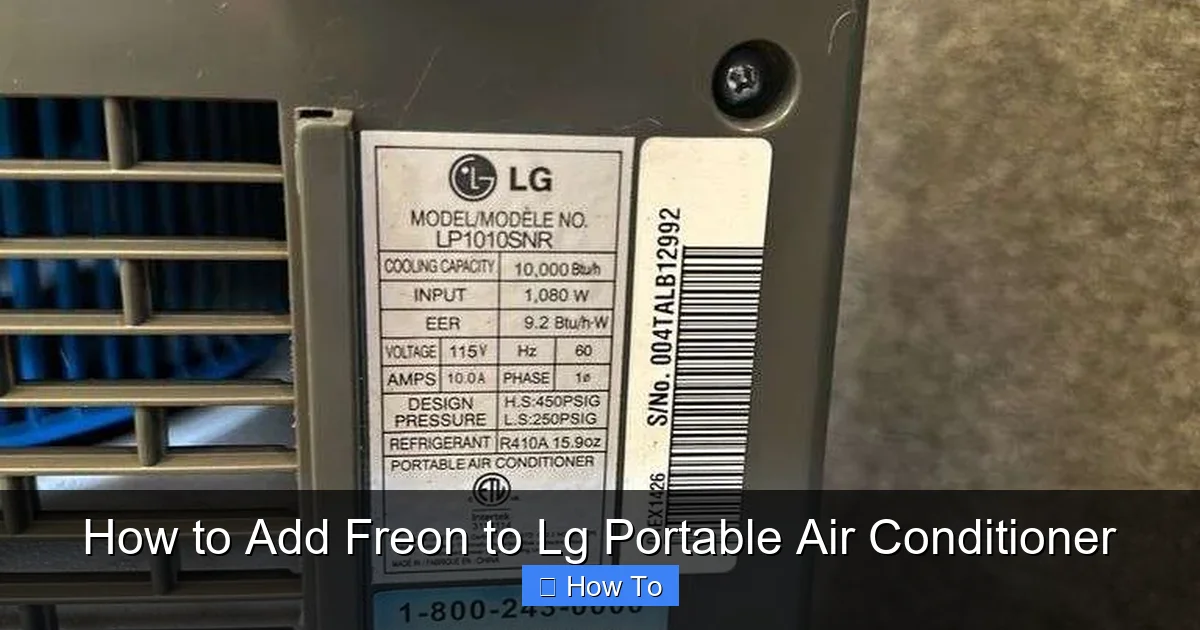
- Contact LG support: Use the model number (found on the label) to get service options.
- Schedule a technician: They can detect leaks, recharge refrigerant, and seal the system.
Prevention Tip: Avoid moving the unit roughly, which can damage refrigerant lines. Always secure it during transport.
Step 7: Fix Strange Noises
Unusual sounds from your portable AC can be alarming, but they often point to simple fixes.
Rattling or Vibrating
- Check for loose panels: Tighten any screws or latches.
- Ensure the unit is level: Use a spirit level. Adjust the feet or place on a flat surface.
- Inspect the fan blades: Make sure they’re not hitting anything.
Buzzing or Humming
- Could indicate a failing compressor or electrical issue.
- Try a reset first. If noise continues, contact support.
Grinding or Scraping
- Usually a fan motor or bearing problem.
- Stop using the unit and seek professional help.
Step 8: Optimize Settings and Usage
Sometimes, the issue isn’t mechanical—it’s how you’re using the unit.
Use the Right Mode
- Cool mode: For standard cooling.
- Fan mode: For air circulation without cooling.
- Dry mode: Reduces humidity (great for damp days).
Set the Right Temperature
- Aim for 72–78°F (22–26°C) for comfort and efficiency.
- Avoid setting it too low—it won’t cool faster and wastes energy.
Close Doors and Windows
- Cool only the room you’re in.
- Use curtains or blinds to block sunlight.
When to Call a Professional
While many issues can be fixed at home, some problems require expert attention:
- Refrigerant leaks or low levels.
- Compressor or fan motor failure.
- Electrical faults or burning smells.
- Persistent error codes after troubleshooting.
- Water damage inside the unit.
If you’re unsure, it’s always safer to consult a technician. Attempting complex repairs can void your warranty or cause further damage.
Conclusion
Fixing your LG portable air conditioner doesn’t have to be stressful. With regular maintenance—like cleaning filters, checking drainage, and ensuring proper ventilation—you can prevent most common issues. When problems do arise, this guide gives you the tools to diagnose and resolve them quickly and safely.
Remember: clean filters, clear hoses, and proper setup are the foundation of good performance. And when in doubt, don’t hesitate to reach out to LG support or a certified technician.
By following these steps, you’ll keep your portable AC running efficiently, extend its lifespan, and enjoy cool, comfortable air all season long.