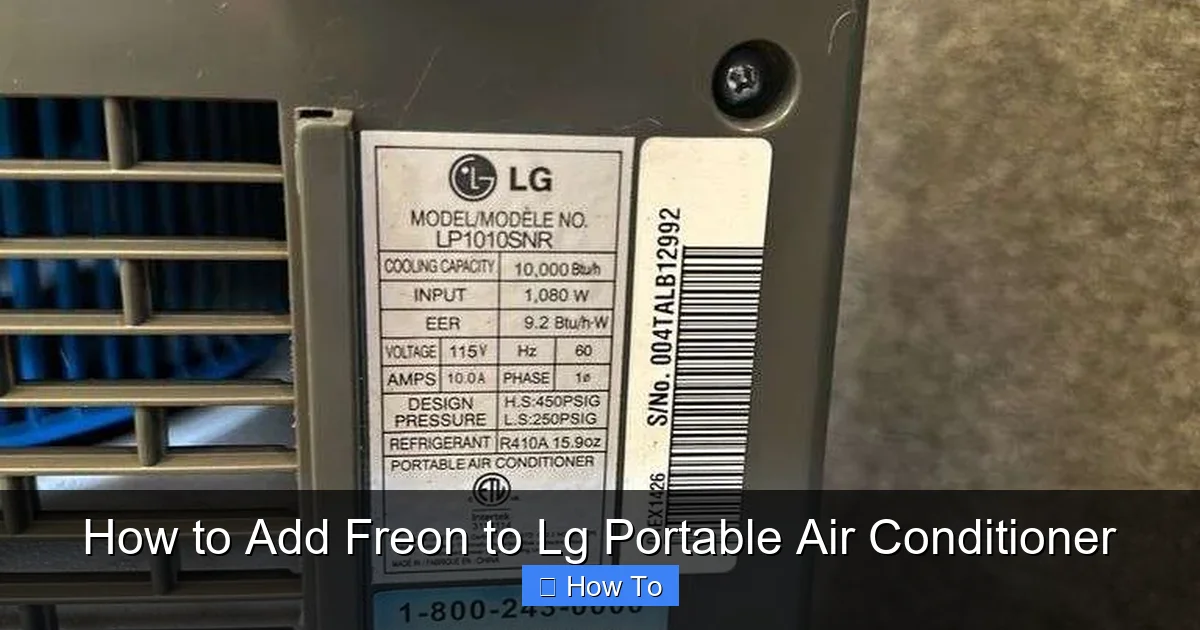
The E4 error code on an LG air conditioner typically indicates a refrigerant leak or low refrigerant levels, which can severely impact cooling efficiency. This issue often stems from damaged coils, loose connections, or aging components, and should be addressed promptly to avoid compressor damage or system failure.
Key Takeaways
E4 means low refrigerant or a refrigerant leak: This is the most common cause, triggered when the system detects insufficient refrigerant to operate safely.
Check for ice buildup or weak airflow: These symptoms often accompany the E4 code and signal underlying refrigerant issues.
Never ignore the E4 error: Running the AC with low refrigerant can damage the compressor, leading to costly repairs or replacement.
DIY checks can help identify simple fixes: Inspect filters, coils, and outdoor unit for visible damage or blockages before calling a technician.
Professional diagnosis is usually required: Recharging refrigerant and repairing leaks must be done by a certified HVAC technician due to environmental and safety regulations.
Regular maintenance prevents E4 errors: Cleaning coils, checking refrigerant levels annually, and servicing the unit can avoid this issue.
Warranty coverage may apply: If your LG AC is under warranty, contact LG support for free inspection and repair services.
Quick Answers to Common Questions
What does E4 mean on LG air conditioner?
The E4 error code on an LG air conditioner indicates a refrigerant issue, most commonly low refrigerant levels or a refrigerant leak.
Can I fix the E4 error myself?
You can fix minor causes like dirty filters or frozen coils, but refrigerant leaks require a certified HVAC technician.
Why is my LG AC showing E4 and not cooling?
The E4 code means the system can’t cool properly due to low refrigerant, often from a leak or improper charge.
How much does it cost to fix an E4 error?
Diagnostic fees range from $100–$200, while leak repairs and refrigerant recharge can cost $200–$600 depending on the issue.
Will the E4 error damage my air conditioner?
Yes, running the AC with low refrigerant can damage the compressor, leading to costly repairs or replacement.
📑 Table of Contents
- What Does E4 Mean on LG Air Conditioner?
- Common Causes of the E4 Error Code
- How to Diagnose the E4 Error
- Can You Fix the E4 Error Yourself?
- Preventing the E4 Error in the Future
- Warranty and Support Options
- Conclusion
What Does E4 Mean on LG Air Conditioner?
So, you’re enjoying a hot summer day, and suddenly your LG air conditioner stops cooling. You glance at the display and see “E4” flashing—what does that mean? Don’t panic. The E4 error code is one of the more common alerts on LG air conditioning units, and while it can be concerning, it’s usually fixable with the right approach.
In simple terms, the E4 error on an LG air conditioner indicates a problem with the refrigerant system. Most often, it means the system has detected low refrigerant levels, which could be due to a leak or improper charge. Refrigerant is the lifeblood of your AC—it absorbs heat from inside your home and releases it outside. Without enough of it, your unit can’t cool effectively, and the system triggers the E4 code to protect itself from damage.
This error isn’t just a minor inconvenience. Ignoring it can lead to bigger problems, like frozen coils, compressor failure, or even complete system breakdown. But the good news? With a little troubleshooting and professional help when needed, you can get your LG AC back to cooling your home efficiently.
Common Causes of the E4 Error Code
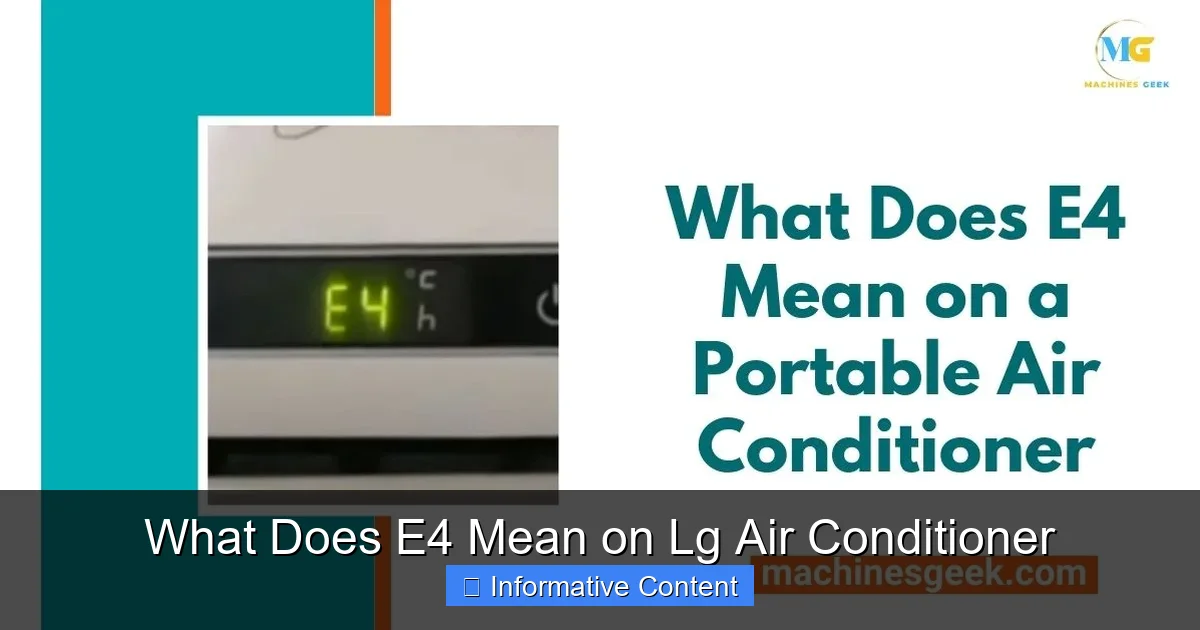
LG unit showing E4 error on display panel
Visual guide about What Does E4 Mean on Lg Air Conditioner
Image source: machinesgeek.com
Understanding why the E4 error appears is the first step toward fixing it. While the root cause is typically related to refrigerant, several factors can contribute to this issue. Let’s break down the most common culprits.
Refrigerant Leak
The number one reason for an E4 error is a refrigerant leak. Over time, the copper lines or coils in your AC system can develop small cracks or holes due to corrosion, vibration, or physical damage. Even a tiny leak can cause refrigerant levels to drop below the safe operating threshold, triggering the E4 code.
For example, if your outdoor unit is located near a garden or walkway, accidental damage from lawn equipment or debris could puncture a refrigerant line. Similarly, older units may suffer from wear and tear, especially in areas with high humidity or salt air, which accelerates corrosion.
Low Refrigerant Charge
Sometimes, the refrigerant wasn’t properly charged during installation. If the technician underfilled the system, it may not have enough refrigerant to begin with. Over time, even minor leaks can make this problem worse. A low initial charge means the system struggles to cool from day one, and the E4 error appears when levels dip too low.
Faulty Sensors or Control Board
In rare cases, the E4 error might not be due to an actual refrigerant issue. The problem could be with the sensors that monitor refrigerant pressure or temperature. If a sensor is malfunctioning, it might send incorrect signals to the control board, causing the system to falsely detect low refrigerant and display the E4 code.
Similarly, a glitch in the main control board could misinterpret normal operating conditions as a refrigerant problem. This is less common but still possible, especially in older units or those exposed to power surges.
Blocked or Frozen Coils
When refrigerant levels are low, the evaporator coil inside your indoor unit can become extremely cold and freeze over. Ice buildup restricts airflow and prevents the coil from absorbing heat, which can trigger the E4 error as a protective measure.
You might notice reduced airflow from your vents, frost on the indoor unit, or water pooling around the base. These are all signs that your coils are frozen—often a direct result of low refrigerant.
Clogged Air Filters or Dirty Coils
While not a direct cause of refrigerant loss, dirty air filters or clogged coils can mimic E4 symptoms. Restricted airflow forces the system to work harder, which can lead to temperature imbalances and pressure changes that the control board interprets as a refrigerant issue.
For instance, if your air filter hasn’t been changed in months, dust and debris can block airflow, causing the evaporator coil to freeze. The system then shuts down and displays E4—even though the refrigerant level might be fine.
How Technicians Locate Refrigerant Leaks
A certified technician will often start by checking the condenser for leaks using an electronic detector or UV dye, then verify pressures with a manifold gauge set. This systematic approach isolates the exact point of loss and prevents unnecessary part replacement. For more on condenser‑focused diagnostics, see checking the condenser for leaks.
E4 vs. Other Common LG Error Codes
| Code | Typical Meaning | Immediate Action |
|---|---|---|
| E1 | Indoor/outdoor communication fault | Reset power, check wiring |
| E2 | Indoor coil temperature sensor error | Inspect sensor, replace if needed |
| E4 | Low refrigerant / leak | Turn off, call technician |
| E5 | Over‑current protection | Check compressor, electrical supply |
| CH | High pressure protection | Clean condenser, verify fan operation |
This quick reference helps you decide whether the issue is a simple reset or requires professional service.
How to Diagnose the E4 Error
Before calling a technician, there are a few steps you can take to diagnose the E4 error. These checks won’t fix a refrigerant leak, but they can help rule out simple issues and save you time and money.
Check the Air Filter
Start with the easiest fix: inspect your air filter. A dirty filter restricts airflow, which can cause the evaporator coil to freeze and trigger the E4 code. Remove the filter and hold it up to the light. If you can’t see through it, it’s time to replace it.
Replace the filter with a new one of the same size and rating. Wait about 30 minutes, then turn the AC back on. If the E4 code disappears and cooling resumes, the problem was likely airflow-related. If the code returns, move on to the next step.
Inspect the Indoor and Outdoor Units
Look at both the indoor and outdoor units for visible signs of damage or blockages. Check the outdoor condenser unit for debris like leaves, dirt, or grass clippings. Clear any obstructions and ensure there’s at least two feet of clearance around the unit for proper airflow.
Inside, examine the evaporator coil (usually behind the front panel of the indoor unit). If you see frost or ice buildup, turn off the AC and let it thaw completely. Use a hairdryer on low heat to speed up the process if needed—just be careful not to damage any components.
Listen for Unusual Sounds
Turn on the AC and listen carefully. A refrigerant leak often produces a faint hissing or bubbling sound, especially near the copper lines or connections. If you hear this, it’s a strong indicator of a leak.
Also, pay attention to the compressor in the outdoor unit. If it’s struggling to start or making loud clicking noises, it could be a sign of low refrigerant or electrical issues.
Check the Thermostat and Settings
Sometimes, the E4 error appears due to incorrect thermostat settings. Make sure the thermostat is set to “Cool” and the temperature is lower than the current room temperature. Also, ensure the fan is set to “Auto” rather than “On,” which can cause the coil to freeze if airflow is restricted.
If you’re using a smart thermostat, check for firmware updates or reset the device to rule out software glitches.
Review Recent Maintenance or Repairs
Think back to any recent work done on your AC. If a technician recently serviced the unit or replaced components, there’s a chance the refrigerant wasn’t recharged properly. Improper handling during installation or repair can also cause leaks.
If you suspect this is the case, contact the technician who performed the work and ask them to recheck the system.
Using a Manifold Gauge Set for Pressure Checks
If you have access to a manifold gauge set, you can compare low‑side and high‑side pressures to the manufacturer’s specifications. A low‑side pressure well below spec while the high side is normal strongly suggests a refrigerant loss. For a step‑by‑step guide on interpreting pressure readings, see checking system pressures.
Can You Fix the E4 Error Yourself?
Now that you’ve diagnosed the issue, you might be wondering: can you fix the E4 error on your own? The short answer is: it depends.
DIY Fixes for Minor Issues
If the E4 error is caused by a dirty filter, frozen coil, or blocked airflow, you can often resolve it yourself. Here’s how:
- Replace the air filter every 1–3 months, especially during peak cooling season.
- Clean the evaporator and condenser coils using a soft brush and coil cleaner spray.
- Clear debris from around the outdoor unit and ensure proper ventilation.
- Let frozen coils thaw completely before restarting the system.
These steps can restore normal operation and prevent the E4 code from reappearing—at least temporarily.
Why You Shouldn’t Recharge Refrigerant Yourself
If the issue is a refrigerant leak or low charge, DIY fixes won’t work—and could be dangerous. Handling refrigerant requires specialized tools, training, and certification due to environmental regulations (like the EPA Section 608 certification in the U.S.). The EPA’s Section 608 program outlines the legal requirements for anyone who services refrigerant‑containing equipment.
Attempting to recharge the system without proper knowledge can lead to overcharging, undercharging, or exposure to harmful chemicals. It can also void your warranty or cause further damage to the compressor.
Moreover, simply adding more refrigerant without fixing the leak is a temporary solution. The leak will continue, and the E4 error will return—often with more severe consequences.
When to Call a Professional
If your DIY checks don’t resolve the E4 error, it’s time to call a licensed HVAC technician. They have the tools and expertise to:
- Perform a leak detection test using electronic detectors or UV dye.
- Repair or replace damaged refrigerant lines or coils.
- Recharge the system with the correct type and amount of refrigerant.
- Test system performance and ensure safe operation.
A professional inspection typically costs between $100 and $200, but it’s a small price to pay to avoid costly compressor replacement, which can exceed $1,000.
Why Professional Leak Repair Matters
A proper repair includes evacuating the system, repairing the leak, pressure‑testing with nitrogen, pulling a deep vacuum, and charging to the exact factory weight. Skipping any step risks repeat failures. Scheduling an annual tune‑up after the repair helps verify the fix holds over the season.
Preventing the E4 Error in the Future
Once your LG air conditioner is back up and running, you’ll want to avoid the E4 error in the future. Prevention is always better—and cheaper—than repair.
Schedule Regular Maintenance
The best way to prevent E4 errors is through annual maintenance. A certified technician should inspect your system before each cooling season to:
- Check refrigerant levels and look for leaks.
- Clean coils, filters, and drain lines.
- Tighten electrical connections and lubricate moving parts.
- Test thermostat and control board functionality.
Regular maintenance can extend the life of your AC, improve efficiency, and prevent unexpected breakdowns.
Change Air Filters Monthly
A clean air filter is essential for proper airflow and system performance. Set a monthly reminder to check and replace your filter, especially during heavy use. Use high-quality filters with a MERV rating between 8 and 11 for optimal filtration without restricting airflow.
Keep the Outdoor Unit Clean
Trim back vegetation and remove debris from around the outdoor unit. Use a garden hose to gently rinse off dirt and dust from the condenser fins—never use a pressure washer, as it can bend the delicate fins and reduce efficiency.
Monitor for Early Warning Signs
Stay alert for symptoms that could lead to an E4 error, such as:
- Reduced cooling performance
- Weak airflow from vents
- Ice on the indoor unit
- Unusual noises from the outdoor unit
Addressing these issues early can prevent the E4 code from appearing and save you from a mid-summer breakdown.
Consider a Smart Thermostat
Upgrading to a smart thermostat can help you monitor your AC’s performance and receive alerts for potential issues. Some models can even detect abnormal temperature patterns and notify you before a problem becomes serious.
Energy Efficiency Impact of Low Refrigerant
When refrigerant is low, the compressor runs longer cycles to meet the setpoint, driving up electricity use by 15‑30 %. Keeping the charge correct and optimizing thermostat settings can cut cooling costs noticeably.
Warranty and Support Options
If your LG air conditioner is still under warranty, you may be eligible for free repair or replacement of parts related to the E4 error.
Check Your Warranty Status
LG typically offers a 1-year parts and labor warranty on air conditioners, with extended coverage on compressors (often 5–10 years). Visit LG’s official website and enter your model number to check your warranty status.
If the E4 error is due to a manufacturing defect—such as a faulty coil or sensor—you may qualify for a free repair. Even if the warranty has expired, LG’s customer support team can help you locate authorized service centers and provide troubleshooting guidance.
Contact LG Customer Support
For assistance, call LG’s customer service at 1-800-243-0000 or visit their support page online. Have your model and serial numbers ready, and describe the E4 error and any steps you’ve already taken.
LG may offer remote diagnostics or send a technician to your home, depending on your location and warranty coverage.
Choosing a Qualified HVAC Technician
Look for a contractor who holds EPA Section 608 certification, carries liability insurance, and provides a written estimate before starting work. Ask for references and verify they have experience with LG inverter‑driven units. For tips on vetting contractors, see selecting a reliable contractor.
Conclusion
The E4 error on an LG air conditioner is a clear warning that something is wrong with your refrigerant system. While it can be alarming, understanding what it means and how to respond can save you time, money, and discomfort.
In most cases, the E4 code indicates low refrigerant due to a leak or improper charge. While simple issues like dirty filters or frozen coils can be fixed at home, refrigerant problems require professional attention. Ignoring the error can lead to compressor failure and expensive repairs.
By performing regular maintenance, monitoring for early warning signs, and acting quickly when the E4 code appears, you can keep your LG air conditioner running smoothly for years to come. And if you’re ever in doubt, don’t hesitate to call a certified technician—your comfort and safety are worth it.
Frequently Asked Questions
Is the E4 error common on LG air conditioners?
Yes, the E4 error is one of the more frequently reported issues on LG AC units, especially in older models or those with poor maintenance.
Can a dirty filter cause the E4 error?
Indirectly, yes. A clogged filter can cause the evaporator coil to freeze, which may trigger the E4 code even if refrigerant levels are normal.
How long does it take to fix an E4 error?
Simple fixes like replacing a filter take minutes, but refrigerant leak repairs can take 2–4 hours depending on the location and severity.
Should I turn off my AC when E4 appears?
Yes, turn off the unit immediately to prevent further damage, especially if you suspect a refrigerant leak or frozen coils.
Can weather affect the E4 error?
Extreme heat or humidity can strain the system, but the E4 error is primarily caused by internal refrigerant issues, not weather.
Does LG cover E4 error repairs under warranty?
If the issue is due to a manufacturing defect and your unit is under warranty, LG may cover the cost of parts and labor for repairs.