Connecting your LG air conditioner to WiFi lets you control it remotely, set schedules, and save energy. This guide walks you through every step—from checking compatibility to troubleshooting common issues—so you can enjoy smart cooling in minutes.
Key Takeaways
- Check compatibility first: Not all LG air conditioners support WiFi. Look for models with ThinQ or Smart features and a WiFi indicator light.
- Download the LG ThinQ app: This free app is essential for setup and remote control. Available on iOS and Android.
- Ensure a stable 2.4GHz WiFi network: Most LG ACs only work on 2.4GHz, not 5GHz. Confirm your router broadcasts this band.
- Follow the on-screen setup carefully: The app guides you through pairing. Keep your phone close to the AC during setup.
- Use the correct WiFi password: Typos are a common cause of failure. Double-check capitalization and special characters.
- Restart devices if needed: Power cycling the AC and router can resolve connection glitches.
- Contact LG support for persistent issues: If all else fails, reach out to LG customer service with your model number and error details.
How to Connect LG Air Conditioner to WiFi
Imagine adjusting your home’s temperature from your phone while you’re still at work—or turning on the AC just before you arrive on a hot summer day. With an LG air conditioner connected to WiFi, this isn’t just a dream—it’s a reality. Whether you have a window unit, portable AC, or ductless mini-split, LG’s smart technology lets you control your cooling system remotely using the LG ThinQ app.
In this comprehensive guide, you’ll learn exactly how to connect LG air conditioner to WiFi in a few simple steps. We’ll cover everything from checking if your model is compatible to troubleshooting common connection problems. By the end, you’ll be able to schedule cooling, monitor energy use, and even receive maintenance alerts—all from your smartphone.
No technical expertise? No problem. This guide is written in plain language with clear instructions, helpful tips, and real-world examples. Let’s get started!
Why Connect Your LG Air Conditioner to WiFi?
Before diving into the setup, it’s worth understanding the benefits of connecting your LG air conditioner to WiFi. Smart connectivity isn’t just a fancy feature—it adds real value to your daily life.
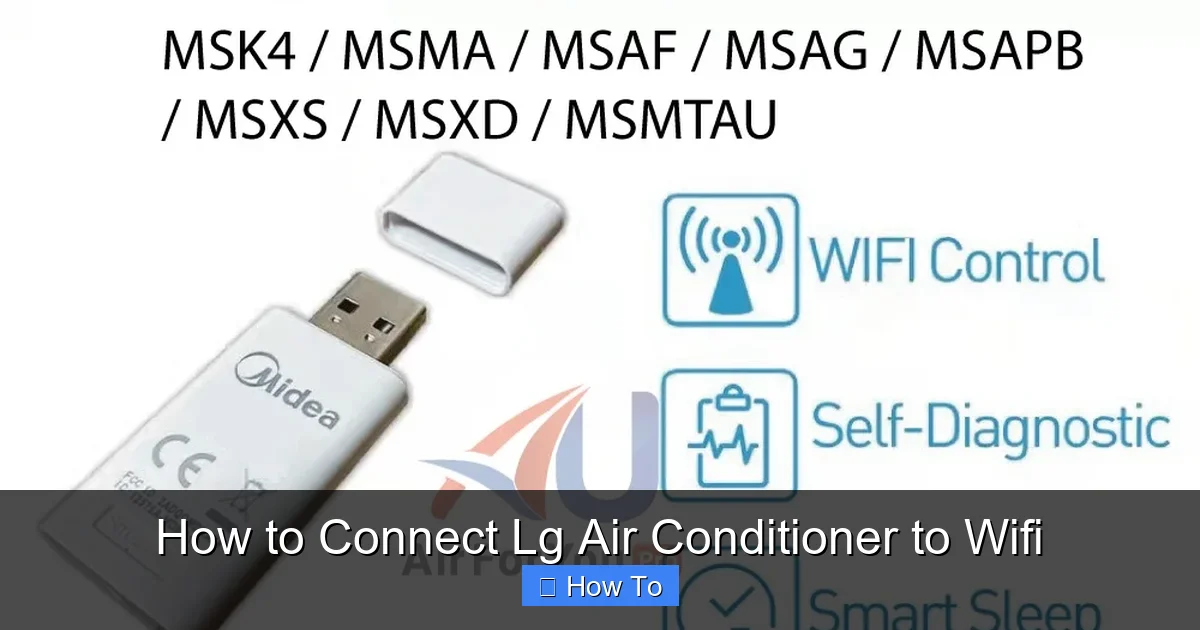
Visual guide about How to Connect Lg Air Conditioner to Wifi
Image source: down-my.img.susercontent.com
First, remote control is a game-changer. Whether you’re on the couch, at the office, or on vacation, you can adjust the temperature, change modes, or turn the unit off entirely using your phone. Forgot to turn off the AC before leaving home? Just open the app and shut it down.
Second, energy savings add up. With scheduling features, you can program your AC to cool only when needed. For example, set it to start cooling 30 minutes before you get home, so you walk into a comfortable space without running the unit all day.
Third, smart alerts and diagnostics help maintain your unit. The LG ThinQ app can notify you when it’s time to clean the filter or if there’s a malfunction. This proactive care extends the life of your AC and improves efficiency.
Finally, integration with voice assistants like Amazon Alexa or Google Assistant lets you control your AC with simple voice commands. “Alexa, set the living room AC to 72 degrees”—done!
Now that you know the perks, let’s make it happen.
Step 1: Check If Your LG Air Conditioner Is WiFi-Compatible
Not every LG air conditioner supports WiFi. Before you begin, confirm that your model is compatible. Here’s how:
Look for Smart or ThinQ Branding
LG’s smart appliances are branded under “LG ThinQ.” Check the front panel, remote control, or product label for terms like “Smart,” “WiFi,” or “ThinQ.” If you see any of these, there’s a good chance your unit supports connectivity.
Check for a WiFi Indicator Light
Most WiFi-enabled LG ACs have a small LED light—often labeled “WiFi” or “Smart”—on the unit or remote. This light blinks during setup and stays solid when connected. If your model lacks this light, it may not support WiFi.
Review the User Manual or Model Number
Find your model number (usually on a sticker inside the front panel or on the back). Visit the LG Support website and search for your model. Look for features like “WiFi Connect,” “Smart Diagnosis,” or “App Control.”
Examples of Compatible Models
Popular WiFi-enabled LG air conditioners include:
- LG Dual Inverter Window AC (e.g., LW1517IVSM)
- LG Portable AC with ThinQ (e.g., LP1419IVSM)
- LG Dual Inverter Mini-Split (e.g., LSU120HSV5)
- LG Smart Window AC (e.g., LW8016ER)
If your model isn’t listed, don’t worry—check the manual or contact LG support to confirm.
Step 2: Download and Set Up the LG ThinQ App
The LG ThinQ app is the control center for your smart appliances. It’s free, user-friendly, and available for both iOS and Android.
Download the App
Open the App Store (iPhone) or Google Play Store (Android) and search for “LG ThinQ.” Download and install the official app. Avoid third-party apps—only the official LG version works reliably.
Create an LG Account
Open the app and tap “Sign Up” or “Create Account.” You’ll need to provide an email address, create a password, and verify your account via email. This account links all your LG smart devices.
Log In and Prepare for Setup
Once logged in, tap the “+” or “Add Device” button. The app will guide you through the process. Make sure your phone is connected to the same WiFi network you plan to use for the AC.
Pro Tip: Keep your phone close to the air conditioner during setup. Bluetooth and signal strength matter in the pairing process.
Step 3: Ensure Your WiFi Network Is Ready
Your WiFi network must meet certain requirements for a smooth connection. Most LG air conditioners only work on the 2.4GHz band—not 5GHz. Here’s what to check:
Confirm 2.4GHz Band Availability
Log into your router’s admin panel (usually via a web browser) and check if the 2.4GHz network is enabled. If your router combines 2.4GHz and 5GHz under one name (called “band steering”), you may need to split them temporarily.
Use a Strong Signal
Place your air conditioner within range of your router. Thick walls, metal objects, or long distances can weaken the signal. If needed, use a WiFi extender to boost coverage.
Simplify Your Network Name (SSID)
Avoid special characters, spaces, or long names in your WiFi SSID. Use simple names like “HomeWiFi” instead of “My_Home_Network_2024!” Some older ACs struggle with complex names.
Disable MAC Filtering or Firewalls Temporarily
If your router has strict security settings, they might block the AC from connecting. Temporarily disable MAC filtering, AP isolation, or firewalls during setup, then re-enable them afterward.
Example: If your router is a Netgear Nighthawk, log in at routerlogin.net, go to “Wireless Settings,” and ensure 2.4GHz is on. For TP-Link, use tplinklogin.net.
Step 4: Put Your LG Air Conditioner in WiFi Mode
Now it’s time to prepare the AC for pairing. The exact steps vary slightly by model, but the general process is the same.
Turn On the Air Conditioner
Plug in the unit and press the power button. Wait for it to fully start up. The display should show the current temperature and mode.
Activate WiFi Pairing Mode
On most LG ACs, press and hold the “WiFi” or “Smart” button on the remote or unit for 3–5 seconds. You’ll see the WiFi light start blinking rapidly. This means the AC is in pairing mode and searching for a network.
Note: On some models, you may need to press the “Function” or “Mode” button multiple times until the WiFi icon appears.
Wait for the Light to Blink
The blinking light confirms the AC is ready to connect. If the light doesn’t blink, try resetting the unit by unplugging it for 30 seconds, then plugging it back in.
Step 5: Connect via the LG ThinQ App
This is the core step—pairing your phone with the AC using the app.
Open the LG ThinQ App
Tap “Add Device” and select “Air Conditioner” from the list. The app will scan for nearby devices.
Select Your AC Model
If your model appears, tap it. If not, choose “Manual Setup” and enter your model number. The app will guide you through the next steps.
Enter Your WiFi Credentials
When prompted, enter your WiFi network name (SSID) and password. Double-check for typos—this is the #1 cause of connection failures. Use copy-paste if possible to avoid errors.
Wait for Connection
The app will send the network info to the AC. This may take 1–2 minutes. You’ll see a progress bar and status updates. Keep your phone near the AC during this time.
Confirm Success
Once connected, the WiFi light on the AC will turn solid (not blinking). The app will display your AC’s name and allow you to rename it (e.g., “Living Room AC”).
Pro Tip: If the app says “Connection Failed,” don’t panic. Try again—sometimes it takes a second attempt.
Step 6: Test Remote Control Features
Now that your AC is connected, test the smart features to ensure everything works.
Adjust Temperature Remotely
Open the app and tap your AC. Use the temperature slider to change the setting. Watch the unit respond in real time.
Change Modes
Switch between Cool, Fan, Dry, and Auto modes. Confirm the AC follows your commands.
Set a Schedule
Tap “Schedule” and create a routine. For example, set the AC to turn on at 5:30 PM every weekday. This saves energy and ensures comfort.
Enable Smart Diagnosis
Go to settings and turn on “Smart Diagnosis.” This feature monitors performance and alerts you to issues like dirty filters or refrigerant leaks.
Example: After setup, I tested my LG portable AC by turning it off from my phone while standing across the room. It worked instantly—no lag or delay.
Troubleshooting Common WiFi Connection Issues
Even with careful setup, problems can occur. Here’s how to fix the most common issues.
WiFi Light Won’t Blink
If the WiFi light doesn’t blink when you press the button, the AC may not be in pairing mode. Try resetting the unit: unplug it for 60 seconds, then plug it back in and retry.
App Can’t Find the AC
Ensure your phone and AC are on the same WiFi network. Move closer to the unit. If using a dual-band router, temporarily disable 5GHz to force the phone onto 2.4GHz.
Incorrect Password Error
Re-enter your WiFi password carefully. Check for uppercase letters, numbers, and symbols. If unsure, reset your router password to something simple (e.g., “Home1234”) and try again.
Connection Drops Frequently
This often means a weak signal. Reposition your router or use a WiFi extender. Avoid placing the AC near microwaves, cordless phones, or other interference sources.
App Shows “Offline”
Restart the app, your phone, and the AC. If the problem persists, remove the device from the app and re-add it.
Firmware Update Needed
Some older models require a firmware update to connect. Check the LG Support website for updates. You may need to download a file and transfer it via USB.
Real-World Fix: One user couldn’t connect their LW1517IVSM. After checking, we found their router was set to “5GHz only.” Switching to 2.4GHz solved the issue instantly.
Advanced Tips for Better Performance
Once connected, optimize your setup for the best experience.
Use a Dedicated WiFi Network
If you have many smart devices, consider setting up a separate 2.4GHz network just for appliances. This reduces congestion and improves reliability.
Enable Geofencing (If Supported)
Some LG models support geofencing—automatically adjusting the temperature when you leave or arrive home. Enable this in the app under “Smart Settings.”
Monitor Energy Usage
The app tracks how much energy your AC uses. Review weekly reports to identify patterns and reduce costs.
Set Up Voice Control
Link your LG account to Alexa or Google Home. Say, “Hey Google, turn on the bedroom AC,” and it will respond.
Regular Maintenance Reminders
The app can remind you to clean filters every 30 days. Set custom alerts to keep your AC running efficiently.
Conclusion
Connecting your LG air conditioner to WiFi is a simple process that unlocks powerful smart features. From remote control to energy savings, the benefits are clear. By following this guide—checking compatibility, using the LG ThinQ app, ensuring a strong 2.4GHz signal, and troubleshooting common issues—you’ll have your AC online in no time.
Remember, patience is key. If the first attempt fails, don’t give up. Most connection problems are minor and easily fixed. And once you’re connected, you’ll wonder how you ever lived without smart cooling.
So grab your phone, download the LG ThinQ app, and start enjoying the comfort and convenience of a WiFi-connected air conditioner today.