Keeping your LG air conditioner’s filter clean is essential for optimal performance and indoor air quality. This guide walks you through a simple, step-by-step process to safely remove, clean, and reinstall your AC filter—no tools required.
Key Takeaways
- Regular filter cleaning improves air quality: A clean filter traps dust, pollen, and allergens, ensuring fresher, healthier air in your home.
- Enhances energy efficiency: A clogged filter forces your AC to work harder, increasing energy bills—cleaning it can reduce consumption by up to 15%.
- Extends the lifespan of your unit: Preventing dust buildup reduces strain on internal components, helping your LG AC last longer.
- Simple, tool-free process: Most LG air conditioners have easily accessible filters that can be cleaned in under 10 minutes.
- Clean every 2–4 weeks: For best results, check and clean your filter monthly, or more often during heavy use seasons.
- Use mild soap and water only: Avoid harsh chemicals or high-pressure water, which can damage the delicate filter material.
- Always dry completely before reinstalling: A damp filter can promote mold growth and reduce efficiency.
Why Cleaning Your LG Air Conditioner Filter Matters
Your LG air conditioner does more than just cool your home—it also plays a vital role in maintaining indoor air quality. At the heart of this process is the air filter. Over time, this filter collects dust, pet dander, pollen, and other airborne particles. While this is exactly what it’s designed to do, a dirty filter can quickly become a problem.
When the filter gets clogged, airflow is restricted. This forces your AC unit to work harder to push air through, which not only increases energy consumption but also puts unnecessary strain on the compressor and fan. In fact, according to the U.S. Department of Energy, a dirty filter can increase your energy usage by up to 15%. That’s money you’re literally blowing out the window.
Beyond efficiency, a dirty filter can also impact your health. If the filter is saturated with contaminants, it may stop trapping new particles effectively—or worse, start releasing trapped debris back into your living space. This can trigger allergies, worsen asthma, and reduce overall comfort.
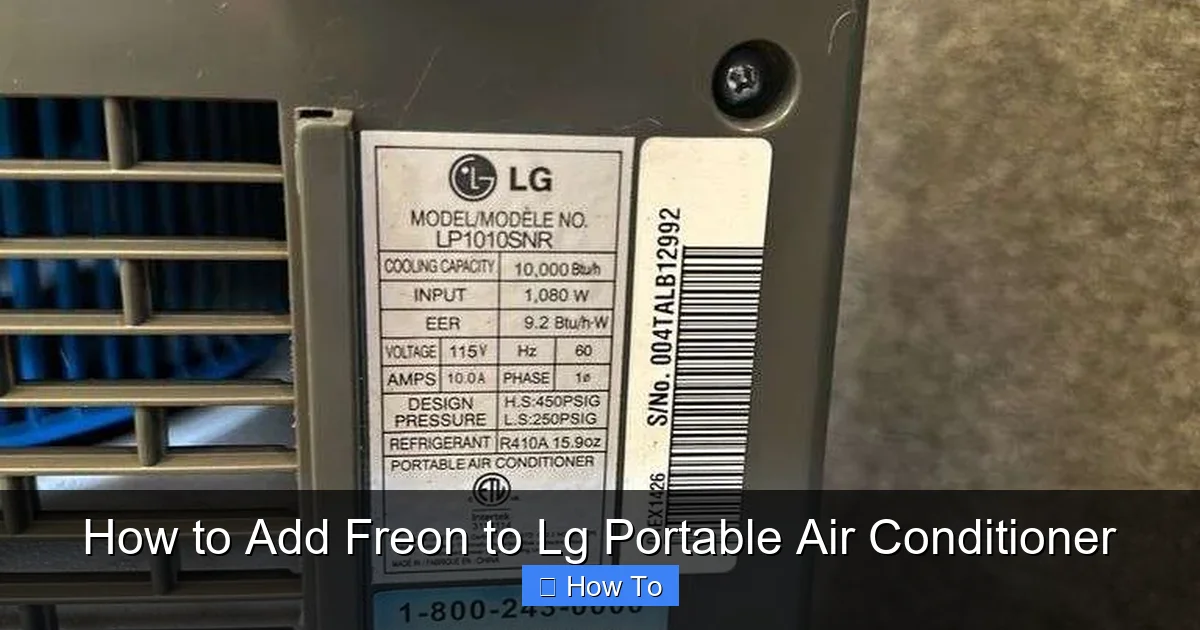
Cleaning your LG air conditioner filter is one of the easiest and most effective maintenance tasks you can do. It takes just a few minutes, requires no special tools, and delivers immediate benefits. Whether you have a window unit, a portable AC, or a ductless mini-split system from LG, the process is remarkably similar.
In this guide, we’ll walk you through everything you need to know—from locating your filter to cleaning it properly and reinserting it safely. By the end, you’ll have a cleaner, more efficient, and longer-lasting air conditioner.
What You’ll Need
Before you begin, gather these simple supplies. Most are likely already in your home:
- A soft brush (like an old toothbrush or paintbrush)
- Mild dish soap or all-purpose cleaner
- A sink, bucket, or bathtub filled with lukewarm water
- A clean, dry towel
- A vacuum cleaner with a brush attachment (optional, for light dust removal)
- Gloves (optional, if you have sensitive skin or allergies)
Avoid using bleach, ammonia, or any abrasive cleaners. These can degrade the filter material and reduce its effectiveness. High-pressure water from a hose or spray nozzle can also damage the delicate mesh or pleated fabric.
Step 1: Turn Off and Unplug Your Air Conditioner
Safety first. Before you touch any part of your LG air conditioner, make sure it’s completely powered off.
For Window and Portable Units
Turn off the unit using the remote or control panel, then unplug it from the wall outlet. This prevents any accidental startup while you’re working.
For Ductless Mini-Split Systems
Use the remote to turn off the indoor unit. Then, locate the circuit breaker for your AC system and switch it off. This ensures no power is flowing to the unit, even if someone accidentally turns it on remotely.
Even if your unit seems off, residual power can remain in capacitors or control boards. Unplugging or cutting power at the breaker eliminates this risk.
Step 2: Locate the Air Filter
LG designs its air conditioners with user-friendly access in mind. The filter is typically located behind the front panel of the indoor unit. Here’s how to find it based on your model type.
Window and Portable AC Units
Look for a front grille or panel on the unit. On most LG window and portable models, this panel lifts up or slides out. Gently pull the top edge upward—there’s usually a small tab or indentation to help you grip it. The filter will be right behind it, often held in place by clips or a simple frame.
Ductless Mini-Split Systems
The indoor unit is mounted high on the wall. The front panel usually opens downward or swings open on hinges. Some models have a small button or latch you need to press to release the panel. Once open, you’ll see the filter mounted vertically or horizontally just behind the grille.
If you’re unsure, consult your user manual. LG often includes a diagram showing the filter location. You can also search for your model number online—LG’s support site has downloadable manuals for nearly every unit.
Step 3: Remove the Filter
Once you’ve located the filter, it’s time to take it out. This step is usually straightforward, but handle the filter gently to avoid bending or tearing.
For Snap-In Filters
Many LG models use a snap-in filter that’s held in place by plastic clips. Gently pull the filter toward you. It should come out easily. If it feels stuck, check for hidden clips or tabs—don’t force it.
For Slide-In Filters
Some units have a filter that slides into a track. In this case, lift the filter slightly and pull it straight out. You may need to tilt it at an angle to clear the frame.
For Washable vs. Replaceable Filters
Most LG air conditioners come with reusable, washable filters. These are typically made of a fine mesh or pleated fabric. However, some high-end models include a washable pre-filter and a separate HEPA or carbon filter that may need replacement. Check your manual to confirm which type you have.
If your filter is visibly torn, brittle, or has mold growth, it’s time to replace it. LG offers replacement filters for most models, which you can order online or purchase from appliance stores.
Step 4: Clean the Filter
Now that the filter is out, it’s time to clean it. The goal is to remove dust and debris without damaging the material.
Step 4.1: Shake Off Loose Dust
Take the filter outside or over a trash can and gently tap it to dislodge loose dust. You can also use a vacuum cleaner with a soft brush attachment to suck up surface debris. This step helps reduce the amount of water and soap needed later.
Step 4.2: Rinse with Lukewarm Water
Hold the filter under lukewarm running water. Use the gentle stream from a faucet—avoid hot water, which can warp the filter, and cold water, which may not dissolve grease or oils effectively. Rinse from the clean side (the side that faces the air intake) to the dirty side. This helps push trapped particles out rather than deeper into the filter.
Step 4.3: Wash with Mild Soap (If Needed)
If the filter is particularly dirty—covered in grime, pet hair, or sticky residue—add a few drops of mild dish soap to a basin of lukewarm water. Submerge the filter and let it soak for 5–10 minutes. Then, gently scrub both sides with a soft brush. Focus on areas with heavy buildup, but avoid scrubbing too hard, especially on pleated filters.
Step 4.4: Rinse Thoroughly
After washing, rinse the filter again under clean water until all soap residue is gone. Soap left on the filter can attract more dust and reduce airflow. Hold it up to the light—if you see suds or a film, keep rinsing.
Step 4.5: Dry Completely
Shake off excess water, then lay the filter flat on a clean towel. Pat it dry with another towel to speed up the process. Let it air-dry in a well-ventilated area, away from direct sunlight or heat sources. Never reinstall a damp filter—moisture can lead to mold, mildew, and unpleasant odors.
Drying usually takes 1–2 hours, depending on humidity and airflow. If you’re in a hurry, you can use a fan to circulate air around the filter.
Step 5: Reinstall the Filter
Once the filter is completely dry, it’s time to put it back.
Check the Filter Orientation
Most LG filters have an arrow or label indicating the correct direction. The arrow should point toward the unit (i.e., in the direction of airflow). Installing it backward can reduce efficiency and cause the unit to malfunction.
Slide or Snap It Back In
Carefully insert the filter into its slot, making sure it sits flat and secure. For snap-in models, press gently until you hear or feel it click into place. For slide-in models, guide it smoothly into the track without forcing it.
Close the Front Panel
Once the filter is in, close the front grille or panel. Make sure it’s fully latched—some models won’t operate if the panel isn’t properly closed. This is a safety feature to prevent exposure to internal components.
Step 6: Turn the Unit Back On
Now that everything is back in place, restore power to your unit.
For Window and Portable Units
Plug the unit back into the wall outlet. Turn it on using the remote or control panel. Set it to your preferred temperature and fan speed.
For Mini-Split Systems
Turn the circuit breaker back on. Use the remote to power up the indoor unit. Wait a minute or two for the system to initialize.
Listen for normal operation—smooth airflow, quiet fan noise, and cooling (or heating) within a few minutes. If the unit doesn’t start or makes unusual noises, double-check that the filter is properly installed and the panel is closed.
How Often Should You Clean the Filter?
The frequency of cleaning depends on usage, environment, and household factors.
- Every 2 weeks: If you have pets, allergies, or live in a dusty area.
- Every 4 weeks: For average use in a clean home.
- Every 6–8 weeks: If the unit is used infrequently or in a low-dust environment.
During peak seasons—summer for cooling, winter for heat pumps—check the filter more often. Heavy use leads to faster buildup.
Set a reminder on your phone or calendar to check the filter monthly. Some LG smart models even have a filter alert that lights up when cleaning is needed.
Troubleshooting Common Issues
Even with proper cleaning, you might run into a few hiccups. Here’s how to handle them.
Filter Won’t Come Out
If the filter is stuck, don’t force it. Check for hidden clips, screws, or latches. Some models have a small release button near the filter slot. Refer to your manual or search for a video tutorial for your specific model.
Filter Is Damaged After Cleaning
If the mesh is torn or the pleats are crushed, the filter may have been weakened by age or improper handling. Replace it with a genuine LG filter to ensure proper fit and performance.
Unit Still Blows Dust or Smells Musty
A clean filter helps, but if dust or odors persist, the evaporator coils or drain pan may also need cleaning. These components can harbor mold and bacteria. Consider scheduling professional maintenance once a year.
Airflow Is Still Weak
If cleaning the filter doesn’t improve airflow, check the outdoor unit (for split systems) for debris, or ensure vents and ducts aren’t blocked. Also, verify that the fan speed is set correctly.
Filter Alert Won’t Reset
Some LG models have a filter reset button on the remote or control panel. After cleaning, press and hold the “Filter” or “Reset” button for 3–5 seconds to clear the alert. If it persists, the sensor may need service.
Pro Tips for Long-Term Maintenance
Keep your LG air conditioner running smoothly with these expert tips.
- Vacuum the exterior vents monthly: Use a brush attachment to remove dust from the front grille and louvers.
- Keep the area around the unit clear: Ensure at least 2 feet of space around window and portable units for proper airflow.
- Use a programmable thermostat: This reduces runtime and wear on the system.
- Schedule annual professional maintenance: A technician can clean coils, check refrigerant levels, and inspect electrical components.
- Replace filters every 6–12 months: Even washable filters degrade over time. Replace them if they show signs of wear.
Conclusion
Cleaning the filter on your LG air conditioner is a simple yet powerful way to boost performance, save energy, and breathe cleaner air. With just a few minutes of effort every few weeks, you can keep your unit running efficiently and extend its lifespan.
Remember: turn off and unplug the unit, locate and remove the filter, clean it gently with water and mild soap, let it dry completely, and reinstall it properly. Set a regular cleaning schedule, and don’t ignore warning signs like reduced airflow or strange odors.
By making filter maintenance a habit, you’re not just caring for your air conditioner—you’re investing in your comfort, health, and wallet. So grab that toothbrush, head to the sink, and give your LG AC the TLC it deserves. Your home (and your lungs) will thank you.