Keeping your LG ThinQ air conditioner filter clean is essential for optimal performance and indoor air quality. This guide walks you through every step—from locating the filter to reassembling your unit—so you can maintain your AC like a pro.
Key Takeaways
- Regular cleaning improves efficiency: A clean filter helps your LG ThinQ AC cool faster and use less energy.
- Check the filter monthly: Dust and debris build up quickly, especially during heavy use seasons.
- Turn off power before cleaning: Always switch off the unit and unplug it to ensure safety.
- Use mild soap and water: Avoid harsh chemicals that can damage the filter material.
- Let the filter dry completely: Never reinstall a damp filter—it can cause mold or reduce airflow.
- Use the LG ThinQ app for reminders: Set cleaning alerts to stay on top of maintenance.
- Replace if damaged: If the filter is torn or warped, replace it to maintain performance.
Why Cleaning Your LG ThinQ Air Conditioner Filter Matters
Your LG ThinQ air conditioner is more than just a cooling device—it’s a smart home essential that helps regulate temperature, humidity, and air quality. But like any appliance, it needs regular maintenance to work at its best. One of the most important (and often overlooked) tasks is cleaning the air filter.
A dirty filter restricts airflow, forcing your AC to work harder. This not only increases energy bills but can also lead to overheating, reduced cooling capacity, and even system failure over time. Plus, a clogged filter traps dust, pollen, pet dander, and other allergens, which can circulate back into your home and affect your health.
Cleaning the filter is quick, easy, and makes a big difference. In this guide, we’ll show you exactly how to clean your LG ThinQ air conditioner filter—step by step. Whether you’re using a window unit, a split system, or a portable AC, the process is similar. By the end, you’ll know how to keep your AC running smoothly, save money on energy, and breathe cleaner air.
What You’ll Need
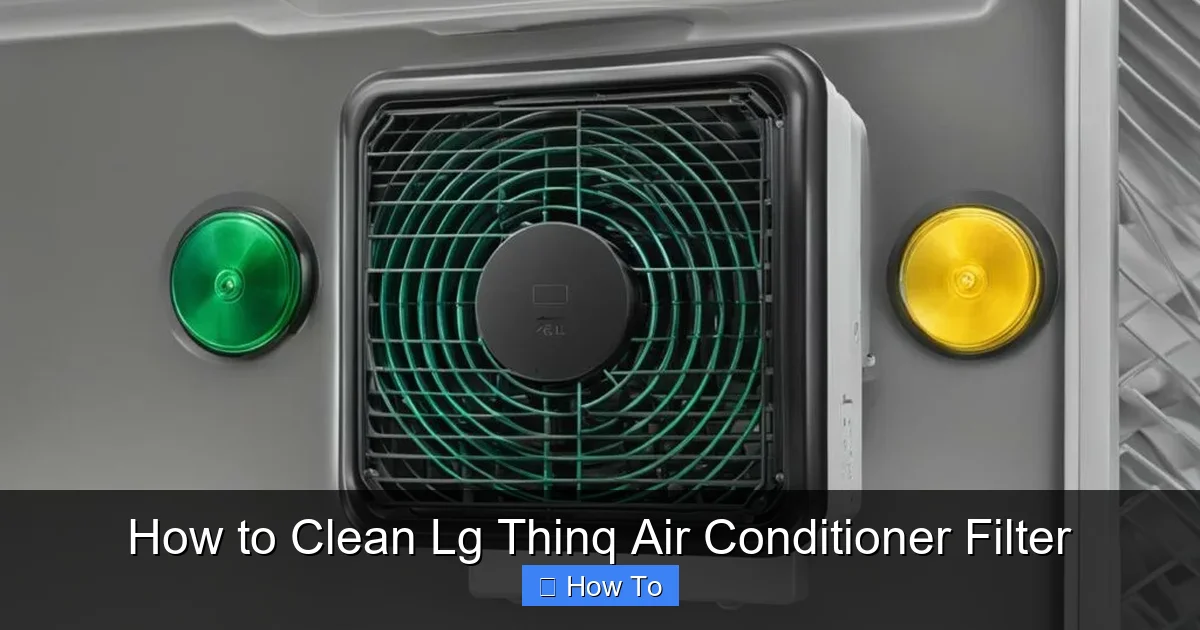
Visual guide about How to Clean Lg Thinq Air Conditioner Filter
Image source: machineanswered.com
Before you start, gather these supplies to make the process smooth and safe:
- A soft brush or vacuum cleaner with a brush attachment
- Mild dish soap or a gentle cleaning solution
- A clean cloth or sponge
- A bowl or sink filled with lukewarm water
- A dry towel or paper towels
- Optional: Compressed air (for stubborn dust)
- Optional: Replacement filter (if yours is damaged)
Avoid using bleach, ammonia, or abrasive scrubbers—they can damage the filter’s delicate mesh. Stick to gentle cleaning methods to preserve the filter’s lifespan.
Step 1: Turn Off and Unplug the Unit
Safety comes first. Before touching any part of your LG ThinQ air conditioner, make sure it’s completely powered down.
Why This Step Is Important
Even if the AC appears off, it may still be receiving power. Accidentally turning it on while cleaning could cause injury or damage the unit.
How to Do It
- Use the remote control or the LG ThinQ app to turn off the air conditioner.
- Unplug the unit from the wall outlet. If it’s a built-in or hardwired model, turn off the circuit breaker that controls it.
- Wait at least 10–15 minutes before proceeding. This allows any residual power to dissipate and gives the unit time to cool down.
Pro tip: If you’re using the LG ThinQ app, you can also check the unit’s status remotely to confirm it’s fully powered down.
Step 2: Locate the Air Filter
The filter is usually easy to find, but its exact location depends on your LG ThinQ model. Here’s how to find it on the most common types:
Window or Portable AC Units
- Look for a front panel or grille on the front of the unit.
- Gently pull the panel outward or upward. Some models have clips or latches—press them to release.
- Behind the panel, you’ll see the air filter. It’s typically a rectangular mesh screen that slides out easily.
Split System (Wall-Mounted) Units
- Stand in front of the indoor unit and look for a horizontal or vertical grille.
- Lift the grille upward or pull it forward. It may hinge open like a door.
- The filter is right behind the grille. It may be in one piece or split into two sections.
Ceiling Cassette or Floor-Standing Units
- Locate the front panel or access door.
- Use a screwdriver (if needed) to remove any screws holding the panel in place.
- Carefully remove the panel to reveal the filter.
If you’re unsure, check your user manual or search for your model number online. LG’s website has detailed diagrams for most ThinQ models.
Step 3: Remove the Filter
Once you’ve located the filter, it’s time to take it out.
How to Remove It Safely
- Grip the filter by its edges—avoid touching the mesh center to prevent damage.
- Slide it straight out. Most filters are designed to come out easily without tools.
- If it feels stuck, wiggle it gently from side to side while pulling. Don’t force it—this could bend the frame.
- Place the filter on a clean surface, like a towel or tray, to avoid spreading dust.
Some LG ThinQ models have a “Filter Reset” button or indicator light. If yours does, note its current status—you’ll reset it later after cleaning.
Step 4: Inspect the Filter
Before cleaning, take a close look at the filter. This helps you decide how thorough the cleaning needs to be.
What to Look For
- Dust and dirt buildup: A light gray or white layer means it’s time for a clean.
- Pet hair or lint: Common in homes with pets or fabric-heavy environments.
- Mold or mildew: Dark spots or a musty smell indicate moisture buildup—this needs immediate attention.
- Damage: Cracks, tears, or warping mean the filter should be replaced, not cleaned.
If the filter is only lightly soiled, a quick vacuum may be enough. For heavier buildup, proceed to washing.
Step 5: Vacuum the Filter (Optional First Step)
For light dust, vacuuming can remove loose debris without water.
How to Vacuum Effectively
- Use a vacuum cleaner with a soft brush attachment.
- Run the brush gently over both sides of the filter. Focus on the areas with the most dust.
- Hold the filter over a trash can to catch falling debris.
- Flip the filter and repeat on the other side.
This step reduces the amount of dirt going into your sink and helps preserve the filter’s structure.
Step 6: Wash the Filter
For a deep clean, washing is the best option.
Step-by-Step Washing Instructions
- Fill a sink or large bowl with lukewarm water. Add a few drops of mild dish soap.
- Submerge the filter completely. Let it soak for 10–15 minutes to loosen stubborn grime.
- Use a soft cloth or sponge to gently wipe both sides of the filter. Avoid scrubbing too hard—this can tear the mesh.
- For tight spots or crevices, use a soft-bristled toothbrush.
- Rinse the filter thoroughly under cool running water. Make sure all soap residue is gone—soap can attract more dirt later.
What Not to Do
- Don’t use hot water—it can warp the filter frame.
- Don’t use bleach, ammonia, or harsh cleaners—they degrade the material.
- Don’t wring or twist the filter—it can damage the mesh.
If you notice mold, soak the filter in a solution of 1 part white vinegar to 3 parts water for 20 minutes before washing. Vinegar kills mold and deodorizes naturally.
Step 7: Dry the Filter Completely
Never reinstall a wet or damp filter. Moisture can lead to mold growth and reduce airflow.
How to Dry Properly
- Shake off excess water gently.
- Place the filter on a clean, dry towel in a well-ventilated area.
- Let it air dry for at least 2–4 hours. Avoid direct sunlight or heat sources, which can warp the frame.
- Flip the filter halfway through to ensure both sides dry evenly.
You can speed up drying by using a fan, but don’t use a hairdryer on high heat—it’s too intense.
Step 8: Reinstall the Filter
Once the filter is completely dry, it’s time to put it back.
How to Reinstall Safely
- Make sure the filter is oriented correctly. Most LG filters have arrows or labels indicating airflow direction.
- Slide the filter back into its slot. It should fit snugly but not require force.
- Close the front panel or grille. Make sure it clicks or locks into place.
- If your model has a filter reset button, press it to reset the maintenance timer.
Double-check that everything is secure before turning the power back on.
Step 9: Restore Power and Test the Unit
Now that the filter is clean and reinstalled, it’s time to turn your AC back on.
How to Safely Restart
- Plug the unit back in or turn the circuit breaker on.
- Use the remote or LG ThinQ app to power on the air conditioner.
- Set it to a low cooling mode and listen for normal operation.
- Check that air is flowing smoothly from the vents.
If you notice reduced airflow, unusual noises, or error messages, double-check that the filter is installed correctly.
Using the LG ThinQ App for Maintenance Reminders
One of the best features of LG ThinQ air conditioners is the smart app integration. You can use it to stay on top of filter cleaning.
How to Set Up Cleaning Reminders
- Open the LG ThinQ app on your smartphone.
- Select your air conditioner from the device list.
- Go to “Settings” or “Maintenance.”
- Enable “Filter Cleaning Reminder” and set a schedule (e.g., every 30 days).
- The app will send you a notification when it’s time to clean the filter.
You can also check the filter status remotely. Some models show a “Filter Dirty” alert when cleaning is needed.
How Often Should You Clean the Filter?
The ideal cleaning frequency depends on usage and environment.
General Guidelines
- Every 2–4 weeks: During peak cooling seasons (summer) or in dusty environments.
- Every 1–2 months: During mild weather or in clean homes.
- Weekly: If you have pets, allergies, or live in a high-pollution area.
If you notice reduced cooling, higher energy bills, or increased dust in your home, it’s a sign the filter needs cleaning—even if it’s not yet scheduled.
Troubleshooting Common Issues
Even with regular cleaning, you might run into problems. Here’s how to fix them:
Filter Won’t Slide Back In
- Check the orientation—make sure the airflow arrows point toward the unit.
- Ensure the filter isn’t warped from improper drying.
- Look for obstructions in the filter slot.
AC Still Not Cooling Well After Cleaning
- Check for other issues: dirty coils, low refrigerant, or blocked vents.
- Make sure the thermostat is set correctly.
- Consider professional servicing if problems persist.
Filter Keeps Getting Dirty Fast
- Use an air purifier to reduce indoor pollutants.
- Vacuum and dust your home more frequently.
- Consider upgrading to a high-efficiency filter (if compatible).
Error Code or “Filter Dirty” Alert Won’t Clear
- Reset the filter timer using the remote or app.
- Power cycle the unit: turn it off, unplug for 5 minutes, then restart.
- If the issue continues, contact LG support.
When to Replace the Filter
Cleaning extends the life of your filter, but it won’t last forever.
Signs It’s Time to Replace
- The filter is torn, cracked, or warped.
- The mesh is frayed or falling apart.
- It no longer fits snugly in the slot.
- It’s been in use for over 6–12 months (even with regular cleaning).
Replacement filters are available online or at appliance stores. Make sure to buy the correct model number for your LG ThinQ unit.
Final Tips for Long-Term Maintenance
Keep your LG ThinQ air conditioner in top shape with these extra tips:
- Clean the exterior vents and coils every few months.
- Keep the area around the indoor and outdoor units clear of debris.
- Schedule professional maintenance once a year.
- Use the “Auto Clean” or “Dry” mode (if available) to reduce moisture buildup.
- Monitor energy usage through the LG ThinQ app to spot inefficiencies early.
Conclusion
Cleaning your LG ThinQ air conditioner filter is one of the simplest and most effective ways to maintain your AC’s performance, save energy, and improve indoor air quality. With just a few minutes of effort every few weeks, you can keep your unit running smoothly for years.
Follow the steps in this guide—turn off the power, remove and clean the filter, let it dry, and reinstall it properly. Use the LG ThinQ app to stay on schedule, and don’t hesitate to replace the filter when needed.
A clean filter means a healthier home, lower bills, and a happier air conditioner. So grab your supplies and get started today—your LG ThinQ will thank you!