Ductless HVAC Systems: Ultimate Guide to Efficient Cooling
Ductless HVAC Systems: A Comprehensive Guide
Are you looking for a better way to heat and cool your home? Ductless HVAC systems might be the solution. This guide will help you understand everything about ductless HVAC systems.
What Are Ductless HVAC Systems?
Ductless HVAC systems are heating and cooling units without ductwork. They are also called mini-split systems. These systems have two main parts: an outdoor compressor and an indoor air-handling unit.
How Do Ductless Hvac Systems Work?
Ductless HVAC systems use refrigerant to cool or heat air. The outdoor unit pumps refrigerant to the indoor unit. The indoor unit then blows the air into your home.
Components Of Ductless Hvac Systems
Outdoor Compressor: Located outside your home.
Indoor Air-Handling Unit: Mounted on a wall inside your home.
Refrigerant Lines: Connect the indoor and outdoor units.
Remote Control: Allows you to adjust settings easily.
https://www.youtube.com/watch?v=G3TJGGdPHQI
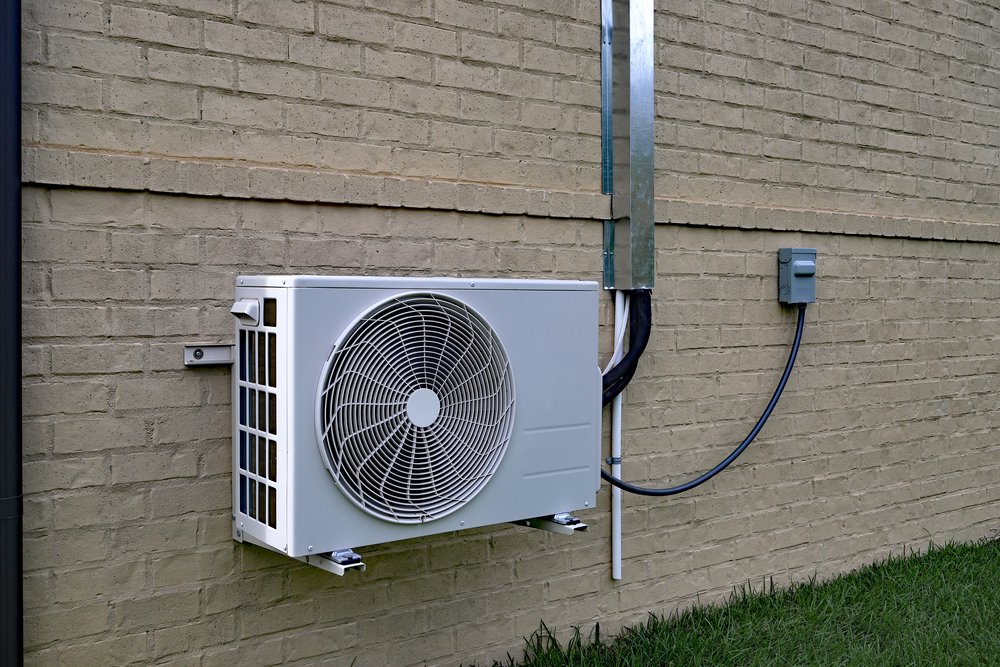
Diagram showing the two main components of a ductless mini‑split system.
Credit: www.austingsmechanical.com
Benefits of Ductless HVAC Systems
There are many benefits to using ductless HVAC systems in your home.
1. Energy Efficiency
Ductless systems are very energy efficient. They use less energy than traditional systems. This means lower energy bills for you.
2. Easy Installation
Installing a ductless system is easy. It does not require ductwork. This makes it a great option for older homes.
3. Zoned Heating And Cooling
Ductless systems allow for zoned heating and cooling. You can control the temperature in different rooms separately. This provides more comfort and saves energy.
4. Improved Air Quality
Traditional HVAC systems can collect dust and allergens in ducts. Ductless systems do not have ducts, so they can improve air quality in your home.
5. Quiet Operation
Ductless systems are very quiet. The indoor unit makes very little noise. This makes them perfect for bedrooms and living rooms.
Cost Considerations and Incentives
While the upfront cost of a ductless mini‑split can be higher than a window unit, the long‑term savings on energy bills often offset the difference. Many utility programs and state energy offices offer rebates or tax credits for high‑efficiency models — check the ENERGY STAR ductless guidelines and your local utility’s website for current incentives. In practice, a common mistake is overlooking the need for a dedicated electrical circuit, which can add $200‑$500 to the install cost. For a deeper look at selecting the right unit for your budget, see choosing the right air conditioner.
Applications of Ductless HVAC Systems
Ductless HVAC systems can be used in many different settings. Here are some common applications:
1. Home Additions
Adding a new room to your home? A ductless system can provide heating and cooling without extending your existing ductwork.
2. Older Homes
Older homes often do not have ductwork. A ductless system is a great way to add heating and cooling.
3. Apartments And Condos
Ductless systems are perfect for apartments and condos. They provide efficient heating and cooling without taking up much space.
4. Offices And Small Businesses
Small offices and businesses can benefit from ductless systems. They provide zoned heating and cooling, improving comfort for employees and customers.

A sleek wall‑mounted indoor unit in a contemporary living room.
Credit: www.nytimes.com
How to Choose a Ductless HVAC System
Choosing the right ductless HVAC system is important. Here are some tips to help you make the best choice:
1. Determine Your Needs
Think about the size of the area you need to heat or cool. This will help you choose the right system size.
2. Consider Energy Efficiency
Look for systems with high energy efficiency ratings. This will save you money on energy bills.
3. Check For Rebates And Incentives
Some utility companies offer rebates for installing energy-efficient systems. Check to see if you qualify for any incentives.
4. Read Reviews
Read reviews from other customers. This can help you find a reliable and high-quality system.
Sizing and Load Calculations
Accurate sizing is critical — an oversized unit short‑cycles, wasting energy and reducing dehumidification, while an undersized unit runs continuously and struggles on extreme days. A Manual J load calculation (or a reputable online calculator) accounts for insulation, windows, orientation, and local climate data. Many contractors provide this as part of a free estimate; if you’re evaluating quotes yourself, the DOE ductless heating and cooling overview explains the key inputs. For a side‑by‑side view of top residential models, see top residential HVAC systems.
Installation Process
Installing a ductless HVAC system is straightforward. Here is a general overview of the process:
1. Choose A Location
Select a location for the indoor unit. It should be high on a wall for best airflow.
2. Install The Indoor Unit
Mount the indoor unit on the wall. Make sure it is secure and level.
3. Connect Refrigerant Lines
Run the refrigerant lines from the indoor unit to the outdoor unit. This may require drilling a small hole in the wall.
4. Install The Outdoor Unit
Place the outdoor unit on a flat surface. Connect the refrigerant lines to the outdoor unit.
5. Test The System
Turn on the system and check for proper operation. Make any necessary adjustments.
Professional vs. DIY Installation
While handy homeowners can mount the indoor unit and run the line set, handling refrigerant requires EPA‑certified technicians. Most manufacturers void the warranty if a non‑pro charges the system. A typical professional install takes 4‑8 hours for a single‑zone system; multi‑zone jobs add a day or two. Permits are rarely needed for residential mini‑splits, but check your local building department — some historic districts require a review. For step‑by‑step guidance, the Mitsubishi split installation steps and the general split AC installation guide are excellent references.
Maintenance Tips
Maintaining your ductless HVAC system is important. Here are some tips to keep it running smoothly:
1. Clean The Filters
Clean the filters regularly. This will ensure good airflow and improve air quality.
2. Check The Refrigerant Lines
Inspect the refrigerant lines for any leaks. If you find any, contact a professional for repair.
3. Schedule Regular Maintenance
Have a professional inspect your system at least once a year. This can help prevent problems and extend the life of your system.
Seasonal Maintenance Checklist
Spring: clean or replace filters, clear debris from the outdoor coil, verify condensate drain flow. Summer: monitor refrigerant pressures, listen for unusual compressor noise. Fall: repeat filter cleaning, inspect line‑set insulation for UV damage. Winter (in heating climates): ensure the outdoor unit’s defrost cycle operates, keep the area free of snow and ice. A printable version of this checklist is available in the seasonal maintenance checklist.
Comparison: Ductless vs. Central HVAC
| Feature | Ductless Mini‑Split | Central Ducted System |
|---|---|---|
| Installation disruption | Minimal (small wall penetration) | Major (ductwork throughout) |
| Zoning flexibility | Individual room control | Requires zone dampers & controls |
| Energy losses | Near‑zero (no ducts) | 20‑30 % typical duct leakage |
| Upfront cost (per ton) | Higher for single‑zone, lower for multi‑zone | Lower per ton for whole‑house |
| Aesthetic impact | Visible indoor heads | Hidden registers |
| Maintenance access | Easy filter access | Duct cleaning required periodically |
In practice, homeowners with existing ductwork often choose central systems for whole‑house uniformity, while renovations, additions, or homes without ducts lean toward ductless. For a deeper dive on how HVAC differs from standard AC, see how HVAC differs from standard AC.
Smart Controls and Connectivity
Most 2026‑era mini‑splits ship with Wi‑Fi or Bluetooth modules, enabling smartphone apps, voice‑assistant integration, and geofencing. These features let you pre‑cool a room before arrival, set schedules per zone, and receive filter‑change alerts. When evaluating models, confirm compatibility with your preferred ecosystem (Google Home, Alexa, HomeKit) and check whether the manufacturer’s cloud service requires a subscription — many do not. The latest air conditioning innovations article covers emerging control platforms in detail.
Environmental Impact and Refrigerants
Modern ductless units predominantly use R‑32 refrigerant, which has a global‑warming potential roughly one‑third that of the older R‑410A. Some premium lines are transitioning to R‑290 (propane) for even lower impact, though availability varies by region. Proper refrigerant recovery at end‑of‑life is essential — certified technicians follow EPA Section 608 procedures. Choosing a high‑SEER, low‑GWP system reduces both operating emissions and lifecycle carbon footprint.
Warranty, Lifespan, and Resale Value
Typical compressor warranties run 10‑12 years (parts) with 5‑year labor coverage; extended labor plans are often worth the modest upcharge. A well‑maintained mini‑split can last 15‑20 years, comparable to central equipment. Real‑estate agents note that homes with modern, zoned ductless systems often command a premium in markets where buyers value energy efficiency and flexible comfort. For troubleshooting common issues that can affect longevity, see troubleshoot warm air issues.
Frequently Asked Questions
What Are Ductless Hvac Systems?
Ductless HVAC systems are heating and cooling units without ductwork. They consist of an outdoor and indoor unit.
How Do Ductless Hvac Systems Work?
Ductless systems transfer heat via refrigerant between indoor and outdoor units, providing efficient heating and cooling.
Are Ductless Hvac Systems Energy-efficient?
Yes, ductless HVAC systems are energy-efficient. They minimize energy loss by eliminating ductwork.
Do Ductless Hvac Systems Require Maintenance?
Yes, regular maintenance is needed. Clean filters and check refrigerant levels for optimal performance.
Conclusion
Ductless HVAC systems are a great choice for many homes and businesses. They are energy efficient, easy to install, and provide excellent comfort. Whether you are adding a new room or upgrading an old system, a ductless HVAC system might be the perfect solution for you.
If you found this guide helpful, please share it with others. Also, feel free to leave a comment or ask any questions you might have about ductless HVAC systems.
Ready to explore ductless options? Contact a certified installer for a free assessment.