HVAC Direct Online: Unveil Top-Quality Heating & Cooling!
HVAC Direct Online: Your Ultimate Guide to Buying and Maintaining HVAC Systems
Introduction to HVAC
HVAC stands for Heating, Ventilation, and Air Conditioning. These systems help control the temperature and air quality in your home. Buying HVAC systems online is now easier than ever. This guide will help you understand how to do it.
In practice, the first step is to assess your home's heating and cooling load — square footage, insulation levels, window orientation, and local climate all factor into the right capacity. A common mistake is choosing a unit sized only by square footage, which can lead to short‑cycling or inadequate comfort.
Why Buy HVAC Systems Online?
Buying HVAC systems online has many benefits. You can compare prices easily. You can read customer reviews. You can find detailed product information. You can have the system delivered to your door. Let's look at these benefits in more detail.
Benefit Description
Price Comparison You can compare prices from different sellers quickly.
Customer Reviews Read what other customers think about the product.
Product Information Find detailed information about the system's features and specifications.
Convenience Order from the comfort of your home and get it delivered to your door.
Beyond the table, many retailers now offer live chat with certified technicians, virtual sizing calculators, and bundled installation packages that can simplify the whole process.
How to Choose the Right HVAC System
Choosing the right HVAC system is very important. It ensures your home is comfortable all year round. Here are some tips to help you choose the right system.
Consider Your Home Size: The size of your home affects the size of the HVAC system you need.
Check the Efficiency Rating: Look for systems with a high energy efficiency rating. They save you money on energy bills.
Read Reviews: Customer reviews can give you a good idea of the system's performance.
Consider the Climate: The climate in your area affects the type of system you need.

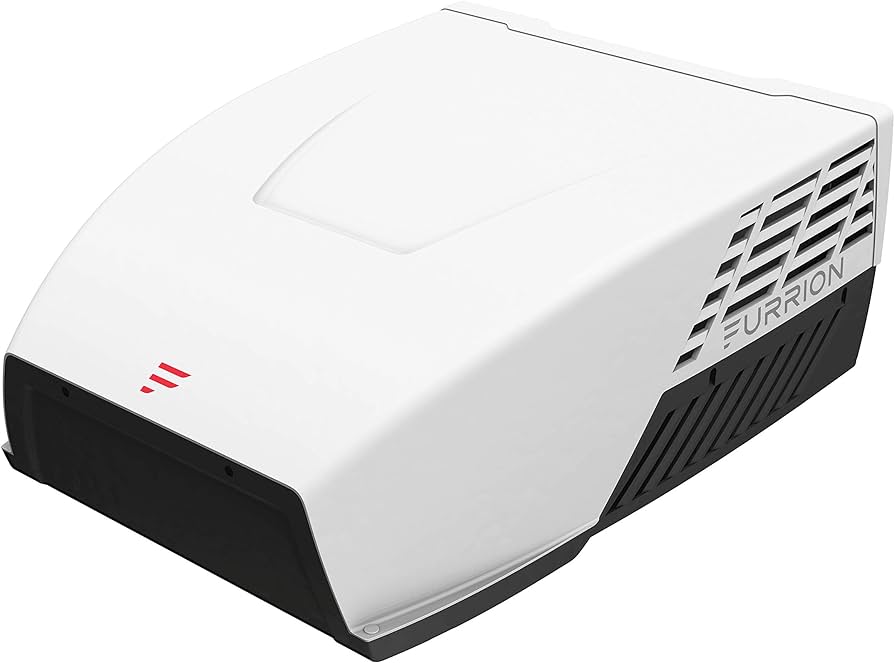
Residential HVAC system example from eBay
Credit: www.ebay.com
A quick rule of thumb: for every 500 sq ft of well‑insulated space you need roughly 1 ton (12,000 BTU/h) of cooling capacity, but always confirm with a Manual J load calculation.
Understanding Efficiency Ratings (SEER, HSPF, AFUE)
SEER (Seasonal Energy Efficiency Ratio) measures cooling efficiency, HSPF (Heating Seasonal Performance Factor) rates heat‑pump heating, and AFUE (Annual Fuel Utilization Efficiency) applies to furnaces. Higher numbers mean lower operating costs. The U.S. Department of Energy’s ENERGY STAR program certifies units that exceed minimum thresholds — check the ENERGY STAR website for current qualified models. For day‑to‑day savings, pairing a high‑SEER unit with optimal thermostat settings for savings can cut summer bills noticeably. Keeping an eye on latest cooling technology trends also helps you spot emerging features like variable‑speed compressors.
Where to Buy HVAC Systems Online
There are many places to buy HVAC systems online. Some of the best options include:
Amazon: Amazon has a wide range of HVAC systems. You can read customer reviews and compare prices.
Home Depot: Home Depot offers a variety of HVAC systems. They also provide installation services.
Lowe's: Lowe's has many HVAC systems to choose from. They also offer professional installation.
HVAC Direct: HVAC Direct specializes in HVAC systems. They offer expert advice and support.
When evaluating retailers, weigh not just price but also post‑sale support, warranty handling, and whether they coordinate licensed installers in your area.
Comparing Online Retailers: Price, Support, and Installation Options
| Retailer | Typical Price Range | Installation Coordination | Expert Chat Support | Return Window |
|---|---|---|---|---|
| Amazon | Low‑Mid | Third‑party marketplace | Limited | 30 days |
| Home Depot | Mid‑High | In‑house certified pros | Yes | 90 days |
| Lowe's | Mid‑High | In‑house certified pros | Yes | 90 days |
| HVAC Direct | Mid‑High | Dedicated HVAC specialists | Yes | 60 days |
Choosing a retailer that offers picking the right unit for your house guidance can reduce costly mismatches. If you prefer a central system setup steps walkthrough, Home Depot and Lowe’s often bundle installation. For a ductless installation walkthrough, HVAC Direct’s specialists can size and recommend mini‑split configurations.
How to Buy HVAC Systems Online
Buying HVAC systems online is easy. Follow these steps to make the process smooth:
Research: Look for the best HVAC systems that fit your needs.
Read Reviews: Check customer reviews to ensure the system performs well.
Compare Prices: Compare prices from different sellers to get the best deal.
Check Return Policy: Make sure the seller has a good return policy in case you need to return the system.
Place Your Order: Once you have found the right system, place your order and wait for delivery.
https://www.youtube.com/watch?v=_CN6ZKuzos8
After ordering, schedule a professional commissioning visit — proper refrigerant charge and airflow balancing are critical for achieving the rated efficiency.
Financing and Rebate Options for HVAC Purchases
Many manufacturers and utilities offer rebates for high‑efficiency equipment, and federal tax credits (up to 30 % of cost for qualified heat pumps) are available through 2032. Check the U.S. Department of Energy for current incentive programs. Pairing a rebate‑eligible unit with a seasonal upkeep checklist ensures you maintain peak performance and keep the savings coming.
Maintaining Your HVAC System
Proper maintenance of your HVAC system ensures it works efficiently. Here are some maintenance tips:
Change the Filters: Change the filters every 1-3 months to keep the air clean.
Check the Thermostat: Make sure the thermostat is working correctly.
Clean the Coils: Clean the coils regularly to maintain efficiency.
Schedule Regular Inspections: Have a professional inspect your system at least once a year.
A well‑maintained system can last 15‑20 years; neglecting coil cleaning alone can drop efficiency by 10‑15 %.
Seasonal Maintenance Checklist
- Spring: Inspect refrigerant lines, clean outdoor condenser coils, verify thermostat calibration.
- Summer: Replace filters monthly, clear debris from outdoor unit, monitor runtime for short‑cycling.
- Fall: Check heat‑exchanger integrity, test heating mode, seal duct leaks.
- Winter: Ensure condensate drain is clear, verify defrost cycle on heat pumps, keep vents unobstructed.
If you notice diagnosing warm airflow issues during a seasonal check, it often points to a refrigerant charge problem or a blocked filter. Similarly, condenser fault diagnosis can reveal fan motor wear before it causes a full shutdown.
Common HVAC Problems and Solutions
Sometimes, HVAC systems can have problems. Here are some common problems and their solutions:
Problem Solution
No Airflow Check the filters and vents. Clean or replace them if needed.
Strange Noises Check for loose parts. Tighten or replace them if necessary.
High Energy Bills Check the system's efficiency. Consider upgrading to a more efficient model.
Uneven Heating or Cooling Check the ductwork for leaks. Seal any leaks to improve airflow.

HVAC maintenance tutorial video thumbnail
Credit: www.youtube.com
Even with regular upkeep, components like capacitors, contactors, and control boards wear out. Keeping a spare capacitor on hand can avoid a summer‑day emergency.
When to Call a Professional vs DIY Fixes
Simple tasks — filter changes, thermostat battery swaps, clearing debris — are safe DIY jobs. Anything involving refrigerant, electrical wiring, or sealed combustion chambers should be left to a licensed technician. Understanding differences between AC and HVAC helps you recognize when a whole‑system evaluation is needed. If you’re evaluating replacement options, reviewing top residential HVAC models can guide the conversation with your contractor.
Smart Thermostat Integration and Home Automation
Modern smart thermostats learn occupancy patterns, adjust setpoints based on weather forecasts, and can be controlled via voice assistants. Integrating one with a variable‑speed system unlocks the full efficiency potential. Staying current with smart climate control advances ensures you benefit from firmware updates that improve algorithms over time.
Warranty, Support, and Extended Service Plans
Most manufacturers offer a 10‑year parts warranty on compressors and heat exchangers, but labor is often only 1‑2 years. Extended labor plans can be worthwhile for high‑efficiency units that run longer cycles. When purchasing a Mitsubishi split system setup guide, confirm whether the extended plan covers the specific model you select.
Frequently Asked Questions
What Is Hvac Direct Online?
HVAC Direct Online is an online retailer of heating, ventilation, and air conditioning systems and parts.
How Does Hvac Direct Online Work?
Customers browse products, select items, and place orders online. Products are then shipped directly to their doorstep.
Can I Get Hvac Installation Advice?
Yes, HVAC Direct Online provides expert advice and resources for DIY installation and professional assistance.
Are Hvac Direct Online Products Reliable?
Yes, they offer high-quality, reputable brands known for their performance and durability.
Ready to upgrade? Browse top‑rated systems at HVAC Direct for a cooler summer and warmer winter.
Conclusion
Buying and maintaining HVAC systems online is easy and convenient. Follow the tips in this guide to choose the right system and keep it running efficiently. Enjoy a comfortable home all year round!