Industrial HVAC: Everything You Need to Know
Industrial HVAC systems are very important. They help control temperature and air quality in big buildings. These systems are used in factories, warehouses, and office buildings. They keep the environment comfortable and safe.
What is Industrial HVAC?
HVAC stands for Heating, Ventilation, and Air Conditioning. Industrial HVAC systems are bigger and more powerful than home HVAC systems. They are designed to handle the needs of large spaces. These systems keep the air clean and the temperature just right. For more on this, see our guide on what are the best hvac air conditioning systems.
The Importance Of Industrial Hvac Systems
Maintain air quality
Control temperature
Improve comfort
Increase productivity
Good air quality is very important. It helps workers stay healthy. Clean air reduces the risk of illness. Proper temperature control is also important. It helps machinery work better and last longer. Comfortable workers are happy workers. They can work better and faster. All these factors make industrial HVAC systems very important.
https://www.youtube.com/watch?v=ya1BSeBBD4U
Types of Industrial HVAC Systems
There are different types of industrial HVAC systems. Each type has its own use. Let's look at some common types.
Single Split System
This system is very common. It is used in small commercial buildings. Each unit has one indoor and one outdoor unit. It is easy to install and maintain. For more on this, see our guide on air conditioner efficiency tips.
Multi-split System
This system is like the single split system. But it can connect multiple indoor units to one outdoor unit. It is used in medium-sized buildings. It saves space and is very efficient.
Vrf (variable Refrigerant Flow) System
This system is used in large buildings. It can control the temperature in different areas independently. It is very efficient and saves energy. For more on this, see our guide on tips for air conditioner efficiency.
Chilled Water System
This system is used in very large buildings. It uses water to cool the air. It is very effective and efficient for large spaces.
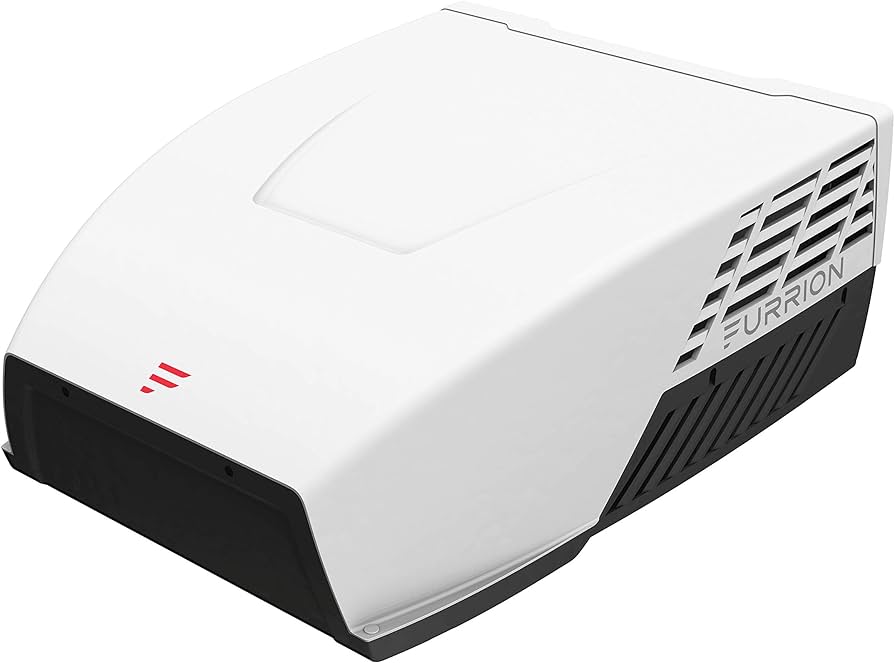
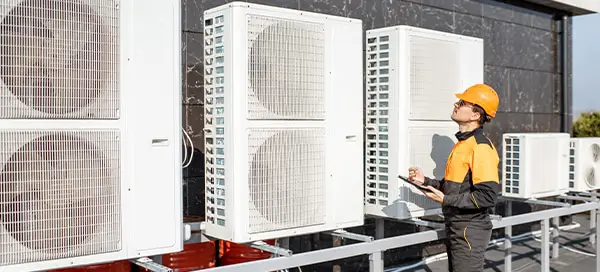
Rooftop packaged unit serving a manufacturing plant
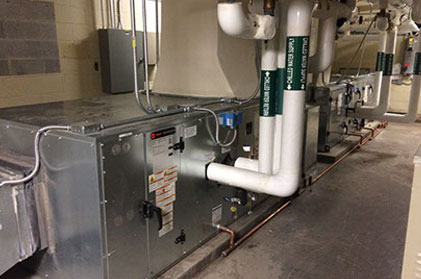
Ductwork network distributing conditioned air through a warehouse
Main Components of Industrial HVAC Systems
Industrial HVAC systems have many parts. Each part has a specific job. Let's look at some main components.
Heating Units
These units keep the building warm. They can use gas, oil, or electricity. Common types are boilers and furnaces.
Cooling Units
These units keep the building cool. They use refrigerants to remove heat from the air. Common types are air conditioners and chillers. For more on this, see our guide on score big savings guide to hvac tax credits.
Ventilation Units
These units bring fresh air into the building. They also remove stale air. Good ventilation is very important for air quality.
Air Handling Units (ahus)
These units move air through the building. They can heat, cool, and filter the air. They are very important for maintaining air quality. For more on this, see our guide on how long do hvac systems really last.
Thermostats And Controls
These devices control the temperature. They can be set to maintain a specific temperature. They help save energy and improve comfort.
Maintenance of Industrial HVAC Systems
Regular maintenance is very important. It helps keep the system running well. It also extends the life of the system. Here are some tips for maintaining industrial HVAC systems.
Regular Inspections
Inspect the system regularly. Look for any problems. Fix them before they get worse. Regular inspections can prevent big problems.
Clean And Replace Filters
Filters should be cleaned or replaced regularly. Dirty filters can reduce air quality. They can also make the system work harder.
Check Refrigerant Levels
Refrigerant levels should be checked regularly. Low levels can reduce cooling efficiency. They can also damage the system.
Inspect And Clean Ducts
Ducts should be inspected and cleaned regularly. Dirty ducts can reduce air quality. They can also reduce the efficiency of the system.
Monitor Thermostats And Controls
Thermostats and controls should be checked regularly. Make sure they are working properly. Proper controls can save energy and improve comfort.
In practice, a preventive‑maintenance schedule that aligns with the manufacturer’s service intervals and the facility’s operating hours catches most issues before they affect production. A common mistake is deferring filter changes during peak season, which forces fans to run at higher static pressure and drives up electricity use.
Benefits of a Well-Maintained Industrial HVAC System
A well-maintained system has many benefits. Here are some of the main benefits:
Improved air quality
Better temperature control
Increased comfort
Longer system life
Reduced energy costs
Good air quality helps keep workers healthy. Better temperature control improves comfort. Increased comfort can lead to higher productivity. A well-maintained system lasts longer. This reduces the need for expensive repairs. Proper maintenance also reduces energy costs. This can save a lot of money over time.
Energy‑Efficiency Strategies for Industrial HVAC
Beyond routine upkeep, several proven tactics can shave 10‑20 % off annual energy spend without sacrificing comfort.
- Demand‑controlled ventilation (DCV) – adjusts outside‑air intake based on real‑time CO₂ levels, avoiding over‑ventilation during low‑occupancy periods.
- Variable‑speed drives (VSDs) on fans and pumps – match motor speed to load, eliminating the waste of constant‑speed operation.
- Heat‑recovery wheels or run‑around coils – capture exhaust‑air energy to pre‑condition incoming air, especially valuable in climates with large temperature swings.
- Advanced sequencing and staging – modern building‑automation systems (BAS) can stage chillers, boilers, and air‑handlers to operate at their most efficient points.
- Regular coil cleaning and refrigerant charge verification – fouled coils and incorrect charge are among the top hidden energy penalties; a quarterly check pays for itself quickly.
For deeper guidance on setting optimal set‑points and scheduling, see the recommendations on optimal temperature and humidity set‑points and the seasonal upkeep checklist that many facilities managers follow.
Controls, Automation, and Data‑Driven Optimization
Modern industrial HVAC increasingly relies on building‑automation systems (BAS) that integrate sensors, actuators, and analytics platforms. Key capabilities include:
- Real‑time dashboards showing zone temperatures, static pressure, and energy use.
- Fault‑detection and diagnostics (FDD) algorithms that flag drifting sensor readings or valve leakage before they cause downtime.
- Predictive maintenance models that learn normal equipment signatures and alert technicians to emerging anomalies.
- Integration with utility demand‑response programs – the BAS can temporarily shed non‑critical loads during peak‑price events, earning credits while maintaining core process conditions.
When selecting a BAS, prioritize open‑protocol support (BACnet, Modbus, MQTT) to avoid vendor lock‑in and enable future analytics upgrades. The latest control platforms also support cloud‑based remote monitoring, which is valuable for multi‑site operations.
Retrofit and Upgrade Considerations
Many plants operate with equipment that is 15‑20 years old. A structured retrofit plan can deliver faster ROI than full replacement:
- Audit the existing load profile – use portable data loggers or the BAS to capture true peak and part‑load conditions.
- Identify “low‑hanging fruit” – VSD retrofits on existing fan/motor sets, high‑efficiency filter upgrades, and sealing duct leakage often pay back in <12 months.
- Evaluate high‑efficiency replacements – modern magnetic‑bearing chillers, condensing boilers, and low‑GWP refrigerant options can cut source energy 30‑40 % versus legacy units.
- Phase implementation – schedule work during planned shutdowns to avoid production loss; stagger upgrades across zones to keep critical areas online.
- Leverage incentives – utility rebates, federal tax credits (e.g., §179D), and state energy‑efficiency programs can offset 20‑50 % of project cost.
A practical first step is to request a comprehensive energy audit from a qualified engineering firm; the audit report becomes the business case for capital approval.
Regulatory Compliance and Indoor‑Air‑Quality Standards
As of 2026, the most relevant benchmarks for U.S. industrial facilities include:
- ASHRAE Standard 62.1 – minimum ventilation rates for acceptable indoor air quality.
- ASHRAE Standard 90.1 – energy‑efficiency requirements for new construction and major renovations.
- OSHA General Duty Clause – obligates employers to provide a workplace free from recognized hazards, including poor IAQ.
- EPA’s Indoor Air Quality Tools for Schools (adaptable to industrial settings) – offers checklists for contaminant source control.
Staying current with these standards avoids fines, reduces liability, and often aligns with the efficiency measures described above. The U.S. Department of Energy publishes implementation guides that translate the standards into actionable design criteria.
Common Pitfalls and How to Avoid Them
| Pitfall | Symptom | Preventive Action |
|---|---|---|
| Undersized ductwork | High static pressure, noisy fans, uneven zone temps | Perform a duct‑design review using ACCA Manual D or equivalent before installation |
| Ignoring refrigerant leak detection | Gradual capacity loss, rising energy bills | Install electronic leak detectors and schedule quarterly inspections |
| Over‑reliance on fixed set‑points | Energy waste during low‑load periods | Deploy demand‑controlled ventilation and reset schedules seasonally |
| Skipping coil cleaning | Reduced heat‑transfer, compressor overload | Add coil‑cleaning to the quarterly PM checklist |
| Lack of documentation | Inconsistent maintenance, knowledge gaps | Maintain a digital CMMS log with photos, torque values, and technician notes |
Addressing these issues early keeps uptime high and operating costs predictable.
Frequently Asked Questions
What Is An Industrial Hvac System?
An industrial HVAC system controls temperature, humidity, and air quality in large commercial buildings.
How Does An Hvac System Work?
An HVAC system heats, cools, and ventilates spaces using air ducts, fans, and temperature control units.
Why Is Hvac Maintenance Important?
Regular maintenance prevents breakdowns, ensures efficiency, and extends the lifespan of HVAC systems.
What Are The Components Of Hvac?
Key components include the furnace, air conditioner, ductwork, and thermostat.
How Can I Reduce Energy Use Without Sacrificing Comfort?
Implement demand‑controlled ventilation, add variable‑speed drives, and enable heat‑recovery – all proven to cut consumption while maintaining set‑points.
What Incentives Exist For HVAC Upgrades In 2026?
Federal tax deduction §179D, many utility rebate programs, and state‑level energy‑efficiency grants can cover a substantial portion of retrofit costs.
Conclusion
Industrial HVAC systems are very important. They help maintain air quality and control temperature. There are different types of systems for different needs. Each system has many components. Regular maintenance is very important. It helps keep the system running well. A well-maintained system has many benefits. It improves air quality and comfort. It also saves energy and money. Understanding industrial HVAC systems can help you make better choices. It can also help you maintain a healthy and comfortable environment.
Next step: Schedule a professional energy audit to uncover hidden savings and prioritize the highest‑impact upgrades for your facility.