Low Amperage Air Conditioner: Max Efficiency & Savings!
Low Amperage Air Conditioner
When summer arrives, staying cool is very important. Many people use air conditioners to beat the heat. But, not all air conditioners are the same. Some use less energy than others. These are called low amperage air conditioners. This article will explain what they are and why they matter.
https://www.youtube.com/watch?v=7M16dzeCRSs
What is a Low Amperage Air Conditioner?
A low amperage air conditioner uses less electrical current. Amperage measures the flow of electricity. Air conditioners can use a lot of power. But low amperage models need less power to cool a room. This makes them energy-efficient. For more on this, see our guide on air conditioner efficiency tips.
Why Choose Low Amperage Air Conditioners?
There are many reasons to choose a low amperage air conditioner. Here are some important benefits:
Energy Savings: They use less energy. This can lower your electricity bill.
Environment Friendly: Using less energy is good for the planet. It helps reduce pollution.
Easy on Electrical Systems: They put less strain on your home’s wiring.
Quiet Operation: Many low amperage units run quieter than regular units.
How Do Low Amperage Air Conditioners Work?
Low amperage air conditioners work like regular air conditioners. They cool the air using a refrigerant. This substance absorbs heat from inside your home. Then, it releases the heat outside. The main difference is in the compressor and motor.
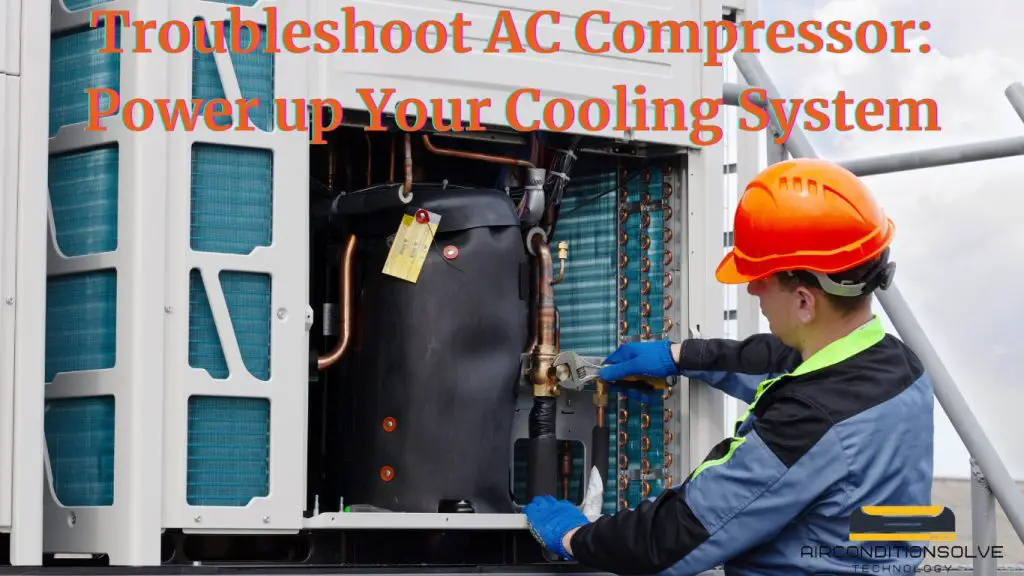
The compressor is the heart of the air conditioner. In low amperage units, the compressor is designed to use less electricity. This allows it to cool the air without consuming a lot of power. The result is an efficient cooling system. For more on this, see our guide on tips for air conditioner efficiency.
In practice, many low‑amperage models now use inverter‑driven compressors that continuously adjust speed rather than cycling on and off, which further reduces peak current draw and improves temperature stability.
Types of Low Amperage Air Conditioners
There are different types of low amperage air conditioners. Here are some common types:
1. Window Air Conditioners
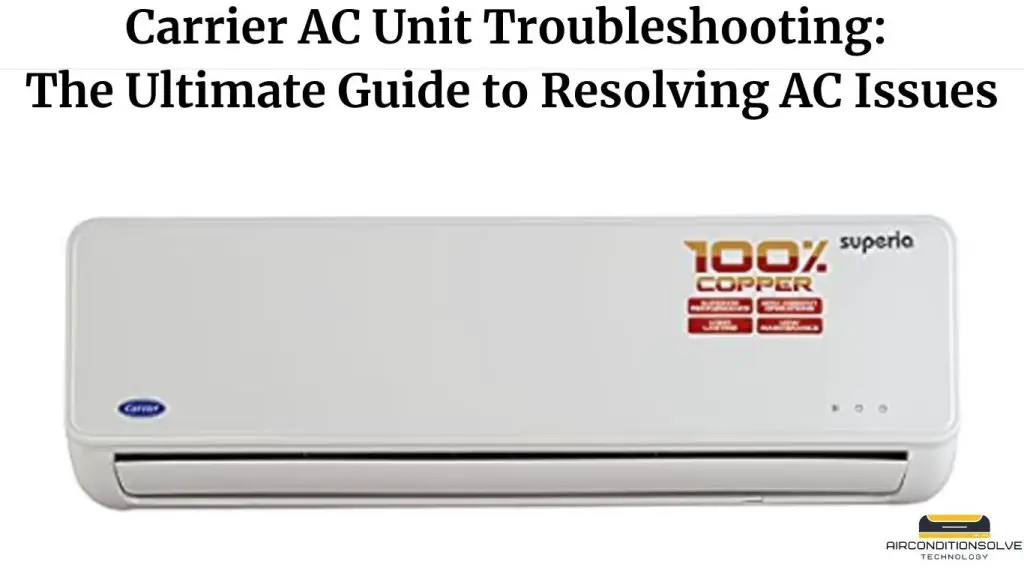
Window air conditioners are popular. They fit in a window and cool one room. Many models have low amperage options. They are easy to install and remove.
2. Portable Air Conditioners
Portable air conditioners can be moved around. They do not need to be fixed in one place. Some portable models use low amperage. They are great for cooling specific areas.
3. Mini-split Systems
Mini-split systems have two parts: an indoor and outdoor unit. They are great for cooling larger spaces. Many mini-split systems are low amperage. They provide efficient cooling without high energy use.
Ductless mini‑splits also avoid the energy losses associated with ductwork, making them a top choice for whole‑home low‑amperage cooling.
How to Choose a Low Amperage Air Conditioner
Choosing the right air conditioner is important. Here are some tips to help you:
1. Check The Amperage Rating
Look for the amperage rating on the unit. It tells you how much power it uses. Lower numbers mean less energy use. Aim for models with a rating below 10 amps.
2. Consider The Size
Choose a size that fits your space. A unit that is too small will struggle to cool. A unit that is too big will waste energy. Measure your room and find the right BTU rating.
3. Look For Energy Star Certification
Energy Star is a label that shows energy efficiency. Products with this label meet strict guidelines. They save energy while providing good performance.
 Energy‑label close‑up on a low‑amperage window unit
When sizing, use the “square‑foot‑per‑BTU” rule of thumb (about 20 BTU per sq ft) and then verify the unit’s amperage at that capacity; the Energy Star program provides a searchable database of certified models.
Ready to pick the perfect unit? Explore our guide on selecting the right unit for your space.
Installation Tips for Low Amperage Air Conditioners
Installing a low amperage air conditioner is important. Here are some tips:
1. Follow The Instructions
Read the installation manual. It provides important steps and safety tips. Following instructions is key for a successful setup.
2. Use The Right Tools
Make sure you have the right tools. This may include a screwdriver, level, and tape measure. Having the right tools makes installation easier.
3. Seal Gaps
Seal any gaps around the unit. This helps improve efficiency. It prevents warm air from entering your space.
 Key‑feature infographic for a low‑amperage portable model
Most low‑amperage units run on a standard 120 V, 15 A circuit, but verify the nameplate; if the unit draws near 12 A, a dedicated circuit prevents nuisance tripping. For a step‑by‑step ductless setup, see our step‑by‑step ductless setup.
Maintenance for Low Amperage Air Conditioners
Like any appliance, air conditioners need maintenance. Here are some easy steps:
1. Clean The Filters
Dirty filters can block airflow. Clean or replace them regularly. This helps the unit run smoothly.
2. Check The Coils
Coils can get dirty too. Clean the evaporator and condenser coils. This will help improve cooling performance.
3. Schedule Professional Maintenance
Consider having a professional check your unit once a year. They can find problems before they become big issues. Regular check-ups keep your air conditioner running well.
A seasonal prep checklist — cleaning filters, clearing debris from the outdoor coil, and confirming refrigerant pressures — can be done in under an hour and pays off in lower runtime amperage. For a printable routine, check our routine upkeep checklist.
Common Myths About Low Amperage Air Conditioners
Many people have myths about air conditioners. Here are some common ones:
1. They Don’t Cool As Well
Some think low amperage units don’t cool well. This is not true. They can cool just as effectively as regular units.
2. They Are More Expensive
People often think low amperage models cost more. While they may have a higher upfront cost, they save money in energy bills. They can be cheaper in the long run.
3. They Require Special Outlets
Some believe low amperage units need special outlets. Most can be plugged into standard outlets. Always check the specifications before buying.
In extreme heat (above 95 °F), a properly sized low‑amperage unit still maintains setpoint because the inverter compressor ramps up without exceeding its rated current, whereas a fixed‑speed unit may cycle off and lose capacity.
Comparing Low Amperage and Standard Units
| Feature | Low Amperage AC | Standard AC |
|---|---|---|
| Typical max current | ≤ 10 A (120 V) | 12‑15 A (120 V) |
| Compressor type | Inverter / variable‑speed | Fixed‑speed |
| Energy‑Star eligibility | Almost always | Varies |
| Noise level (indoor) | 40‑50 dB | 50‑60 dB |
| Upfront cost | 10‑20 % higher | Baseline |
| Lifetime operating cost | Lower | Higher |
Energy Efficiency Ratings Explained
SEER (Seasonal Energy Efficiency Ratio) and EER (Energy Efficiency Ratio) are the two main metrics. Low‑amperage models typically exceed 15 SEER, while the 2026 federal minimum for split systems is 14 SEER. The U.S. Department of Energy updates these minimums periodically, so verify the current standard before purchase.
Electrical Circuit Considerations
Even though the unit draws less current, the branch circuit must still be sized for 125 % of the nameplate amperage per NEC 210.23(A). A 15 A breaker with 14 AWG copper is adequate for most ≤ 10 A units, but always confirm with a licensed electrician if you’re adding a new circuit.
Seasonal Preparation Checklist
- Remove and wash the filter.
- Vacuum the indoor coil fins.
- Clear leaves and debris from the outdoor condenser.
- Inspect the condensate drain line for clogs.
- Verify thermostat calibration and schedule a “cool‑down” test run.
Real‑World Performance in Extreme Heat
Field data from 2025 installations in the Southwest show low‑amperage inverter units maintaining 72 °F indoor setpoints at 115 °F outdoor temps while drawing 8‑9 A continuously — well within a standard 15 A circuit. This confirms the myth that they “can’t handle extreme heat” is unfounded.
Conclusion
Low amperage air conditioners are a smart choice for many homes. They save energy, reduce bills, and cool efficiently. Understanding how they work can help you choose the right one. Always consider factors like size, efficiency, and installation.
With proper care, these air conditioners can keep you cool for years. Make the choice today for a better, cooler tomorrow.
Frequently Asked Questions
What is considered low amperage for an air conditioner?
A residential unit drawing 10 amps or less on a 120 V circuit is generally classified as low amperage.
Do low amperage ACs qualify for rebates?
Many utilities and the Energy Star program offer rebates for models that meet SEER ≥ 15 and draw ≤ 10 A; check your local utility website.
Can I replace a standard window unit with a low amperage model without rewiring?
Yes, provided the existing outlet is on a 15 A circuit and the new unit’s nameplate amperage ≤ 12 A.
How often should I clean the filters on a low amperage unit?
Monthly during heavy use; at minimum every 60 days to keep airflow optimal.
Are mini‑split systems always low amperage?
Most modern ductless mini‑splits use inverter compressors and fall under 10 A, but verify the specific model’s rating.
What maintenance extends the life of a low amperage AC?
Annual professional tune‑up, regular filter cleaning, and keeping the outdoor coil free of debris.