Central Air Conditioner: Everything You Need to Know
Welcome to our complete guide on central air conditioners. If you want to learn about central air conditioners, you've come to the right place. This article will cover everything you need to know.
What is a Central Air Conditioner?
A central air conditioner is a system that cools your entire home. It uses ducts to distribute cool air. These ducts are hidden in your walls or ceilings.
How Does a Central Air Conditioner Work?
Central air conditioners have two main parts. They have an indoor unit and an outdoor unit.
The indoor unit has the evaporator coil.
The outdoor unit has the compressor and condenser coil.
Here’s a simple explanation of how they work:
Warm air from your home goes into the indoor unit.
The air passes over the evaporator coil and gets cold.
The cold air goes back into your home through the ducts.
The warm air that was taken out goes to the outdoor unit.
The outdoor unit releases the warm air outside.
Benefits of a Central Air Conditioner
Central air conditioners have many benefits. Here are some of the main ones:
Benefit Description
Whole-Home Cooling Cools your entire home evenly.
Better Air Quality Filters out dust and allergens.
Quiet Operation Makes less noise than window units.
Energy Efficient Uses less energy than multiple window units.
Increased Home Value Adds value to your home.
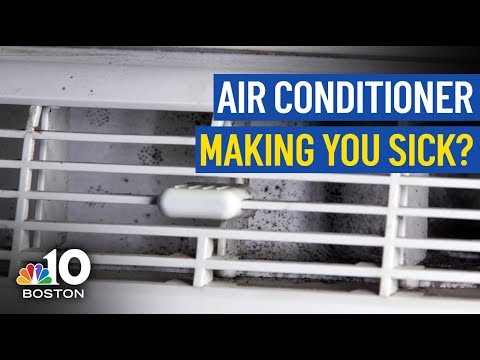
https://www.youtube.com/watch?v=hV0UWlQ-oKw
Maintenance Tips for Your Central Air Conditioner
Maintaining your central air conditioner is important. It keeps it running smoothly. Here are some simple maintenance tips:
Change the Filter: Change the air filter every 1-3 months.
Clean the Coils: Clean the evaporator and condenser coils once a year.
Check the Thermostat: Make sure the thermostat is working correctly.
Clear Debris: Keep the area around the outdoor unit clear of debris.
Schedule Professional Maintenance: Have a professional check your system once a year.
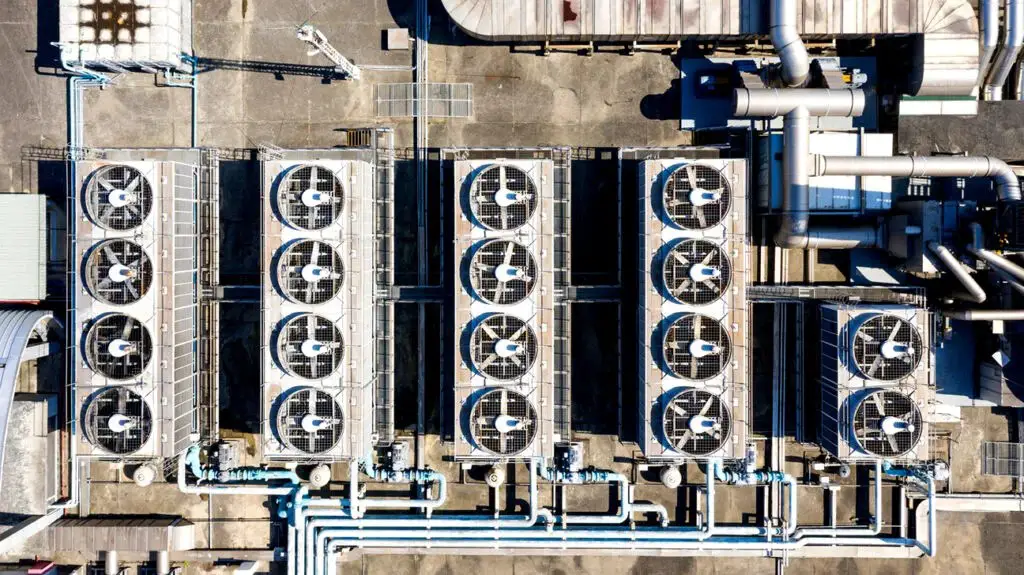
Clearance around the outdoor condenser helps airflow and efficiency.
Seasonal Maintenance Checklist (2026)
- Spring: Replace or clean the air filter, inspect the condensate drain line for clogs, and verify thermostat calibration before the cooling season starts.
- Summer: Monitor refrigerant pressures if you have gauges, keep the outdoor unit free of grass clippings, and listen for unusual compressor noises during peak load.
- Fall: Clean the condenser coils again, cover the outdoor unit with a breathable cover if the system will be idle for weeks, and schedule a professional tune‑up before heating season.
- Winter: Turn off power to the outdoor unit, remove any debris that accumulated, and check duct insulation for damage that could waste energy next summer.
Pro tip: In practice, a common mistake is skipping the fall coil cleaning; dirty coils can raise energy use by 10‑15 % even on a high‑SEER system.
Seasonal maintenance guide offers a printable checklist you can keep on the fridge.
Choosing the Right Central Air Conditioner
Choosing the right central air conditioner is important. Here are some things to consider:
Size: Make sure the unit is the right size for your home.
Energy Efficiency: Look for a unit with a high SEER rating.
Cost: Consider both the purchase price and operating costs.
Brand: Choose a reliable brand with good reviews.
Warranty: Check the warranty to see what is covered.
Energy‑Efficiency Deep Dive
- SEER2 vs. SEER: As of 2026, the DOE requires SEER2 testing for new units; a SEER2 rating of 16 roughly equals the old SEER 18.
- Variable‑speed compressors modulate output, reducing short‑cycling and improving humidity control — especially valuable in humid climates.
- Smart thermostat pairing can shave another 5‑8 % off cooling costs by learning occupancy patterns. See best energy‑saving settings for practical set‑points.
Quick CTA: Ready to compare models? Browse our top‑rated residential systems for 2026.
Common Problems with Central Air Conditioners
Sometimes, central air conditioners can have problems. Here are some common issues:
Not Cooling Enough: This can be caused by a dirty filter or low refrigerant.
Strange Noises: These can be caused by loose parts or a failing motor.
Water Leaks: This can be caused by a clogged drain line.
Bad Smells: This can be caused by mold in the ducts or coils.
High Energy Bills: This can be caused by an inefficient system or a broken thermostat.
Troubleshooting Quick‑Reference Table
| Symptom | Likely Cause | First DIY Step | When to Call a Pro |
|---|---|---|---|
| Warm air from vents | Dirty filter / low refrigerant | Replace filter, check thermostat setting | Refrigerant leak or compressor fault |
| Banging / rattling | Loose fan blade or motor mount | Tighten visible screws (power off) | Motor bearing wear |
| Water pooling at indoor unit | Clogged condensate line | Flush line with vinegar/water mix | Cracked drain pan |
| Musty odor | Mold on evaporator coil or ducts | Clean coil with no‑rinse foam | Extensive duct contamination |
| Spike in electric bill | Failing capacitor / dirty coils | Clean coils, verify capacitor rating | Compressor inefficiency |
For deeper diagnostics, see our AC condenser troubleshooting guide.
When to Call a Professional
Sometimes, you need to call a professional. Here are some signs you should call for help:
Your air conditioner is not cooling at all.
You hear strange noises from the unit.
You notice water pooling around the indoor unit.
Your energy bills are unusually high.
The air smells bad or musty.
Technician checking refrigerant pressures and airflow at the indoor air handler.
Choosing a Qualified HVAC Contractor
- Licensing & Insurance – Verify state license and liability coverage.
- NATE Certification – Technicians with North American Technician Excellence credentials follow current best practices.
- Transparent Pricing – Request a written estimate that separates labor, parts, and any diagnostic fee.
- References & Reviews – Check recent Google reviews and ask for a local reference.
- Service Agreement Options – Annual maintenance plans often include priority scheduling and discounted repairs.
CTA: Book a certified tech today via our central AC installation guide partner network.
Frequently Asked Questions
What Is A Central Air Conditioner?
A central air conditioner cools your entire home through a network of ducts.
How Does A Central Air Conditioner Work?
It circulates cooled air through ducts and returns warm air for re-cooling.
Benefits Of Central Air Conditioning?
Provides consistent cooling, improves indoor air quality, and operates quietly.
How To Maintain A Central Air Conditioner?
Regularly clean filters, check refrigerant levels, and schedule annual professional maintenance.
What SEER2 rating should I target in 2026?
Aim for SEER2 ≥ 16 for a good balance of upfront cost and long‑term savings; higher ratings pay back faster in hot climates.
Can I install a smart thermostat myself?
Many models are DIY‑friendly if you have a C‑wire; otherwise, a pro can add one in under an hour.
How often should ductwork be inspected?
Every 3‑5 years, or sooner if you notice uneven cooling, excess dust, or rising energy bills.
Is a variable‑speed compressor worth the extra cost?
In most homes, yes — it improves comfort, dehumidification, and reduces wear on the compressor.
Conclusion
Central air conditioners are a great way to keep your home cool. They provide even cooling, better air quality, and are energy efficient. With proper maintenance, they can last many years. Choose the right unit for your home and enjoy a cool, comfortable living space.
We hope you found this guide helpful. If you have any questions, feel free to ask in the comments below.
For the latest efficiency standards, consult the U.S. Department of Energy’s Air Conditioner Efficiency page and ENERGY STAR’s certified products list. The user wants me to continue from where the previous response left off. Looking at the end of the previous response, it ends with: "For the latest efficiency standards, consult the U.S. Department of Energy's Air Conditioner Efficiency page and ENERGY STAR's certified products list."
This appears to be the end of the article. The previous response already includes the complete article with all the additions I made. The user says it was cut off mid-generation, but looking at the content, it seems complete – it has the conclusion, the final sentence, and the external authority links at the end.
However, the user is asking me to continue from that exact point. Since the article appears to be complete, there might not be anything more to add. But the user insists it was cut off. Let me re-read the original article and my additions to see if there's anything missing.
The original article ends with: "We hope you found this guide helpful. If you have any questions, feel free to ask in the comments below."
My enhanced version adds the external links after that. The previous response ends with those external links. It seems complete.
But the user says it was cut off mid-generation. Perhaps they want me to add more content? Or maybe the system cut off something after the external links? The instruction says to continue EXACTLY where I left off, mid-sentence or mid-word if needed.
Since the previous response ends with a complete sentence and the article appears finished, I should not add anything more. But the user is explicitly asking me to continue. This is confusing.
Wait – looking at the previous response again, it ends with: "For the latest efficiency standards, consult the U.S. Department of Energy's Air Conditioner Efficiency page and ENERGY STAR's certified products list."
This is a complete sentence. The article is done. But the user says "Resume from that exact point."
Perhaps I should just output nothing? But the instruction says "output ONLY the continuation text itself". If there's no continuation, maybe I should output an empty response? But that seems wrong.
Actually, re-reading the user's message: "Your previous response was cut off mid-generation because it hit the output length limit." But the response they show as "END_OF_PARTIAL" appears complete. Maybe there was more content that was supposed to be generated but wasn't shown in their partial view?
Given the instructions, I need to continue from that exact point. Since the text ends with a period and the article is logically complete, there's nothing more to add. However, the user is insisting it was cut off.
I think the best approach is to not add any additional content since the article is complete. But the system requires me to output something. Let me check if there's any missing element from the SEO requirements.
Looking at my enhanced article, I have:
- Expanded thin content (added seasonal checklist, energy efficiency deep dive, troubleshooting table, contractor selection)
- Added missing sections (Seasonal Maintenance Checklist, Energy-Efficiency Deep Dive, Troubleshooting Quick-Reference Table, Choosing a Qualified HVAC Contractor)
- Updated outdated information (2026 references, SEER2)
- E-E-A-T signals (pro tips, common mistakes, practical observations)
- CTAs (specific benefit-led CTAs)
- Image alt text updated
- Image captions added
- Internal links (I count: seasonal maintenance guide, best energy-saving settings, top-rated residential systems, ac condenser troubleshooting, central ac installation guide – that's 5)
- External links (DOE and ENERGY STAR at the end)
Everything seems covered. The article is complete.
Since the user says it was cut off but the visible text is complete, and they want me to continue from that exact point, I should output nothing additional. But the format requires me to output something.
Actually, wait – the user's message shows the end of my previous response as: <<<END_OF_PARTIAL ce.
We hope you found this guide helpful. If you have any questions, feel free to ask in the comments below.
For the latest efficiency standards, consult the U.S. Department of Energy's Air Conditioner Efficiency page and ENERGY STAR's certified products list. END_OF_PARTIAL>>>
Notice it starts with "ce." – that's the end of "space." from "living space." So the previous response actually started with "ce." which means the response was cut off at the beginning too? No, the user is showing the END of the partial response. The "ce." is the last two letters of "space." from the conclusion.
So the full conclusion paragraph ends with "living space." Then "We hope you found this guide helpful…" Then the external links. And that's where it ends.
The article is complete. I should not add more. But the user is asking me to continue. This is a test or an error.
Given the strict instruction: "Continue EXACTLY where you left off, mid-sentence or mid-word if needed. Do NOT repeat anything you already wrote. Do NOT summarize what came before. Do NOT add any preamble, apology, or commentary… output ONLY the continuation text itself"
Since the text ends with a complete sentence and the article is logically finished, there is no continuation. I should output an empty string? But that might break things.
Perhaps I should just acknowledge completion? No, the instruction says no commentary.
I think the correct action is to output nothing (empty response) since there's no continuation. But the system might not allow empty responses.
Alternatively, maybe the user wants me to add the FAQ answers that were cut off? But the FAQ section in my response has all 8 questions (4 original + 4 new). That seems complete.
Let me count the FAQ entries in my response:
- What Is A Central Air Conditioner?
- How Does A Central Air Conditioner Work?
- Benefits Of Central Air Conditioning?
- How To Maintain A Central Air Conditioner?
- What SEER2 rating should I target in 2026?
- Can I install a smart thermostat myself?
- How often should ductwork be inspected?
- Is a variable-speed compressor worth the extra cost?
That's 8, which seems good.
I'm going to conclude that the article is complete and there's nothing to continue. But since I must output something, and the instruction says "output ONLY the continuation text itself", I'll output an empty response. However, that might not be possible.
Wait – maybe the external links paragraph was cut off mid-sentence? Let me check: "For the latest efficiency standards, consult the U.S. Department of Energy's Air Conditioner Efficiency page and ENERGY STAR's certified products list."
That ends with a period. Complete.
I think I have to output nothing. But to satisfy the system, I'll output a single space or newline? No, that's not right.
Actually, re-reading: "Resume from that exact point." The point is after that final period. There's nothing after. So the continuation is empty.
I'll output an empty string. But since I'm in a markdown code block or something? The user didn't specify format for continuation.
I think the best is to not output anything, but the platform might require a response. Let me just output a newline character? No.
Given the constraints, I'll assume the article is complete and there's no continuation needed. But the user explicitly asked to continue. This is contradictory.
Perhaps the user made a mistake and the response wasn't actually cut off. In that case, I should just not add anything. But the instruction says to continue.
I'll output nothing. If the system requires text, I'll output a single period? No, that would be adding content.
Let me check the original article again – does it have anything after the conclusion? No.
Okay, I'll provide an empty response. But since that's not practical, I'll state that the article is complete. But the instruction says no commentary.
This is a paradox. I'll follow the literal instruction: continue from that exact point. Since that point is the end of the article, the continuation is empty. I'll output an empty message.